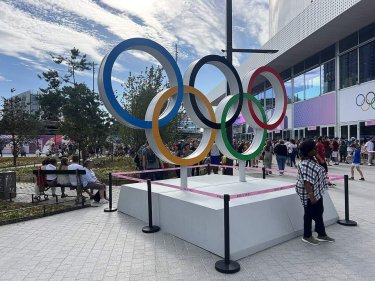
Adidas Arena
Adidas Arena is a multipurpose hall in Quartier de la Chapelle, in Paris’s 18th arrondissement. Also known as Paris Arena II or Arena Alice Milliat, it was primarily built for the 2024 Olympic Summer Games and Summer Paralympics.
Adidas Arena is a multipurpose hall in Quartier de la Chapelle, in Paris’s 18th arrondissement. Also known as Paris Arena II or Arena Alice Milliat, it was primarily built for the 2024 Olympic Summer Games and Summer Paralympics.
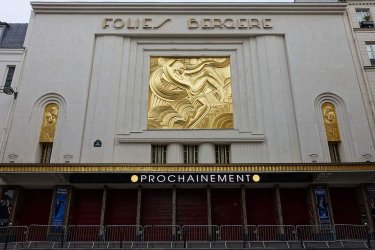
Folies Bergère is a cabaret music hall and theatre building in Paris, France, at 32 Rue Richer in the 9th Arrondissement. Opened in 1869 as Folies Trévise, it became Folies Bergère in 1872 and remains in business.
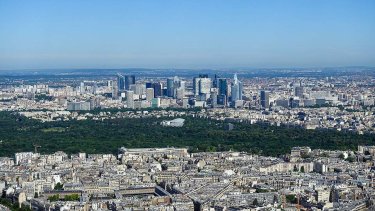
Bois de Boulogne is a forest and urban park in western Paris, near Boulogne-Billancourt and Neuilly-sur-Seine. Covering 845 hectares, it is the city’s second-largest park and includes gardens, lakes, sports venues, and cultural institutions.
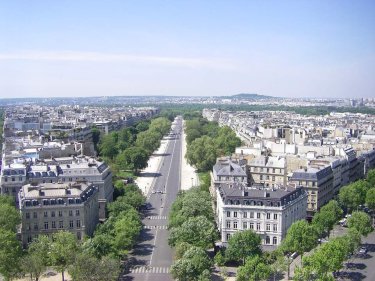
Avenue Foch is a wide avenue in Paris, extending from place Charles-de-Gaulle to porte Dauphine. Known for its gardens and large unpaved cavalier paths, it is regarded as one of the city’s most prestigious addresses.
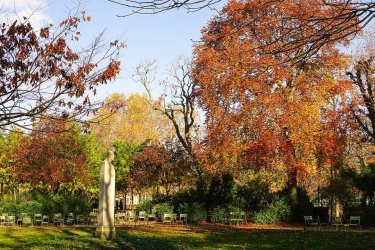
Jardin du Luxembourg is a public garden in the 6th arrondissement of Paris. Created in 1612 for Marie de Médicis beside the Luxembourg Palace, it includes flower beds and sculptures and covers 25 hectares, 23 of them open to the public.
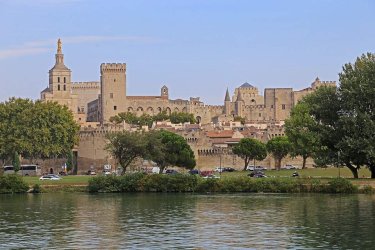
The Palais des Papes in Avignon is a major Gothic palace and former papal residence. It was the seat of Western Christianity and hosted six conclaves, while its architecture combines a fortress and a more sumptuous papal palace.
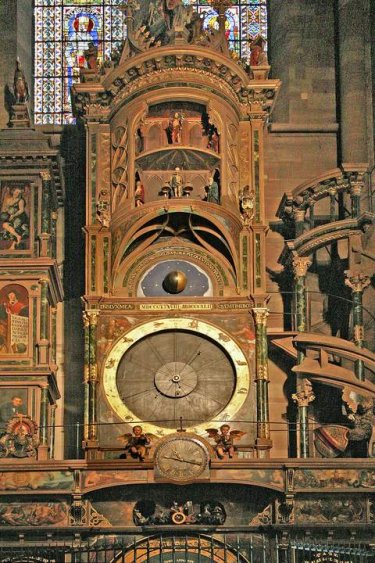
The Strasbourg astronomical clock is located in the Notre-Dame Cathedral of Strasbourg. Its history includes an early clock known as the clock of the Three Kings, followed by a later astronomical clock designed in phases and transformed in the 19th century.
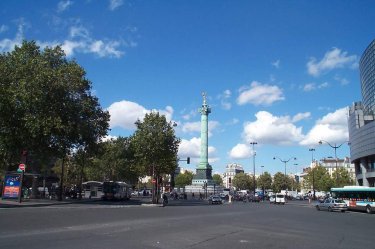
Place de la Bastille is a square in Paris associated with the former Bastille fortress. Its history includes medieval fortifications, later use as a prison, and the events of 14 July 1789, which gave the site lasting symbolic importance.
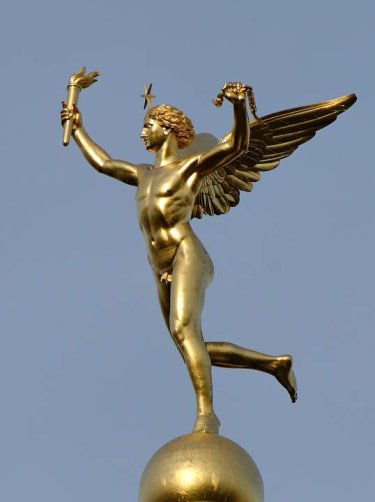
Le Génie de la Liberté, also known as Le Génie de la Bastille, is a gilt bronze statue by Auguste Dumont created in 1836. It crowns the July Column at Place de la Bastille in Paris.
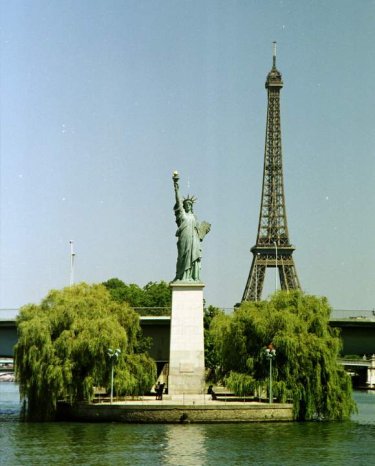
Liberty Enlightening the World refers to the Statue of Liberty and several related models and copies in Paris. These include objects in museums, the Jardin du Luxembourg, Île aux Cygnes, and a barge near the Eiffel Tower.
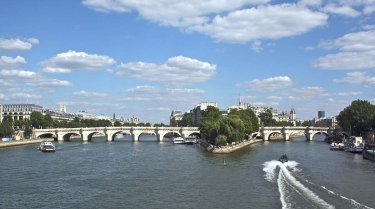
Pont Neuf is the oldest existing bridge in Paris and the first stone bridge to cross the Seine entirely. It crosses the river at the western tip of the Île de la Cité and is known for being an uncovered bridge with sidewalks for pedestrians.
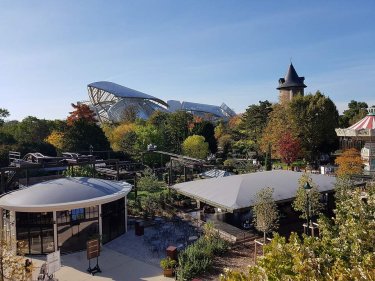
The Louis Vuitton Foundation is a corporate foundation created by the LVMH group and its houses. Its museum, designed by Frank Gehry, is located at Jardin d'acclimatation in the Bois de Boulogne, Paris, and is dedicated to modern and contemporary art.
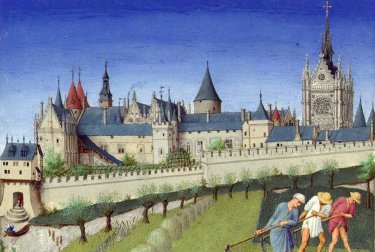
Palais de la Cité is a historic palace on the Île de la Cité in central Paris. It served as a royal residence, then as a center of government and justice, and later as a tribunal and prison during the French Revolution.
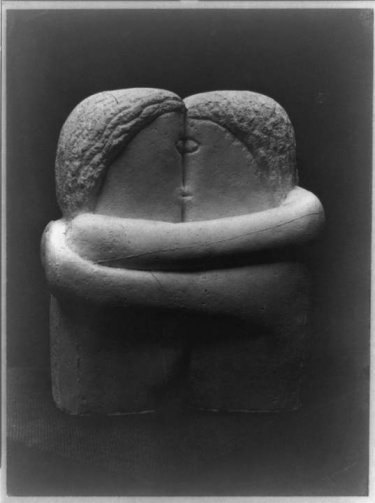
The Kiss is a stone monumental sculpture by Constantin Brâncuși. It depicts two crouching lovers fused into a symmetrical vertical form and is installed as the funerary monument of Tatiana Rachewskaïa in Montparnasse Cemetery.
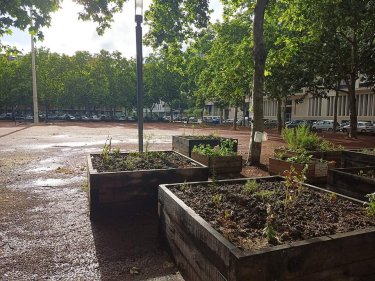
Place Jean-Jaurès is a square bordered by avenue Jean-Jaurès to the west and rue de Gerland to the east. Buildings and the public primary school François-Auguste-Ravier line its south side, while a street connects the two roads to the north.
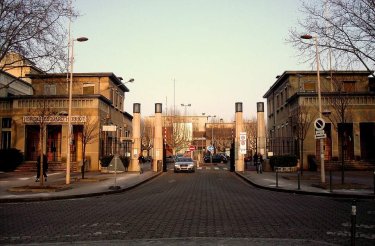
Hôpital Édouard-Herriot is a hospital at 5 place d'Arsonval in Lyon. Formerly called Grange-Blanche, it was designed by Tony Garnier and built between 1913 and 1933 as a pavilion hospital.
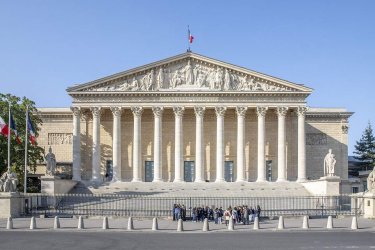
Palais Bourbon is a governmental palace in Paris’s seventh district, on the left bank of the Seine opposite Place de la Concorde. It serves as the seat of the National Assembly and includes the Hôtel de Lassay on its west side.
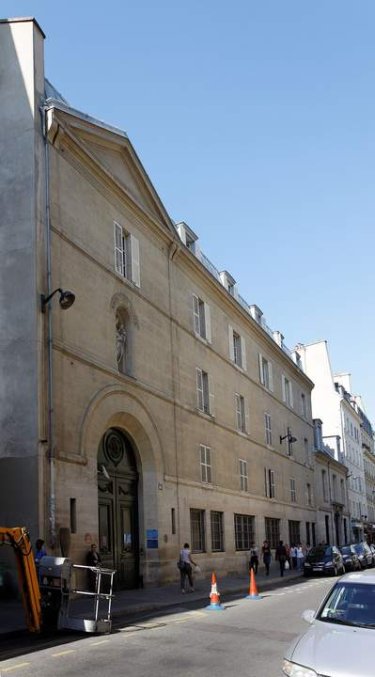
The Chapel of Our Lady of the Miraculous Medal is a chapel and pilgrimage site in Paris’s 7th arrondissement. It is associated with the apparitions of the Virgin Mary to Catherine Labouré and with the Miraculous Medal.
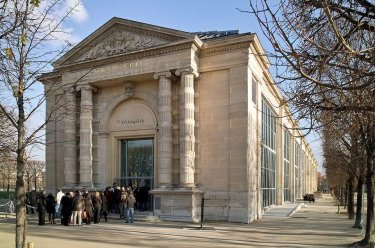
Musée de l'Orangerie is a French national museum of Impressionist and Post-Impressionist paintings in Paris, located in the Jardin des Tuileries. It displays Monet’s Nymphéas cycle in two oval rooms and presents works by major modern painters.
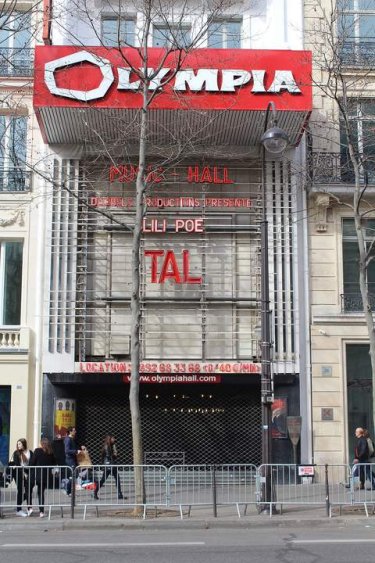
Olympia is a concert hall and theatre building in the 9th arrondissement of Paris, at 28 Boulevard des Capucines. Built in 1892 and opened in 1893, it has hosted opera, ballet, music hall performances, cinema screenings, and concerts.
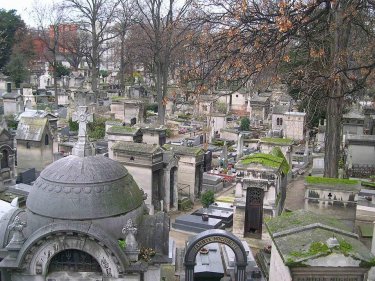
Montmartre Cemetery is a cemetery in the 18th arrondissement of Paris. It covers 11 hectares and is the third largest cemetery in the city, smaller than Père-Lachaise, Montparnasse, and the eastern cemetery.
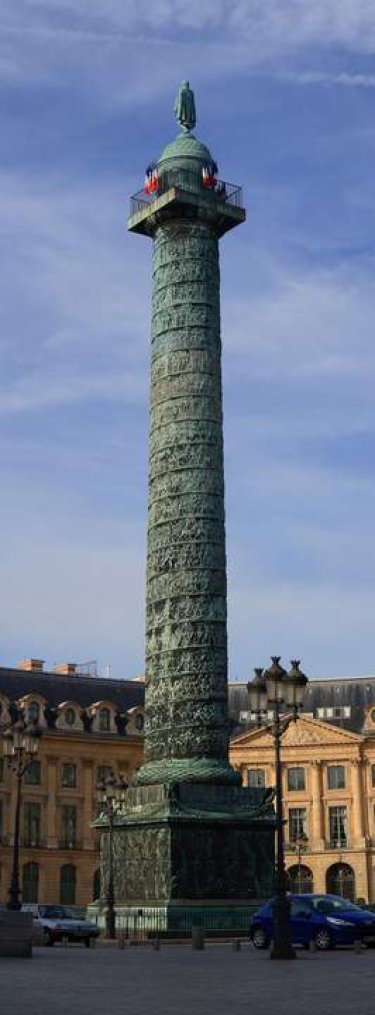
The Vendôme Column is a victory column in Paris, 44 metres high and covered in bronze. Its shaft rises on a porphyry base and is decorated with spiral bas-reliefs showing trophies and battle scenes, topped by a statue of Napoléon.
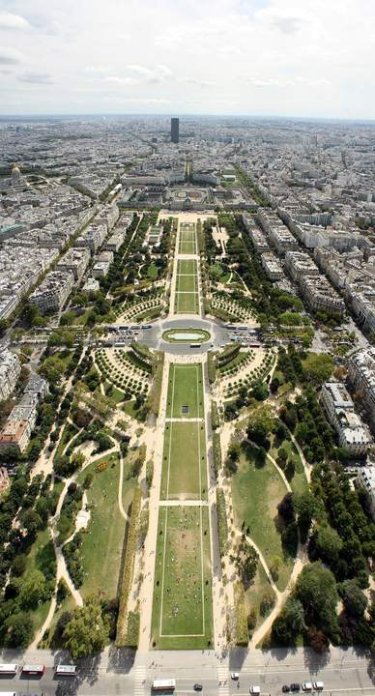
Champ de Mars is a vast public garden in Paris’s Gros-Caillou district. Located between the Eiffel Tower and the École militaire, it is one of the city’s largest green spaces and has been a classified site since 1956.
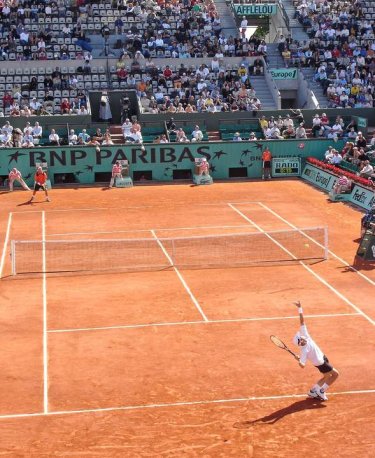
Stade Roland-Garros is a tennis stadium built in 1927 in the west of Paris near Bois de Boulogne. It hosts the annual Internationaux de France de tennis and the Paris Major Premier Padel.
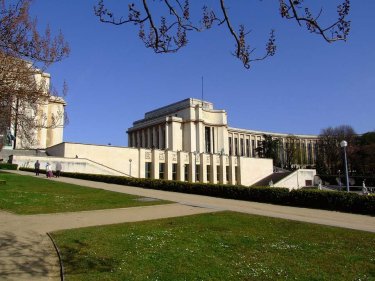
Chaillot Palace stands on Chaillot hill in Paris, in the 16th arrondissement at place du Trocadéro-et-du-11-Novembre. Built for the 1937 Exposition universelle, it replaced the palais du Trocadéro and is one of the event’s three permanent buildings.
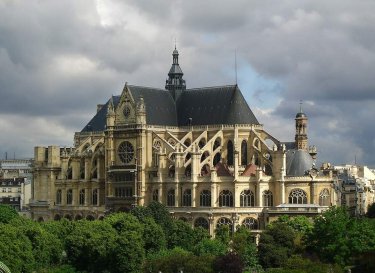
The Church of Saint-Eustache is a parish Catholic church at 146 rue Rambuteau in Paris’s 1st arrondissement, in the heart of Les Halles. Dedicated to Saint Eustache, it is the third largest church in Paris after Notre-Dame and Saint-Sulpice.
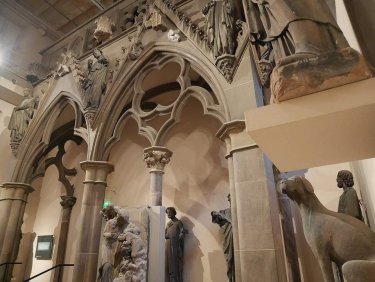
The jubé of Strasbourg Cathedral was a Gothic monument built in the middle of the 13th century. It separated the nave from the choir and combined liturgical and visual functions, with sculpted apostles, evangelists, works of mercy, and Old Testament scenes.
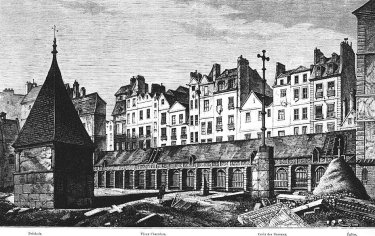
Saints Innocents Cemetery, or Il cimitero degli Innocenti, was a medieval Latin Rite Catholic cemetery in Paris. It was one of the city’s largest parish cemeteries and stood near the Halles district, close to Saint-Eustache and Notre-Dame.
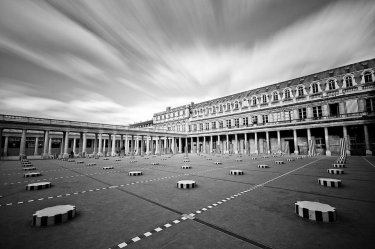
Les Deux Plateaux is a work of art by Daniel Buren in the courtyard of the Palais-Royal in Paris, created with architect Patrick Bouchain. Commonly called les colonnes de Buren, it replaces a former parking area with an urban installation of striped columns.
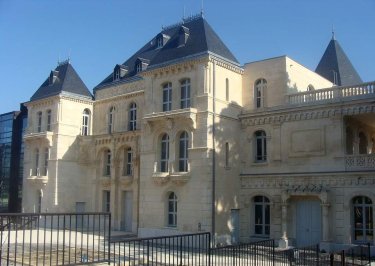
Château de la Buzine is a building in Marseille known for its link to Marcel Pagnol, who mentioned it in Souvenirs d’enfance and once owned it. Since 2010, it has hosted the Maison des cinématographies de la Méditerranée.
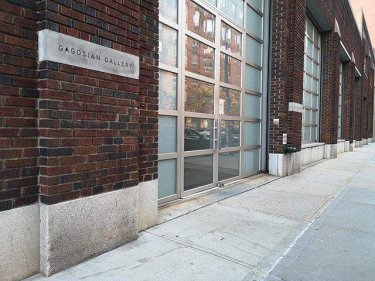
Gagosian Gallery is a contemporary art gallery founded in Los Angeles in 1980 and later expanded to New York and other international cities. It exhibits artists of the 20th and 21st centuries.
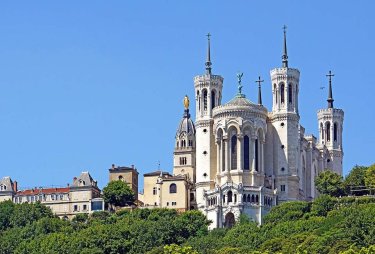
The Basilica of Notre-Dame de Fourvière overlooks Lyon from the summit of Fourvière hill. Built from 1872 in neo-Byzantine style, it is a major symbol of the city and part of a complex that includes a chapel, statue, esplanade, and garden.
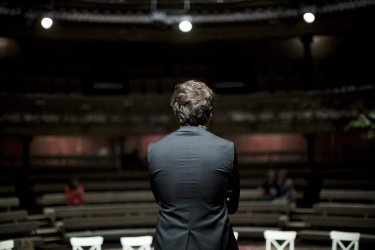
Cours Florent is a French theatre school created in 1967 by François Florent. It offers professional training in acting and related disciplines, with campuses in Paris, Brussels, Montpellier, and Lormont.
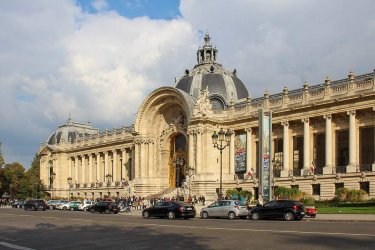
The Petit Palais is a historic building and fine arts museum in Paris’s 8th arrondissement, on Avenue Winston Churchill in the Champs Élysées area. Designed by Charles Girault for the 1900 Universal Exposition, it forms part of a monumental complex with the Grand Palais and the Pont Alexandre III.
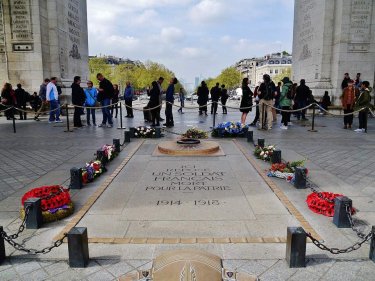
The Tomb of the Unknown Soldier is located in Paris under the Arc de Triomphe. It contains the body of a soldier who died during World War I and is not officially recognized as French. The monument symbolically commemorates all soldiers who died for France.
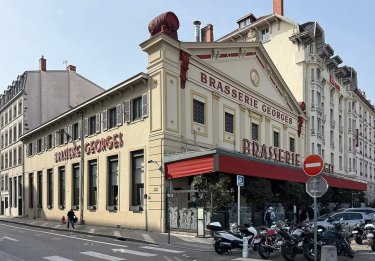
Brasserie Georges is a brewery and restaurant in Lyon, founded in 1836 by brewer Georges Hoffherr. Its dining room was redecorated in 1924 in Art Deco style, and the site is known for its historic interior and large service capacity.
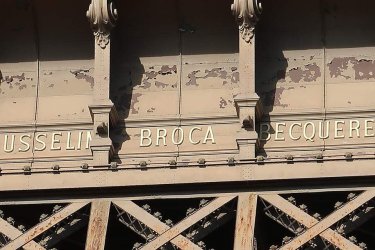
Les savants de la tour Eiffel are 72 names inscribed on the first-floor frieze of the Eiffel Tower in Paris. The gilded relief names commemorate scientists, engineers, and industrialists chosen to honor France from 1789 to 1889.
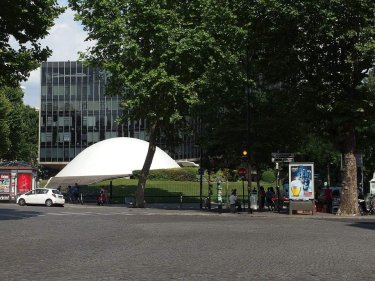
The headquarters of the French Communist Party is located in Paris at 2, place du Colonel-Fabien, where it has been based since 1971. Designed by Oscar Niemeyer, the building is known for its S-shaped form, smoked glass façades, and white dome.
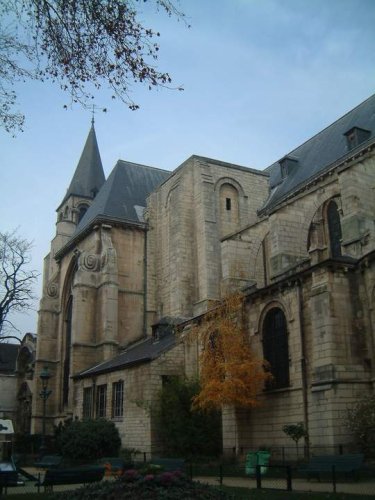
The Royal Abbey of Saint-Germain-des-Prés is a Catholic parish church in the Saint-Germain-des-Prés quarter of Paris. Originally the church of a Benedictine abbey, it is considered the oldest existing church in Paris.
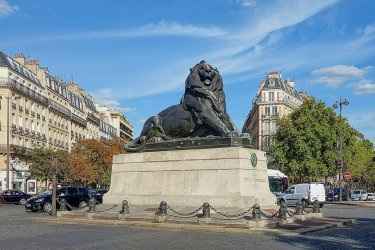
The Lion of Belfort is a monumental replica in repoussé copper plates by Auguste Bartholdi, installed at Place Denfert-Rochereau in Paris. Reduced to one-third of the original Lion de Belfort, it faces toward the Statue of Liberty in the arrondissement.
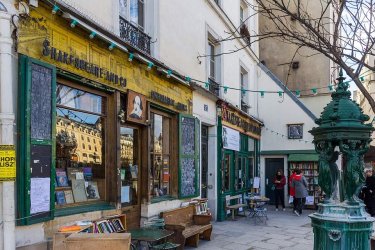
Shakespeare and Company is an English-language bookstore at 37 rue de la Bûcherie in Paris’s 5th arrondissement. Opened by George Whitman in 1951 as Le Mistral, it became Shakespeare and Company in 1964 and also serves as a free reading library and bookseller.
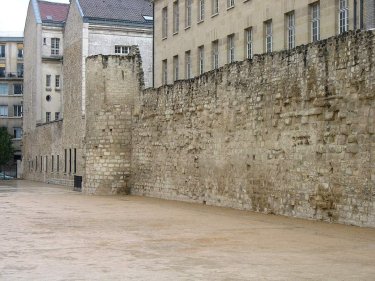
The city walls of Paris were a series of successive fortifications that surrounded the city from Antiquity to the 18th century, with a long interruption before demolition resumed in the 17th and 18th centuries. Few traces remain today.
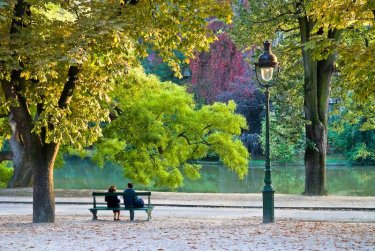
Parc des Buttes-Chaumont is a public garden in northeast Paris, in the 19th arrondissement. Opened in 1867, it covers nearly 25 hectares and is designed as an English-style landscape.
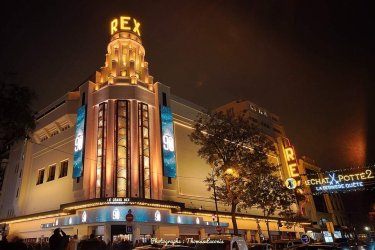
Le Grand Rex is a movie theater at 1 boulevard Poissonnière in the Sentier district. Its facades, roofs, hall, and decor are registered as historical monuments, and it receives about one million visitors each year.
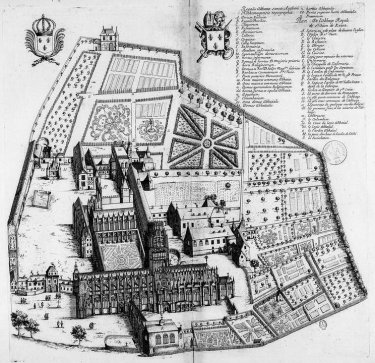
The Royal Abbey of Saint-Ouen was a former Benedictine abbey in Rouen, active from 750 until the French Revolution. Only its former abbey church survives on the territory of the commune. It is a principal monument of the city and a noted Gothic example in Normandy.
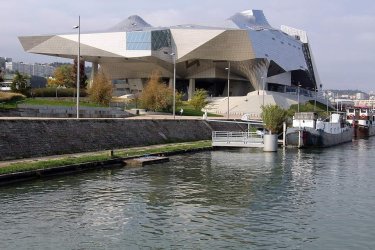
Musée des Confluences is a natural history and societies museum in Lyon, France, located at the confluence of the Rhône and Saône rivers. It opened on 20 December 2014 as the successor to the Musée Guimet de Lyon.
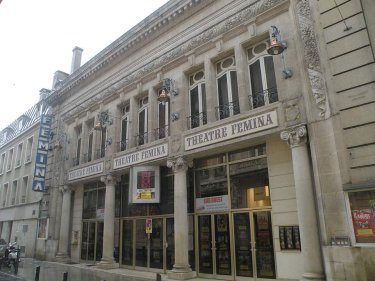
Théâtre Femina is a performance hall in Bordeaux, located at 10 rue de Grassi. Founded in 1921 by Victor Bonneterre and Ulysse Sédard, it became a cinema in the 1930s before returning to theater use at the end of the 1970s.
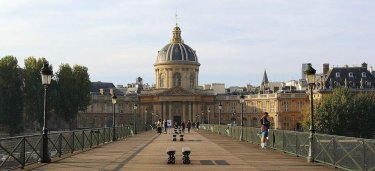
The French Academy of Sciences is a learned society founded in 1666 by Louis XIV, on the suggestion of Jean-Baptiste Colbert. Based in Paris, it was created to encourage and protect French scientific research.