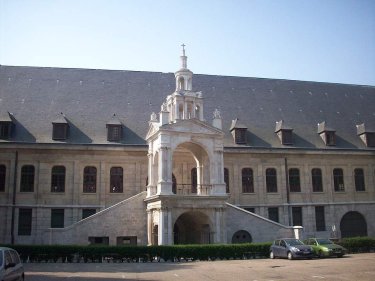
Halle aux Toiles
Halle aux Toiles is the south building of the former halls of Rouen and the only surviving building of the complex. Classified as a historic monument, it was reconstructed after the war and completed in 1961.
Halle aux Toiles is the south building of the former halls of Rouen and the only surviving building of the complex. Classified as a historic monument, it was reconstructed after the war and completed in 1961.
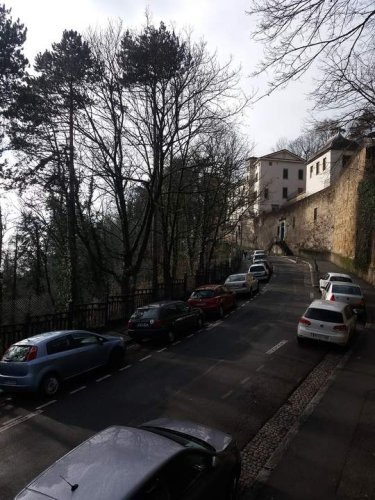
Montée Saint-Barthélemy is a street in the Vieux Lyon district of Lyon, France. One of the main routes between Vieux Lyon and Fourvière hill, it rises from 175 to 270 metres, with a 95-metre elevation difference.
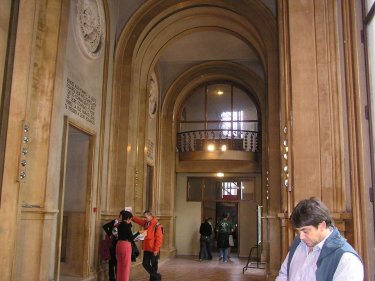
Located in Bordeaux’s Victoire district, the Bourse du Travail is an Art Deco trades hall initiated by Mayor Adrien Marquet and designed by Jacques D’Welles. It includes meeting rooms, offices, classrooms, and conference rooms.
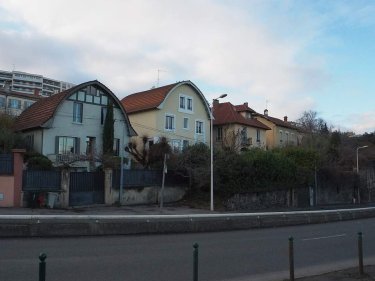
Montée de Choulans is a steep public traffic route in Lyon, France. It forms the main access route to Fourvière hill from the Saône riverbank and has a slope of 5.4%.
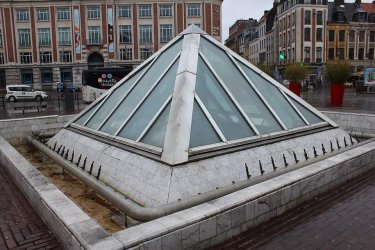
Place Rihour is a square in Lille city centre, adjacent to Place du Général-de-Gaulle. It is connected to Jean-Roisin, Rue de la Vieille Comédie, and Rue du Palais-Rihour, and served by the Rihour metro station below it.
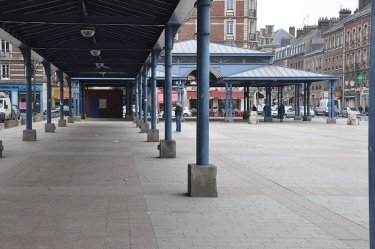
Place Saint-Marc is a square in Rouen, located in the Saint-Marc–Croix de Pierre–Saint-Nicaise district. Served by the TEOR, it includes underground parking and a Cy'clic station. Its name comes from the chapel Saint-Marc.
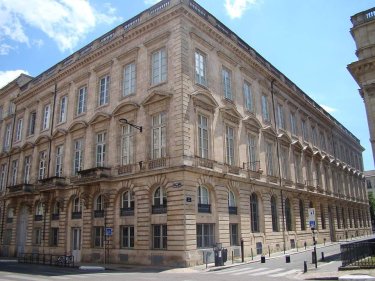
Hôtel Saige is an hôtel particulier in Bordeaux, France, built between 1775 and 1777 by the architect Victor Louis for François-Armand de Saige. It later served as the Gironde prefecture seat and is now divided into several apartments.
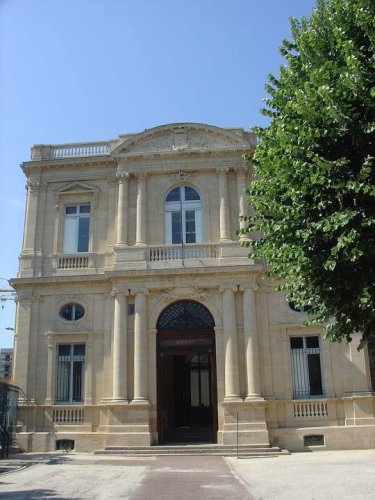
The Musée des Beaux-Arts de Bordeaux is an art museum founded in 1801 in Bordeaux, Gironde, France. Its collection mainly consists of paintings, and also includes sculptures and graphic arts. It is located at two separate sites.
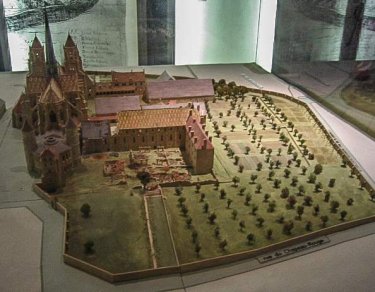
Abbaye de Saint-Bénigne is an ancient Benedictine abbey in central Dijon, founded in the 6th century. Partly destroyed, it retains Romanesque remains and has housed the Dijon archaeological museum since 1930.
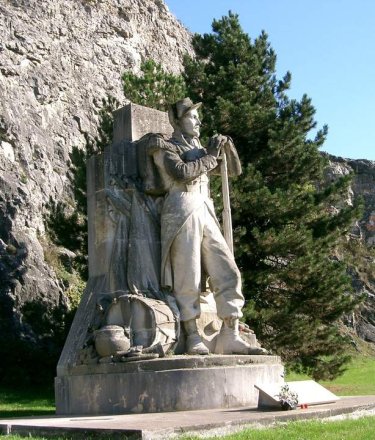
The Grenadier is a statue by Georges Diebolt, created in 1856 for the former Pont de l’Alma in Paris. It depicts Michel Lerasle, a 19th-century French army grenadier, and is now installed in Dijon, Côte-d'Or.
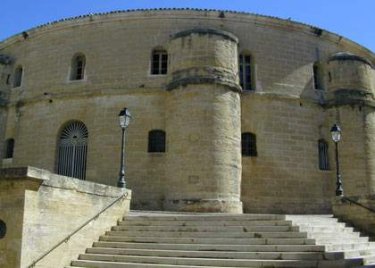
The Convent of the Ursulines of Montpellier is a former convent in the rue Sainte-Ursule district of Montpellier, Hérault. Transformed into a prison in the 19th century, it is now occupied by Agora, Cité internationale de la danse.
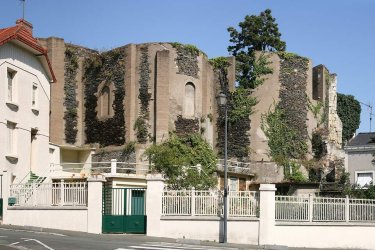
Église Saint-Laurent in Angers was founded in 1073 and has always been a cemetery chapel dependent on the Ronceray. Already ruined in 1576, it remained in ruins for more than four centuries.
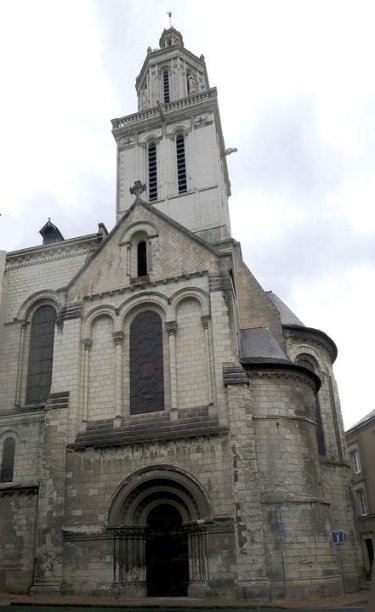
Église de la Trinité d'Angers is a church in the Doutre district of Angers, on the right bank of the Maine. Classified as a historic monument in 1840, it was rebuilt at the end of the 15th century and transformed in the 19th century.
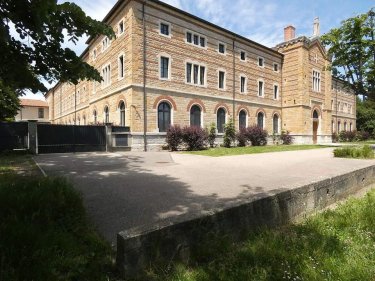
Fourvière Hôtel is a 4-star hotel-restaurant in Lyon’s Fourvière district. Opened in 2015, it occupies the former convent of the Visitation Sainte-Marie de Fourvière, housed in a 19th-century Roman-Byzantine building.
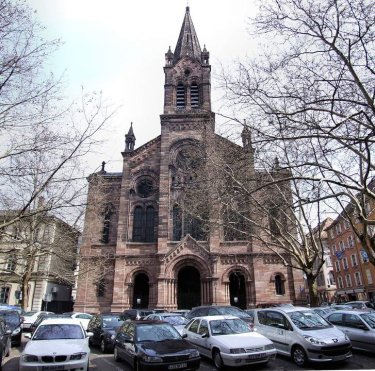
Temple Neuf is a Protestant church on the Grande Île of Strasbourg, affiliated with the Union of Protestant Churches of Alsace and Lorraine. It was built after the fire of 24 August 1870 destroyed the former Dominican church.
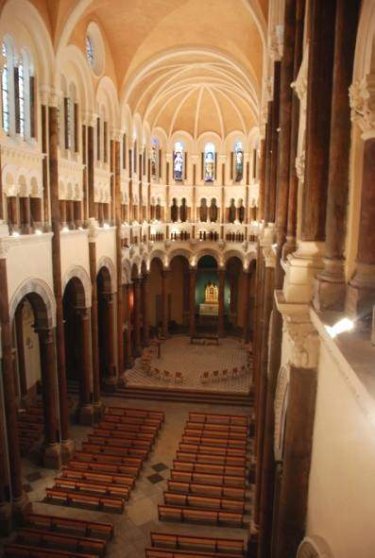
Saint-Marc Lycée is a private French secondary and higher education institution at 10 rue Sainte-Hélène in Lyon’s second arrondissement, in the Ainay district. It belongs to the Centre Saint-Marc and is under Jesuit supervision.
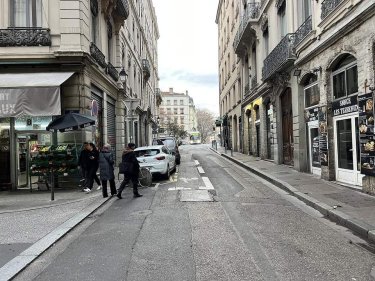
Rue Sainte-Catherine is a street in Lyon with a long history of changing names and urban transformations. It is linked to a former place Sainte-Catherine, wartime aid activities, and a nightlife scene that developed there in the late 20th century.
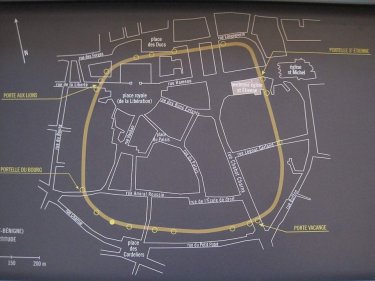
The castrum de Dijon is an ancient Gallo-Roman urban enclosure built between the late 3rd century and the beginning of the 4th century. Archaeological remains survive in Dijon, including the visible tour du Petit Saint-Bénigne.
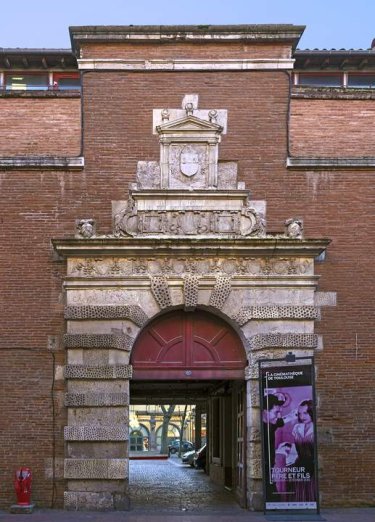
The Cinémathèque de Toulouse is a film archive founded in 1964 by cinephiles gathered around Raymond Borde. It is located at 69, rue du Taur in Toulouse and focuses on the conservation and diffusion of cinematographic heritage.
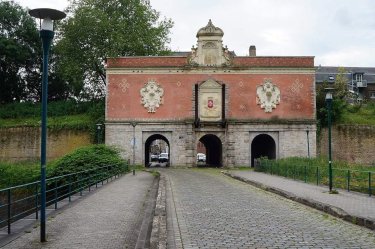
Porte de Gand is a city gate in Lille, part of the old Spanish fortifications built in the early 17th century. Originally called Porte de la Magdeleine, it was renamed after the Revolution and classified as a historical monument in 1929.
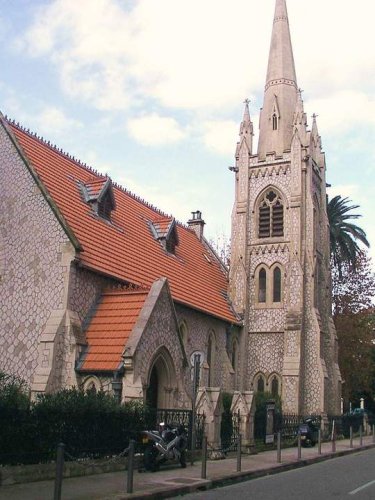
The Église reformée de Nice, also called the Saint-Esprit temple, is a Protestant Reformed place of worship at 21 boulevard Victor-Hugo in Nice. Formerly the American Episcopal Holy Spirit Church, it has been listed as a historical monument since 2020.
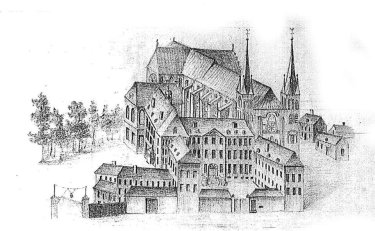
The Royal Abbey of Saint-Remi is an ancient Benedictine abbey in Reims, founded by Archbishop Tilpin around 760. It remained a Benedictine community until the French Revolution and is now the Saint-Remi Museum of Reims.
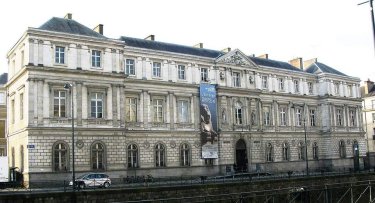
The Musée des Beaux-Arts de Rennes is an art and archaeology museum in Rennes, Ille-et-Vilaine, Brittany. Housed in the old university palace on quai Émile-Zola, it holds collections spanning European paintings, sculptures, and antiquities.
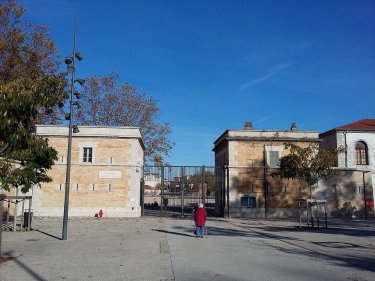
Parc Sergent Blandan is a 17-hectare urban park in Lyon, on the site of the former caserne sergent Blandan. It is divided into three distinct areas and includes military heritage from the mid-19th century.
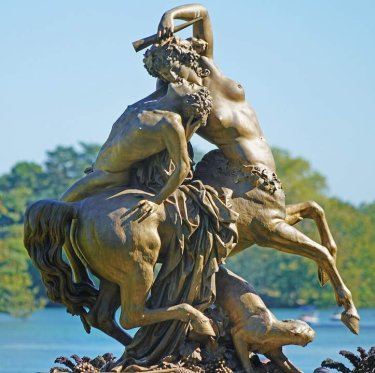
Centauress and Faun is a bronze sculpture by Intro, cast in 1850 from a model made in 1849. It stands in front of the main entrance to Parc de la Tête d'or in Lyon, France.
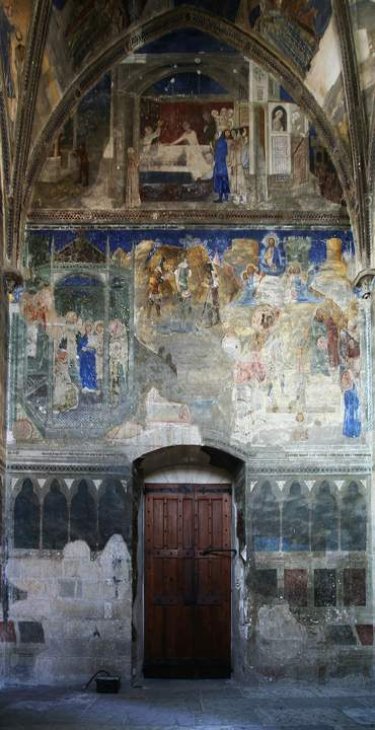
Saint Martial's Chapel is a chapel in the Palace of Popes in Avignon, located on the second floor of the Saint-Jean tower. Its paintings retrace key events in the life of Saint Martial.
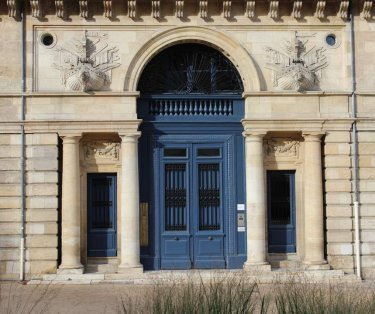
Hôtel Fenwick is a private mansion in Bordeaux, built between 1793 and 1800 by Jean-Baptiste Dufart. It hosted the first United States consulate in the world and was listed as a Historical Monument in 1935.
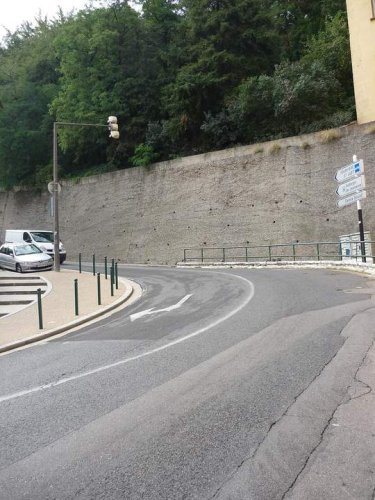
Montée du Chemin-Neuf is a street in the Vieux Lyon district of Lyon. It is one of the two main communication routes between Saint-Jean and Saint-Just, with a 69-meter elevation difference and a steep slope.
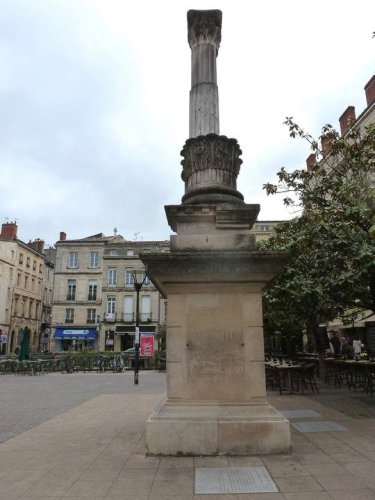
Place Camille Jullian is a square opened in 1934 in the dense urban fabric of the city center. It occupies the space left vacant after the demolition of an unhealthy block and was later studied, renovated, and adapted.
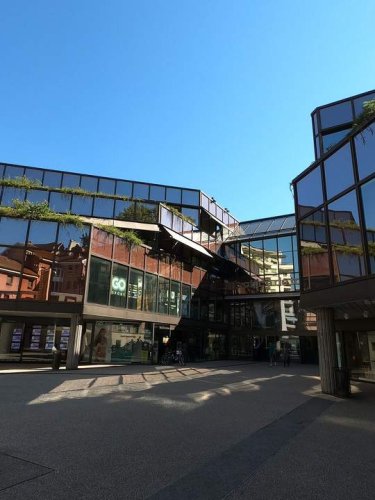
Centre culturel de Bonlieu is a performing arts center and theatre building in Annecy. Completed in 1981, it was built on the site of the former Bonlieu Cistercian convent and now houses performance spaces, the municipal library, and other public facilities.
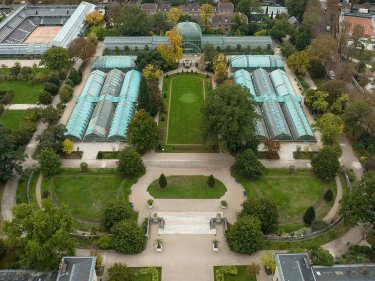
Jardin des serres d’Auteuil is a public botanical garden at the edge of the Bois de Boulogne in Paris. Redesign in the late 19th century brought cast-iron greenhouses, a fountain by Jules Dalou, and mascarons by Auguste Rodin.
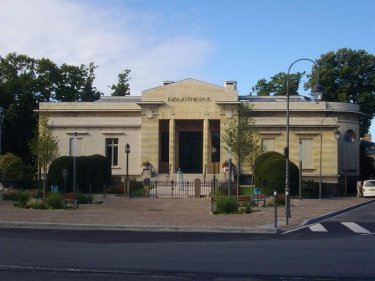
The Carnegie Library of Reims is a municipal library in Reims, created after wartime destruction with support from the Carnegie Endowment. It is noted for its functional layout, distinct public and work areas, and classical entrance.
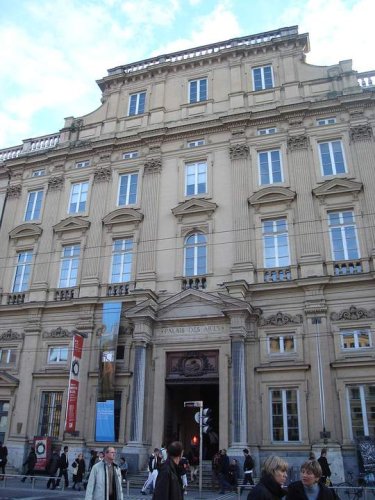
Palais Saint-Pierre, also known as the abbaye de Saint-Pierre-les-Nonnains de Lyon and abbaye des Dames de Saint-Pierre, is an ancient Catholic religious building in Lyon. Rebuilt in the 17th century, it was closed during the French Revolution and now houses the Musée des Beaux-Arts de Lyon.
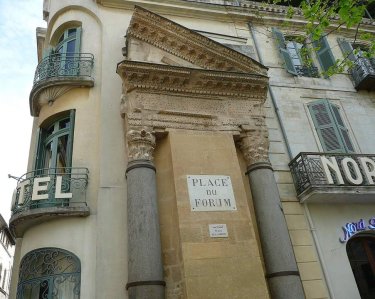
The Forum of Arles was an ancient Roman forum located at the intersection of the cardo maximus and decumanus. It consisted of a large paved square, originally framed by four monumental porticos, of which only two fragments survive.
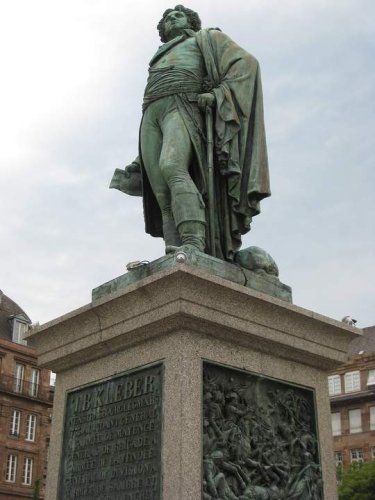
The Statue of Jean-Baptiste Kléber is a historical monument on Place Kléber in Strasbourg, Bas-Rhin, France. A bronze statue of the general stands above his vault, with plaques on the mausoleum recording battles, a short biography, and an epitaph.
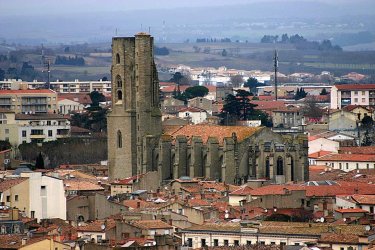
Église Saint-Vincent de Carcassonne is a church building in the new borough of Carcassonne. It was rebuilt in stages from the 14th century, later damaged, transformed for industrial use during the Revolution, and restored in the 19th and 21st centuries.
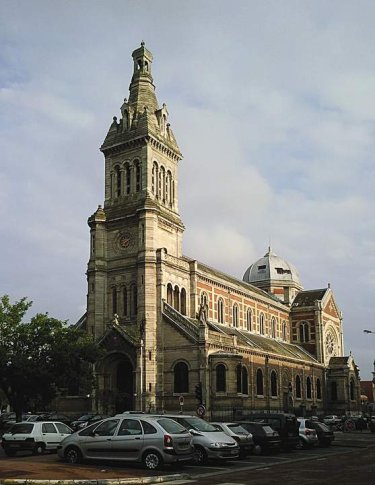
Saint-Michel Church in Lille is a church building constructed between 1869 and 1874 during the Second Empire. It is in the Romano-Byzantine style, with limestone and brick construction, and includes decorated choir and nave spaces.
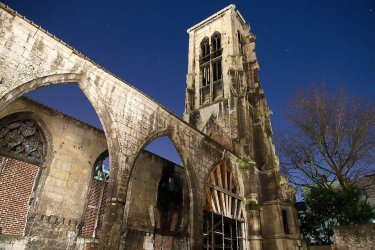
Église Saint-Pierre-du-Châtel is the remains of a former Catholic church in Rouen, Seine-Maritime, Normandy. Severely damaged in 1944, it is listed as a historic monument and preserves notable 16th-century elements.
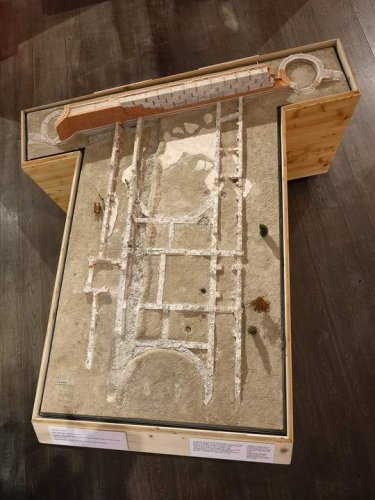
An ancient palace in Toulouse from the Visigothic Kingdom period, active between 418 and 507. It was destroyed after the Frankish conquest and later identified through excavations on the former Larrey hospital site.
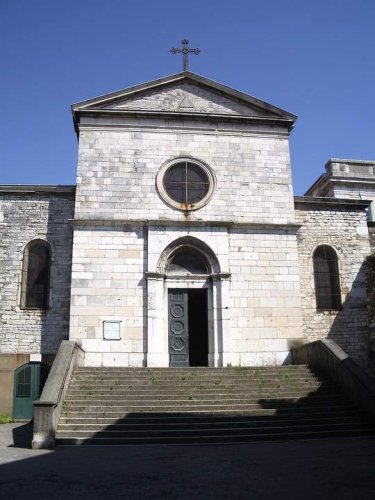
Saint Irenaeus Church stands in the Saint-Irénée district on the heights of Lyon. Its lower part is among the oldest in France, and its crypt dates from the Carolingian era. The church was rebuilt and completed in 1830.
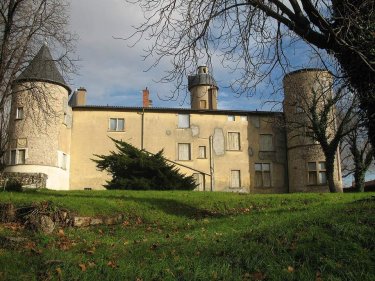
Château de La Motte is a historic castle in Lyon, on the left bank in the Rhône department. It stands on a small motte castrale near the old eastern and southern roads, at the border between Dauphiné and Lyonnais.
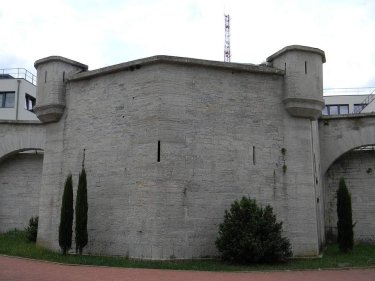
Montluc Fort is a fortress in Lyon, originally called Fort de Villeurbanne. Built between 1831 and 1835, it was later altered in the 1870s and 1880s and again in the 21st century. It now houses the police headquarters of Lyon.
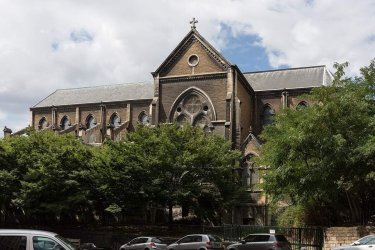
Église Saint-Bernard de Lyon is a church building on montée Saint-Sébastien. Consecrated in an unspecified year, it was later closed, desacralized in 1999, and has been totally closed since March 2004.
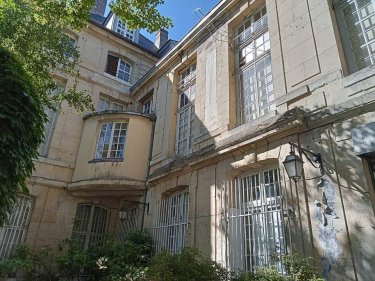
The Musée Flaubert in Rouen is the Flaubert and History of Medicine museum, located in Gustave Flaubert’s birthplace in the former Hôtel-Dieu. It holds the labels Musée de France and Maisons des Illustres.
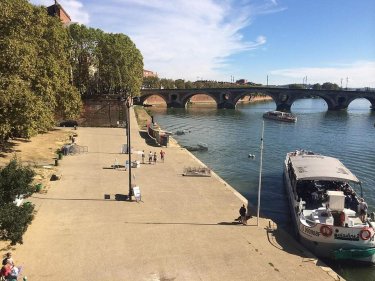
Quai de la Daurade is a riverfront street in Toulouse, in the Capitole district. It runs along the Garonne near the former prieuré de la Daurade and basilique Notre-Dame-de-la-Daurade, linking place du Pont-Neuf with place de la Daurade.
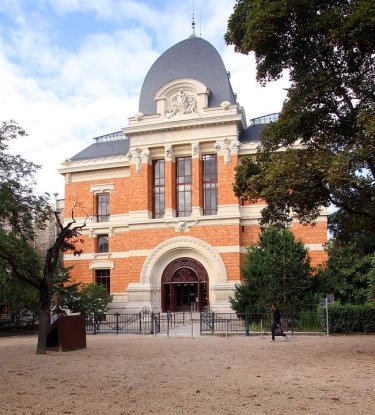
The Galerie de Paléontologie et d'Anatomie comparée is a gallery of the National Museum of Natural History in Paris. It stands east of the Jardin des Plantes, at the beginning of Rue Buffon, in a building designed by Ferdinand Dutert.
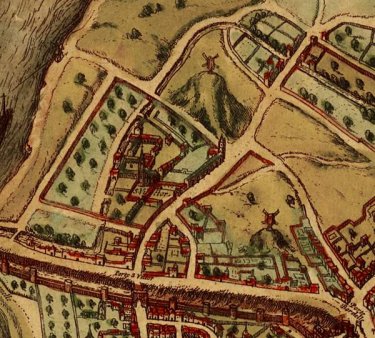
Abbey of St. Victor was a Paris abbey of regular canons founded by Guillaume de Champeaux. It became an important center of medieval theology and philosophy before being suppressed in 1790 and demolished in 1811.
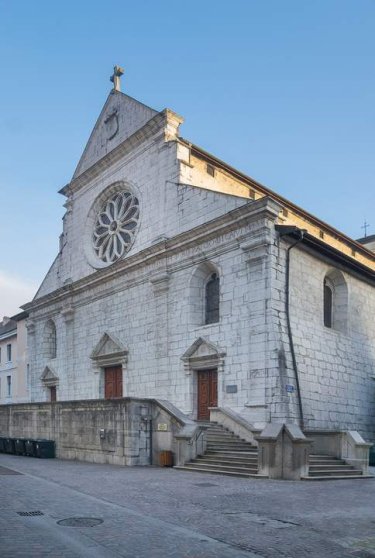
St. Peter’s Cathedral is the main Catholic place of worship in Annecy, Haute-Savoie, and the seat of the diocese of Annecy. It has been a historic monument of France since 1906.