Period

Renaissance Public Art

67 objects · Page 1 of 2

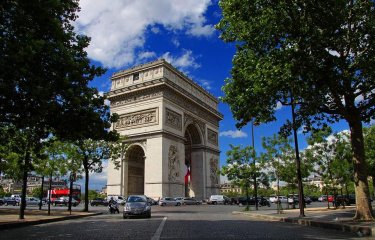
Avenue des Champs-Élysées

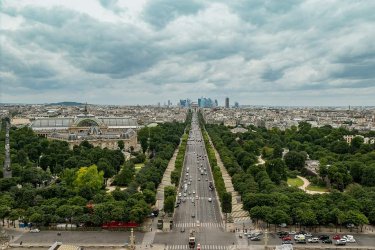
Avenue des Champs-Élysées is one of the widest and most famous avenues in Paris. Running through the 8th arrondissement, it links Place de la Concorde and Place Charles-de-Gaulle and includes the obelisk and the Arc de Triomphe.
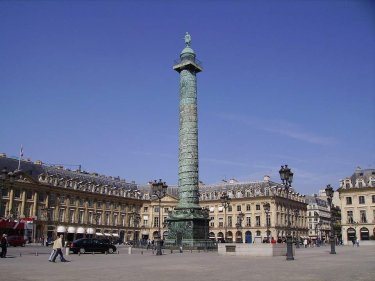
Place Vendôme

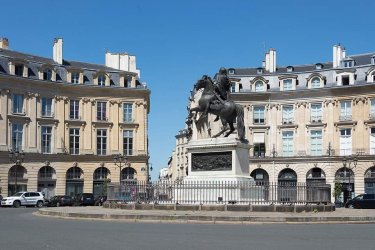
Place Vendôme is a public square in the 1st arrondissement of Paris. It has an octagonal aspect, regular architecture by Jules Hardouin-Mansart, and pedimented corner screens. The square is also the starting point of the Rue de la Paix.

Place des Vosges

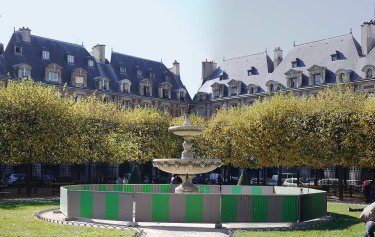
Place des Vosges is a square in Paris’s Marais district, in the 3rd and 4th arrondissements. Designed by Louis Métezeau, it is the oldest square in Paris and is classified as a historic monument.

Tuileries Garden

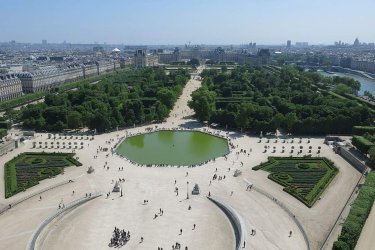
Tuileries Garden, or Jardin des Tuileries, is a French garden in the 1st arrondissement of Paris, between the Louvre Museum and Place de la Concorde. Created in 1564 for the Tuileries Palace, it opened to the public in 1667 and later became a public park.
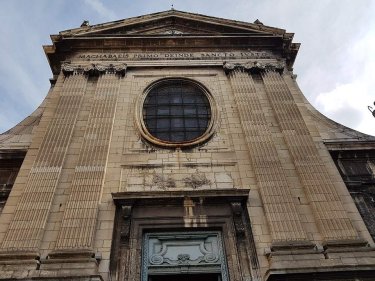
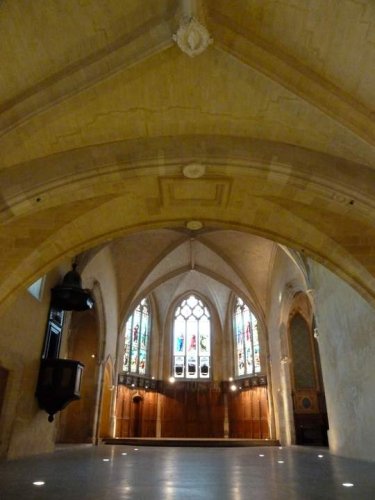
Church of Saint-Sulpice

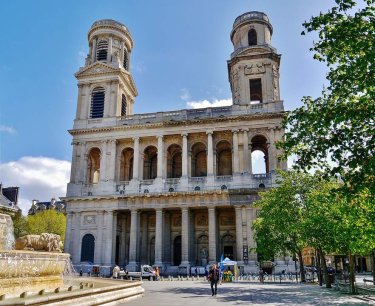
The Church of Saint-Sulpice is a large church in Paris’s Odéon district. Dedicated to Sulpicio Pío, it is one of the city’s biggest churches and the second longest after Notre Dame Cathedral. It is known for its artworks, façade, and solar meridian.

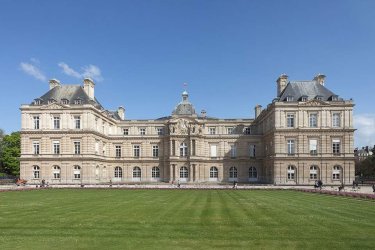
Luxembourg Palace

Luxembourg Palace, or Palais du Luxembourg, is a palace in the northern part of the Jardin du Luxembourg in Paris. Built at the beginning of the 17th century for Marie de Médicis, it has housed the French Senate since 1799.

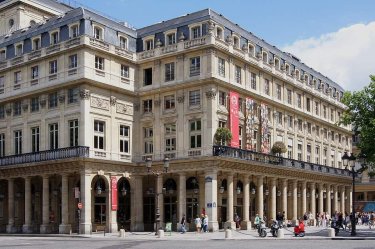
Comédie-Française

The Comédie-Française is a French cultural institution founded in 1680 and based in the Salle Richelieu at the Palais-Royal in Paris. It is the only national theater in France with a permanent troupe of actors, the Troupe des Comédiens-Français.

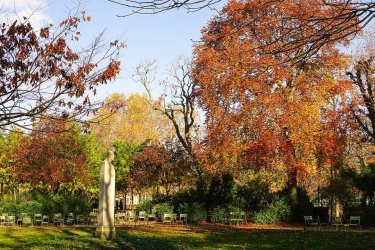
Jardin du Luxembourg

Jardin du Luxembourg is a public garden in the 6th arrondissement of Paris. Created in 1612 for Marie de Médicis beside the Luxembourg Palace, it includes flower beds and sculptures and covers 25 hectares, 23 of them open to the public.

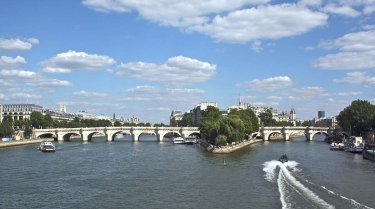
Pont Neuf

Pont Neuf is the oldest existing bridge in Paris and the first stone bridge to cross the Seine entirely. It crosses the river at the western tip of the Île de la Cité and is known for being an uncovered bridge with sidewalks for pedestrians.

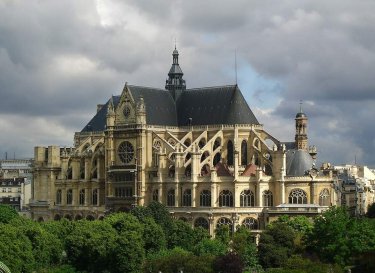
Church of Saint-Eustache

The Church of Saint-Eustache is a parish Catholic church at 146 rue Rambuteau in Paris’s 1st arrondissement, in the heart of Les Halles. Dedicated to Saint Eustache, it is the third largest church in Paris after Notre-Dame and Saint-Sulpice.

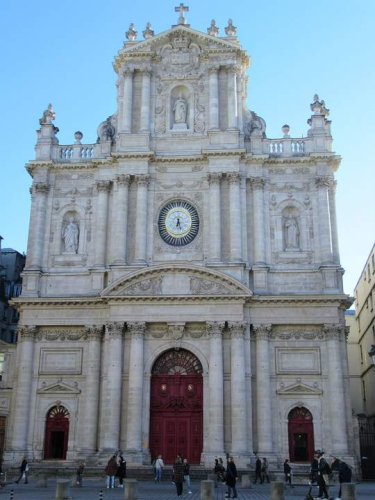
Église Saint-Paul-Saint-Louis

Église Saint-Paul-Saint-Louis is a church on rue Saint-Antoine in the Marais quarter of Paris. Built between 1627 and 1641 for Louis XIII, it was the first church in Paris to use Jesuit Baroque style instead of Gothic and influenced later religious architecture.

Avenue Montaigne

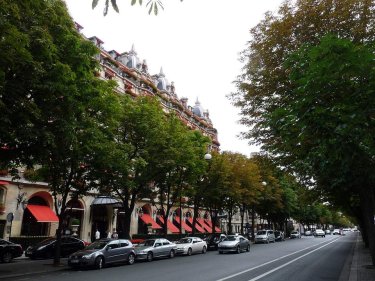
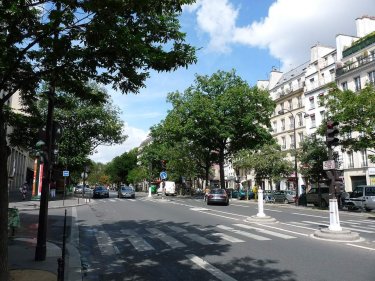
Avenue Montaigne is a 615-meter avenue in Paris, running from Place de l’Alma to the rond-point des Champs-Élysées. It marks the southern edge of the triangle d’or and is served by metro stations Alma - Marceau and Franklin D. Roosevelt.

Picpus Cemetery

Picpus Cemetery is the largest private cemetery in Paris, located in the 12th arrondissement. Created from confiscated convent land during the French Revolution, it contains the graves of 1,306 victims executed in 1794 and the tomb of Marquis de Lafayette.

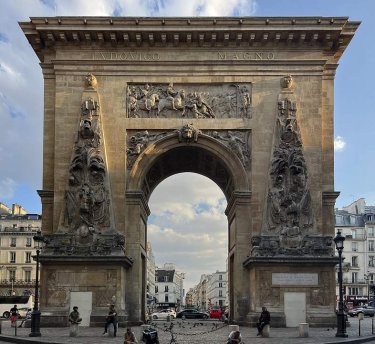
Porte Saint-Denis

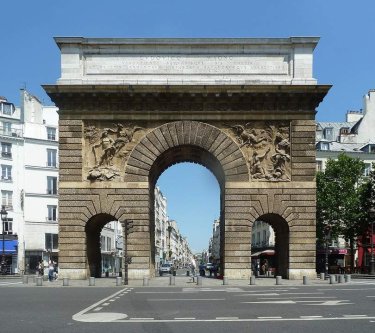
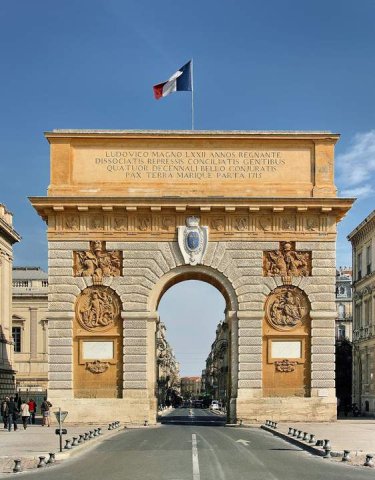
Porte Saint-Denis is a triumphal arch in Paris, built in 1673 by François Blondel to honor Louis XIV. It stands at the site of a former gate of Charles V’s enclosure and is a representative monument of the official art of its era.

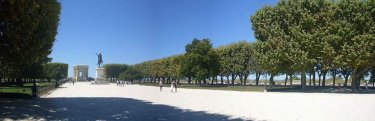
Promenade of Peyrou

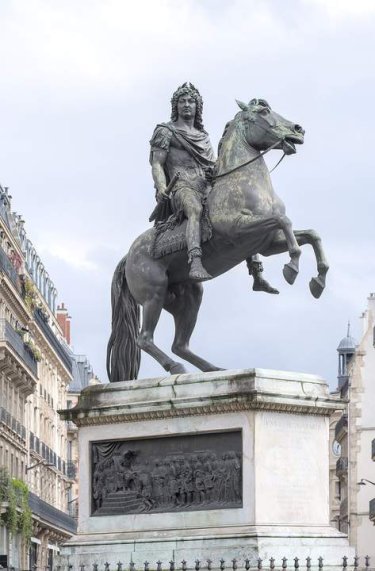
The Promenade of Peyrou is a historic esplanade and square in the west of Montpellier’s Écusson district. Classified as a historical monument, it includes terraces, the Peyrou Gate, an equestrian statue of Louis XIV, an aqueduct, and later additions.

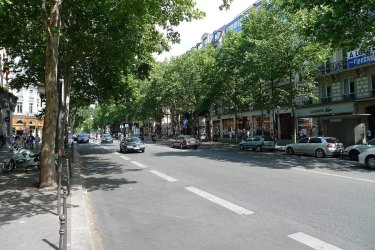
Boulevard des Capucines

Boulevard des Capucines is a boulevard in Paris and one of the Grands Boulevards. It was created through the former line of the Wall of Charles V and the Louis XIII Wall and was once called Rue Basse-du-Rempart.

Église du Val-de-Grâce

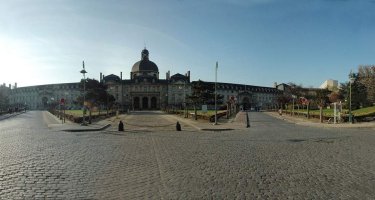
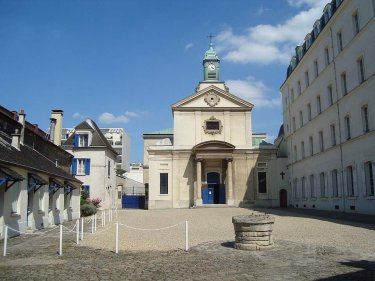
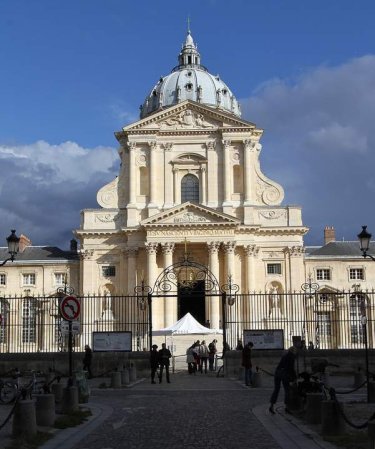
Église du Val-de-Grâce is a Roman Catholic church in Paris’s 5th arrondissement. Built as part of a royal abbey begun under Anne of Austria, it was later turned into a hospital during the French Revolution. Its dome is a landmark in the Paris skyline.

Nice Cathedral

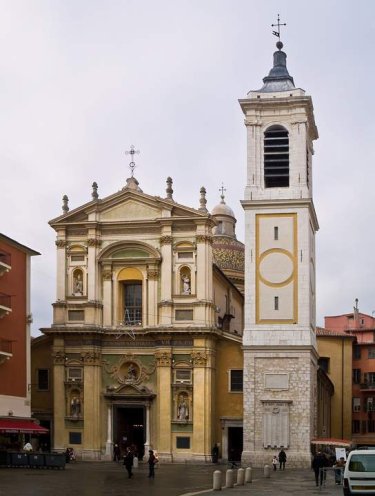
Nice Cathedral is the main Catholic place of worship in Nice, in the Alpes-Maritimes department. Located at Place Rossetti in the historic center, it was built in Baroque style in the 17th century and designated a minor basilica in 1949.

Petit Luxembourg

Petit Luxembourg is a private mansion in the 6th arrondissement of Paris, west of the Palais du Luxembourg on Rue de Vaugirard. It has served as the residence of the President of the French Senate since 1825.

Couvent des Jacobins

The Couvent des Jacobins de la rue Saint-Honoré was a destroyed convent in Paris connected with the Dominicans, known in France as Jacobins. The community was confirmed by Pope Honorius in 1216 and later became associated with major convents, schools, and burial sites.

Hôtel de Condé

Hôtel de Condé was a former hôtel particulier in Paris, located in the 6th arrondissement near the present Théâtre de l’Odéon. It occupied a large triangular site and was destroyed at the end of the 18th century.

Saint George Palace

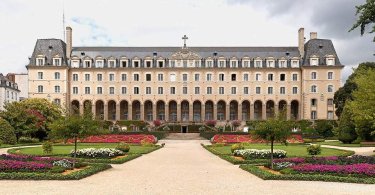
Saint George Palace is a historic building in Rennes, formerly an abbey residence built in 1670 on the site of an older abbey building. It stands in the Thabor-Saint Hélier quarter and has been listed as a monument historique since 1930.

Notre-Dame-de-l'Assomption Church

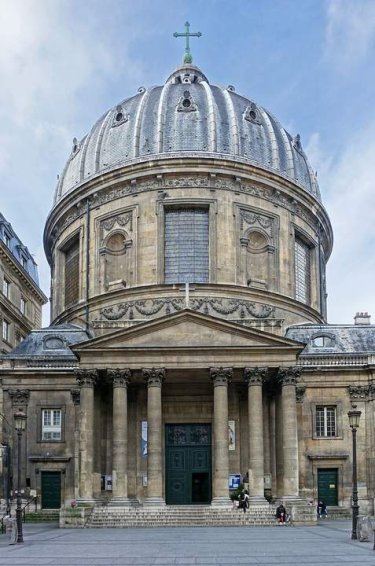
Notre-Dame-de-l'Assomption is a Polish Catholic place of worship in Paris, located at place Maurice-Barrès, at the corner of rue Saint-Honoré and rue Cambon. Built between 1670 and 1676, it depends on a convent founded in 1622 and later changed status several times.

Place du Carrousel

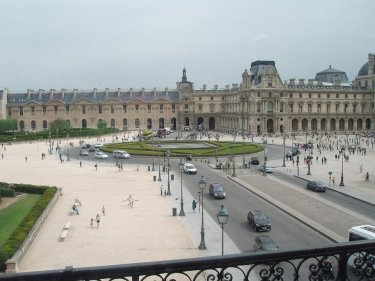
Place du Carrousel is a public square in District I of Paris, located at the open end of the Louvre Palace courtyard. It stands between the museum and the Tuileries Garden and marks the garden’s eastern end.

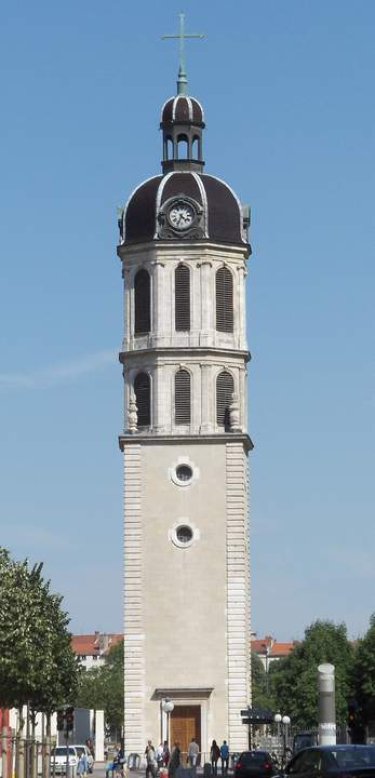
Church of Saint-Just

The Church of Saint-Just is a religious building in Lyon’s 5th arrondissement, on the right bank of the Saône. It stands near the original Saint-Just site and holds the status of a collégiale, reflecting its dual dedications.

Tomb of Francis II

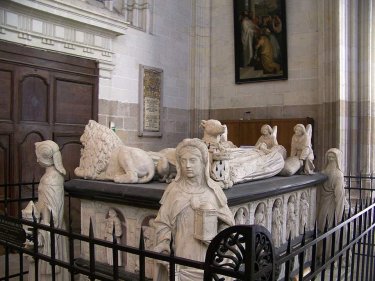
The Tomb of Francis II is a funerary monument in Nantes Cathedral for François II, Duke of Brittany, and his wife Marguerite de Foix. Made in the early 16th century, it is regarded as a major work of French Renaissance sculpture.

Sainte-Anne Church

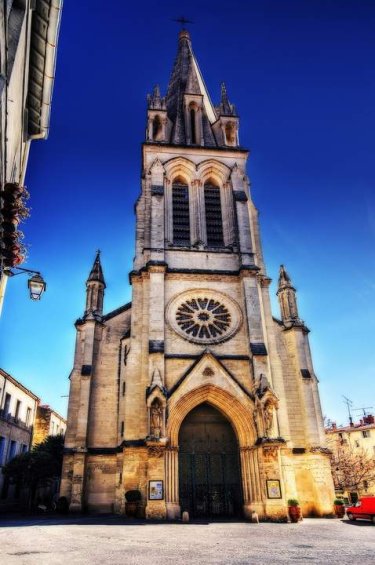
Sainte-Anne Church is an ancient parish church in Montpellier, France. Built in the 15th century, it was destroyed and rebuilt several times before being deconsecrated and turned into the cultural venue Carré Sainte-Anne.

Hôtel Richer de Belleval

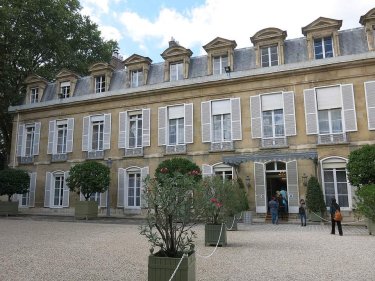
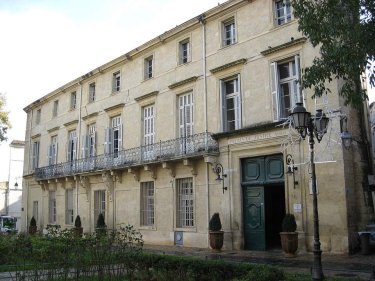
L’Hôtel Richer de Belleval, also known as hôtel de Belleval and hôtel de Boulhaco, is a private mansion on Place de la Canourgue in Montpellier. Registered as a historic monument, it reopened after major rehabilitation and now includes a hotel, restaurant, and contemporary art foundation.

Chapelle de la Trinité

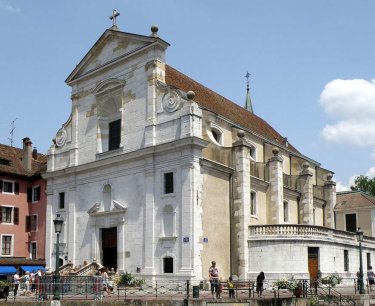
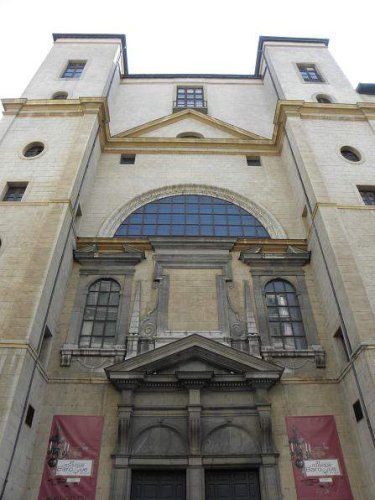
The Chapelle de la Trinité is a baroque chapel in Lyon built by the Jesuits at the beginning of the 17th century. It belonged to the collège de la Trinité and later became a deconsecrated church used as a concert hall.

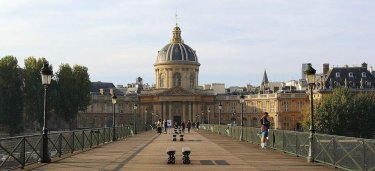
Cabinet des médailles

The BnF Museum, also known as the Cabinet des médailles and Cabinet du roi, preserves numismatic and antiquities collections of the Bibliothèque nationale de France. It is one of the oldest French museums and is located in Paris.