City

Public Art in Lyon

207 objects · Page 1 of 5

Place Jean-Jaurès

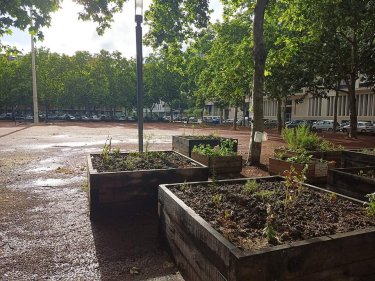
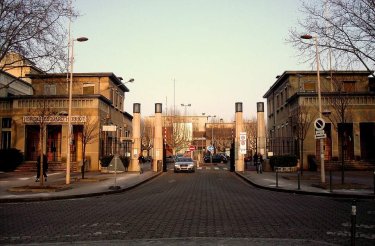
Place Jean-Jaurès is a square bordered by avenue Jean-Jaurès to the west and rue de Gerland to the east. Buildings and the public primary school François-Auguste-Ravier line its south side, while a street connects the two roads to the north.
Notre-Dame de Fourvière

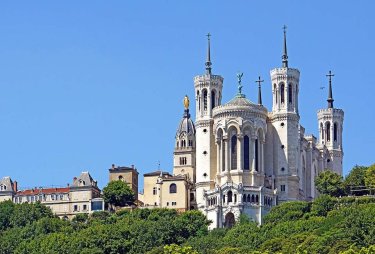
The Basilica of Notre-Dame de Fourvière overlooks Lyon from the summit of Fourvière hill. Built from 1872 in neo-Byzantine style, it is a major symbol of the city and part of a complex that includes a chapel, statue, esplanade, and garden.

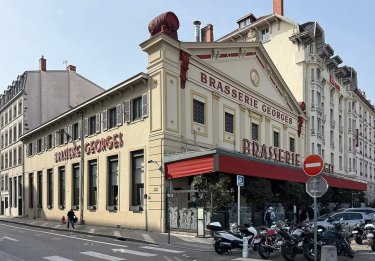
Brasserie Georges

Brasserie Georges is a brewery and restaurant in Lyon, founded in 1836 by brewer Georges Hoffherr. Its dining room was redecorated in 1924 in Art Deco style, and the site is known for its historic interior and large service capacity.

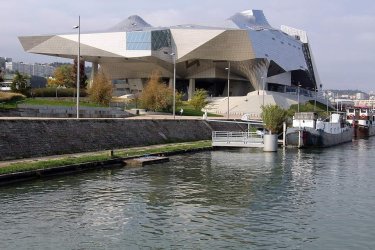
Musée des Confluences

Musée des Confluences is a natural history and societies museum in Lyon, France, located at the confluence of the Rhône and Saône rivers. It opened on 20 December 2014 as the successor to the Musée Guimet de Lyon.

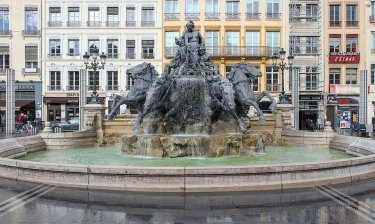
Fontaine Bartholdi

Fontaine Bartholdi is a fountain and sculpture at Place des Terreaux in central Lyon, France. Created by Frédéric Auguste Bartholdi, it was inaugurated in 1892 under the name Char triomphal de la Garonne.

Lyon 25

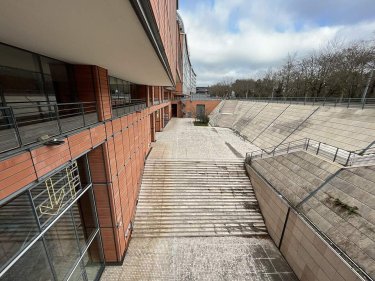
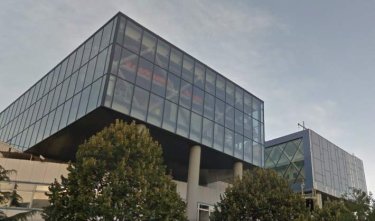
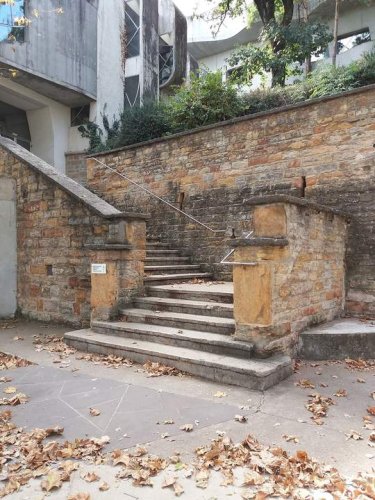
Lyon 25 is a staircase associated with the Palais des congrès de Lyon in Cité Internationale, Lyon. It gained notoriety in 2002 after being used for the video Sorry by Ali Boulala, and later became known through a 2014 attempt by Aaron "Jaws" Homoki.

ENSATT

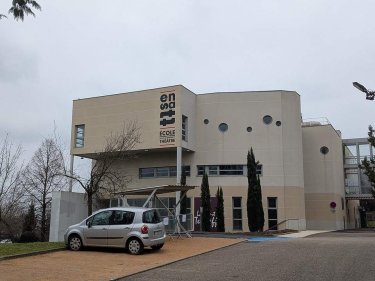
The National School of Arts and Techniques of Theater, or ENSATT, is one of France’s twelve national theatre schools. Founded in Paris in 1941, it later moved to Lyon in 1997 and operates as a public institution under the Ministry of Higher Education and Research.
Musée d'histoire naturelle - Guimet

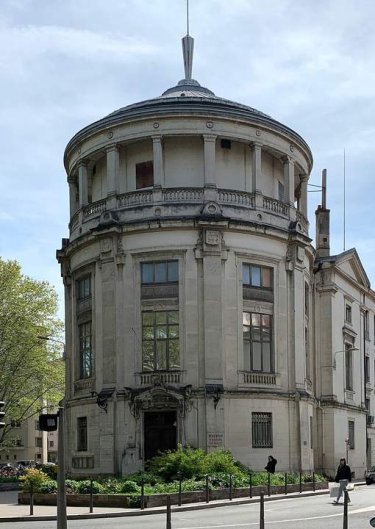
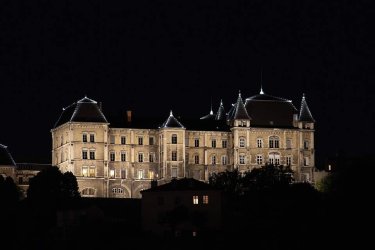
The Musée d'histoire naturelle - Guimet was a former French natural history museum in Lyon, located at 28 boulevard des Belges near Parc de la Tête-d'Or. It closed and its collections were later transferred to the musée des Confluences.
Hôtel-Dieu de Lyon

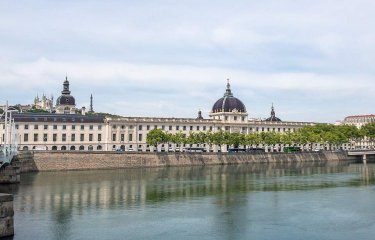
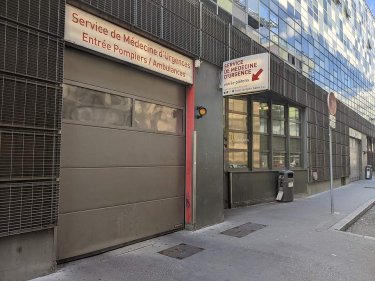
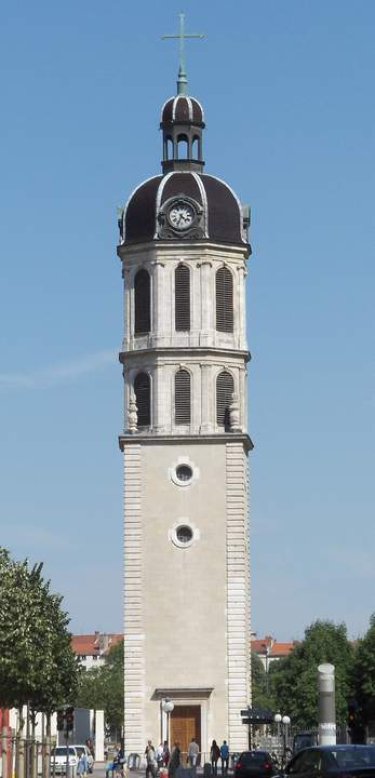
Hôtel-Dieu de Lyon is a historic building complex on the peninsula of Lyon, on the west bank of the Rhône in the Bellecour district. Formerly a hospital, it has been converted into a mixed-use site.

Stade de Gerland

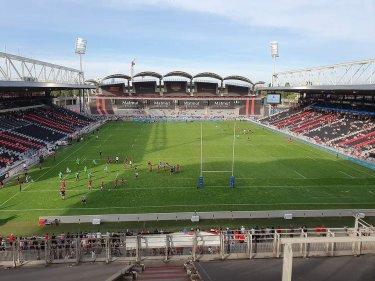
Stade de Gerland, publicly named Matmut Stadium Gerland, is a multi-purpose sports venue in Lyon’s Gerland district. It is the second largest sports arena in the Lyon metropolitan area, has a seating capacity of 25,000, and is registered as a historical monument.

Lyon Cathedral

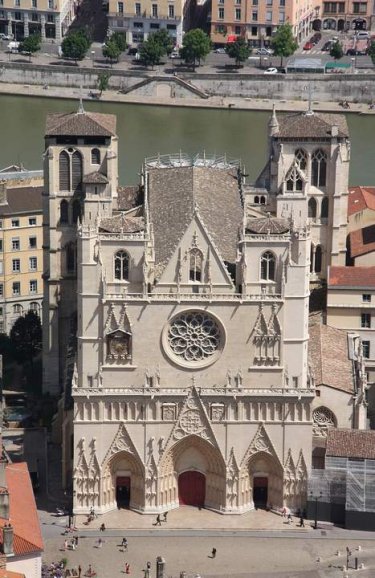
Lyon Cathedral is the seat of the archdiocese of Lyon and holds the status of cathedral and primatial church. It stands in the fifth arrondissement of Lyon, in the medieval and Renaissance district of Vieux Lyon.

Bahadourian

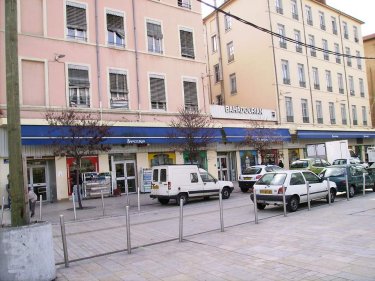
Bahadourian is a network of fine grocery stores in Lyon specializing in exotic products. Its history begins with Djebraïl Bahadourian, an Armenian merchant who opened a small grocery store in the Guillotière district.

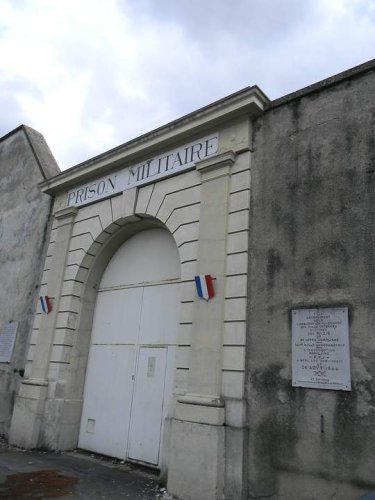
Montluc prison

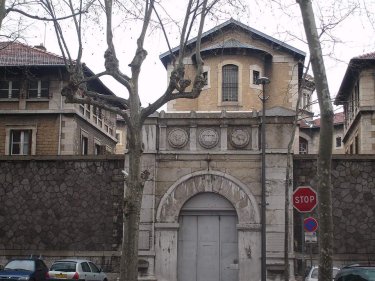
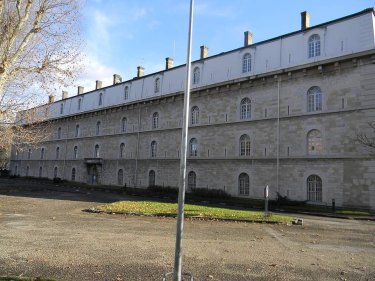
Montluc prison is located at 4, rue Jeanne-Hachette in Lyon. Built in 1921 as a military prison on the glacis of fort Montluc, it later became known for its role as a detention place during World War II.

CinéFabrique

CinéFabrique is a public higher education institution in Lyon and Marseille that trains students aged 18 and over for cinema and audiovisual professions. Its teaching is practice-based and includes a third alternating year.

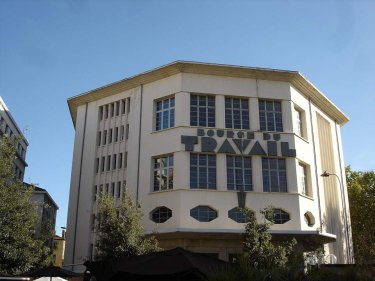
Bourse du Travail

The Bourse du Travail in Lyon is a trades hall and performance venue designed in 1929 by Charles Meysson. Opened in 1934, it now hosts concerts, one-man shows, dance performances, and seminars, while retaining strong links to trade-union activity.

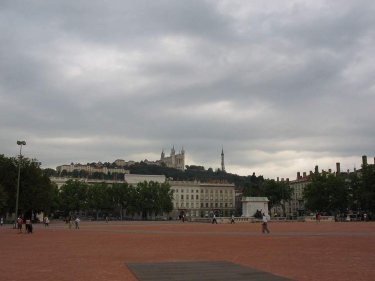
Place Bellecour

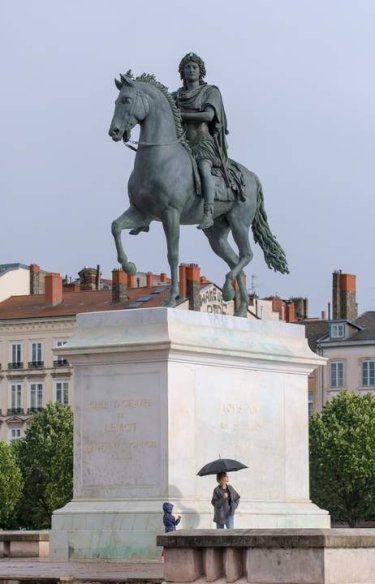
Place Bellecour is a square in Lyon’s 2nd arrondissement and the largest square in the city. It is laid out as a trapezoid, with open areas for events, an equestrian statue at its center, and landscaped sections with trees, fountains, and kiosks.

Place des Terreaux

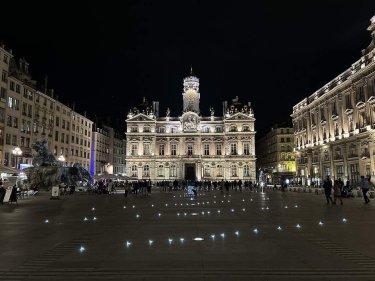
Place des Terreaux is a square in Lyon, France, in the north of the Presqu'île between the Rhône and Saône rivers. It lies at the foot of the Croix-Rousse hill, bordered by the Hôtel de Ville and the Musée des Beaux-Arts.

Parc de la Tête d'Or

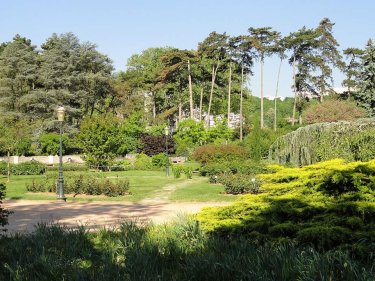
Parc de la Tête d'Or is an urban park in Lyon and one of the largest parks in France. It covers 117 hectares in the city center and includes a botanical garden, with management by the city of Lyon.

Prison Saint-Paul

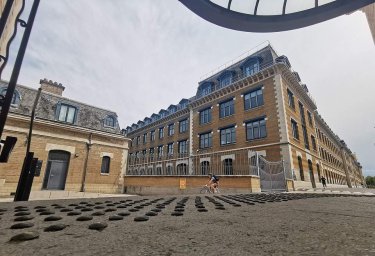
Prison Saint-Paul was a defunct prison in Lyon, part of a pair of prisons built south of Perrache station. It was later converted into a campus for the Catholic University of Lyon and is listed in the General Inventory of Cultural Heritage.

Tour Part-Dieu

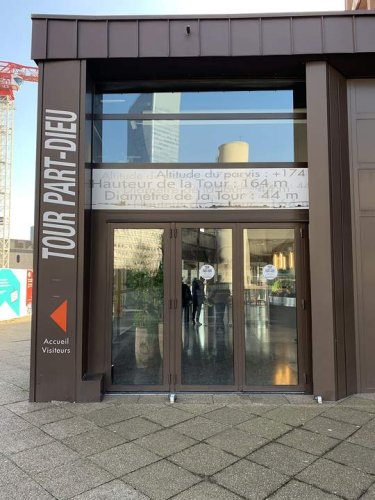
Tour Part-Dieu is an office skyscraper in Lyon’s Part-Dieu business district. Designed by the American firm Araldo Cossutta and built from 1972 to 1977, it rises 165 metres and is known by Lyon inhabitants as “the pencil.”

Halle Tony Garnier

Halle Tony Garnier is an arena and concert hall in Lyon, France. Designed by Tony Garnier in 1905, it was originally a slaughterhouse and was renovated in 1987 before reopening as a concert hall in 1988.

Place des Jacobins

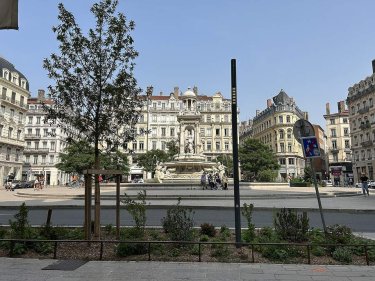
Place des Jacobins is a square in the Bellecour district of Lyon. It was called Place Confort until 1782, then took its present name from the Jacobin religious order, also known as the Dominican Order.

Hôtel Terminus

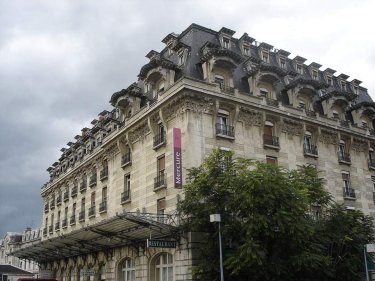
Hôtel Terminus is a hotel on cours de Verdun in Lyon, built in 1905. It was previously known as Château Perrache and is now Le Mercure Lyon Centre Château Perrache, owned by the Accor group.

Hospice Debrousse

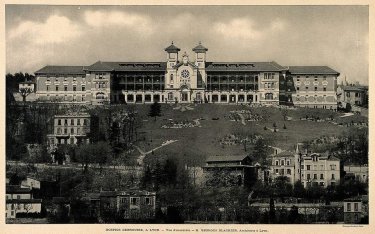
Hospice Debrousse was a former hospital at 29 rue Sœur-Bouvier in Lyon. Specialized in pediatrics, it ended hospital activity in 2007, when pediatric services were regrouped at Hôpital Femme-Mère-Enfant.

Palais Saint-Pierre

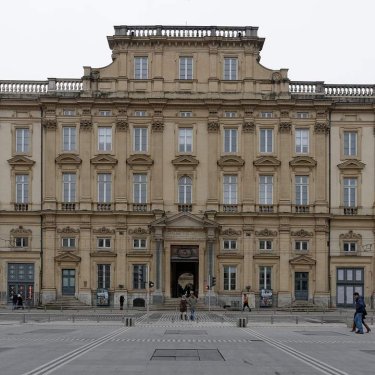
The Museum of Fine Arts of Lyon is a municipal museum on place des Terreaux in Lyon, France, housed in the former abbaye de Saint-Pierre-les-Nonnains. It is more commonly known as palais Saint-Pierre and was formally established during the French Revolution.

P4 Laboratory - Jean Merieux

P4 Laboratory - Jean Merieux is a high-security medical laboratory in Lyon’s Gerland district, on avenue Tony Garnier. Inaugurated in 1999, it is located in the Inserm Cervi tower near the ENS of Lyon premises and was financed by the family of Jean Mérieux.

Sainte-Marie Lyon

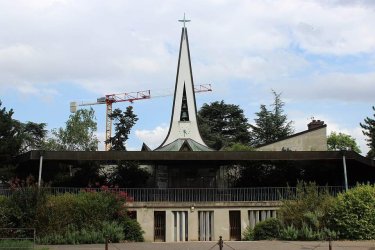
Sainte-Marie Lyon is a coeducational private school under contract. It teaches students from kindergarten to Bac+3 and is spread across five sites, including three in Lyon, one in Meyzieu, and one in the Porte de l’Isère area.

Lycée de Saint-Just

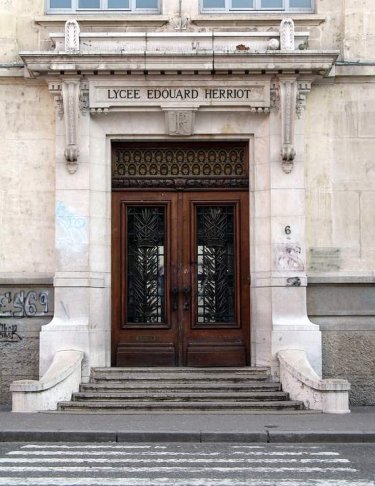
Lycée de Saint-Just is a public high school in Lyon’s Saint-Just district. Overlooking the city from Fourvière hill west of the Saône, its site combines a long architectural history with remains linked to Roman Lugdunum.

Église Saint-Georges

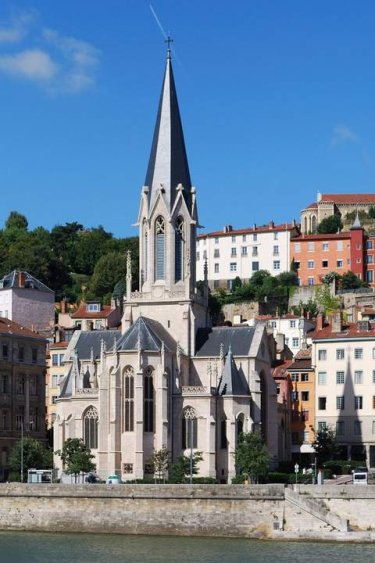
Église Saint-Georges is a Catholic place of worship in the Vieux Lyon neighborhoods. Dedicated to Saint Georges de Lydda, it belongs to the parish of the primatiale Saint-Jean de Lyon. The current building was constructed in neo-Gothic style by Pierre Bossan in 1844–1845.

Opéra Nouvel

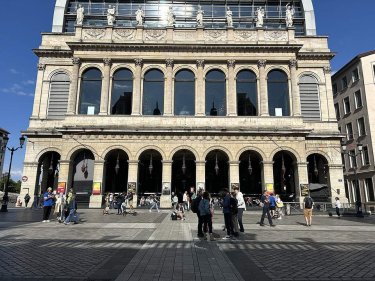
Opéra Nouvel is an opera house in Lyon, France, on Place de la Comédie opposite the city hall. It was built in 1831 as the Grand Théâtre and later restructured and enlarged by Jean Nouvel.

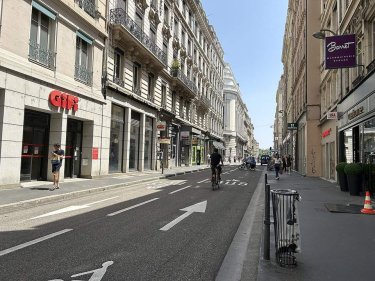
Rue Grenette

Rue Grenette is a historic street in Lyon, first attested in 1193. Named after the halls of the Grenette, it was once connected to Place des Cordeliers and Rue Basse-Grenette.

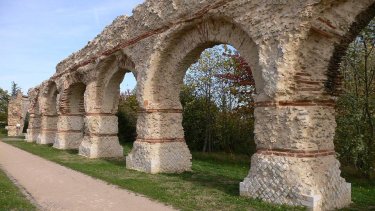
Aqueduct of the Gier

The Aqueduct of the Gier is one of the ancient aqueducts of Lyon, built to supply the city of Lugdunum with water. It is the longest of the four aqueducts and the best preserved among them, with remains protected as historical monuments.

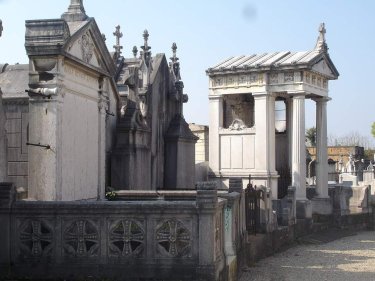
Cimetière de Loyasse

Cimetière de Loyasse is a cemetery in Lyon on the Fourvière hill. Created in 1807, it is the oldest cemetery in Lyon still in use. It includes an old and a new cemetery, separated by Rue du Cardinal-Gerlier.

Lyon astronomical clock

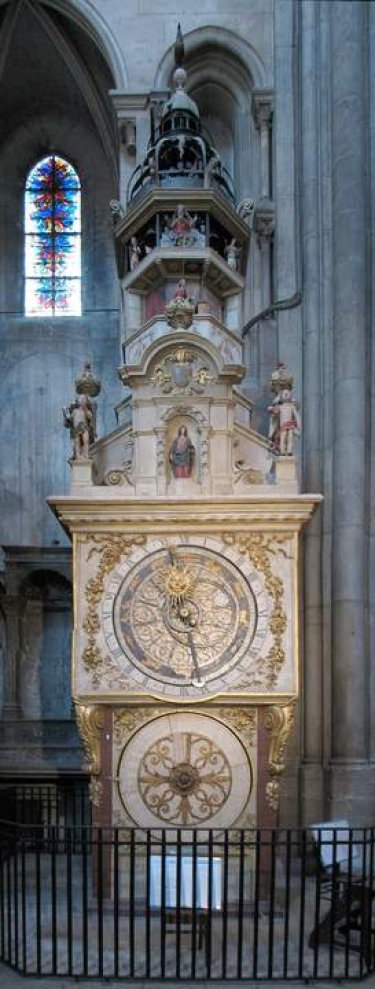
The Lyon astronomical clock is a seventeenth-century astronomical clock located in Lyon Cathedral. It is a tall clock with a central octagonal tower and several automated figures, including angels, the Virgin Mary, and a rotating statue in a western niche.