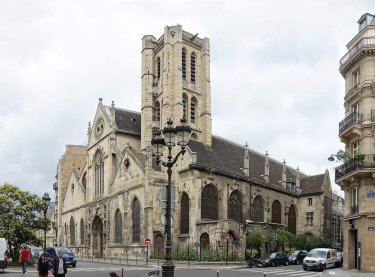
Saint-Nicolas-des-Champs

Saint-Nicolas-des-Champs is a Catholic church in Paris, on rue Saint-Martin and served by the Réaumur - Sébastopol and Arts et Métiers metro stations. Its construction lasted from 1420 to 1620 in five stages, and its final style is mainly Flamboyant Gothic.
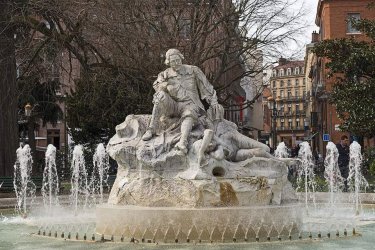
Wilson Square

Wilson Square, also called Wilson, is a public place in Toulouse, in the heart of the Saint-Georges district. It extends the allées Jean-Jaurès and is known for its cafés, cinemas, and student nightlife.
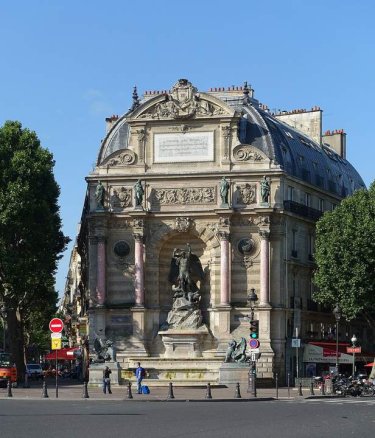
Fontaine Saint-Michel

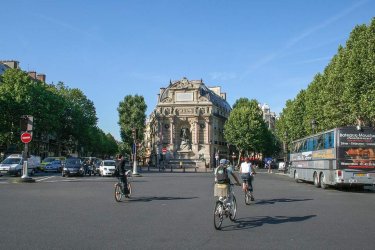
Fontaine Saint-Michel is a monumental fountain on Place Saint-Michel in Paris’s 5th arrondissement. Designed by Gabriel Davioud and built from 1858 to 1860, it was part of Haussmann’s renovation of the city and has been listed as a monument historique since 1926.

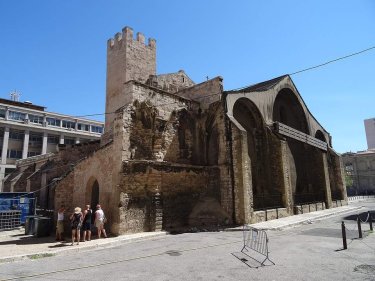
Vieille Major

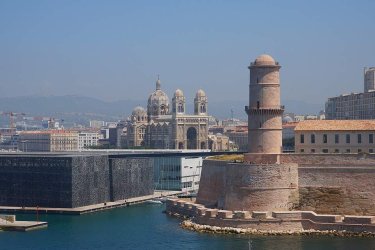
Vieille Major is a former Catholic cathedral in Marseille. Its history is tied to the earliest Christian community in the city, with a first cathedral likely built in the early 5th century. The present building was rebuilt in the 11th and 12th centuries.

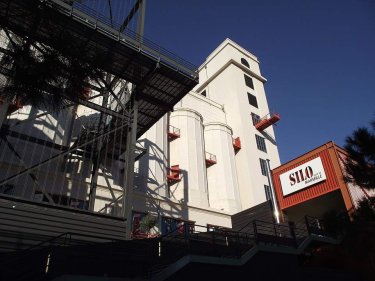
Le Silo

Le Silo, also known as CEPAC Silo, is a performance hall in Marseille’s Arenc district. Opened in 2011, it occupies a former industrial grain silo that was converted as part of the Euroméditerranée project.

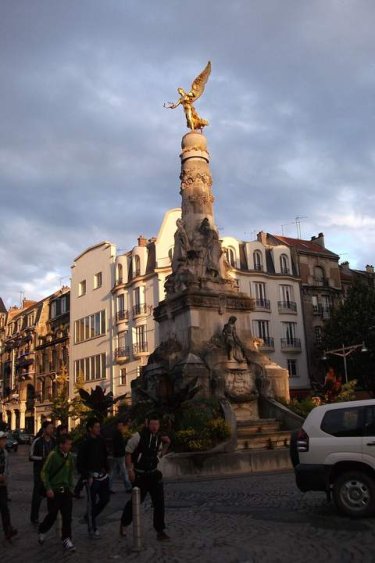
Fontaine Subé

Fontaine Subé is a fountain on Place Drouet-d'Erlon in central Reims. It replaced the statue of Drouet d'Erlon and features a 17-meter vine-garlanded column with civic and symbolic figures.

Théâtre des Bouffes-Parisiens

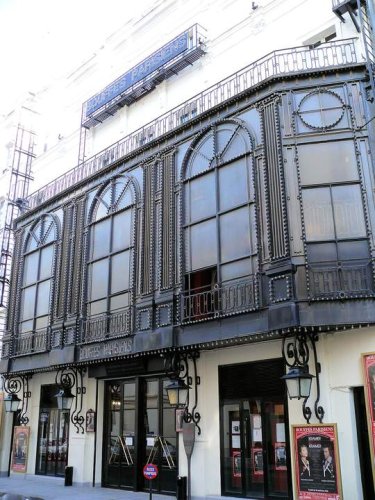
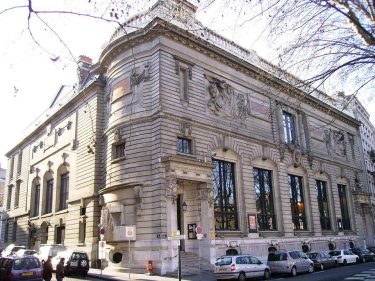
Théâtre des Bouffes-Parisiens is a Parisian theatre founded in 1855 by composer Jacques Offenbach for opéra bouffe and operetta. Located in the 2nd arrondissement, it later expanded its repertory to include comedies and remains active with regular stage productions.

Palais Rihour

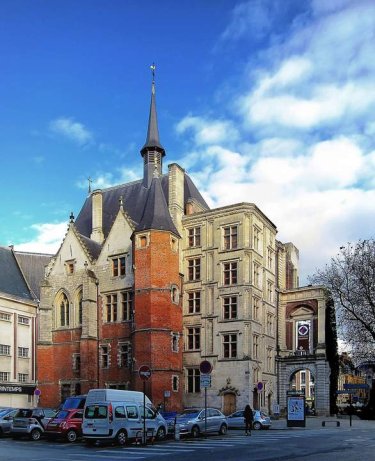
Palais Rihour is a remaining part of a 15th-century palace in Lille, France, built by the Dukes of Valois-Bourgogne. It was classified as a historical monument in 1875, and its guard room now houses the city’s tourist office.

Place Saint-Michel

Place Saint-Michel is a square in Paris’s Latin Quarter, on the border of the 5th and 6th arrondissements. Created in 1855, it replaced earlier streets and quays and was later the site of fighting in August 1944.

Boulevard de Sébastopol

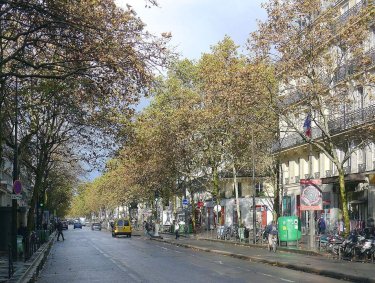
Boulevard de Sébastopol is a 30-metre-wide Paris boulevard running north from Place du Châtelet toward Boulevard de Strasbourg. It carries heavy traffic and includes bus and bike lanes, with shops and restaurants along its route.

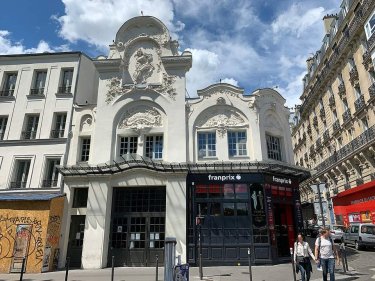
Théâtre Antoine

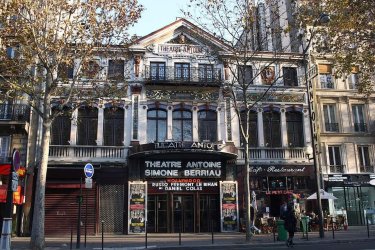
Théâtre Antoine-Simone-Berriau is a Parisian private theater in the 10th arrondissement on Boulevard de Strasbourg. Listed as a Monument historique since 1989, it is named after André Antoine and Simone Berriau, and has a long history of changing names and influential premieres.

Musée Nissim de Camondo

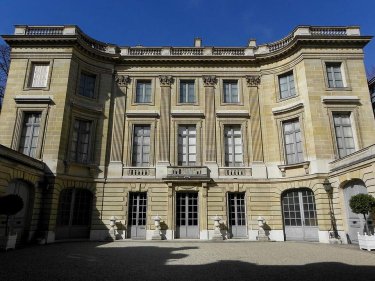
The Musée Nissim de Camondo is an art museum in the hôtel particulier de Moïse de Camondo, near Parc Monceau in Paris’s 8th district. Inaugurated in December 1936, it houses French 18th-century furniture and art objects in a setting preserved as a small palace.

Bobino

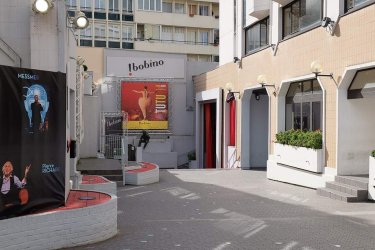
Bobino was a performance hall at 20 rue de la Gaîté in Paris’s Montparnasse district. Established in 1873 as a guinguette, it became a café-concert and later one of the capital’s best-known music halls.

Palais Bondy

Palais Bondy, also known as Le Palais Bondy or Palais de Bondy, is a building at 18 quai de Bondy in Lyon, on the banks of the Saône. It contains concert halls, exhibition rooms and Théâtre Le Guignol de Lyon.

Grand Théâtre d'Angers

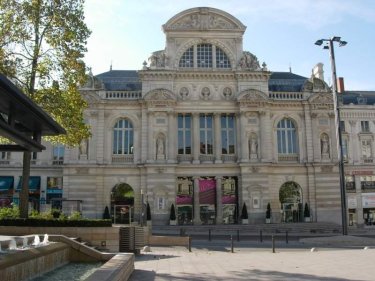
Le Grand Théâtre d'Angers is a municipal theatre in the city centre of Angers, Maine-et-Loire, on Place du Ralliement. It has 723 seats in an Italian-style auditorium and is a main venue for music, theatre, and opera performances.

Lariboisière Hospital

Lariboisière Hospital is an Assistance Publique–Hôpitaux de Paris hospital at 2 rue Ambroise-Paré in Paris. Opened in 1854, it was built in the 19th century in a pavilion style based on hygienist theories and listed as a historical monument in 1975.

Tomb of Philip the Bold

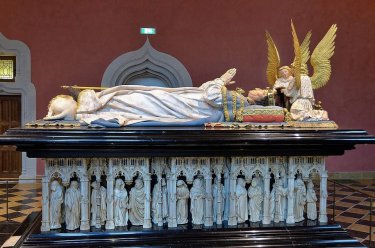
The Tomb of Philip the Bold is a funerary monument commissioned in 1378 for the Duke of Burgundy, who chose the Chartreuse de Champmol near Dijon as his burial site. It is known for its recumbent figure and mourning pleurants.

Grand Théâtre de Bordeaux

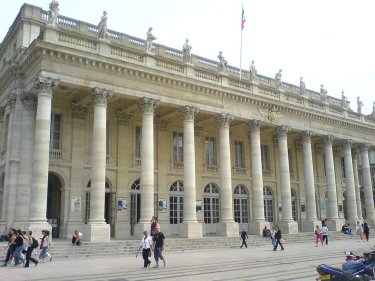
Le Grand Théâtre de Bordeaux is a neo-classical opera house commissioned by Marshal de Richelieu and built by architect Victor Louis. It features a peristyle with 47 columns, an Italian-style performance hall, and an interior restored in blue, gold, and white marble.

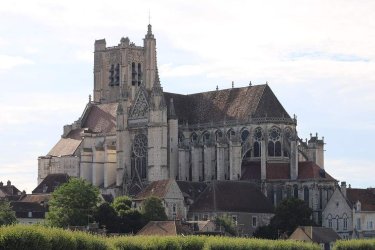
Auxerre Cathedral

Auxerre Cathedral is a French Catholic cathedral in Auxerre, Yonne. Dedicated to Saint Étienne, it is a Gothic monument protected as a historical monument since 1840, with notable portals, a crypt, and 13th-century stained glass.

Élysée Montmartre

Élysée Montmartre is a performance hall at 72 boulevard Marguerite-de-Rochechouart in Montmartre, Paris. Inaugurated in 1807, it has hosted balls, theatre, concerts, and sporting events, and reopened after a fire-related closure in 2011.

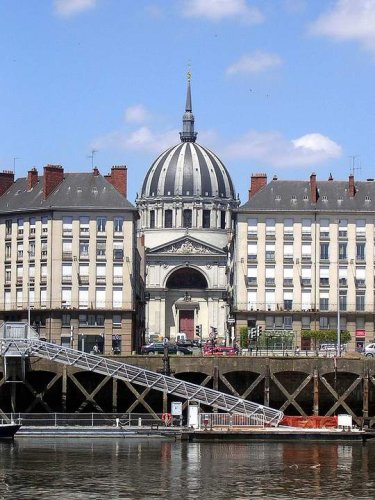
Notre-Dame de Bon-Port

Notre-Dame de Bon-Port, officially Église Notre-Dame-de-Bon-Port and also called Église Saint-Louis, is a religious building in Nantes. Constructed in 1852, it was designed by Saint-Félix Seheult and Joseph-Fleury Chenantais and registered as a historic monument.

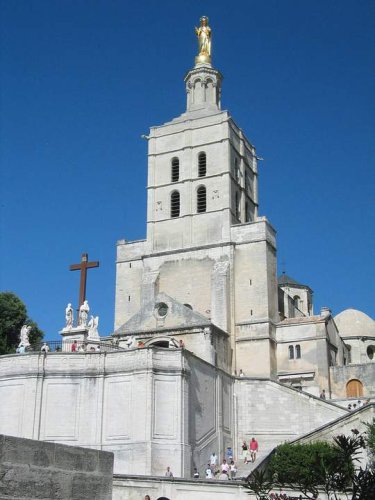
Notre-Dame-des-Doms

Notre-Dame-des-Doms is a Catholic cathedral and minor basilica in Avignon, France. Built in Provençal Romanesque style, it stands on the Rocher des Doms near the Palais des papes and has long shaped the city’s skyline.

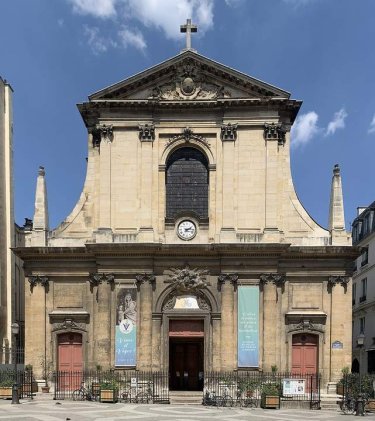
Notre-Dame-des-Victoires

Notre-Dame-des-Victoires is a minor basilica on rue Notre-Dame-des-Victoires in Paris’s 2nd arrondissement. Begun as an abbey church, it was built between 1629 and 1740 in the French classical style and is noted for its ex voto offerings.

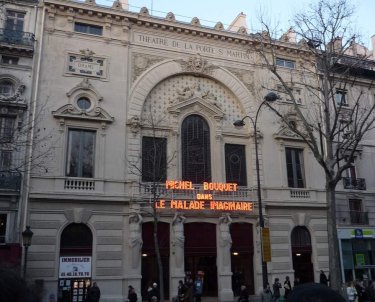
Théâtre de la Porte Saint-Martin

The Théâtre de la Porte Saint-Martin is a Parisian theatre hall at 16 Boulevard Saint-Martin in the 10th arrondissement. Originally built with 1,800 seats, it was among the largest boulevard theatres and has been listed as a historic monument since 1992.

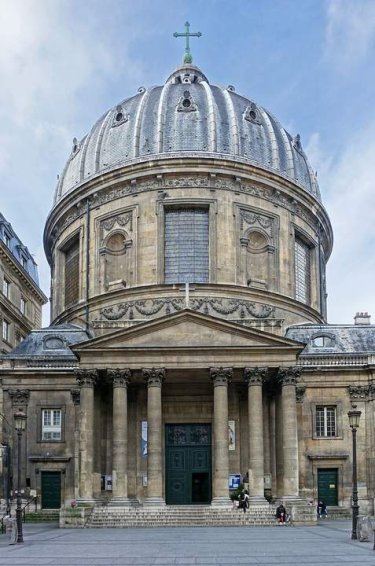
Notre-Dame-de-l'Assomption Church

Notre-Dame-de-l'Assomption is a Polish Catholic place of worship in Paris, located at place Maurice-Barrès, at the corner of rue Saint-Honoré and rue Cambon. Built between 1670 and 1676, it depends on a convent founded in 1622 and later changed status several times.

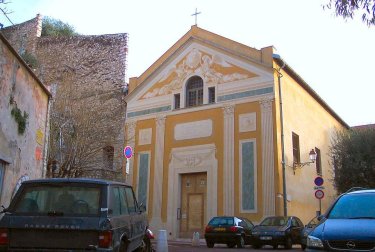
Chapelle de la Visitation Sainte-Claire

The Chapelle de la Visitation Sainte-Claire is a church building in Vieux-Nice on rue Sainte-Claire. It forms part of a complex with the former Visitation Sainte-Claire convent, a washhouse, and a garden, extending toward rue des Serruriers and the Château hill slopes.

La Sucrière

La Sucrière is a former sugar factory in Lyon’s Confluence district, built in the 1930s on the banks of the Saône. It is one of the few historical buildings remaining there and now serves as a venue for exhibitions and events.

Musée Saint-Raymond

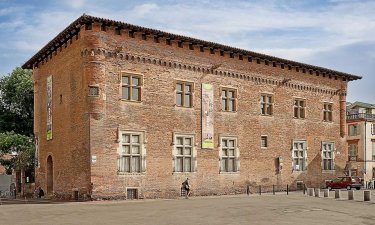
Musée Saint-Raymond is the archaeological museum of Toulouse, opened in 1892 and housed in the former Saint-Raymond university college near Basilique Saint-Sernin. It preserves collections from protohistory to the Early Middle Ages.

Zénith Sud

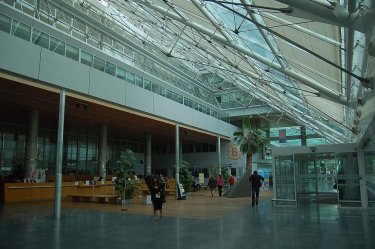
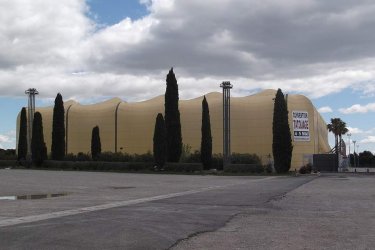
Zénith Sud is a performance hall in Montpellier, built by Chaix & Morel et associés as a Zénith venue. Inaugurated in 1986, it was the first Zénith type performance hall constructed outside Paris and can accommodate spectators.

Fort du Hâ

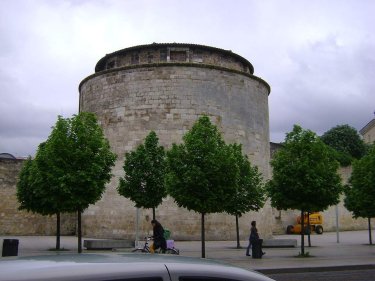
Fort du Hâ in Bordeaux was built by order of King Charles VII immediately after 1453. The fortress played a role in the control of the city and later served as a royal residence and military site. Its remaining towers are listed as historical monuments.

Musée Bourdelle

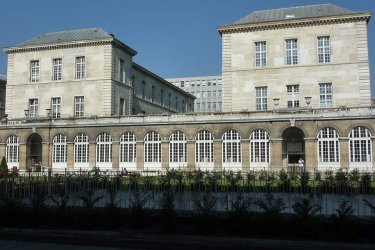
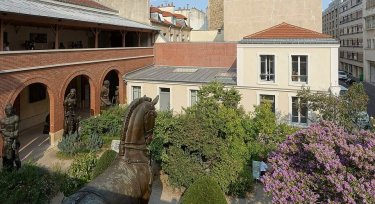
Musée Bourdelle is a French sculpture museum at 18 Antoine Bourdelle Street in Paris’s 15th arrondissement. It occupies the apartments, workshops, and gardens where sculptor Antoine Bourdelle lived and worked from 1885, and was transformed into a museum in 1949.

Musée Le Secq des Tournelles

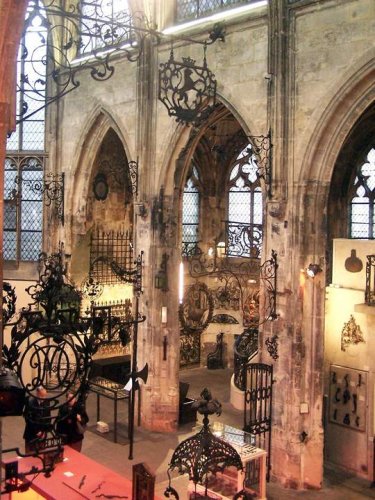
Musée Le Secq des Tournelles is a museum of ironwork in Rouen, installed in the former Saint-Laurent church. It is located in the Vieux-Marché – Cathédrale district, near the Saint-Godard church and the Museum of Fine Arts.

Basilica of Saint-Martin d'Ainay

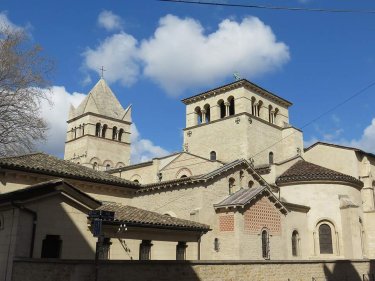
The Basilica of Saint-Martin d'Ainay is an ancient Romanesque former abbey church in the Ainay district on the Lyon peninsula. Classified as a historical monument in 1840, it was elevated to the rank of basilica in 1905. Its central apse and apsidiole were worked on by Hippolyte Flandrin in 1855.

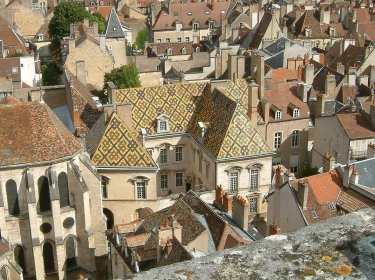
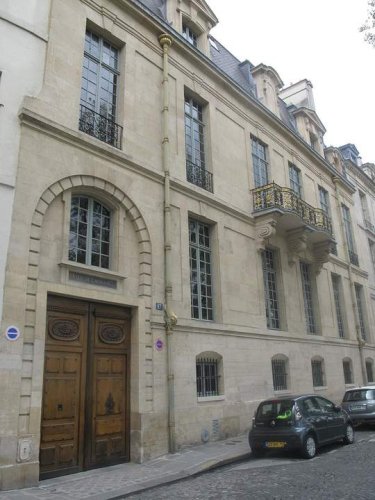
Hôtel de Vogüé

Hôtel de Vogüé is a private mansion in Dijon, built from houses acquired in the late 16th and early 17th centuries. It is notable for its courtyard plan, glazed Burgundy-tile roof, and decorated façades.

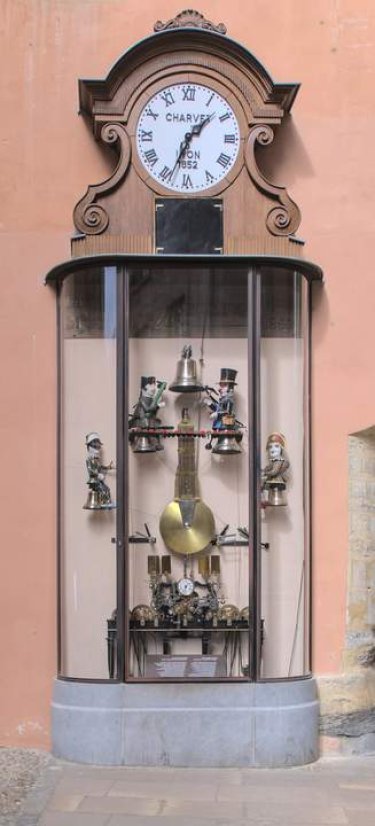
Charvet Clock

The Charvet Clock, also known as the horloge aux Guignols, is a monumental automaton clock mounted on the façade of l’Hôtel de Gadagne in Lyon. It is a public clock with moving figures and bells.

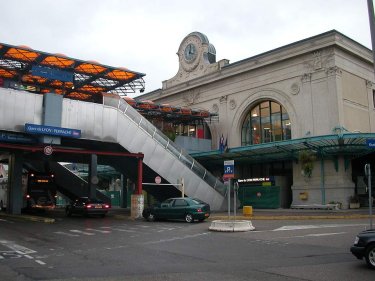
Gare de Lyon-Perrache

Gare de Lyon-Perrache is a French railway station in Lyon, in the Perrache district between the confluence and the rest of the peninsula. Built from 1855 to plans by François-Alexis Cendrier, it became the city’s central station.

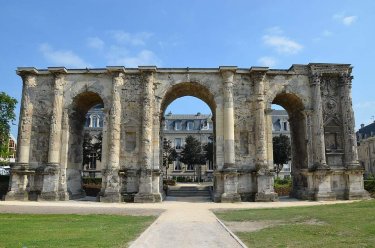
Porte de Mars

Porte de Mars is a Roman triumphal arch in Reims, France. Dating from the Roman period, it is the widest arch of the Roman world and was classified as a historic monument in 1840.

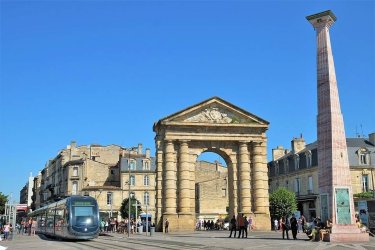
Place de la Victoire

Place de la Victoire is a square in Bordeaux shaped in the second half of the 18th century by Louis-Urbain-Aubert de Tourny. It is bordered by stone neo-classical buildings and centered on the Porte d’Aquitaine, an ancient-style gate.