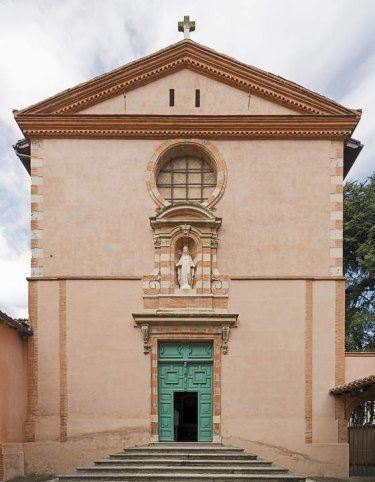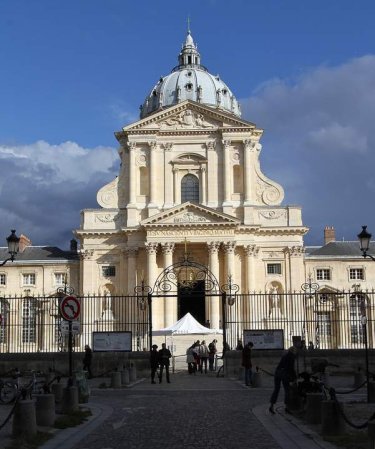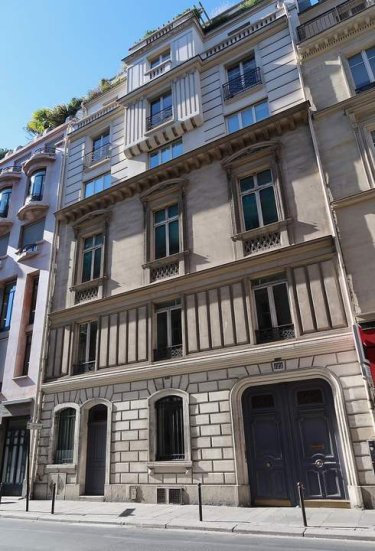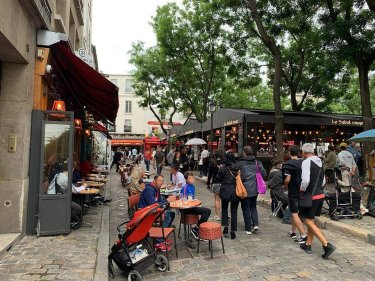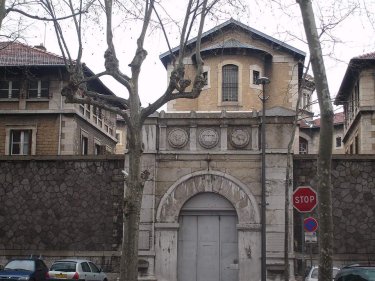
Prison Saint-Paul

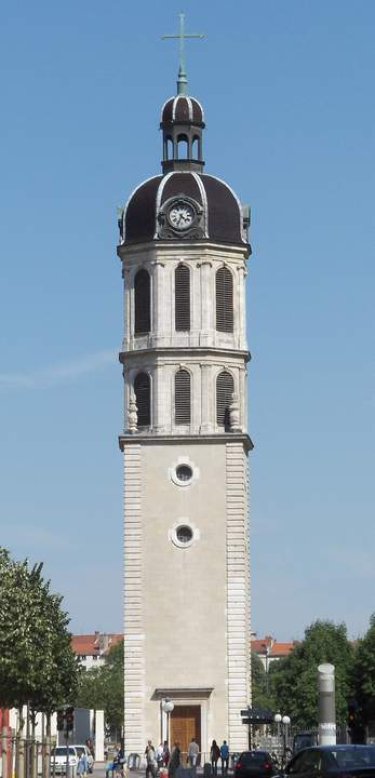
Prison Saint-Paul was a defunct prison in Lyon, part of a pair of prisons built south of Perrache station. It was later converted into a campus for the Catholic University of Lyon and is listed in the General Inventory of Cultural Heritage.
Monument aux Girondins

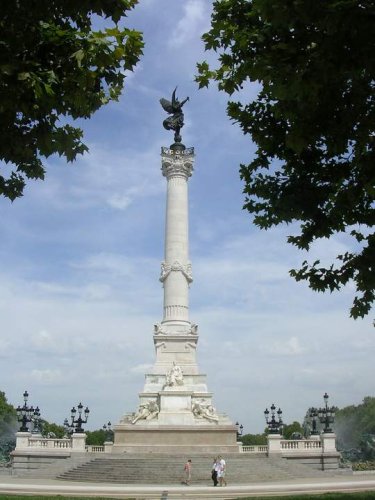
The Monument aux Girondins stands at Place des Quinconces in Bordeaux. Built between 1894 and 1901, it honors the Girondin deputies who were victims of the Terreur. It is classified as a historical monument and is also known locally as the colonne des Girondins.

Promenade of Peyrou

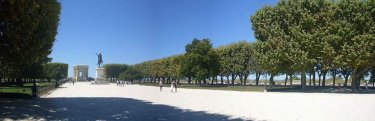
The Promenade of Peyrou is a historic esplanade and square in the west of Montpellier’s Écusson district. Classified as a historical monument, it includes terraces, the Peyrou Gate, an equestrian statue of Louis XIV, an aqueduct, and later additions.

Boulevard des Capucines

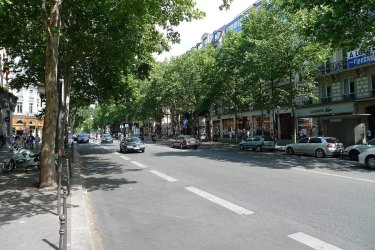
Boulevard des Capucines is a boulevard in Paris and one of the Grands Boulevards. It was created through the former line of the Wall of Charles V and the Louis XIII Wall and was once called Rue Basse-du-Rempart.

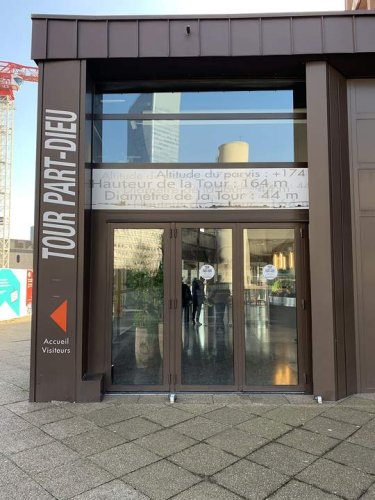
Tour Part-Dieu

Tour Part-Dieu is an office skyscraper in Lyon’s Part-Dieu business district. Designed by the American firm Araldo Cossutta and built from 1972 to 1977, it rises 165 metres and is known by Lyon inhabitants as “the pencil.”

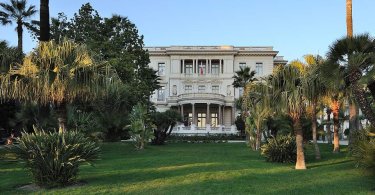
Musée Masséna

Musée Masséna is an art museum in one of the last prestigious villas on the Promenade des Anglais in Nice. The villa was built in 1898, later donated to the city, and opened as a local history museum in 1921.
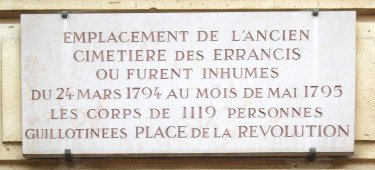
Errancis Cemetery

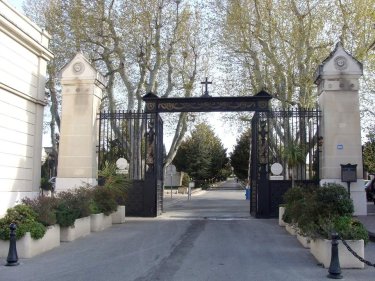
Errancis Cemetery, also known as Cimetière de Monceau or Cimetière de Mousseaux, was an ancient cemetery of the French Revolution in Paris’s 8th arrondissement. It was one of four Revolutionary Paris cemeteries used for bodies executed by guillotine.

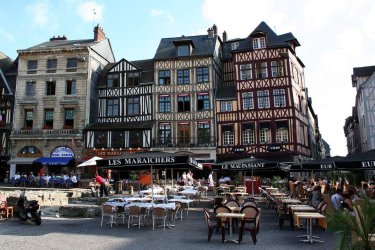
Place du Vieux-Marché

Place du Vieux-Marché is a square known for its link with the execution of Jeanne d’Arc. It also contains historic layers, including former church remains, memorials, reconstructed market buildings, and the Sainte-Jeanne d’Arc church.

Musée des Arts et Métiers

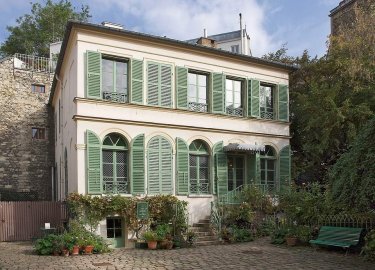
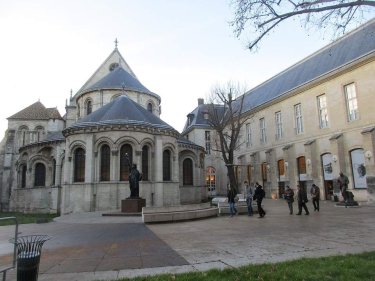
The Musée des Arts et Métiers is a science and technology museum of the Conservatoire national des arts et métiers in Paris. Founded in 1794, it is housed in the former Prieuré royal Saint-Martin-des-Champs and preserves machines, models, and drawings from across its history.

Venus of Laussel

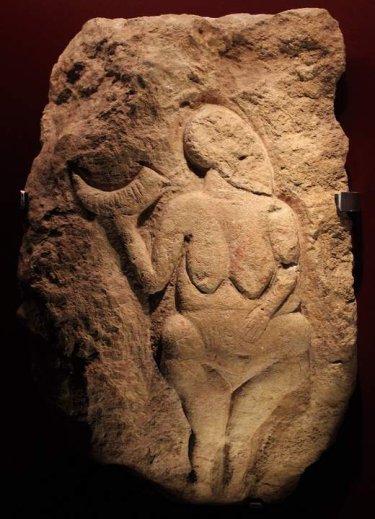
The Venus of Laussel is a Gravettian Venus figurine from the Upper Paleolithic, found in 1911 at the Laussel shelter in Marquay, Dordogne. It is a bas-relief sculpture on limestone, painted with red ochre, showing a nude female figure holding a bison horn.

Statue of Liberty in Colmar

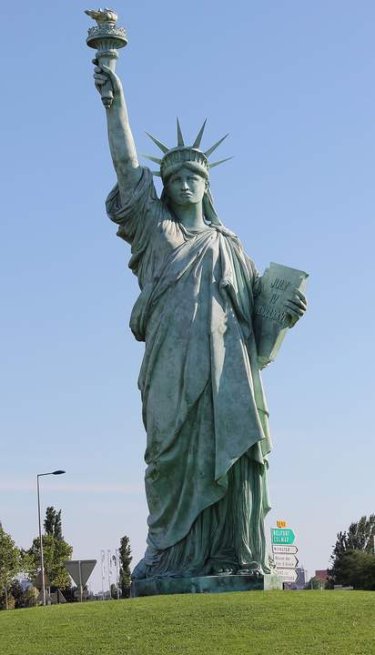
The Statue of Liberty in Colmar is a replica of the Statue of Liberty and one of the city’s landmarks in France. Installed in 2004 at Colmar’s northern entrance, it was created to commemorate the centenary of sculptor Frederic Auguste Bartholdi’s death.

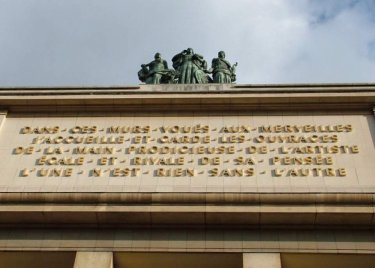
Musée de l’Homme

Musée de l’Homme is a French national museum in Paris, part of the Muséum national d'histoire naturelle. Installed since 1937 in the Palais de Chaillot, it presents the human species in its anthropological, historical, and cultural diversity.

Chapelle des Carmélites

The Chapelle des Carmélites is a 17th-century Catholic chapel on rue du Périgord in Toulouse, France. Built for the Carmelite convent, it contains murals by Jean-Pierre Rivalz and paintings by Jean-Baptiste Despax, and it is the convent’s only surviving building.

Casino de Paris

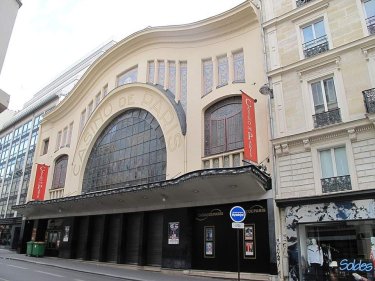
Casino de Paris is a Paris concert hall and event venue whose name refers to a performance hall rather than gambling. Its history includes spectacles, amusement uses, skating, cinema, and music hall revues.

Church of St. Trophime

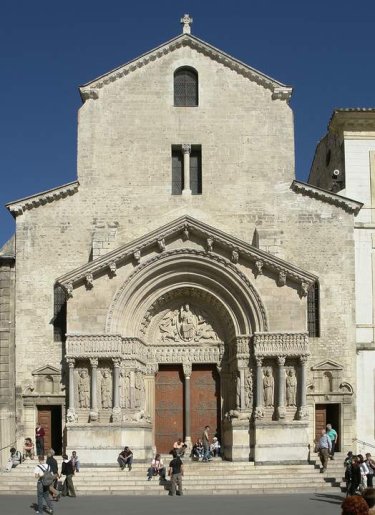
The Church of St. Trophime is a primatial basilica in Arles, built from 1100 on late Antiquity remains. It is known for its Provençal Romanesque architecture, sculpted portal, and attached cloister.

Le Lieu unique

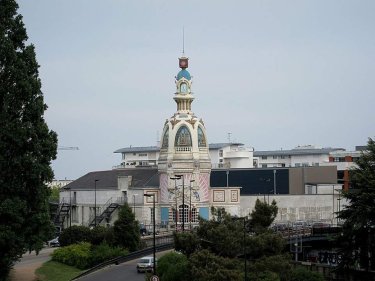
Le Lieu unique is a contemporary culture center and scène nationale in Nantes. It occupies the former LU biscuit factory on the banks of the Saint-Félix canal, in the Champ-de-Mars district.

Théâtre Sébastopol

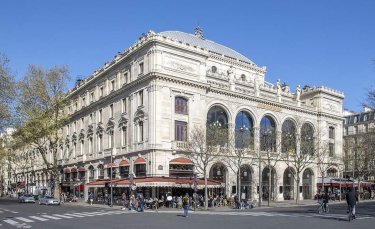
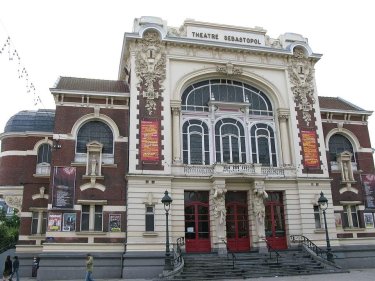
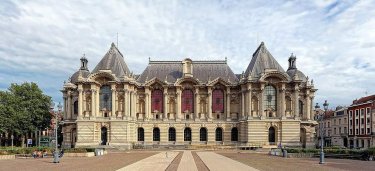
Théâtre Sébastopol is a theatre and performance hall located at place Sébastopol in Lille. It stages more than sixty performances each year, including concerts, plays, one-man shows, screenings, and public meetings.

Palais Rohan

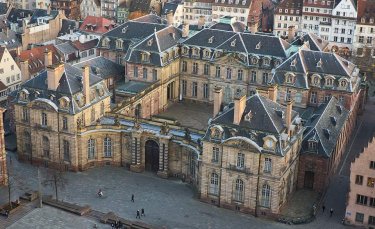
Palais Rohan is a city palace in Strasbourg, built next to Strasbourg Cathedral in the 1730s and completed in 1742. It was the former residence of the prince-bishops and cardinals of the House of Rohan and now houses several museums.

Ugolino and Sons

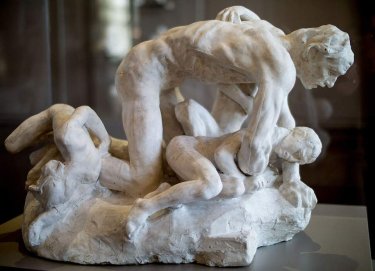
Ugolino and Sons is a plaster sculpture by Auguste Rodin and part of the ensemble known as La Puerta del Infierno. It was also shown independently in Brussels, Edinburgh, Genoa, Florence, the Netherlands, and in Rodin’s retrospective.

Nantes Cathedral

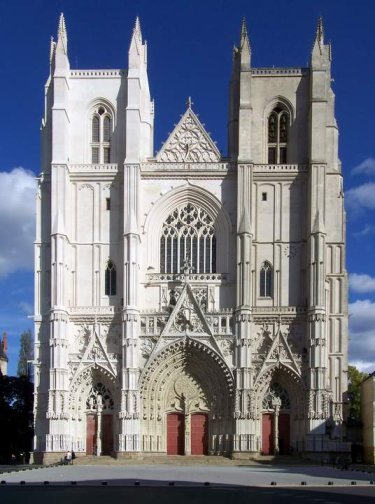
Nantes Cathedral is a Catholic cathedral at Place Saint-Pierre in Nantes, Loire-Atlantique. It is the cathedral of the Diocese of Nantes and the seat of the bishop of Nantes, and it has been classified as a historic monument since 1862.

Église du Gésu

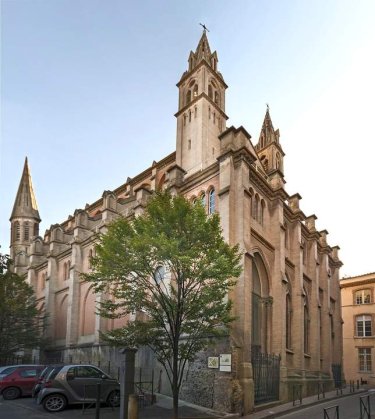
Église du Gésu is an ancient Catholic religious building in Toulouse, built in neo-Gothic style by the Jesuits. Desacralized in 2000, it is now used as an organ concert hall and is listed as a historical monument.

Madeleine Cemetery

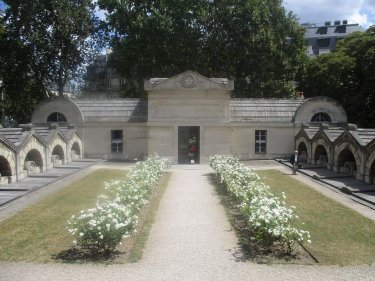
Madeleine Cemetery was an 18th-century parish cemetery in Paris, associated with Revolutionary burials and later dismantled. It was named for Saint Mary Magdalene and later replaced in part by the Chapelle Expatoire.

Théâtre du Palais-Royal

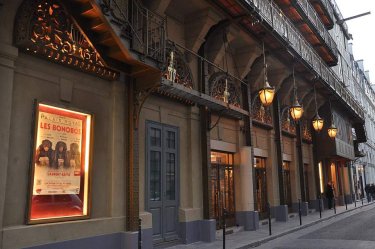
The Théâtre du Palais-Royal is a Parisian theatre with 750 seats, located at 38, rue de Montpensier at the northwest corner of the Palais-Royal. It stands in the Galerie de Montpensier at its intersection with the Galerie de Beaujolais.

Saint-Augustin

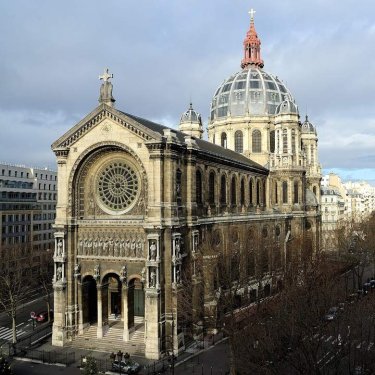
Saint-Augustin is a large church in Paris’s 8th District, built by Victor Baltard between 1860 and 1871. It was among the first major Paris buildings with a metal structure and is known for its dome, facade sculpture, and interior artworks.

Thermes de Cluny

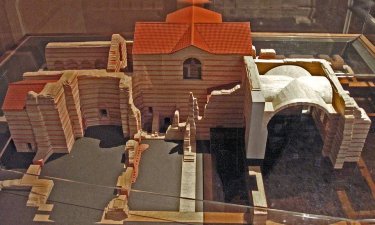
The Thermes de Cluny are Roman baths in Paris’s Latin Quarter, now integrated into the Musée de Cluny. Dating from the Roman era, they form part of a larger complex whose remains have been preserved and studied as an archaeological site.

Halle Tony Garnier

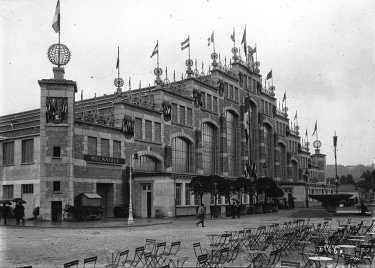
Halle Tony Garnier is an arena and concert hall in Lyon, France. Designed by Tony Garnier in 1905, it was originally a slaughterhouse and was renovated in 1987 before reopening as a concert hall in 1988.

Montmartre Funicular

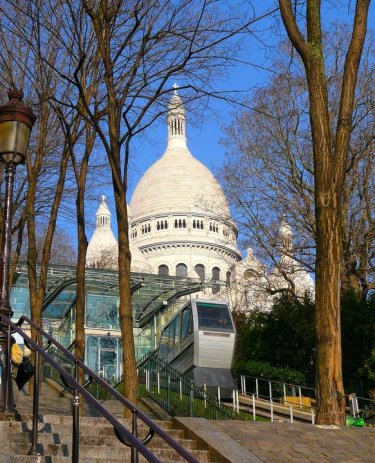
The Montmartre funicular is a double inclined elevator in the 18th arrondissement of Paris. Opened in 1900 and renovated in 1991, it connects the base of Montmartre hill with the summit near the Sacré-Cœur without using the stairs.

Abbey of St. Victor

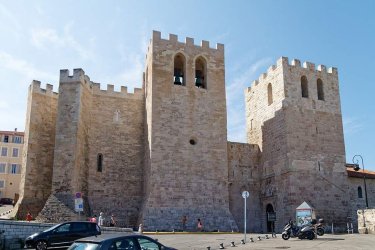
The Abbey of St. Victor is a French abbey founded by Saint Jean-Cassien near the tombs of the martyrs of Marseille, including Saint Victor. It has been an important Catholic place in southern France for more than 1,700 years.

Académie Julian

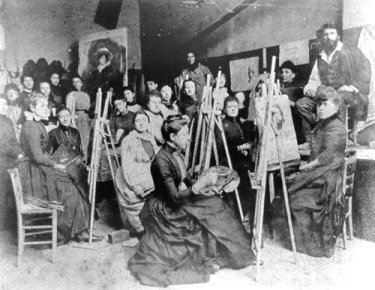
Académie Julian was a private painting and sculpture school founded in Paris in 1866. It had several studios at its peak and was known for its students, including many women and international artists.

Église du Val-de-Grâce

Église du Val-de-Grâce is a Roman Catholic church in Paris’s 5th arrondissement. Built as part of a royal abbey begun under Anne of Austria, it was later turned into a hospital during the French Revolution. Its dome is a landmark in the Paris skyline.

One-Two-Two

One-Two-Two was a brothel at 122 rue de Provence in Paris, named after its address. Active in the 1930s and 1940s, it was among the city’s most luxurious and well-known establishments.