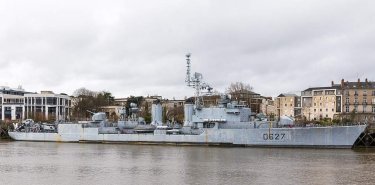
Maillé-Brézé
Maillé-Brézé is a French Navy squadron escort of the T47 Surcouf class, preserved as a museum ship. Moored at Nantes’s Quai de la Fosse since 1988, it has been listed as a historical monument since 1991.
Maillé-Brézé is a French Navy squadron escort of the T47 Surcouf class, preserved as a museum ship. Moored at Nantes’s Quai de la Fosse since 1988, it has been listed as a historical monument since 1991.
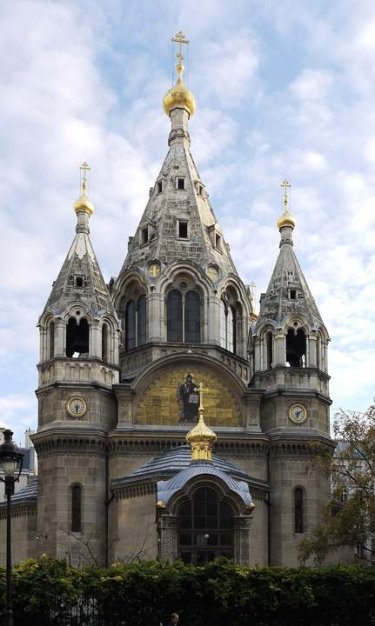
Alexander Nevsky Cathedral is a Russian Orthodox cathedral church at 12 Rue Daru in Paris’s 8th arrondissement. It is under the jurisdiction of the Archdiocese of Orthodox Churches of Russian Tradition in Western Europe and conducts services in Church Slavonic, with some crypt services in French.
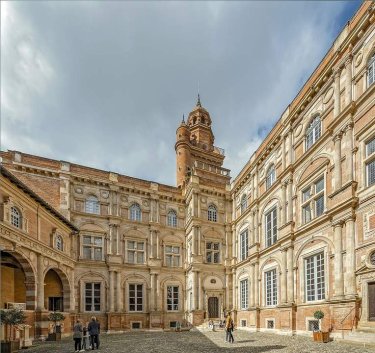
Fondation Bemberg is an art foundation and museum in Toulouse, located in the Hôtel d'Assézat. It presents the private collection of Georges Bemberg, including paintings, sculptures, and ancient and modern art objects.
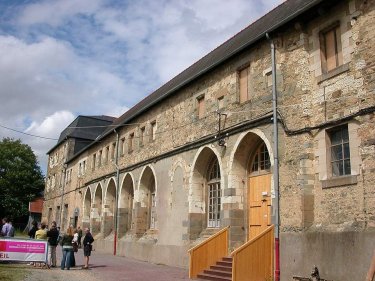
Couvent des Jacobins is an ancient religious building and former barracks in downtown Rennes. It includes a church, a cloister, and convent buildings, and since 2018 it has housed the Rennes Metropole congress center.
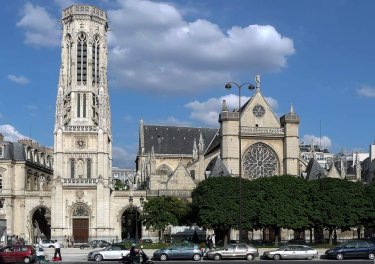
Saint-Germain l’Auxerrois is a Catholic church in the 1st arrondissement of Paris. Also called Saint-Germain-le-Rond, it has been known as the “paroisse des artistes” since the Ancien Régime and is named in honor of Bishop Saint Germain d’Auxerre.
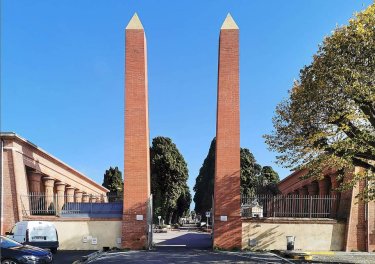
Terre-Cabade Cemetery is the largest cemetery in Toulouse, in the Midi region of France. It extends over 33 hectares on the slope of Jolimont hill and is divided into two parts by chemin de Caillibens.
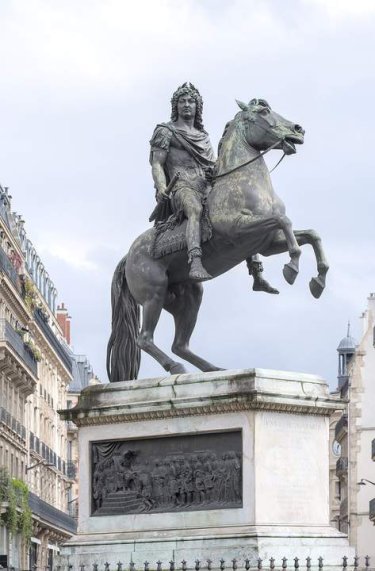
The equestrian statue of Louis XIV is a bronze monument at the center of Place des Victoires in Paris, on the border of the 1st and 2nd arrondissements. Inaugurated in 1818, it stands on a pedestal designed by Jean-Antoine Alavoine.
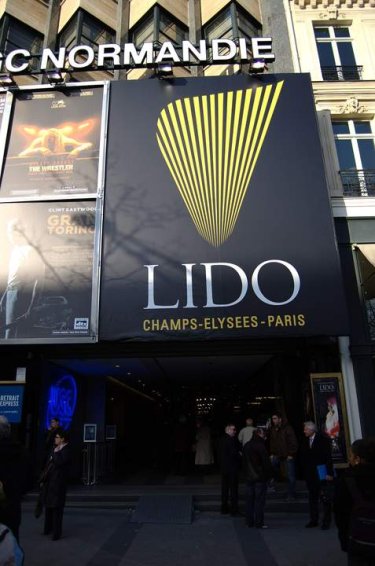
Le Lido was a revue theater in Paris founded in 1946 in a former swimming pool on Avenue des Champs-Élysées. It became known for elaborate stage shows, international performers, and the Bluebell Girls.
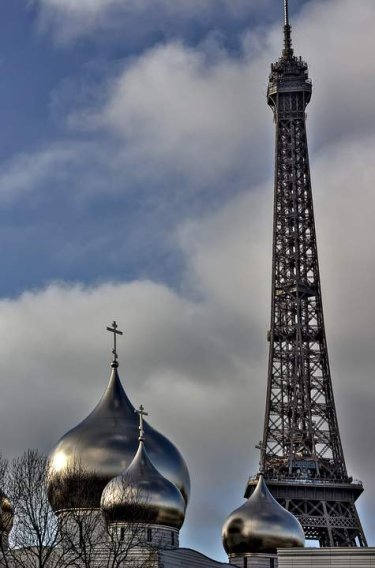
The Holy Trinity Cathedral is a Russian Orthodox complex in Paris comprising four buildings, including a cathedral and cultural center, located near the Eiffel Tower and several museums.
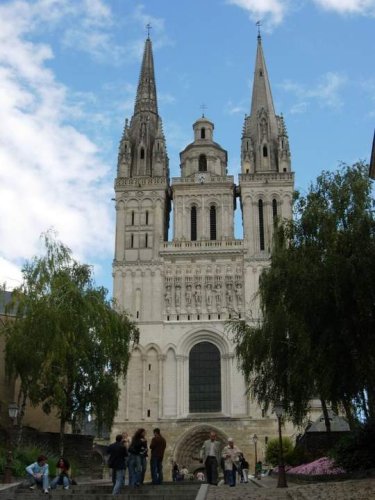
Angers Cathedral is a Catholic church in Angers, France, dedicated to Saint Maurice and serving as the seat of the Bishops of Angers. Built between the 11th and 16th centuries, it combines Romanesque and Gothic architecture.
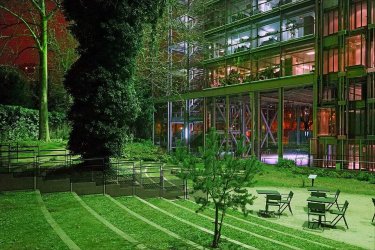
Fondation Cartier pour l’art contemporain is a private institution dedicated to contemporary art. Founded in 1984, it has served as an exhibition and creation space for artists from around the world.
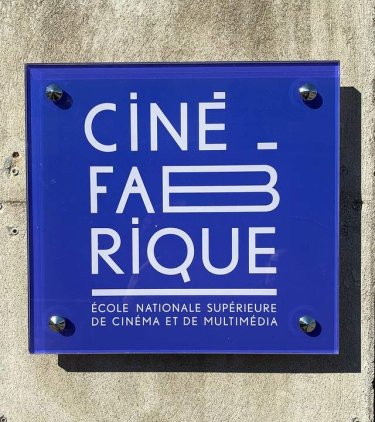
CinéFabrique is a public higher education institution in Lyon and Marseille that trains students aged 18 and over for cinema and audiovisual professions. Its teaching is practice-based and includes a third alternating year.
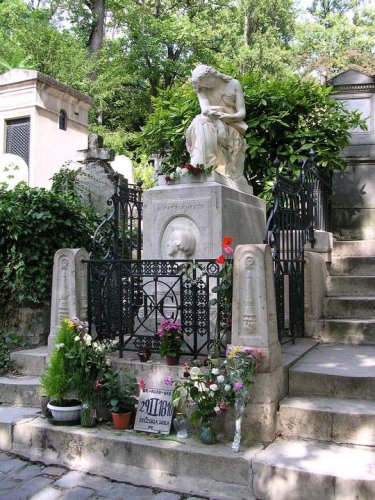
Frédéric Chopin’s tomb is a funerary monument by Auguste Clésinger in Père-Lachaise cemetery, Paris. Inaugurated in 1850, it is classified as a historical monument.
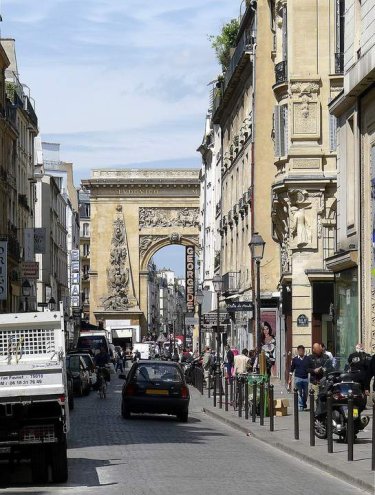
Rue Saint-Denis is a street in the 1st and 2nd arrondissements of Paris. Among the city’s oldest streets, its axis was traced by the Romans in the 1st century and it later served as a route for royal entries.
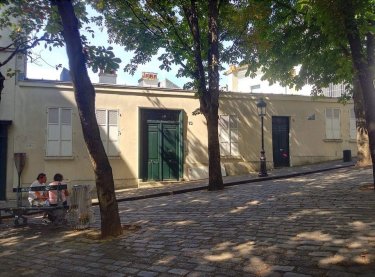
Le Bateau-Lavoir was a dilapidated house on Montmartre in Paris, where later famous artists rented studios around 1900. It became associated with early Cubism and was destroyed by fire in 1970.
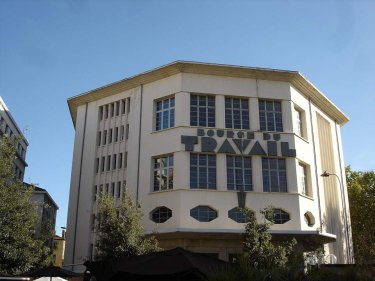
The Bourse du Travail in Lyon is a trades hall and performance venue designed in 1929 by Charles Meysson. Opened in 1934, it now hosts concerts, one-man shows, dance performances, and seminars, while retaining strong links to trade-union activity.
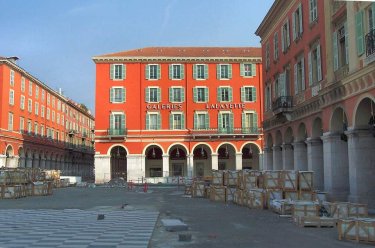
Place Masséna is a central square in Nice, located between Vieux-Nice and Avenue Jean-Médecin, near the Promenade des Anglais. Planned from the 1820s, it is a major transport hub and a key site of Niçois heritage.
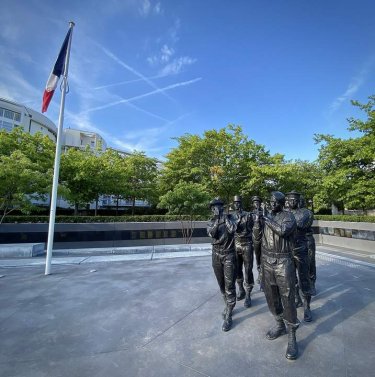
Inaugurated in Paris in the garden Eugénie-Djendi of the parc André-Citroën, this memorial honours soldiers who died for France in external operations (OPEX). It is part of the important places of national memory.
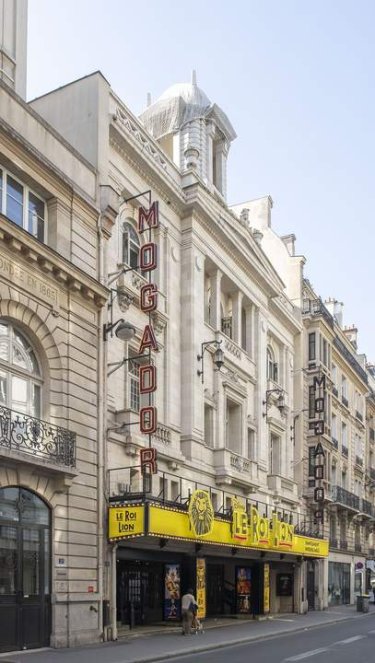
Théâtre Mogador is a performance venue in Paris. Built in 1913 and inaugurated in 1919, it has three levels named orchestre, corbeille, and balcon. Originally called Palace Théâtre, it was later renamed for its location on rue de Mogador.
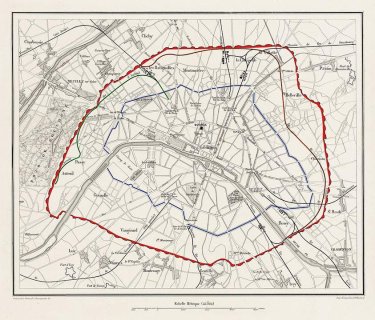
The Wall of the Farmers-General was one of the walls of Paris, built from 1784 to 1790. It was 24 kilometers long and served a fiscal function, allowing the Ferme Générale to charge taxes on goods entering the city.
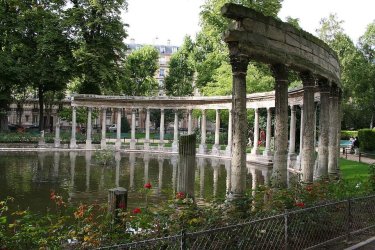
Parc Monceau is a garden in the Europe district of Paris, sometimes called parc de Monceau. It is surrounded by streets, avenues, and luxurious hôtels particuliers, and includes historic features such as the Naumachie, a Ledoux rotunda pavilion, and marble statues.
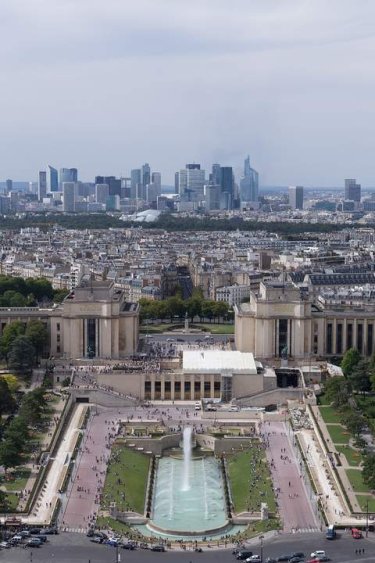
The Jardins du Trocadéro are an urban park in Paris facing the Seine. Created for the 1937 Exposition spécialisée, they occupy the site of the former garden of the palais du Trocadéro and are bordered by the palais de Chaillot.
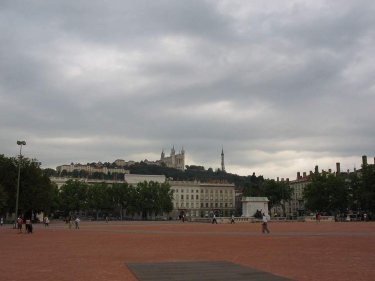
Place Bellecour is a square in Lyon’s 2nd arrondissement and the largest square in the city. It is laid out as a trapezoid, with open areas for events, an equestrian statue at its center, and landscaped sections with trees, fountains, and kiosks.
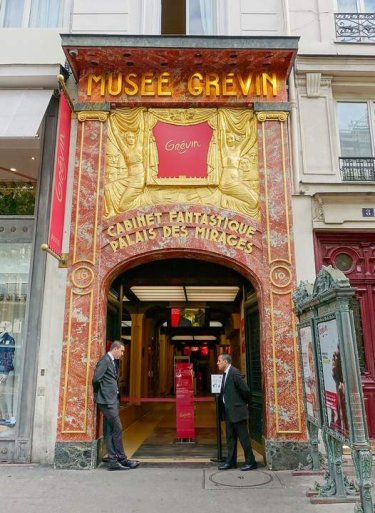
Musée Grévin is a private wax museum in the 9th arrondissement of Paris, created by Arthur Meyer. It contains wax reproductions of famous personalities, recreated French historical scenes, and attractions including the Grévin theater and the Palais des Mirages.
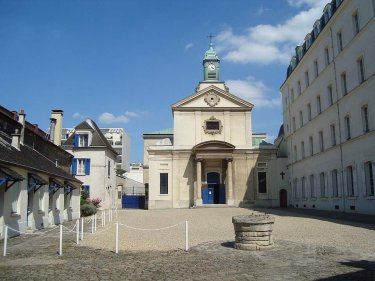
Picpus Cemetery is the largest private cemetery in Paris, located in the 12th arrondissement. Created from confiscated convent land during the French Revolution, it contains the graves of 1,306 victims executed in 1794 and the tomb of Marquis de Lafayette.
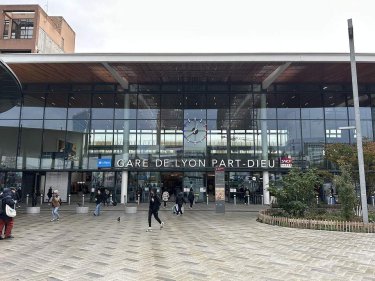
Lyon-Part-Dieu station is a railway station in the La Part-Dieu district of Lyon, France. Operated by SNCF, it serves international, national, and regional traffic and is a key element of the city’s rail junction.
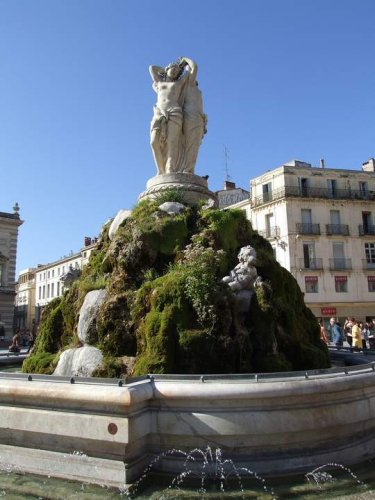
Fontaine des Trois Grâces is a marble group sculpture created by Étienne Dantoine in 1777 and located in Montpellier. It represents the Three Graces from Greek mythology and is classified as a monument historique.
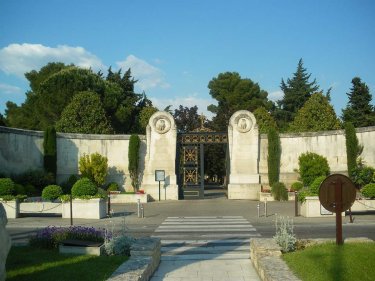
Saint-Véran Cemetery in Avignon was opened in 1820 at the beginning of the French Restoration. Registered in the Inventaire général du patrimoine culturel, it covers 14 hectares and contains funerary works by several sculptors, as well as military memorials and an arboretum of Mediterranean species.
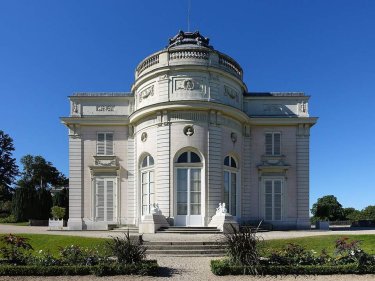
Château de Bagatelle is a pleasure pavilion, or folie, built in 1777 by architect François-Joseph Bélanger for the comte d'Artois. It is located in the parc de Bagatelle in the Bois de Boulogne, now annexed to Paris.
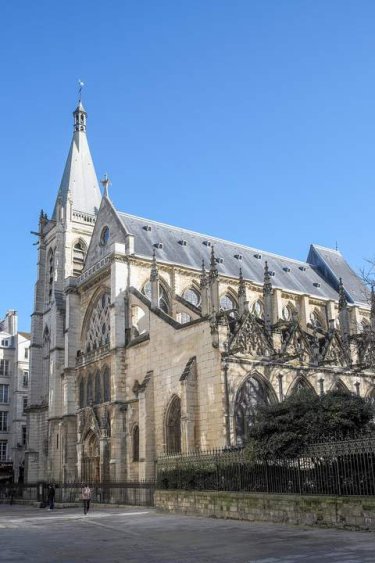
Saint-Séverin is a Catholic church in the 5th arrondissement of Paris, in the Latin Quarter on the left bank of the Seine. Its oldest parts date to the 13th century, and its present character mainly reflects Flamboyant Gothic work from the 15th century.
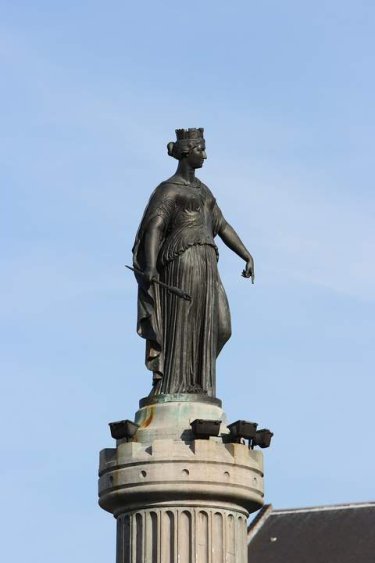
The Column of the Goddess is a commemorative victory column inaugurated at the Grand'Place de Lille. It marks the heroism of the people of Lille during the siege of 1792 and is topped by a statue of a woman holding a boutefeu.
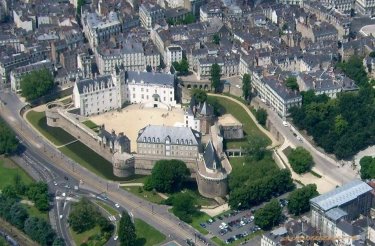
The Château des ducs de Bretagne is one of the emblematic buildings of Nantes. Founded in the 13th century, it became a ducal residence, then a royal fortress, and later a museum site housing the Nantes History Museum.
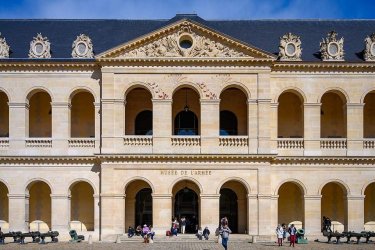
The Musée de l'Armée is a French military museum and national museum located at the Hôtel des Invalides. Created in 1905, it brought together the Artillery Museum and the Historical Army Museum and later acquired major wartime objects.
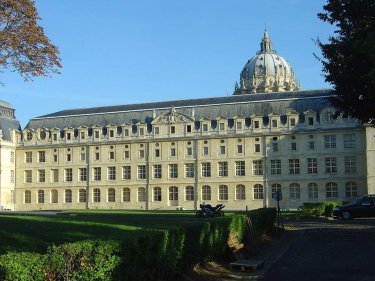
Val-de-Grâce was a former French military teaching hospital located in Val-de-Grâce. It served social security beneficiaries, accepted referred patients, and took part in the public hospital service mission with AP-HP.
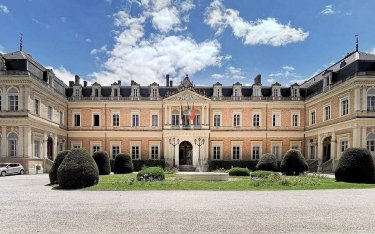
Palais Niel is a 19th-century palace in Toulouse, built for Marshal of France Adolphe Niel between 1863 and 1868. It stands on rue Montoulieu-Saint-Jacques, near the allées Forain-François-Verdier and square Boulingrin.
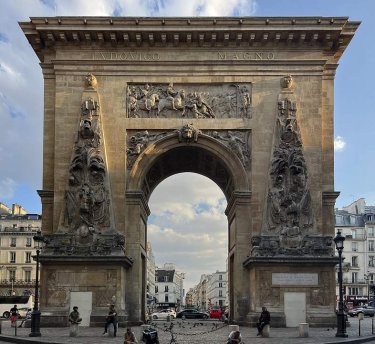
Porte Saint-Denis is a triumphal arch in Paris, built in 1673 by François Blondel to honor Louis XIV. It stands at the site of a former gate of Charles V’s enclosure and is a representative monument of the official art of its era.
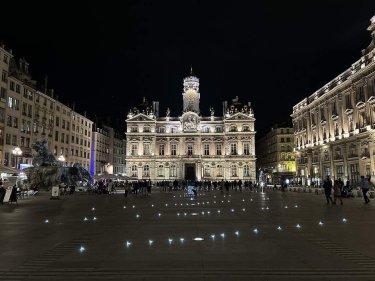
Place des Terreaux is a square in Lyon, France, in the north of the Presqu'île between the Rhône and Saône rivers. It lies at the foot of the Croix-Rousse hill, bordered by the Hôtel de Ville and the Musée des Beaux-Arts.
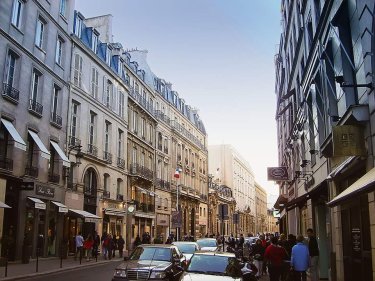
Rue du Faubourg-Saint-Honoré is a Paris shopping street stretching from rue Royale to place des Ternes. It includes the Élysée Palace and is lined with embassies, luxury stores, haute couture shops, galleries, and antique shops.
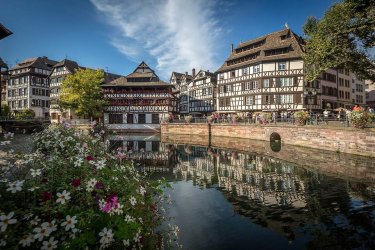
Petite France is a district on the southwestern part of Strasbourg’s Grande Île. It is crossed by canals of the Ill river and contains 16th- and 17th-century half-timbered houses with tall pointed roofs.
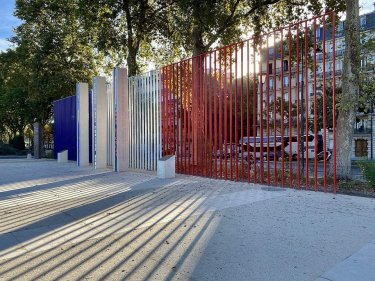
This memorial on quai Jacques-Chirac in Paris faces the Eiffel Tower. It commemorates the Algerian War and the conflicts in Morocco and Tunisia, and honors the dead for France, including French, harkis, and civilian victims.