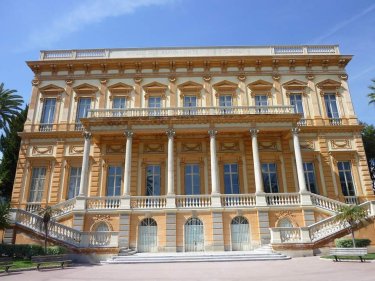
Musée des Beaux-Arts Jules Chéret
Musée des Beaux-Arts Jules Chéret is a municipal art museum in Nice, housed in a villa in Neorenaissance style. Its collection focuses on works by French artists of the 19th and 20th centuries.
Musée des Beaux-Arts Jules Chéret is a municipal art museum in Nice, housed in a villa in Neorenaissance style. Its collection focuses on works by French artists of the 19th and 20th centuries.
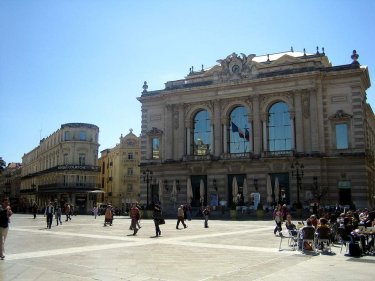
Opéra national de Montpellier is a large Italian-style opera house in Montpellier. Its building includes a decorated facade, a grand foyer, a monumental staircase, and domes painted by Ernest Michel.
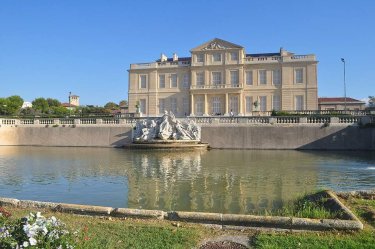
Château Borély is a neo-classical château-bastide in the Bonneveine district of Marseille’s 8th arrondissement, in Bouches-du-Rhône, Provence-Alpes-Côte d'Azur. It is associated with Parc Borély and the Marseille Borély golf course and has been a historic monument since 1936.
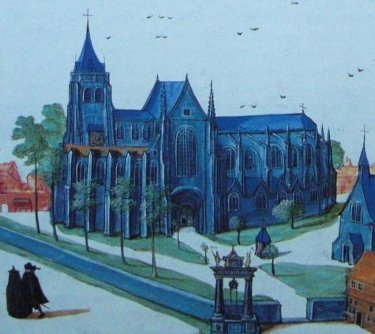
Collégiale Saint-Pierre was a former large collegiate church in Vieux-Lille. It influenced religious life in Lille for nearly 750 years, was damaged in 1792, and its destruction began in 1794. Today, only the crypt survives.
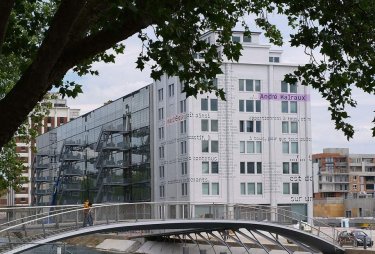
Médiathèque André-Malraux is a municipal library in Strasbourg, located on the Malraux peninsula near the Austerlitz basin. It occupies a former 1930s port building of Armement Seegmuller, later rehabilitated for library use.
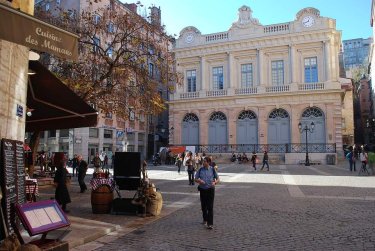
Place du Change is a square in Lyon attested since 1487 and created in 1584. Its history is linked to exchange operations, the former Maison Ronde, and the later Temple du Change.
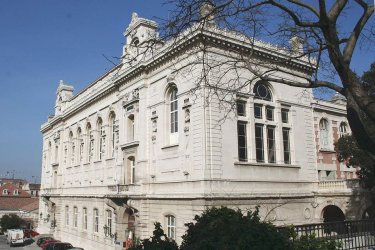
Palais des arts is a monument in Marseille, located at the end of Place Auguste-et-François-Carli in the Thiers district. Built in 1864, it originally housed the municipal library and the École des beaux-arts de Marseille.
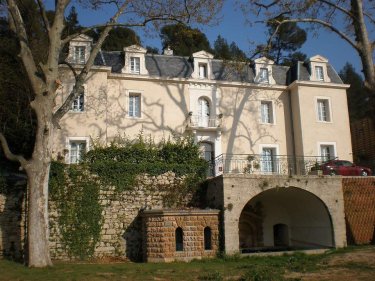
The Château de Bionne is a late-18th-century folly in Montpellier, west of the city in Hérault. Located at the end of rue de Bionne, it was modified in the 19th century and later used for several different functions.
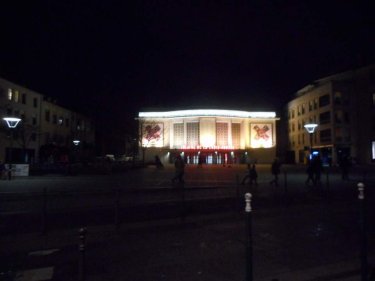
Théâtre de la Croix-Rousse is a theatre building in Lyon, on place Joannès-Ambre. Designed by Michel Roux-Spitz, it was built between 1924 and 1929 and later had its interiors restored and adapted in 1980.
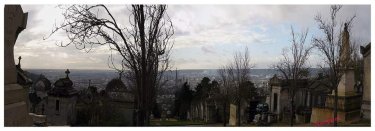
The Cimetière monumental de Rouen is the largest cemetery in Rouen, covering ten hectares in the city’s northeast. It contains the graves of about one hundred personalities linked to the city’s political, artistic, and other fields.
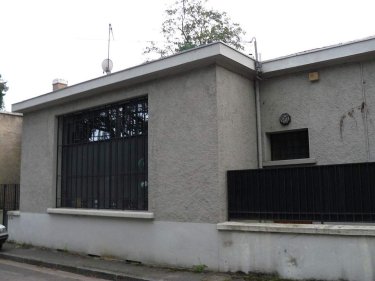
Villa Tony Garnier is located at 7 rue de la Mignonne in Lyon’s Saint-Rambert-l’Île-Barbe district. It is a realization of elements from Tony Garnier’s imagined Cité industrielle and is recognized as a historical monument.
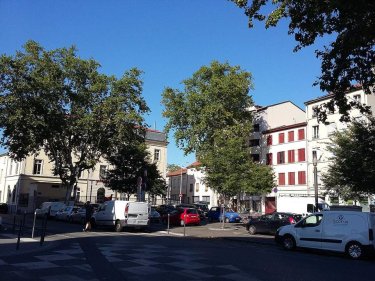
Place Saint-Louis is a square in Lyon’s 7th arrondissement, in the La Guillotière neighborhood. It is mainly occupied by parking spaces. Its name changed several times in the 19th century before returning to Place Saint-Louis.
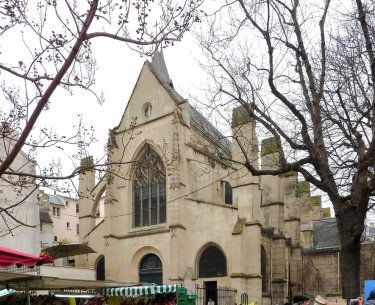
Église Saint-Médard is a Roman Catholic church at 141 Rue Mouffetard in the 5th arrondissement of Paris. Named for Saint Medard, it has medieval origins and a long construction history.
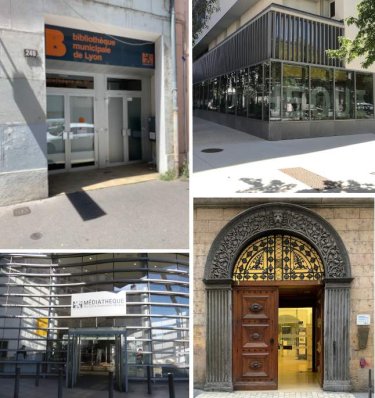
The Bibliothèque municipale de Lyon is a municipal library network spread across sixteen sites in Lyon. It includes major heritage collections, fulfills regional legal deposit for printed materials, and is led by the Bibliothèque de la Part-Dieu.
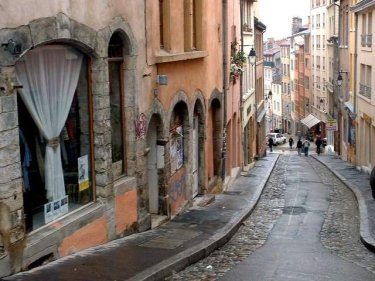
Montée de la Grande Côte is a street in the La Croix-Rousse quarter of Lyon’s 1st arrondissement. It links the Terreaux quarter and the Plateau de la Croix Rousse and is marked by its high elevation, narrow lower section, and long association with the city’s canuts history.
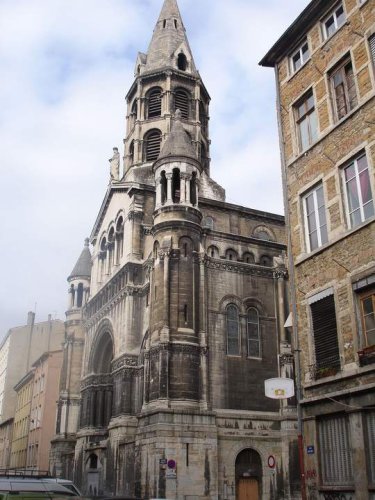
Église du Bon-Pasteur is a former Roman Catholic church in Lyon’s 1st arrondissement. Completed in 1883, it was designed in a neo-Romanesque style and desacralized in 1984. Its tower is highly visible from La Croix-Rousse.
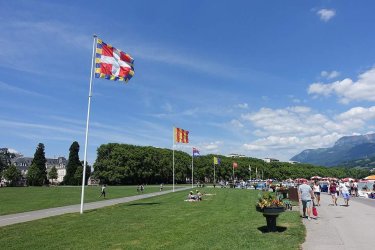
Le Pâquier is a vast landscaped promenade in Annecy, covering seven and a half hectares on the shores of Lake Annecy. It forms the central element of a wider park and garden complex.
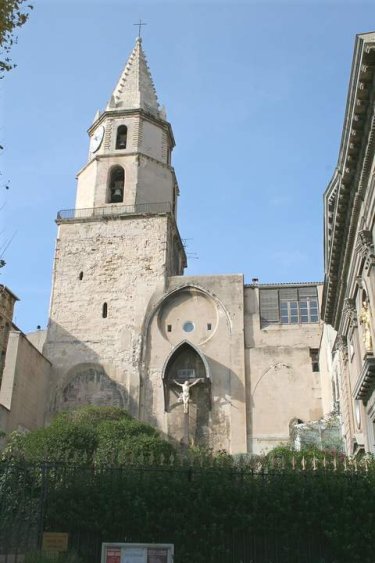
Notre-Dame-des-Accoules is an ancient medieval collegiate church in Marseille’s Accoules district. Most of the building was destroyed during the Revolution, leaving the bell tower, the back wall, and later additions such as a crypt and calvary at Place Daviel.
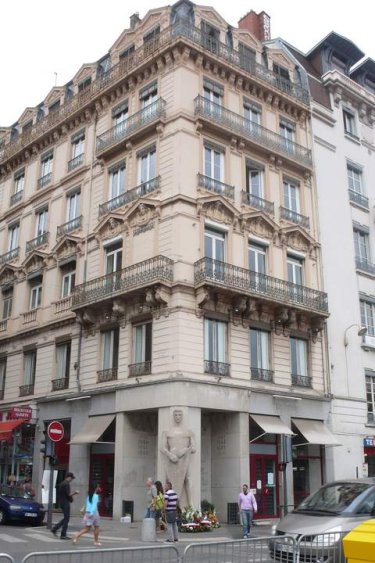
Veilleur de pierre is a memorial sculpture by Georges Salendre and architect Louis Thomas, installed in 1948 at the corner of rue Gasparin and place Bellecour in Lyon. It commemorates members of the French internal resistance.
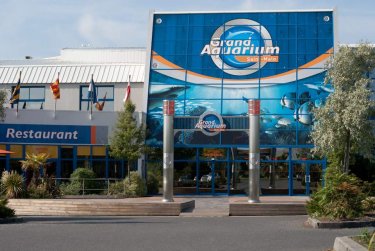
Great Aquarium Saint-Malo is a giant public aquarium established in 1996 at the entrance to Saint-Malo, in Ille-et-Vilaine, Brittany. It presents marine life through multiple environments and basins.
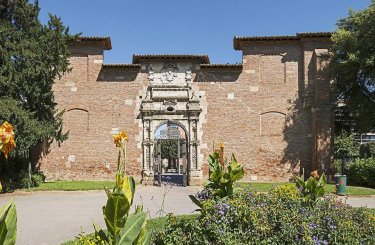
Jardin des Plantes is a public garden in Toulouse, in the historic Busca district southeast of the city center. Formerly a botanical garden, it kept the name after losing official botanical status and is part of a group of three public gardens with Grand Rond and Jardin Royal.
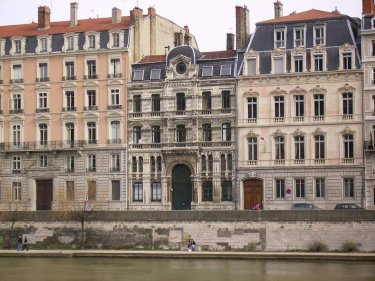
The Grande synagogue de Lyon is a Jewish religious building in Lyon, on Quai Tilsitt in the 2nd arrondissement. Built from 1863 to 1864 in a neo-Byzantine style, it was designed by the young Jewish architect Abraham Hirsch.
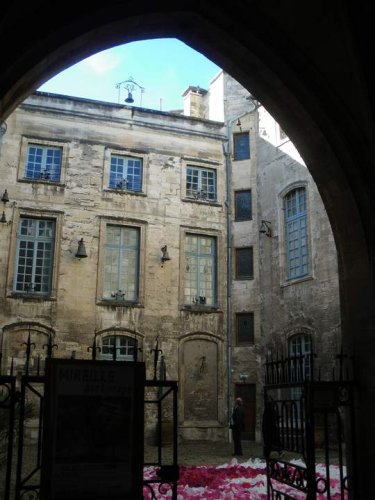
The Palais du Roure in Avignon is a museum and historical monument. Its collections focus on regional history and sociology, and they are open to the public. The building has a long history linked to the Baroncelli family and later cultural activity.
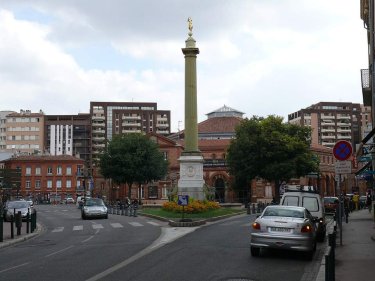
Place Dominique-Martin-Dupuy is a public square in Toulouse, in southern France. Located in the heart of the Dominique-Martin-Dupuy district, it connects several streets and is served by city bus lines, Linéo services, and nearby François-Verdier metro access.
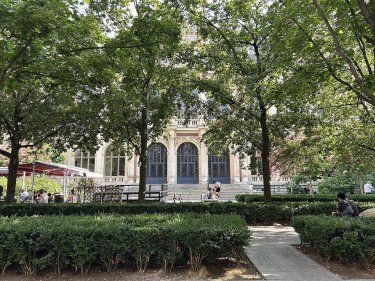
Place de la Bourse is a rectangular pedestrian square in Lyon’s Cordeliers district. It is bordered by rue de la République, rue de la Bourse, the palais de la Bourse, and three 18th-century houses, with granite paving, paths, planting, and benches.
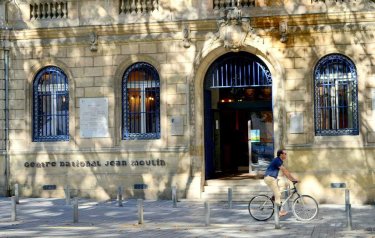
Center Jean Moulin is a museum and documentation center in Bordeaux dedicated to World War II history. It focuses on the French Resistance, deportation, and the history of the Free French Forces.
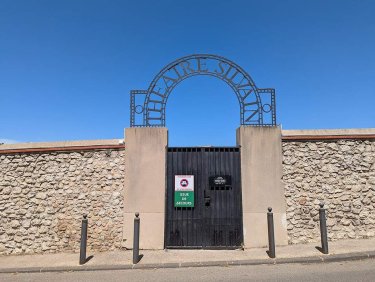
Théâtre Silvain is a sylvan theater in the Vallon de la Fausse-Monnaie, in Marseille’s Endoume district. Inaugurated in 1923, it was designed for 3,000 to 6,000 spectators and later underwent renovation and renewed regular programming.
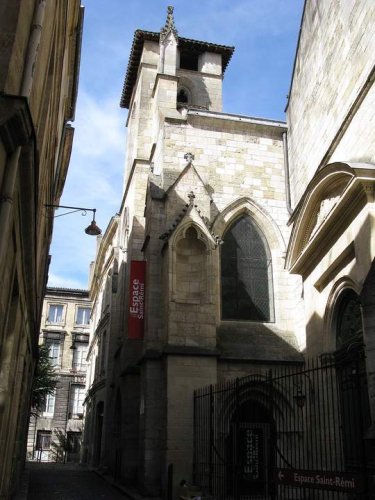
Église Saint-Rémi is a Romanesque church built in the 12th century, with part of the building rebuilt in Gothic style in the 14th century. Located in central Bordeaux, it now serves as an exhibition space.
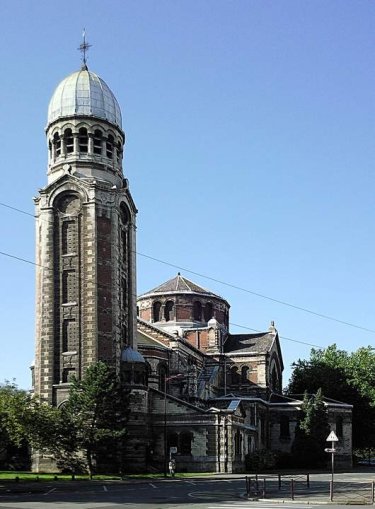
Église Saint-Sauveur de Lille is a church on rue Saint-Sauveur in Lille-Centre. Built from 1898 to 1902 on the site of a former Gothic church, it was designed in an eclectic and neo-Byzantine style and later closed in 2015 for security investigations.
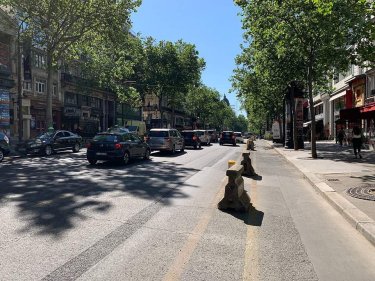
Boulevard Montmartre is a boulevard in Paris, located on the border of the 2nd and 9th arrondissements. It forms part of the Grands Boulevards, a historic sequence of central Paris streets.
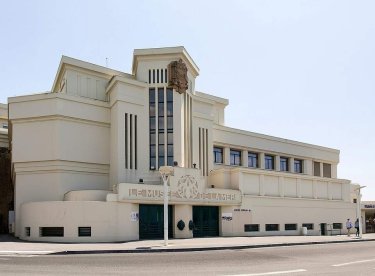
Le Musée de la mer is a museum in Biarritz, Pyrénées-Atlantiques, facing the Rocher de la Vierge. Set in an Art Déco building on the Atalaye plateau, it presents marine species and the life of the Gulf of Gascogne.
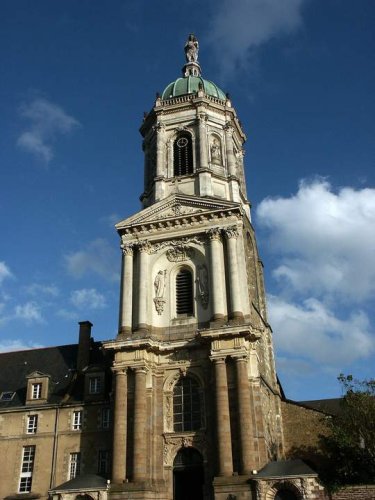
Notre-Dame-en-Saint-Melaine is a parish church in Rennes, Ille-et-Vilaine, France. Originally an abbey church, it later served as a pro-cathedral during the first half of the 19th century.
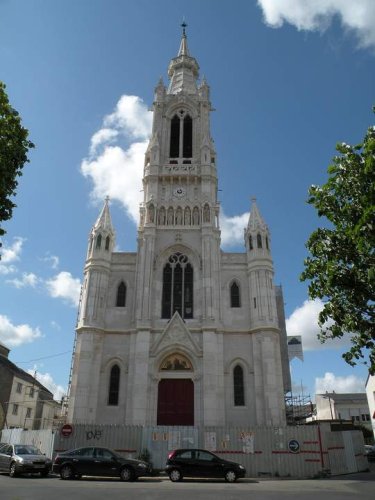
Saint-Anne's Church is a church building in the Hermitage district of Nantes. Built between 1845 and 1847, it was part of a wider redevelopment linked to urban growth and industrialization, and it was dedicated to Sainte Anne, who was especially venerated by Breton communities.
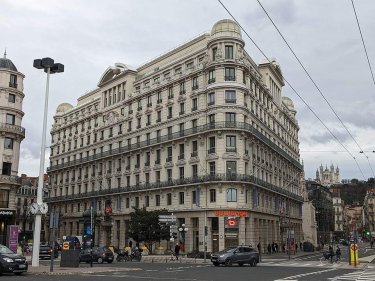
Anciennes Galeries Lafayette is a former department store building in Lyon, originally built in the 1890s as Le Grands magasins des Cordeliers on Place des Cordeliers. It was later taken over and enlarged, reflecting the commercial redevelopment of the district.
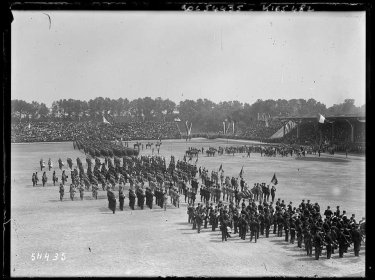
Stade Pershing is a sports venue in the east of Bois de Vincennes, built in 1919 and named for American General John Pershing. It began as a stadium for football, rugby, and athletics before becoming a complex used for multiple sports.
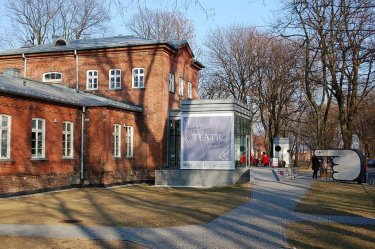
The International Theatre Institute is an international theatre network founded in 1948 under the auspices of UNESCO. It supports mutual exchange among theatre professionals and cultural understanding worldwide through national centres in many countries.
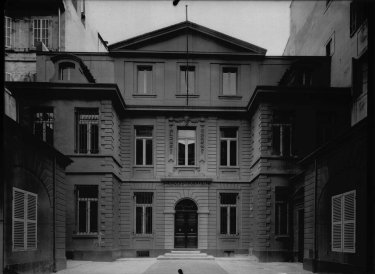
Musée Cantini is an art museum at 19 de la rue Grignan in Marseille, housed in the former hôtel de Montgrand. Its collections focus on modern and contemporary art and complement those of the Musée d’art contemporain de Marseille.
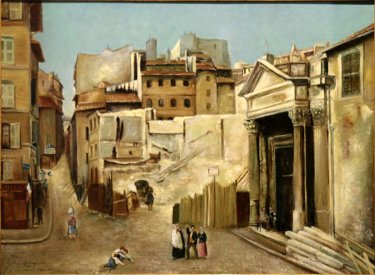
Église Saint-Martin was a former Gothic collegiate church in Marseille. It was demolished in 1887 for the construction of rue Colbert. It should not be confused with the Saint-Martin church of Arenc, built in 1913.
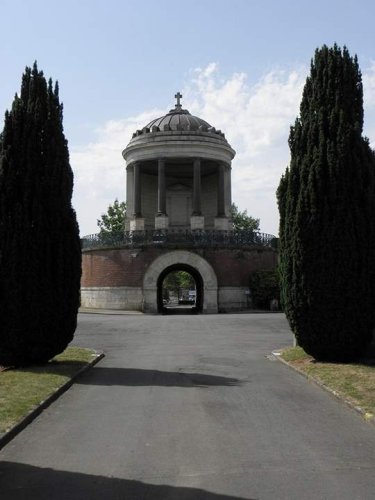
Cimetière du Nord is a cemetery in Rennes established on the Estival field after the creation of a new public burial ground in the late 18th century. Its grounds include notable tree species and a monumental neo-classical entrance.
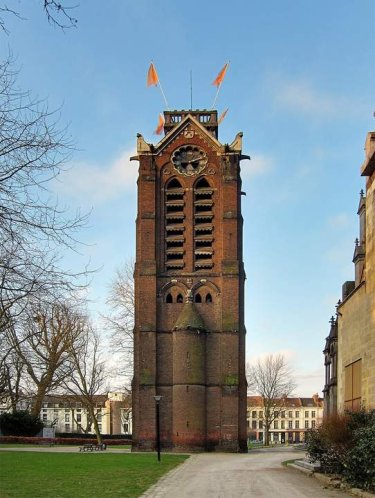
Place Gilleson is a square in Lille, Nord, France, in the Vieux-Lille district near Notre-Dame-de-la-Treille cathedral. It stands on the site of the former Lille motte castrale and lies near the city’s original core, once shaped by canals, roads, and medieval fortifications.
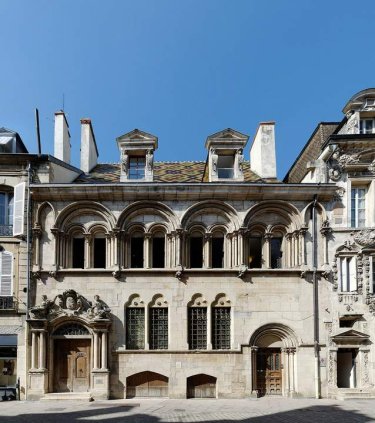
Hôtel Aubriot is a private mansion in Dijon, attached to the Maison Maillard at 40, rue des Forges. Dating from the early 14th century, it is noted for its glazed Burgundy tile roof and a vaulted cellar on octagonal pillars.
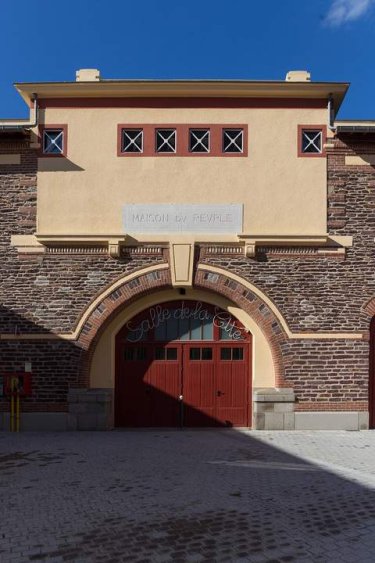
Maison du Peuple de Rennes is a meeting hall for unions and politics and a performance venue in Rennes, Brittany. Designed by Emmanuel Le Ray and built in 1925, it reflects the labor movement and has also served as a cinema.
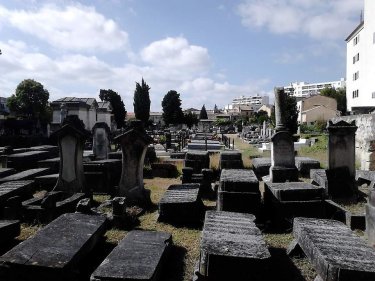
Bordeaux has three Israeli cemeteries, registered as historical monuments since 1995. They are located on cours de la Marne, cours de l’Yser, and rue Sauteyron; only the cemetery on cours de l’Yser is functional and regularly open to the public.
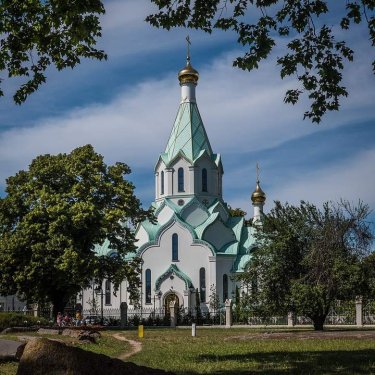
The Église orthodoxe de tous les saints de Strasbourg is a Russian Orthodox church in Strasbourg, France, in the quartier du Conseil des XV near the Marne-Rhine Canal. It is linked to the Russian parish of Strasbourg and includes a spiritual and cultural center.
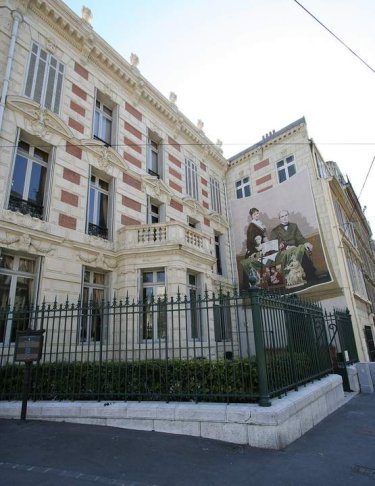
Musée Grobet-Labadié is an art museum in Marseille, housed in an hôtel particulier built in 1873 and facing the Palais Longchamp. It preserves a family collection and the building donated to the city.
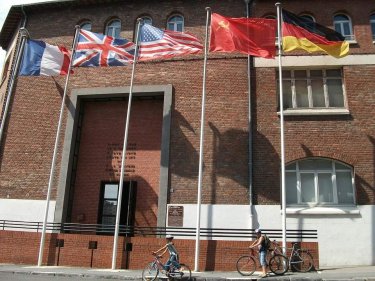
The Museum of the Surrender is a history museum in Reims, founded by the city in 1985. It commemorates the signing of the first part of the Nazi Germany capitulation acts in part of the Franklin-Roosevelt high school building.
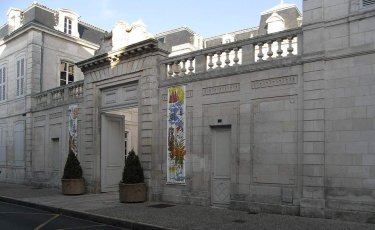
The Muséum d'Histoire naturelle de La Rochelle is a French natural history museum in La Rochelle, Charente-Maritime. It is installed in the former palace of the governor of Aunis, a building registered as a historic monument in 2003.
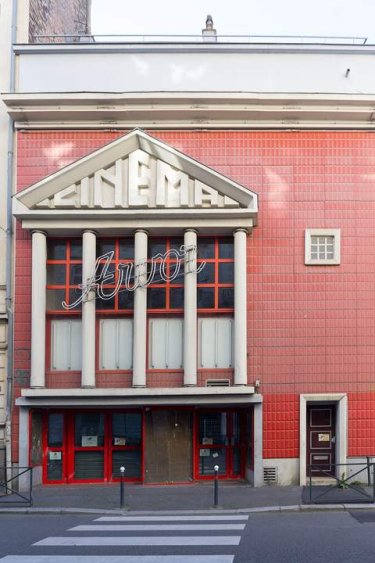
Cinéma Arvor is a movie theater in Rennes that moved to rue de Châtillon in 2021. It is managed by a volunteer board, with programming provided by Ciné-diffusion, and it also hosts festival screenings and Breton-language films.