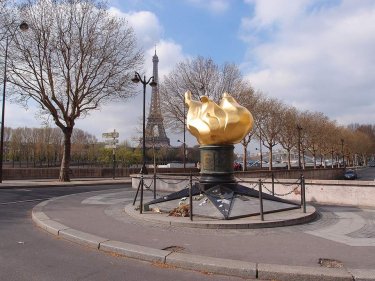
Place Diana
Place Diana is a square on the right bank of the Seine, between place de l’Alma and a parapet. It lies where the Georges-Pompidou road meets avenue de New-York and is served by Alma - Marceau station.
Place Diana is a square on the right bank of the Seine, between place de l’Alma and a parapet. It lies where the Georges-Pompidou road meets avenue de New-York and is served by Alma - Marceau station.
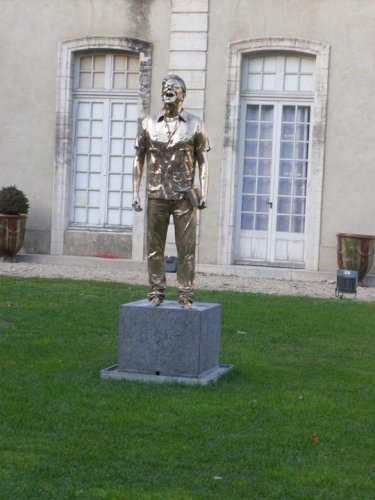
Collection Lambert is a contemporary art collection assembled by Parisian gallery owner Yvon Lambert since the 1960s. It is installed in Avignon at the Hôtel de Caumont, a museum open to the public since 2000.
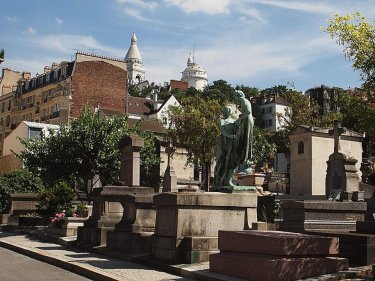
Saint-Vincent Cemetery is a Parisian cemetery in the Montmartre Quarter, located on rue Lucien-Gaulard. Opened on January 5, 1831, it became Montmartre’s second cemetery after the Cimetière du Calvaire had been filled.
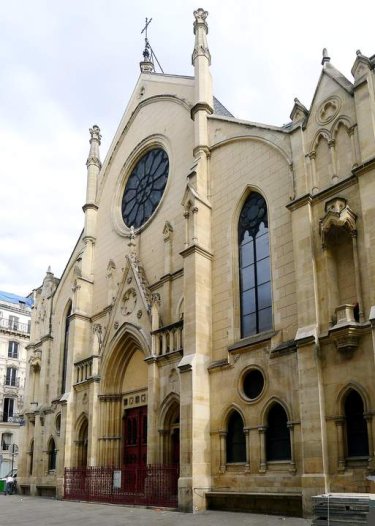
Église Saint-Eugène-Sainte-Cécile is a church building in Paris constructed from 1854 to 1856 at the request of Napoléon III. Built on the site of the hôtel des Menus-Plaisirs, it was designed by Louis-Auguste Boileau and Adrien-Louis Lusson.
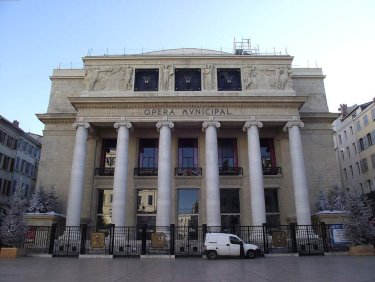
Opéra de Marseille is a theater in the Lopéra municipal de Marseille neighborhood near the Vieux-Port. It stands on the remains of the Grand Théâtre, which was destroyed by fire in 1919.
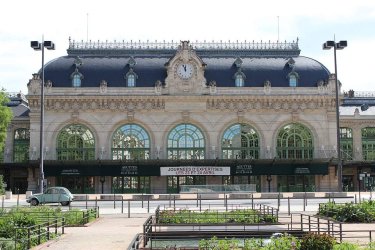
Gare des Brotteaux is a former French railway station in Lyon’s 6th arrondissement. Opened in 1859 and named after the Brotteaux district, it was an important station on the PLM axis and later closed in favor of Lyon-Part-Dieu.
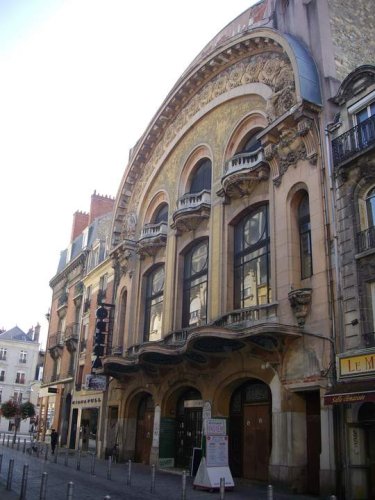
Cinéma Opéra was a cinema in Reims opened in 1923. Its history includes a move in 2019 to place Drouet-d'Erlon and the preservation of its classified facade on rue de Thillois.
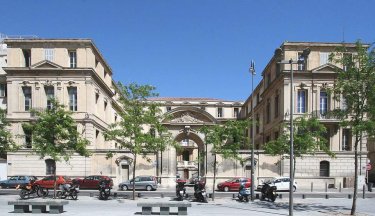
The Hôtel de police de Marseille is housed in the Palais épiscopal, a building on rue du Commissaire-Divisionnaire-Antoine-Becker. Its façades, roofs, and street portal are registered as historical monuments, and the building is also called l’évêché in metonymy.
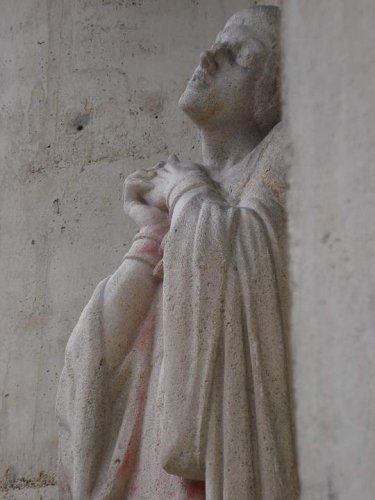
Jeanne au bûcher is a monument and sculpture by Maxime Real del Sarte. Presented at the Salon des artistes français in 1927, it later appeared in Rouen and was installed near the entrance of the Église Sainte-Jeanne-d'Arc.
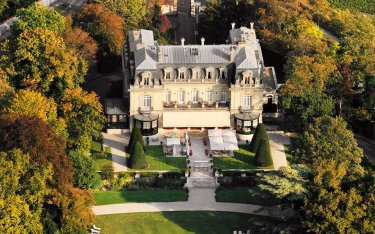
Les Crayères is a château in Reims, located on the UNESCO-listed colline Saint-Nicaise within a classified park designed by Edouard André and Edouard Redont. Built in pure Mansart style, it was inaugurated in 1904 and overlooks the city and surrounding landmarks.
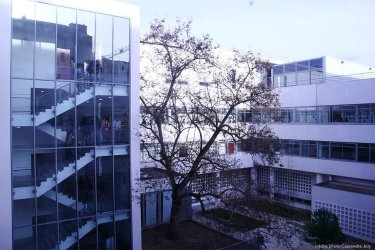
The École nationale supérieure des arts appliqués et des métiers d'art is a public institution for artistic and technical education in Paris. It results from the fusion of two schools created in 1922 and 1941 and is located on rue Olivier-de-Serres.
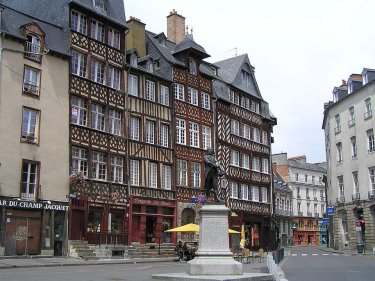
Place du Champ-Jacquet is a square in Rennes’s historic centre, formed by a Y-shaped junction of Champ Jacquet and rue Leperdit. It includes medieval half-timbered houses and a statue of Jean Leperdit in the middle of the square.
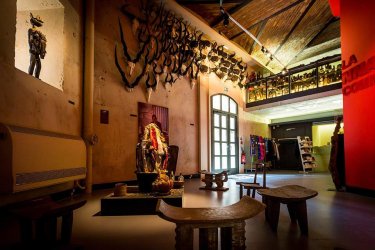
Voodoo Castle is a museum in Strasbourg housed in the old water castle, built in 1878 and listed as a historic monument in 1984. Founded in 2014, it presents a major private Voodoo art collection curated by Marie-Luce and Marc Arbogast.
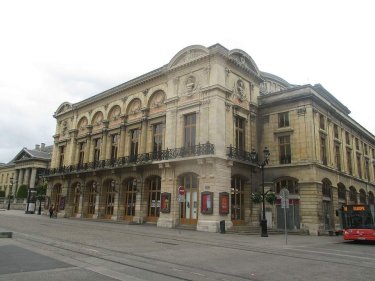
Reims Opera House is a theatre building in Reims, France, built by Alphonse Gosset with Narcisse Brunette and Ernest Leclère. Inaugurated in 1873, it combines a neoclassical exterior with Art Deco interior decoration.
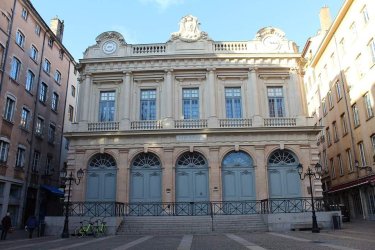
Temple du Change is a Reformed Protestant church in Lyon, France, on Place du Change. Originally the stock exchange building, La Loge du Change, it was built between 1631 and 1653 and altered in the mid-18th century before being assigned to Protestants in 1803.
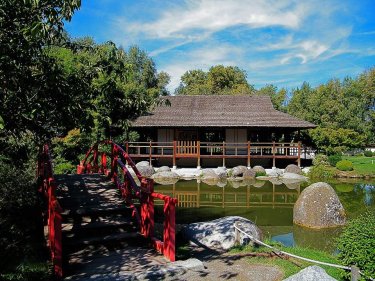
The Japanese Garden of Toulouse is a closed park in the Compans-Caffarelli green space. Designed as a place of meditation, it presents botanical varieties from the Far East, a mineral garden, and a red wooden bridge linking an island symbolizing paradise.
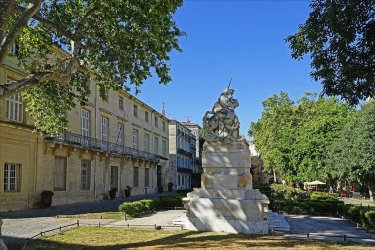
Place de la Canourgue is a rectangular square in Montpellier’s l’Écusson, in the Centre-Ville district. It is bounded by four streets and has five access streets, including one beside the hôtel Richer de Belleval.
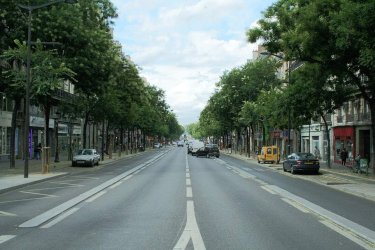
Boulevard de Magenta is a boulevard in the 10th arrondissement of Paris, crossing the Saint-Vincent-de-Paul, Porte-Saint-Denis, and Porte-Saint-Martin quarters. It connects Place de la République with Boulevard de la Chapelle and Boulevard Marguerite-de-Rochechouart.
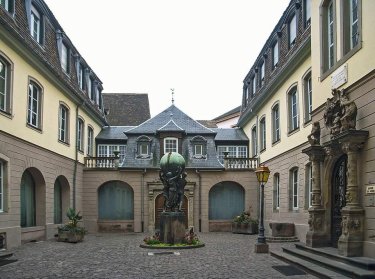
Musée Bartholdi is an art museum in Colmar, located in Frédéric-Auguste Bartholdi’s birthplace. It is dedicated to his life and work and presents the largest collection of his works across 700 m².
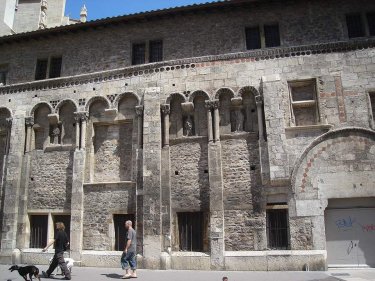
Manécanterie is a historic monument in Lyon’s Saint-Jean district, attached to the south-southwest of Saint-Jean Cathedral. Part of the former cathedral cloister, it first served the canons of Saint-Jean before becoming a manécanterie, a school for clergy singing.
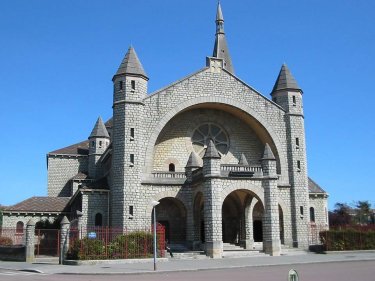
Église du Sacré-Cœur de Dijon is a church built in the 1930s in neo-Byzantine style. It stands in the quartier de la Maladière, in the north-east of Dijon, and was planned with support from Father Louis Tattevin.
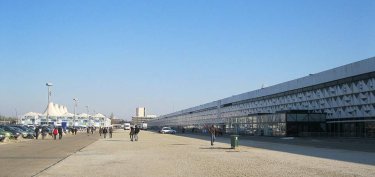
Parc des expositions de Bordeaux is an exhibition park spread over more than thirty hectares. It includes four main halls and faces the Palais des Congrès across the lake. The site has hosted major fairs and recurring professional and public events.
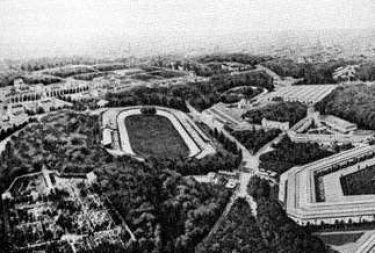
Vélodrome Jacques-Anquetil, formerly known as Vélodrome de la Cipale, is a velodrome in Paris. Located in the Bois de Vincennes since 1896, it was inaugurated in 1896 under the name Vélodrome municipal de Vincennes and later renamed in 1987.
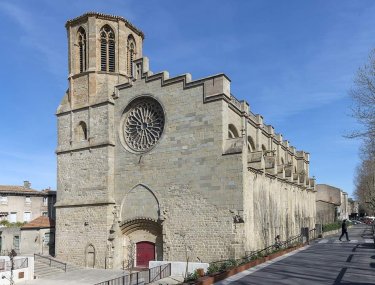
Carcassonne Cathedral is a Catholic cathedral in the bastide Saint-Louis of Carcassonne. It serves as the mother church of the diocese of Carcassonne and Narbonne and is built in the Southern Gothic style.
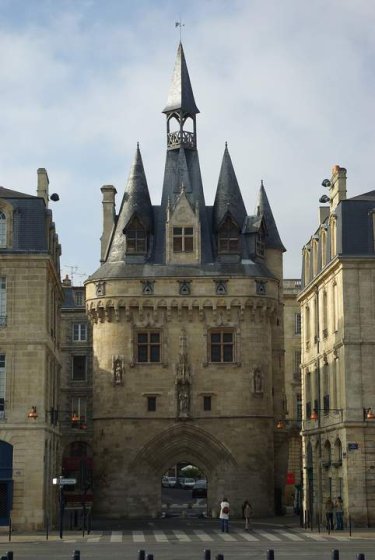
Porte Cailhau is a late 15th-century city gate in the historic center of Bordeaux, France. Standing on the bank of the Garonne, it consists of two connected towers and has been listed as a French historical monument since 1883.
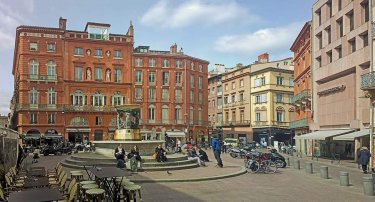
Place de la Trinité is a small triangular square in Toulouse, north of the Carmes district. Developed in the nineteenth century, it occupies the site of a major crossroads in Roman Tolosa and later became an important medieval square.
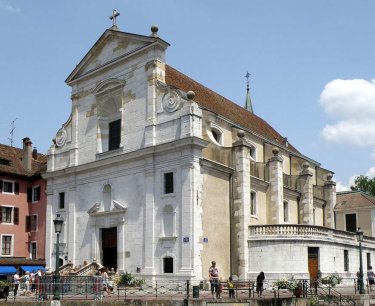
Saint-François-de-Sales Church is a Catholic church in Annecy, Haute-Savoie, France. Also called église des Italiens, it stands in the old town of Annecy, opposite the palais de l'Isle.
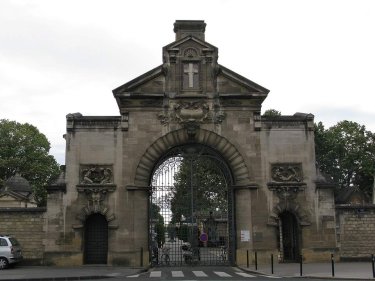
Chartreuse Cemetery is a 25.7-hectare cemetery in Bordeaux, created at the end of the 18th century on the former gardens of a Carthusian convent. It contains a range of 19th-century funerary monuments and was classified as a historical monument in 1921.
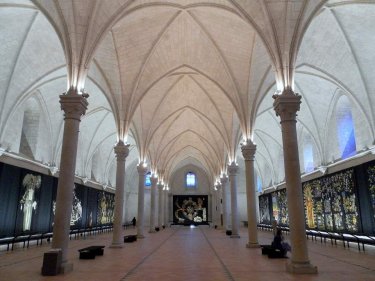
Musée Jean Lurçat is a tapestry museum housed in the old hospital’s large sickroom and a neighboring former 19th-century orphanage. It echoes the Tenture de l'Apocalypse and presents works by Jean Lurçat and later textile artists.
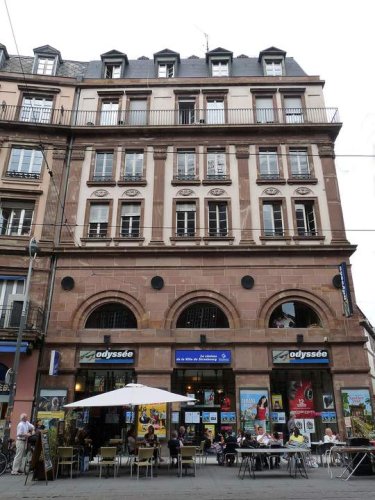
Le Cosmos is a cinema hall in Strasbourg, at the corner of 3 rue des Francs-Bourgeois and rue des Sept-Hommes, near place Kléber. Built in 1913, it is among the oldest cinemas in France and has been listed as a historical monument since 1990.
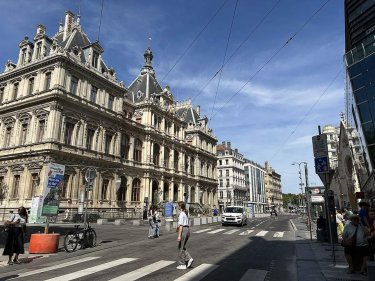
Place des Cordeliers is a public square in the center of Lyon’s Cordeliers district. Created in 1557 and later redeveloped in the 19th century, it was extensively remodeled in the 20th century.
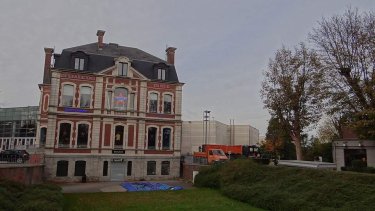
Kinépolis Lomme is a castle in Lomme that serves as the facade of a Kinépolis multiplex cinema. The site combines a historic château image with a contemporary urban cinema landmark.
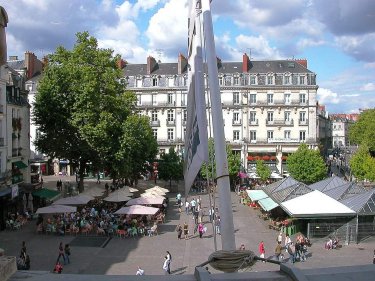
Place du Commerce is a pedestrian square in Nantes, France, located in the city center near the main public transport station. Also unofficially called place Sarajevo, it is a central location in the life of the city.
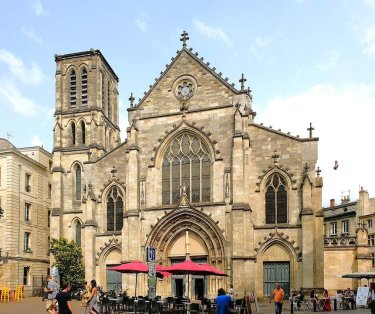
Église Saint-Pierre de Bordeaux is a church building in Bordeaux, in the French department of Gironde, located at place Saint-Pierre. Its history is linked to the city’s early riverside development, medieval rebuilding, later restructuring, and 20th-century heritage protection.
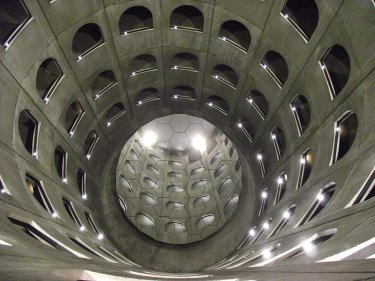
Parking des Célestins is an underground parking facility in Lyon, France, located beneath Place des Célestins. Completed in 1994, it is noted for its original design and artistic intervention, including a periscope view by Daniel Buren.
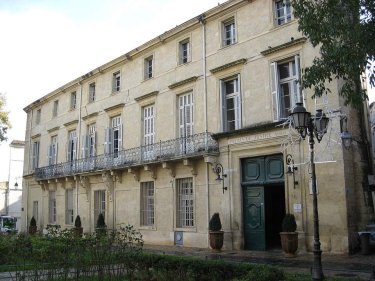
L’Hôtel Richer de Belleval, also known as hôtel de Belleval and hôtel de Boulhaco, is a private mansion on Place de la Canourgue in Montpellier. Registered as a historic monument, it reopened after major rehabilitation and now includes a hotel, restaurant, and contemporary art foundation.
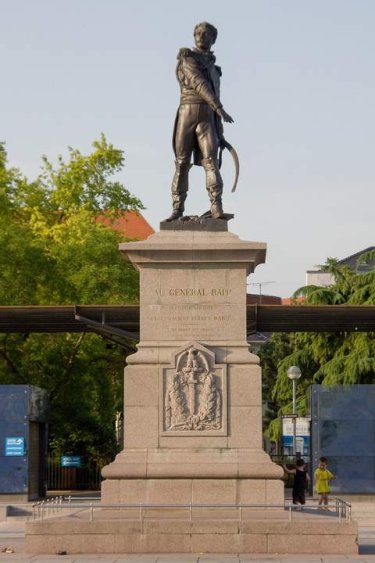
The Statue of Jean Rapp is a bronze monument by Auguste Bartholdi in Colmar, Haut-Rhin, France. It depicts General Jean Rapp in an imposing attitude with an expressive face and stands on a granite base with engraved battle names and inscriptions.
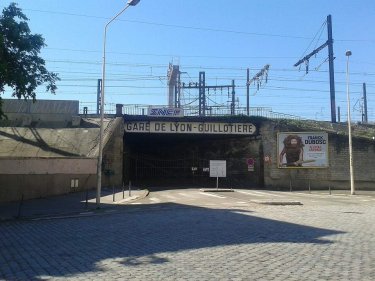
Gare de Lyon-Guillotière is a freight station in Lyon. Built between 1947 and 1949 by architect Jean Clet and engineer Bernard Laffaille, it consists of two concrete halls and was used by Sernam until 2012.
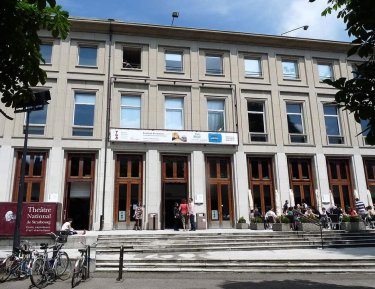
Founded in 1954 by Michel Saint-Denis at the Théâtre national de Strasbourg, the Drama School of Strasbourg trains theatre professionals in shared and specialist courses.
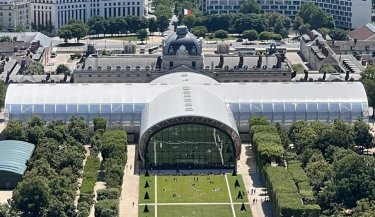
Grand Palais Éphémère was a temporary event hall on the Champ de Mars in Paris. Built in 2021 to replace the closed Grand Palais during renovation, it also served as the Olympic venue Arena Champ-de-Mars before being dismantled in 2025.
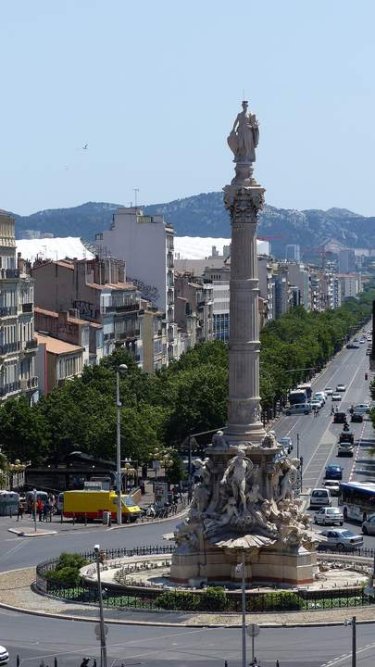
Castellane Square is a plaza in Marseille’s 6th district, near the city center. It is named after Henri-César de Castellane-Majastre and has been a site of notable monument changes, including an obelisk and the Jules Cantini fountain.
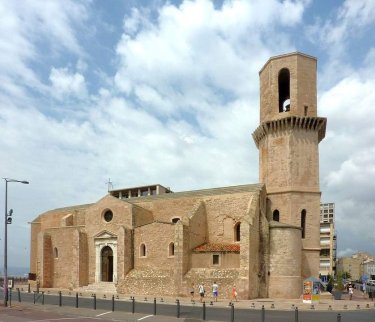
Eglise Saint-Laurent is a Romanesque Provençal church on Saint-Laurent hill, at 16 esplanade de la Tourette in Marseille, near Fort Saint-Jean. It serves as the parish church for fishermen and seafarers of the city.
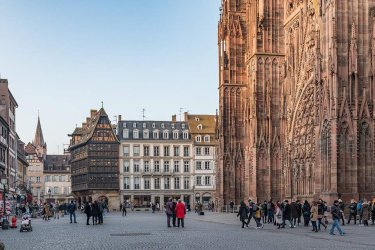
Place de la Cathédrale is a former square marked by notable buildings, including the Pharmacie du Cerf and the house Kammerzell. A sandstone column and a time capsule buried in 2023 also form part of the site.
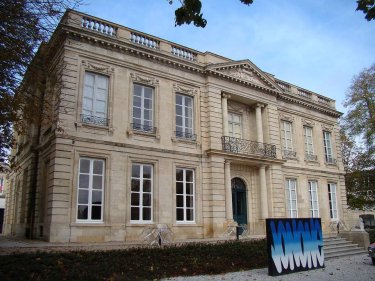
Château Labottière, also called Hôtel Labottière or Maison Tivoli, is an 18th-century hôtel particulier at 29 rue Labottière in Bordeaux. Built for the Labottière brothers, it now houses the Institut culturel Bernard-Magrez.
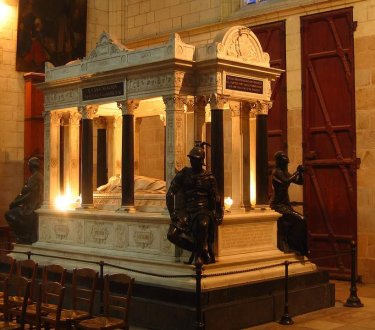
The Lamoricière cenotaph is a funerary monument installed in 1879 in Nantes’s Saint-Pierre-et-Saint-Paul Cathedral. Made of white marble and black bronze, it commemorates Juchault de La Moricière and his services to the papacy.
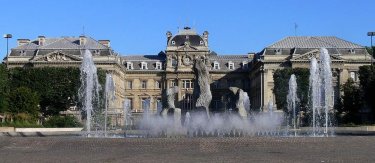
Place de la République is a square in central Lille, created on the former fortifications at the porte Notre-Dame site. It was first named place Napoléon-III and later renamed after the fall of the Second Empire.
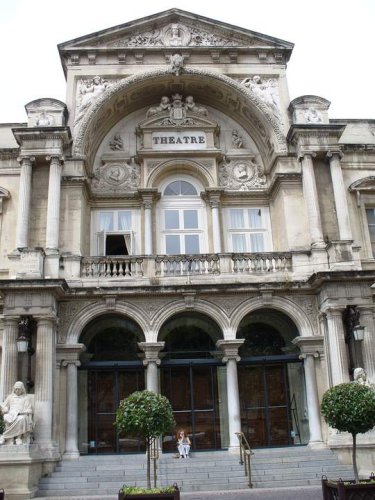
L’Opéra d’Avignon, also known as Opéra Grand Avignon, is a historic opera house in Avignon. Its building was rebuilt in 1846–1847 after a fire and later renovated in 1978 and from 2018 to 2021.
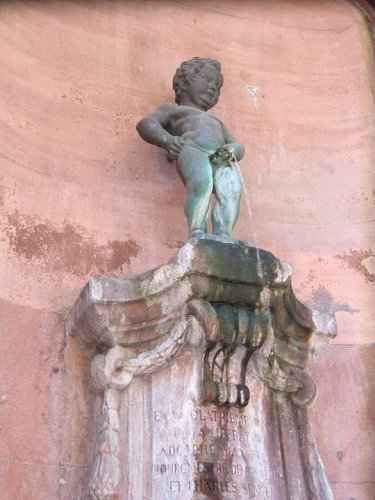
Manneken-Pis de Colmar is a monument in Colmar, Haut-Rhin, France. It is a copy of the Manneken-Pis of Brussels and the first official replica, originally installed in 1922.