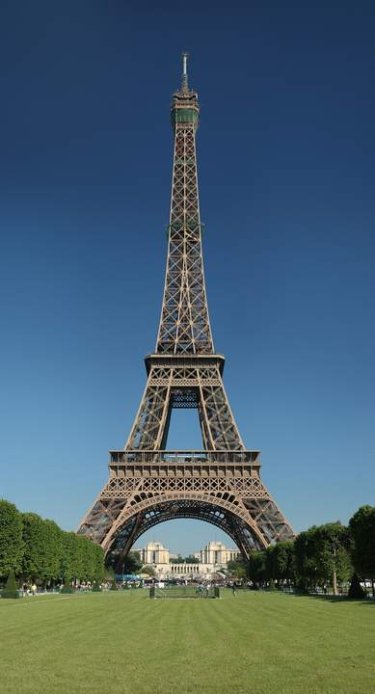
Eiffel Tower
The Eiffel Tower is a wrought-iron lattice tower in Champ de Mars, Paris, France. Built from 1887 to 1889, it was the centerpiece of the 1889 Exposition Universelle and is now one of the world’s most recognized structures.
The Eiffel Tower is a wrought-iron lattice tower in Champ de Mars, Paris, France. Built from 1887 to 1889, it was the centerpiece of the 1889 Exposition Universelle and is now one of the world’s most recognized structures.
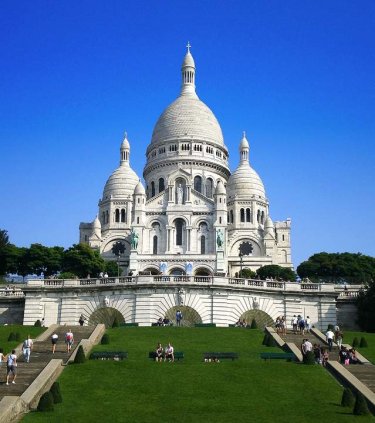
Sacré-Cœur is a major religious building on the summit of Montmartre in Paris, near one of the city’s highest points. Completed in 1923, it has a dome visible from far away and receives nearly eleven million visitors and pilgrims annually.
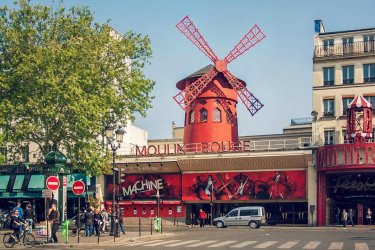
Moulin Rouge is a Parisian cabaret founded in 1889 by Josep Oller and Charles Zidler. Located on boulevard de Clichy in Pigalle, it is known for its French cancan show and its distinctive hall architecture.
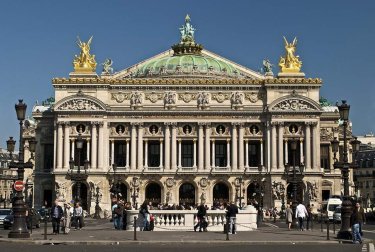
Palais Garnier is a historic 1,979-seat opera house at Place de l'Opéra in Paris, built for the Paris Opera between 1861 and 1875. It became known for its opulence, Napoleon III style, and cultural prominence.
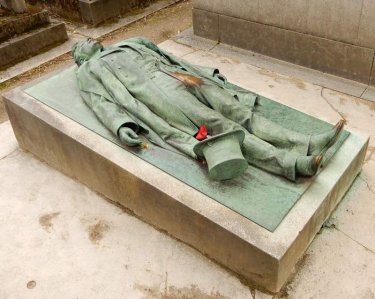
The grave of Victor Noir is located in Père-Lachaise Cemetery in Paris. It includes a bronze recumbent sculpture by Jules Dalou, created in 1891, marking the journalist’s burial place and memorial.
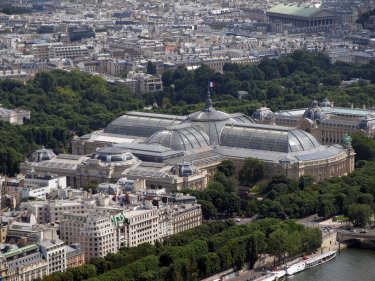
The Grand Palais, also known as Le Grand Palais des Beaux-Arts, is a monument in Paris on the edge of the Champs-Élysées. It stands opposite the Petit Palais and regularly hosts salons and exhibitions.
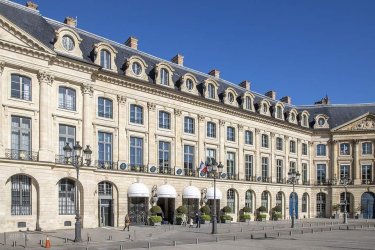
Hôtel Ritz Paris is a historic hotel in central Paris overlooking Place Vendôme in the 1st arrondissement. Founded in 1898, it is known for its luxury, notable guests, and literary and film associations.
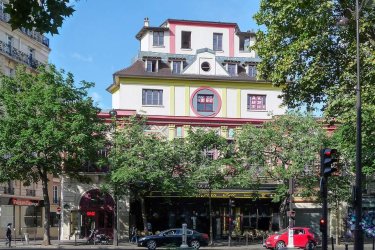
Bataclan is a performance hall at 50, boulevard Voltaire in Paris. Built in 1864 by Charles Duval, it opened in 1865 and later became a historic monument.
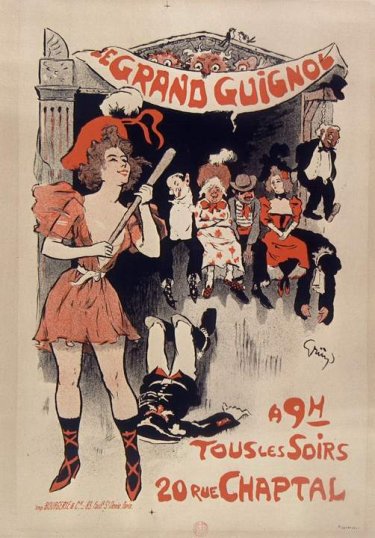
Théâtre du Grand-Guignol was a former theatre in Paris’s Pigalle district at 7, cité Chaptal. Opened in 1897 and closed in 1962, it specialized in horror shows and became associated with graphic horror entertainment.
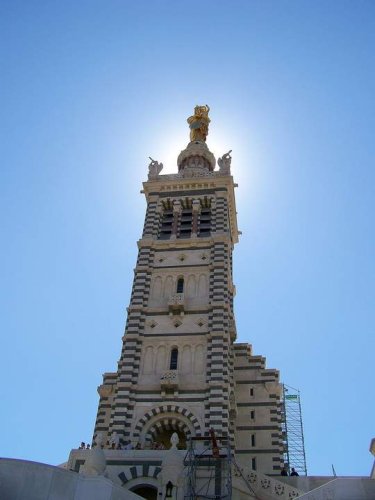
Notre-Dame de la Garde is a Catholic basilica in Marseille, France, and the city’s best-known symbol. Built on a limestone outcropping above the Old Port, it is also the city’s most visited site.
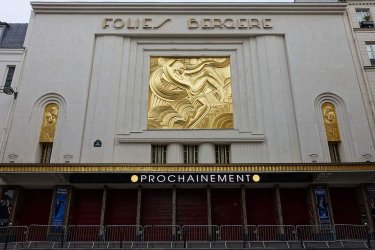
Folies Bergère is a cabaret music hall and theatre building in Paris, France, at 32 Rue Richer in the 9th Arrondissement. Opened in 1869 as Folies Trévise, it became Folies Bergère in 1872 and remains in business.
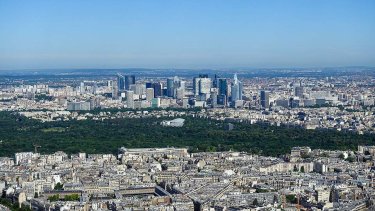
Bois de Boulogne is a forest and urban park in western Paris, near Boulogne-Billancourt and Neuilly-sur-Seine. Covering 845 hectares, it is the city’s second-largest park and includes gardens, lakes, sports venues, and cultural institutions.
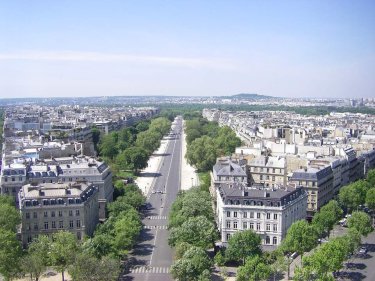
Avenue Foch is a wide avenue in Paris, extending from place Charles-de-Gaulle to porte Dauphine. Known for its gardens and large unpaved cavalier paths, it is regarded as one of the city’s most prestigious addresses.
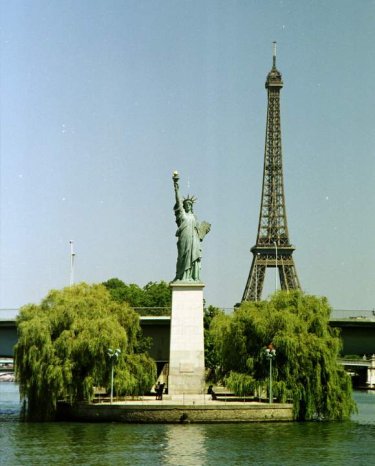
Liberty Enlightening the World refers to the Statue of Liberty and several related models and copies in Paris. These include objects in museums, the Jardin du Luxembourg, Île aux Cygnes, and a barge near the Eiffel Tower.
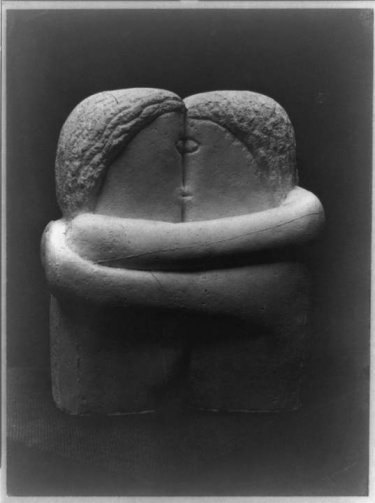
The Kiss is a stone monumental sculpture by Constantin Brâncuși. It depicts two crouching lovers fused into a symmetrical vertical form and is installed as the funerary monument of Tatiana Rachewskaïa in Montparnasse Cemetery.
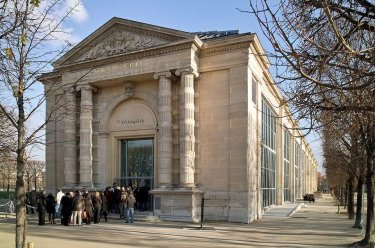
Musée de l'Orangerie is a French national museum of Impressionist and Post-Impressionist paintings in Paris, located in the Jardin des Tuileries. It displays Monet’s Nymphéas cycle in two oval rooms and presents works by major modern painters.
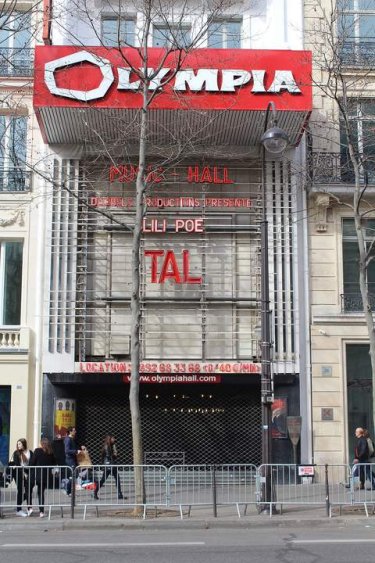
Olympia is a concert hall and theatre building in the 9th arrondissement of Paris, at 28 Boulevard des Capucines. Built in 1892 and opened in 1893, it has hosted opera, ballet, music hall performances, cinema screenings, and concerts.
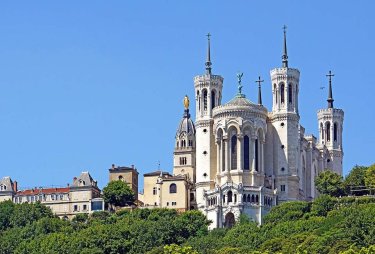
The Basilica of Notre-Dame de Fourvière overlooks Lyon from the summit of Fourvière hill. Built from 1872 in neo-Byzantine style, it is a major symbol of the city and part of a complex that includes a chapel, statue, esplanade, and garden.
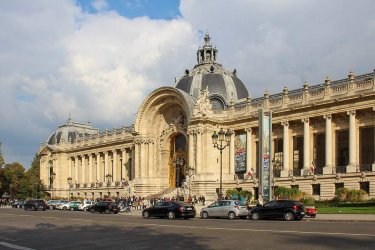
The Petit Palais is a historic building and fine arts museum in Paris’s 8th arrondissement, on Avenue Winston Churchill in the Champs Élysées area. Designed by Charles Girault for the 1900 Universal Exposition, it forms part of a monumental complex with the Grand Palais and the Pont Alexandre III.
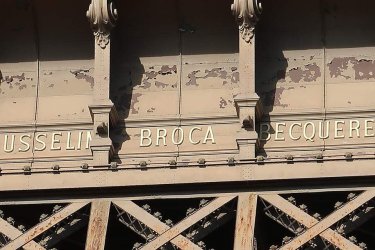
Les savants de la tour Eiffel are 72 names inscribed on the first-floor frieze of the Eiffel Tower in Paris. The gilded relief names commemorate scientists, engineers, and industrialists chosen to honor France from 1789 to 1889.
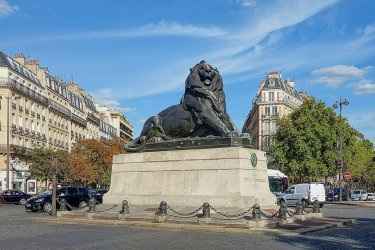
The Lion of Belfort is a monumental replica in repoussé copper plates by Auguste Bartholdi, installed at Place Denfert-Rochereau in Paris. Reduced to one-third of the original Lion de Belfort, it faces toward the Statue of Liberty in the arrondissement.
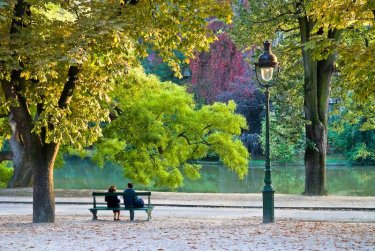
Parc des Buttes-Chaumont is a public garden in northeast Paris, in the 19th arrondissement. Opened in 1867, it covers nearly 25 hectares and is designed as an English-style landscape.
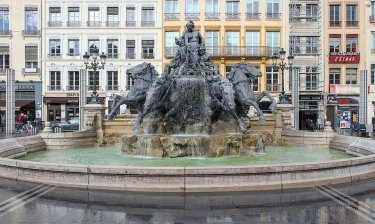
Fontaine Bartholdi is a fountain and sculpture at Place des Terreaux in central Lyon, France. Created by Frédéric Auguste Bartholdi, it was inaugurated in 1892 under the name Char triomphal de la Garonne.
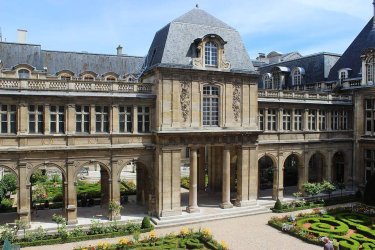
Musée Carnavalet in Paris is dedicated to the history of the city. It occupies the Hôtel Carnavalet and the former Hôtel Le Peletier de Saint Fargeau, and displays furnished rooms, historic objects, and paintings of Paris life.
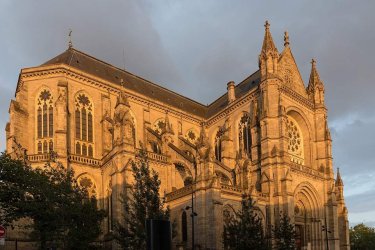
Basilique Notre-Dame de Bonne Nouvelle is a minor Catholic basilica in the city center of Rennes, Brittany. It stands on Place Sainte-Anne, north of the square, and replaces an older church of the same name on the site.
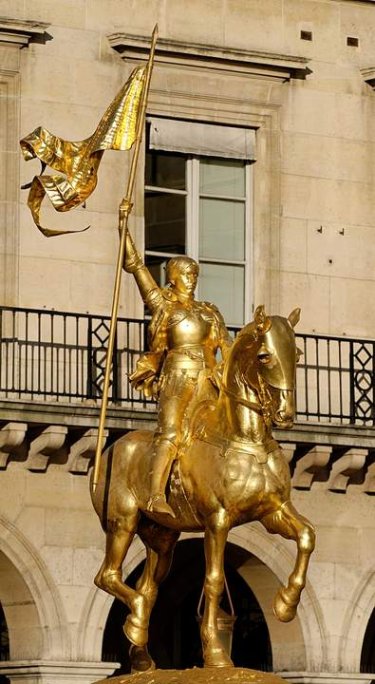
The equestrian statue of Joan of Arc by French sculptor Emmanuel Frémiet was inaugurated in 1874 at Place des Pyramides in Paris, France. Commissioned after the defeat in the Franco-German War of 1870, it portrays Joan of Arc on a large draft horse.
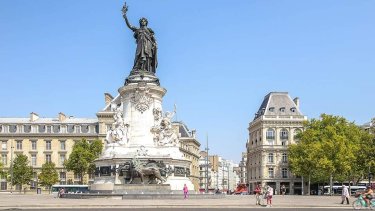
Place de la République is a public square in Paris, France, located between the 3rd, 10th, and 11th arrondissements. Measuring 3.4 hectares, it is a major junction, transport hub, and frequent site of public, cultural, and political demonstrations.
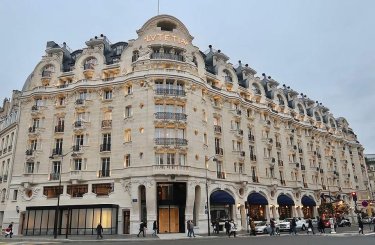
Hôtel Lutetia is a luxury hotel at 45 boulevard Raspail in Paris’s Notre-Dame-des-Champs district. Built in 1910, it has long been associated with prestigious hotel reception, wartime occupation, and later postwar memory.
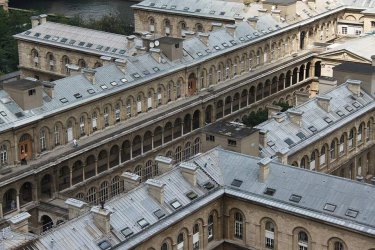
Hôtel-Dieu de Paris is a hospital complex on the Île de la Cité in Paris, at the north edge of the parvis Notre-Dame. Founded around 650 by Saint Landry, it is the oldest hospital in Paris.
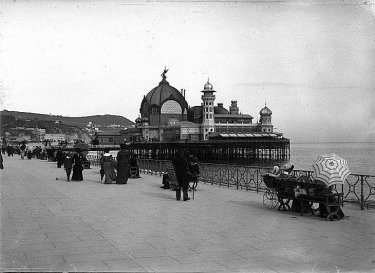
Jetée-Promenade de Nice was an old structure built on stilts over the sea in Nice in 1882. Intended for recreation and tourism, it especially aimed to attract English visitors. It was destroyed in 1944.
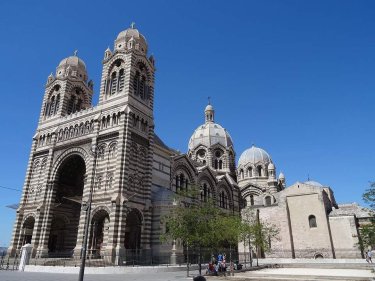
Marseille Cathedral, known as La Major, is a Romanesque-Byzantine building in Marseille, Bouches-du-Rhône. Built between 1852 and 1893, it stands on an esplanade between the Vieux-Port and the new commercial port.
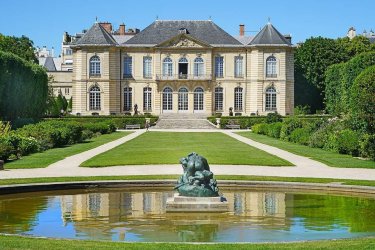
Musée Rodin is an art museum in Paris, opened in 1919 and dedicated primarily to the works of Auguste Rodin. It is based at the Hôtel Biron and surrounding grounds.
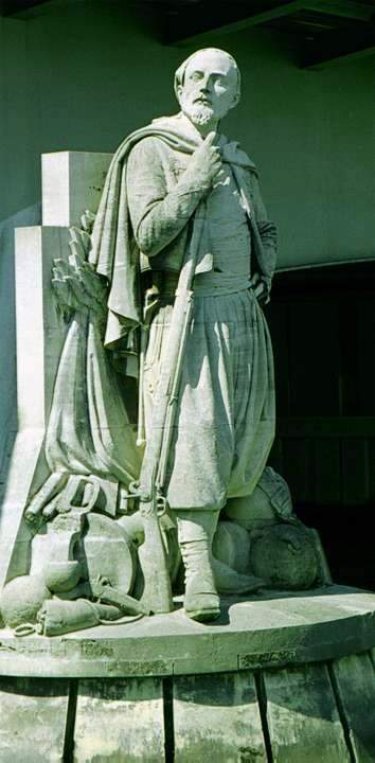
Le Zouave du pont de l'Alma is a stone statue created by Georges Diebolt in 1856. It is one of four sculptures made for the former Pont de l’Alma and the only one still at the original site in Paris.
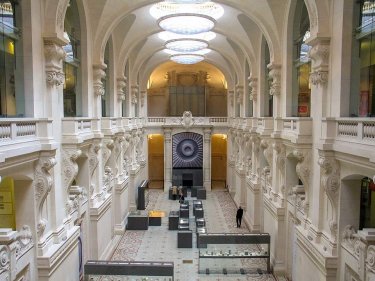
The Musée des Arts Décoratifs is a Parisian museum in the Marsan wing of the Palais du Louvre on rue de Rivoli. It preserves one of the world’s major collections of decorative arts and promotes applied fine arts.
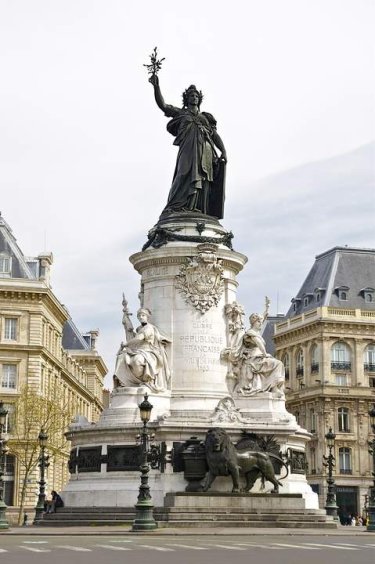
The Monument to the Republic is a monumental statuary complex in Place de la République, Paris. Inaugurated in 1883, it presents an allegory of the French Republic, with Marianne atop a stone pedestal and surrounding sculptures symbolizing republican ideals.
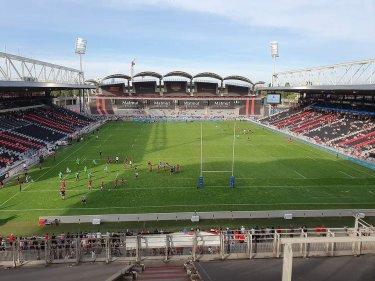
Stade de Gerland, publicly named Matmut Stadium Gerland, is a multi-purpose sports venue in Lyon’s Gerland district. It is the second largest sports arena in the Lyon metropolitan area, has a seating capacity of 25,000, and is registered as a historical monument.
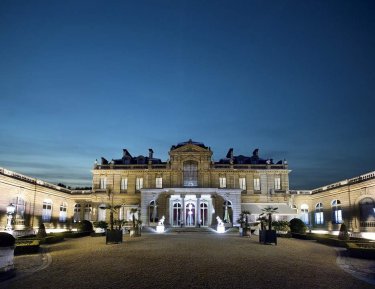
Musée Jacquemart-André is a museum of fine arts and decorative arts at 158 boulevard Haussmann. Opened to the public in 1913, it occupies a former private residence of art collectors and preserves its original layout.
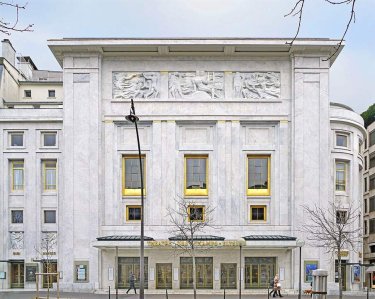
The Théâtre des Champs-Élysées is an ensemble of three performance halls at 15, avenue Montaigne. Built in 1913, it is regarded as one of the first representatives of Art Deco architecture and includes a restaurant at the top.
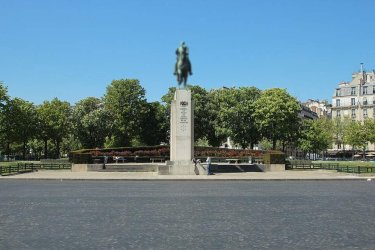
Place du Trocadéro is a square on the heights of Chaillot in Paris, at the crossroads of several avenues. Planted with trees, it includes an equestrian statue of maréchal Foch and opens onto the Palais de Chaillot and the parvis des droits de l'homme.
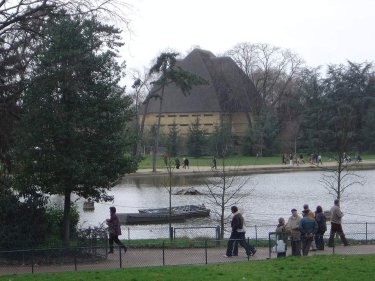
Bois de Vincennes is a forest and urban park on the eastern edge of Paris, France. Created between 1855 and 1866 by Napoleon III, it is the largest public park in Paris and includes gardens, sports facilities, and a zoo.
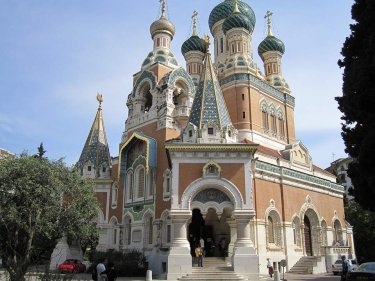
The Russian Orthodox Cathedral in Nice, France, is an Orthodox church near boulevard Tzaréwitch and avenue Nicolas II. It belongs to the Korsun Diocese of the Russian Orthodox Church and is one of Nice’s most famous landmarks.
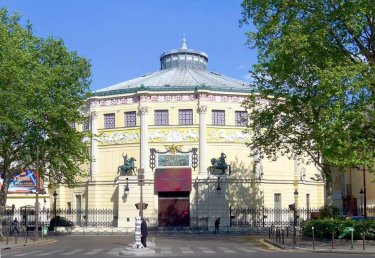
Cirque d'Hiver is a circus building in Paris, constructed in 1852 by architect Jacques Hittorff. Formerly called cirque Napoléon and Cirque national, it is a registered historical monument and now hosts traditional circus, variety shows, and political meetings.
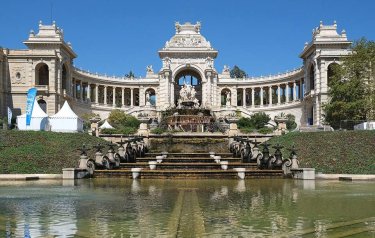
Palais Longchamp is a neo-classical Second Empire palais and château d'eau in the Cinq-Avenues quarter of Marseille. Inaugurated in 1869, it is listed and classified as a monument historique.
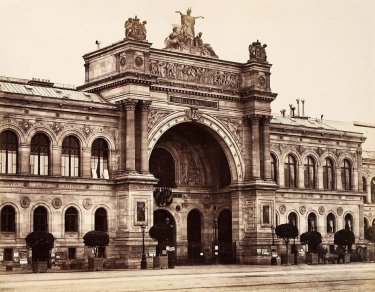
Palais de l'Industrie was an old exhibition building on the avenue des Champs-Élysées in Paris, constructed for the Exposition universelle de 1855. It later hosted artistic salons, the first Exposition internationale d'Électricité, and temporary military hospital use.
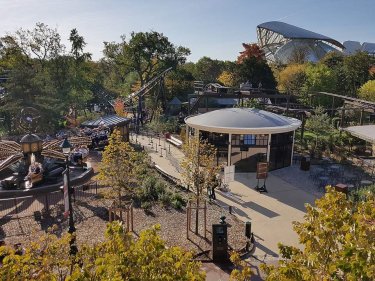
Jardin d'Acclimatation is a 19-hectare amusement park and zoo at the edge of the Bois de Boulogne, between porte de Neuilly and porte des Sablons. It runs along boulevard Maurice-Barrès in Neuilly-sur-Seine and is open every day of the year.
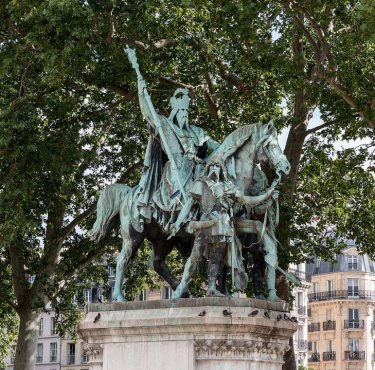
Charlemagne et ses Leudes is a monumental bronze equestrian group on the Parvis Notre-Dame in Paris. It depicts Charlemagne in old age with Roland and Oliver, his guards, and reflects a long history of planning, exhibition, and relocation.
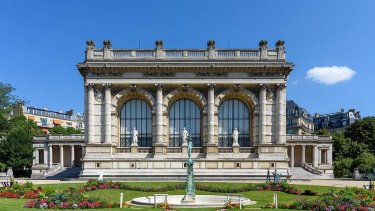
Palais Galliera is a French neo-Renaissance museum on Chaillot hill in Paris’s 16th arrondissement. It holds nearly 100,000 items and one of the world’s most important fashion collections, presenting fashion history from the 18th century to the present.
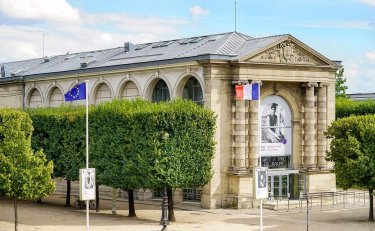
Galerie nationale du Jeu de Paume is an art museum in Paris with origins in a former tennis court in the Tuileries Gardens. It later became known for exhibitions linked to the Louvre and the Musée de l’Orangerie and for its wartime history.