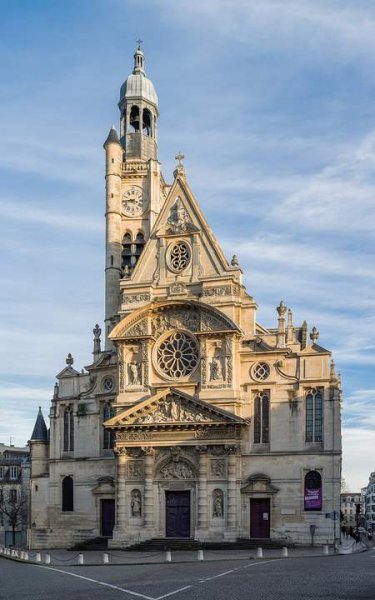
Saint-Étienne-du-Mont
Saint-Étienne-du-Mont is a church building on the Montagne Sainte-Geneviève in Paris 5e, near the Lycée Henri-IV and the Panthéon. It replaced a 13th-century building and remained in use as a parish church.
Saint-Étienne-du-Mont is a church building on the Montagne Sainte-Geneviève in Paris 5e, near the Lycée Henri-IV and the Panthéon. It replaced a 13th-century building and remained in use as a parish church.
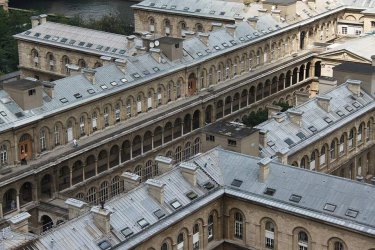
Hôtel-Dieu de Paris is a hospital complex on the Île de la Cité in Paris, at the north edge of the parvis Notre-Dame. Founded around 650 by Saint Landry, it is the oldest hospital in Paris.
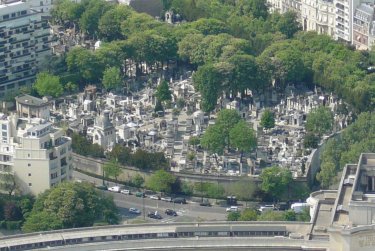
Passy Cemetery is a Parisian cemetery opened in 1820 near the Champs-Élysées on the Right Bank. Located behind the Trocadéro and in the shadow of the Eiffel Tower, it became an aristocratic necropolis of Paris by 1874.
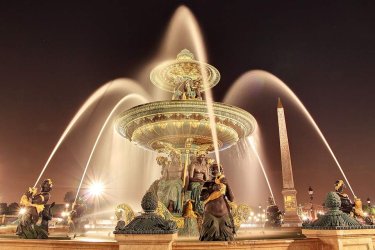
The Fontaines de la Concorde are two monumental fountains in the Place de la Concorde in central Paris. Designed by Jacques Ignace Hittorff, they were completed in 1840 during the reign of King Louis-Philippe. Each fountain has a commemorative theme linked to French commerce and navigation.
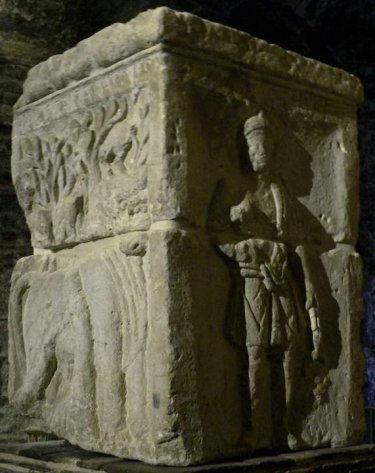
The Pillar of the Boatmen is a Gallo-Roman limestone monument from Lutetia, present-day Paris. It features depictions of Roman and Gaulish deities and a dedicatory inscription, and is now located in the Musée national du Moyen Âge.
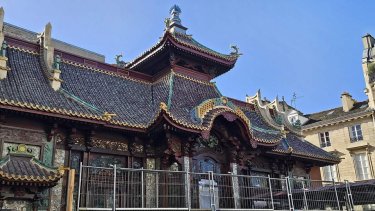
La Pagode is a movie theater at 57 bis rue de Babylone in Paris’s 7th District, on the corner of rue de Babylone and rue Monsieur. It is known for its Japanese-style room and garden and is considered one of the city’s most unusual cinema venues.
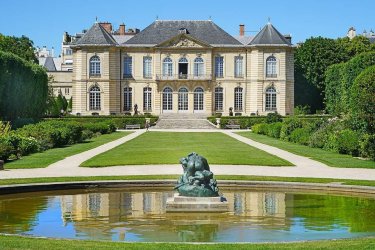
Musée Rodin is an art museum in Paris, opened in 1919 and dedicated primarily to the works of Auguste Rodin. It is based at the Hôtel Biron and surrounding grounds.
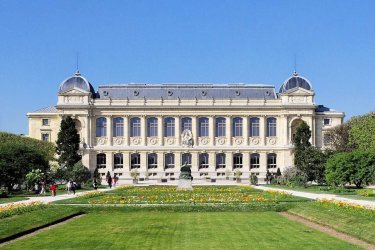
The Muséum national d'histoire naturelle is France’s National Museum of Natural History and a higher education institution linked to Sorbonne University. Its main museum in Paris, within the Jardin des Plantes, includes four galleries.
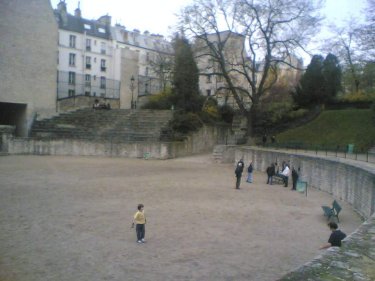
Les arènes de Lutèce is a Gallo-Roman amphitheater in Paris. It combines a stage and an arena, and was rediscovered in the 19th century after long obscurity.
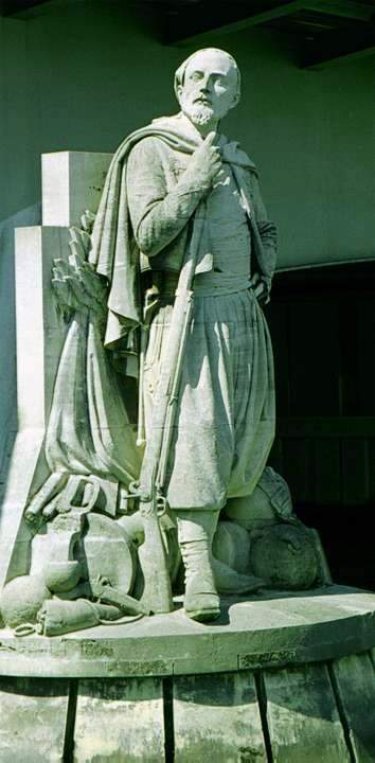
Le Zouave du pont de l'Alma is a stone statue created by Georges Diebolt in 1856. It is one of four sculptures made for the former Pont de l’Alma and the only one still at the original site in Paris.
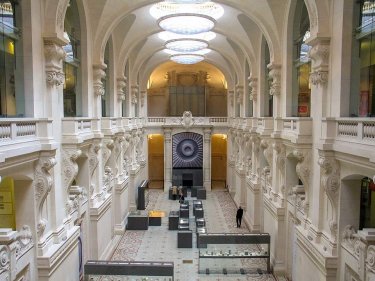
The Musée des Arts Décoratifs is a Parisian museum in the Marsan wing of the Palais du Louvre on rue de Rivoli. It preserves one of the world’s major collections of decorative arts and promotes applied fine arts.
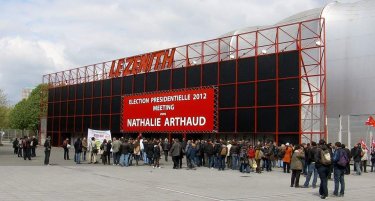
Zénith Paris – La Villette is a concert hall and multi-purpose venue in Parc de la Villette, in Paris’s 19th arrondissement. It has a maximum capacity of 6,804 seats and was built in 1983.
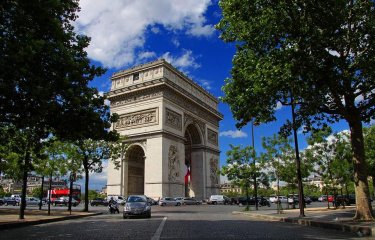
Place Charles-de-Gaulle is a square in Paris centered on the Arc de Triomphe. Renamed in 1970 from place de l’Étoile, it remains commonly known by that former name and is marked by a star-shaped layout.
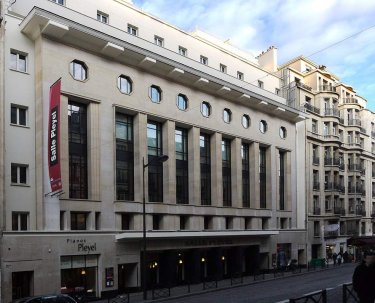
Salle Pleyel is a concert and performance hall in Paris, inaugurated in 1927 and designed in Art Deco style. It was a major French symphonic venue until 2015 and has been listed as a historic monument since 1983.
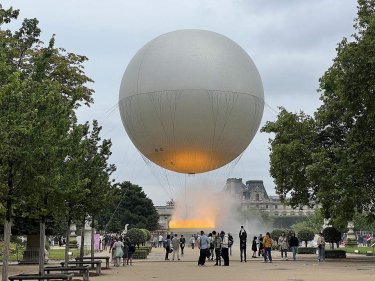
The Paris 2024 cauldron is the official Olympic and Paralympic flame structure installed in the Jardin des Tuileries. Designed by Mathieu Lehanneur, it combines a circular metallic cauldron, a balloon support, and electrically illuminated water mist.
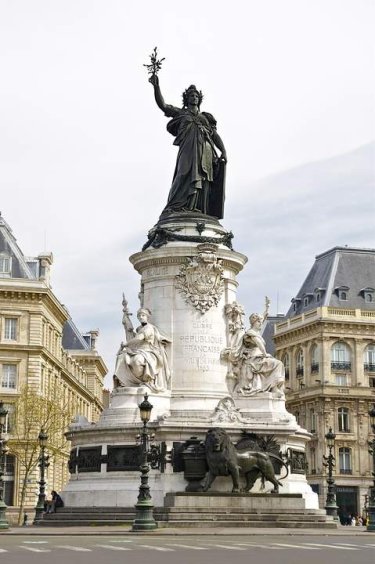
The Monument to the Republic is a monumental statuary complex in Place de la République, Paris. Inaugurated in 1883, it presents an allegory of the French Republic, with Marianne atop a stone pedestal and surrounding sculptures symbolizing republican ideals.
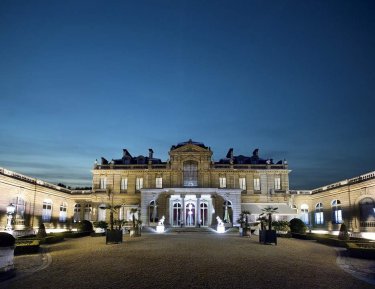
Musée Jacquemart-André is a museum of fine arts and decorative arts at 158 boulevard Haussmann. Opened to the public in 1913, it occupies a former private residence of art collectors and preserves its original layout.
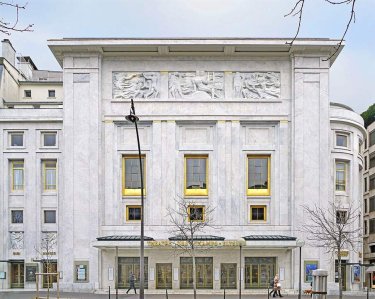
The Théâtre des Champs-Élysées is an ensemble of three performance halls at 15, avenue Montaigne. Built in 1913, it is regarded as one of the first representatives of Art Deco architecture and includes a restaurant at the top.
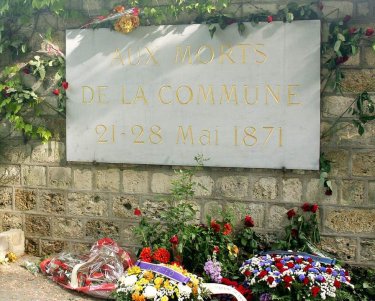
The Communards' Wall is a memorial wall in the southeast corner of Père-Lachaise Cemetery in Paris. It marks the place where Communards were executed by the Versailles army at the end of the Bloody Week in 1871 and later became a major site of remembrance.
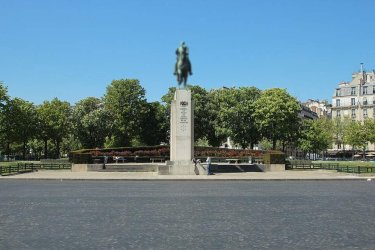
Place du Trocadéro is a square on the heights of Chaillot in Paris, at the crossroads of several avenues. Planted with trees, it includes an equestrian statue of maréchal Foch and opens onto the Palais de Chaillot and the parvis des droits de l'homme.
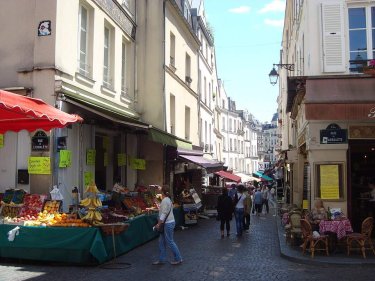
Rue Mouffetard is one of the oldest streets in Paris, dating from the Late Empire or the 4th or 5th century. It is a busy Latin Quarter street and the main street of the Saint-Médard suburb.
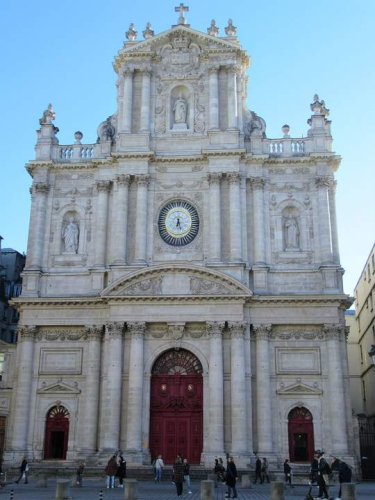
Église Saint-Paul-Saint-Louis is a church on rue Saint-Antoine in the Marais quarter of Paris. Built between 1627 and 1641 for Louis XIII, it was the first church in Paris to use Jesuit Baroque style instead of Gothic and influenced later religious architecture.
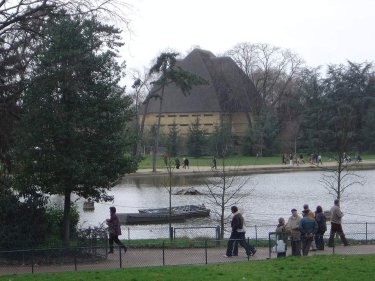
Bois de Vincennes is a forest and urban park on the eastern edge of Paris, France. Created between 1855 and 1866 by Napoleon III, it is the largest public park in Paris and includes gardens, sports facilities, and a zoo.
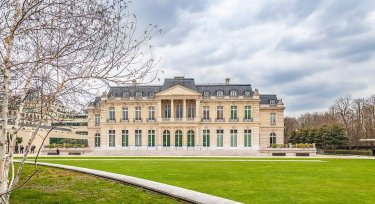
Château de la Muette is a château on rue André-Pascal in Paris, near the Bois de Boulogne and Porte de la Muette. Rebuilt by Henri de Rothschild and designed by Lucien Hesse, it now houses the OECD headquarters.
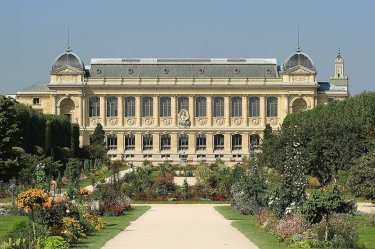
Jardin des Plantes is the main botanical garden in France, located in Paris’s 5th arrondissement on the left bank of the Seine. It includes museums, greenhouses, and a small zoo.
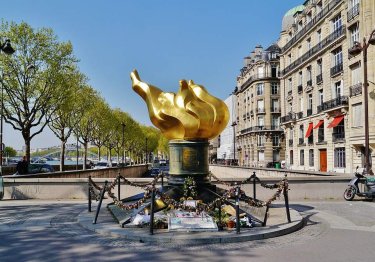
Flame of Liberty is a monument in Paris overlooking the west entrance of the Pont de l'Alma tunnel. Located at Place Diana, it is a full-scale reproduction of the torch held by the Statue of Liberty in New York.
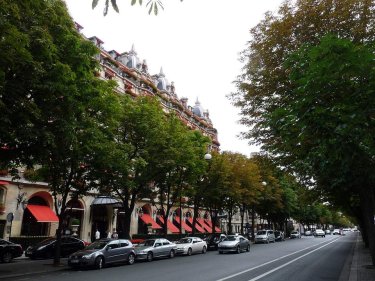
Avenue Montaigne is a 615-meter avenue in Paris, running from Place de l’Alma to the rond-point des Champs-Élysées. It marks the southern edge of the triangle d’or and is served by metro stations Alma - Marceau and Franklin D. Roosevelt.
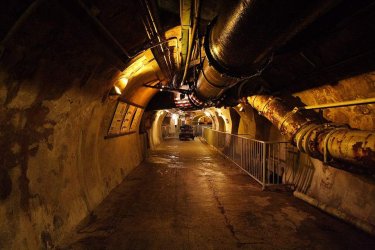
The Paris sewers are an underground network for collecting and evacuating runoff water and wastewater. Shaped over centuries, they were transformed under Prefect Haussmann and engineer Eugène Belgrand and can be visited at the Sewer Museum.
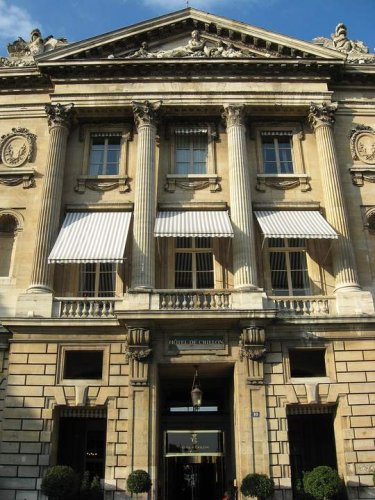
Hôtel de Crillon is a hotel at Place de la Concorde in Paris’s 8th arrondissement. Built in 1775 by Louis-François Trouard, it occupies a building with a facade designed by Ange-Jacques Gabriel and later became a palace hotel.
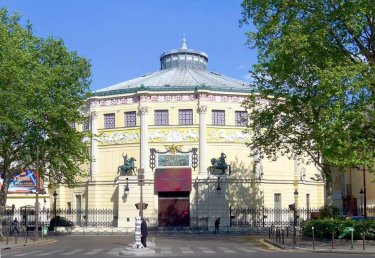
Cirque d'Hiver is a circus building in Paris, constructed in 1852 by architect Jacques Hittorff. Formerly called cirque Napoléon and Cirque national, it is a registered historical monument and now hosts traditional circus, variety shows, and political meetings.
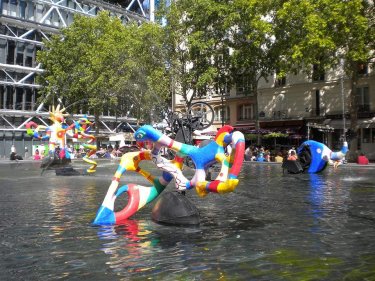
The Stravinsky Fountain is a whimsical public fountain in Paris created in 1983 by Jean Tinguely and Niki de Saint Phalle. It features sixteen sculptures inspired by the works of composer Igor Stravinsky.
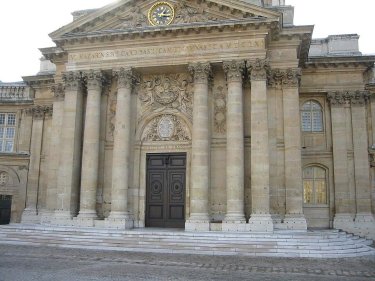
The Académie des beaux-arts is a national art academy and member of the Institut de France. Created in 1816, it is the heir to royal academies of painting, music, and architecture.
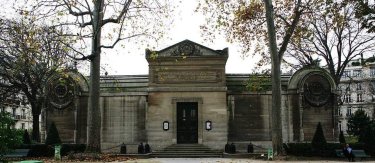
The Chapelle Expiatoire is a church building in Paris’s 8th arrondissement, within a religious and commemorative ensemble dedicated to victims of the French Revolution, including the royal couple. It stands on the former cemetery of La Madeleine and was built between 1816 and 1826.
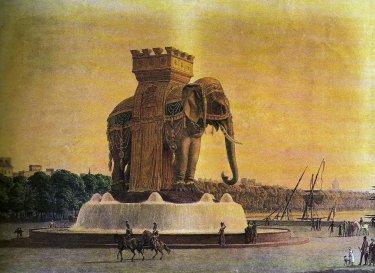
The Elephant of the Bastille was a Napoleonic project for a monumental fountain planned for Place de la Bastille in Paris. It was to be supplied by water from the Ourcq via the Canal Saint-Martin and crowned by a colossal elephant with a tower-shaped howdah.
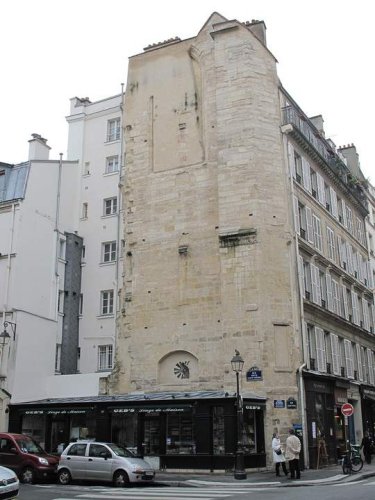
Hôtel Saint-Pol was a former royal residence in Paris on the right bank of the Seine, created during the Hundred Years’ War from four preexisting properties acquired by the Dauphin, future Charles V.
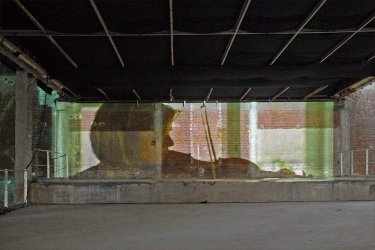
Musée d’Art Moderne is a marble-clad museum building in Paris at 13 avenue du Président-Wilson, beside the Seine near the Palais de Chaillot. Planned for two modern art museums, it now houses major art institutions and exhibition spaces.
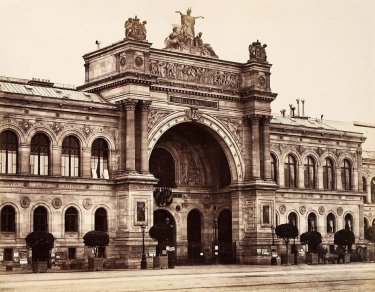
Palais de l'Industrie was an old exhibition building on the avenue des Champs-Élysées in Paris, constructed for the Exposition universelle de 1855. It later hosted artistic salons, the first Exposition internationale d'Électricité, and temporary military hospital use.
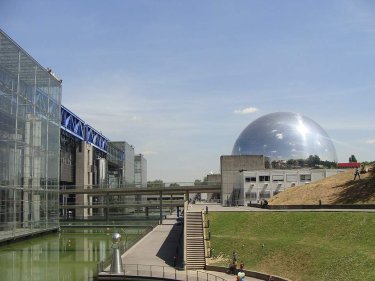
Parc de la Villette is a 55-hectare urban park in the 19th arrondissement of Paris, France. Designed by Bernard Tschumi in 1982, it occupies the site of the former slaughterhouse and livestock market.
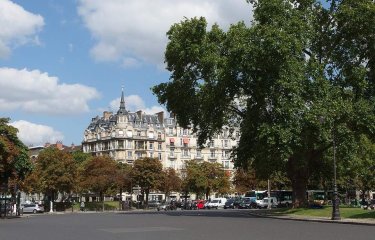
Place de la Nation is a square in Paris served by metro lines 1, 2, 6, and 9 and RER A. Its center features the garden of Marianne and Le Triomphe de la République by Jules Dalou.
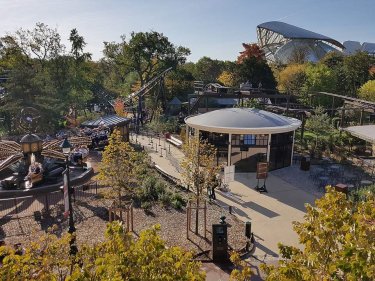
Jardin d'Acclimatation is a 19-hectare amusement park and zoo at the edge of the Bois de Boulogne, between porte de Neuilly and porte des Sablons. It runs along boulevard Maurice-Barrès in Neuilly-sur-Seine and is open every day of the year.
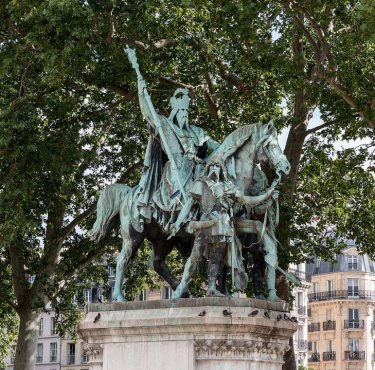
Charlemagne et ses Leudes is a monumental bronze equestrian group on the Parvis Notre-Dame in Paris. It depicts Charlemagne in old age with Roland and Oliver, his guards, and reflects a long history of planning, exhibition, and relocation.
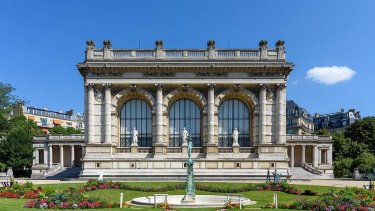
Palais Galliera is a French neo-Renaissance museum on Chaillot hill in Paris’s 16th arrondissement. It holds nearly 100,000 items and one of the world’s most important fashion collections, presenting fashion history from the 18th century to the present.
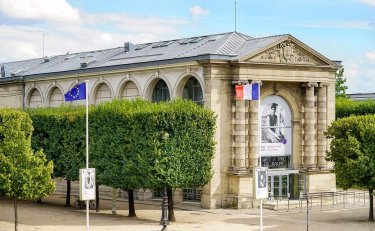
Galerie nationale du Jeu de Paume is an art museum in Paris with origins in a former tennis court in the Tuileries Gardens. It later became known for exhibitions linked to the Louvre and the Musée de l’Orangerie and for its wartime history.
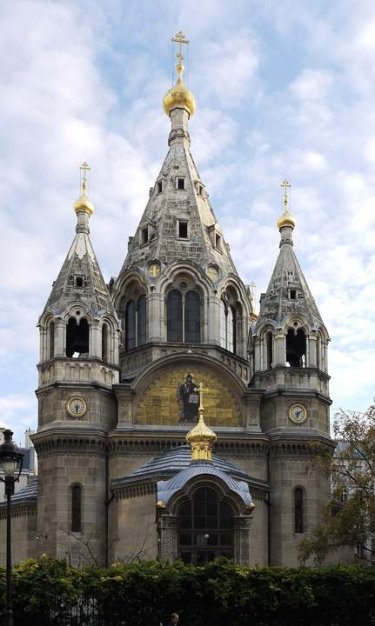
Alexander Nevsky Cathedral is a Russian Orthodox cathedral church at 12 Rue Daru in Paris’s 8th arrondissement. It is under the jurisdiction of the Archdiocese of Orthodox Churches of Russian Tradition in Western Europe and conducts services in Church Slavonic, with some crypt services in French.
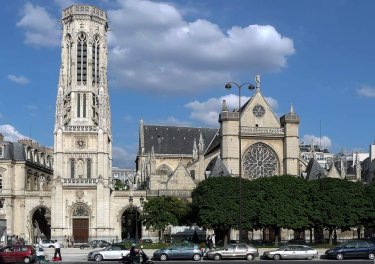
Saint-Germain l’Auxerrois is a Catholic church in the 1st arrondissement of Paris. Also called Saint-Germain-le-Rond, it has been known as the “paroisse des artistes” since the Ancien Régime and is named in honor of Bishop Saint Germain d’Auxerre.
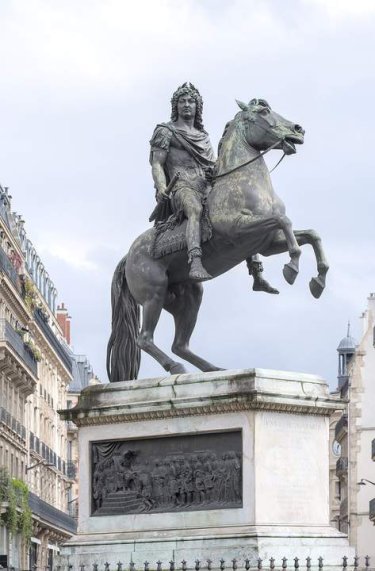
The equestrian statue of Louis XIV is a bronze monument at the center of Place des Victoires in Paris, on the border of the 1st and 2nd arrondissements. Inaugurated in 1818, it stands on a pedestal designed by Jean-Antoine Alavoine.
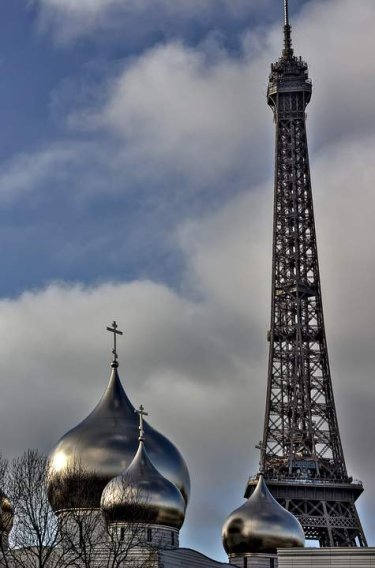
The Holy Trinity Cathedral is a Russian Orthodox complex in Paris comprising four buildings, including a cathedral and cultural center, located near the Eiffel Tower and several museums.
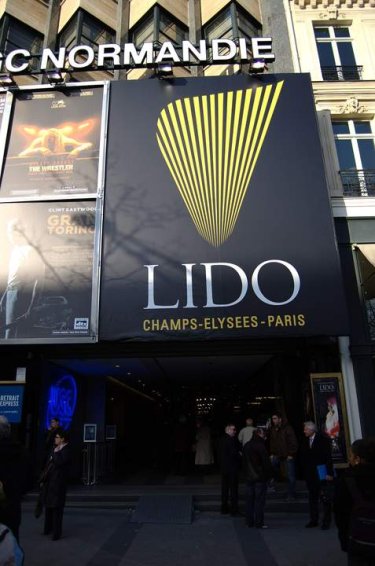
Le Lido was a revue theater in Paris founded in 1946 in a former swimming pool on Avenue des Champs-Élysées. It became known for elaborate stage shows, international performers, and the Bluebell Girls.