City

Public Art in Paris

361 objects · Page 6 of 8

Couvent des Jacobins

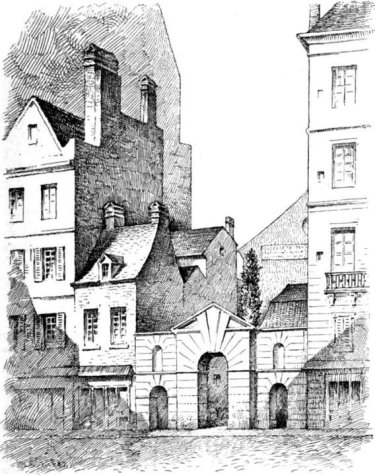
The Couvent des Jacobins de la rue Saint-Honoré was a destroyed convent in Paris connected with the Dominicans, known in France as Jacobins. The community was confirmed by Pope Honorius in 1216 and later became associated with major convents, schools, and burial sites.
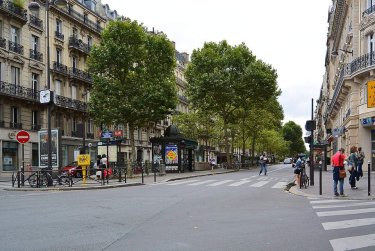
Boulevard Raspail

Boulevard Raspail is a Paris boulevard running almost north-south on the Left Bank. It connects boulevard Saint-Germain to place Denfert-Rochereau, intersects several major streets, and is served by seven metro stations.

Église Saint-Merry

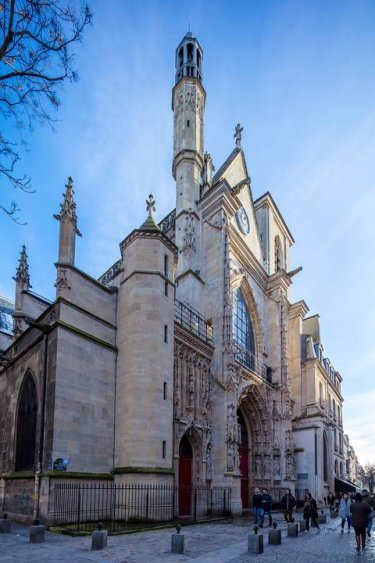
Église Saint-Merry is a Catholic Roman parish church in Paris’s Saint-Merri quarter, dedicated to Saint Médéric and affiliated with the Archdiocese of Paris. Its construction began in 1500 and ended in 1565, and it combines Gothic flamboyant, baroque, and classical styles.
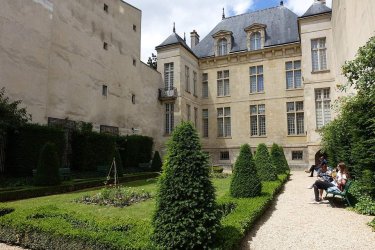
Hôtel de Condé

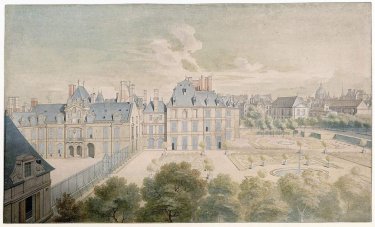
Hôtel de Condé was a former hôtel particulier in Paris, located in the 6th arrondissement near the present Théâtre de l’Odéon. It occupied a large triangular site and was destroyed at the end of the 18th century.

Place du Châtelet

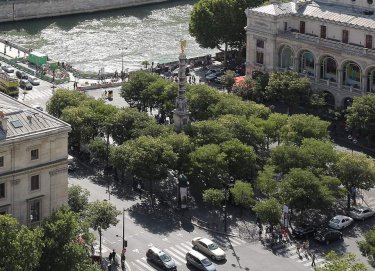
Place du Châtelet is a central square in Paris at the meeting point of major east-west and north-south axes. It is an important traffic and public transport hub, and it includes the Fontaine du Palmier in its center.
Boulevards of the Marshals

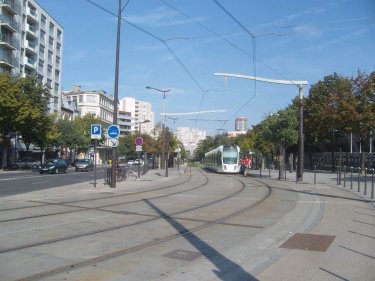
The Boulevards of the Marshals are a ring of traffic arteries inside Paris, following the former Rue Militaire. Developed from the 1860s under Napoleon III, they were divided into nineteen sections named for marshals of Napoleon I.

Place Pigalle

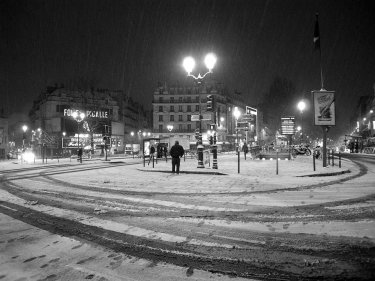
Place Pigalle is a circular square, 70 meters in diameter, located on Boulevard de Clichy near Sacré-Cœur at the foot of Montmartre. It is linked to the Pigalle district and its metro station.

Saint-Nicolas-des-Champs

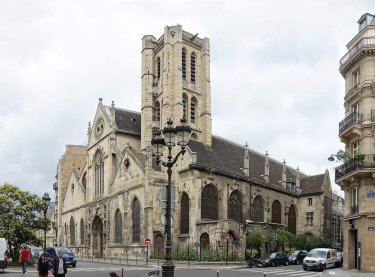
Saint-Nicolas-des-Champs is a Catholic church in Paris, on rue Saint-Martin and served by the Réaumur - Sébastopol and Arts et Métiers metro stations. Its construction lasted from 1420 to 1620 in five stages, and its final style is mainly Flamboyant Gothic.

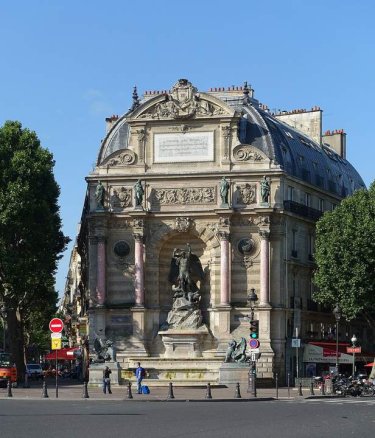
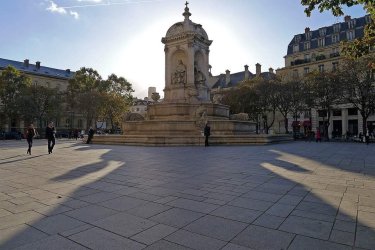
Fontaine Saint-Michel

Fontaine Saint-Michel is a monumental fountain on Place Saint-Michel in Paris’s 5th arrondissement. Designed by Gabriel Davioud and built from 1858 to 1860, it was part of Haussmann’s renovation of the city and has been listed as a monument historique since 1926.

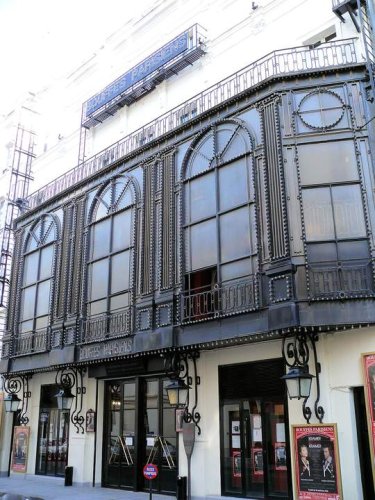
Théâtre des Bouffes-Parisiens

Théâtre des Bouffes-Parisiens is a Parisian theatre founded in 1855 by composer Jacques Offenbach for opéra bouffe and operetta. Located in the 2nd arrondissement, it later expanded its repertory to include comedies and remains active with regular stage productions.

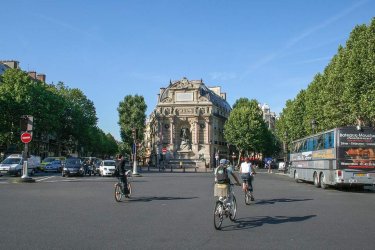
Place Saint-Michel

Place Saint-Michel is a square in Paris’s Latin Quarter, on the border of the 5th and 6th arrondissements. Created in 1855, it replaced earlier streets and quays and was later the site of fighting in August 1944.

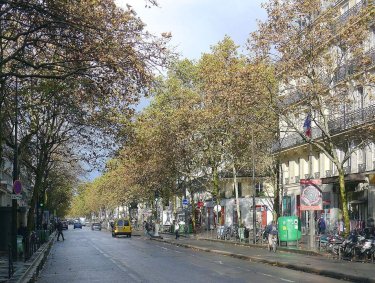
Boulevard de Sébastopol

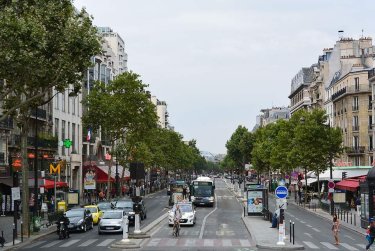
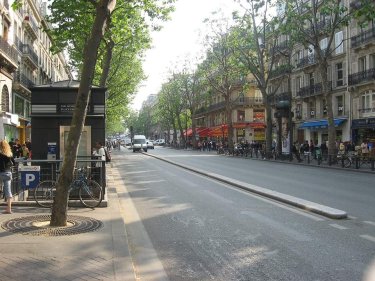
Boulevard de Sébastopol is a 30-metre-wide Paris boulevard running north from Place du Châtelet toward Boulevard de Strasbourg. It carries heavy traffic and includes bus and bike lanes, with shops and restaurants along its route.

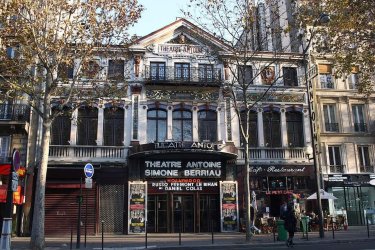
Théâtre Antoine

Théâtre Antoine-Simone-Berriau is a Parisian private theater in the 10th arrondissement on Boulevard de Strasbourg. Listed as a Monument historique since 1989, it is named after André Antoine and Simone Berriau, and has a long history of changing names and influential premieres.

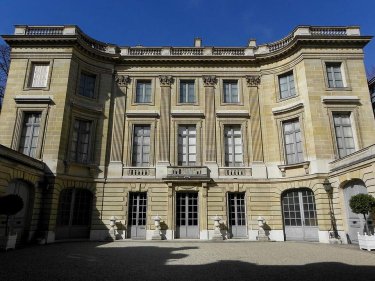
Musée Nissim de Camondo

The Musée Nissim de Camondo is an art museum in the hôtel particulier de Moïse de Camondo, near Parc Monceau in Paris’s 8th district. Inaugurated in December 1936, it houses French 18th-century furniture and art objects in a setting preserved as a small palace.

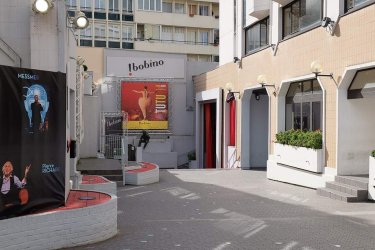
Bobino

Bobino was a performance hall at 20 rue de la Gaîté in Paris’s Montparnasse district. Established in 1873 as a guinguette, it became a café-concert and later one of the capital’s best-known music halls.

Lariboisière Hospital

Lariboisière Hospital is an Assistance Publique–Hôpitaux de Paris hospital at 2 rue Ambroise-Paré in Paris. Opened in 1854, it was built in the 19th century in a pavilion style based on hygienist theories and listed as a historical monument in 1975.

Élysée Montmartre

Élysée Montmartre is a performance hall at 72 boulevard Marguerite-de-Rochechouart in Montmartre, Paris. Inaugurated in 1807, it has hosted balls, theatre, concerts, and sporting events, and reopened after a fire-related closure in 2011.

Notre-Dame-des-Victoires

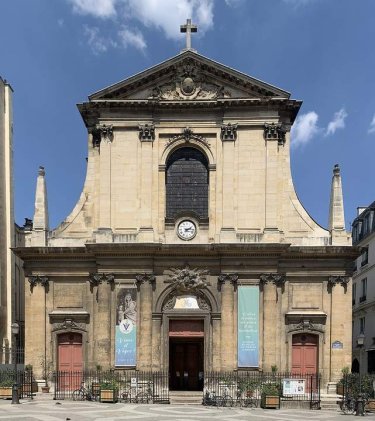
Notre-Dame-des-Victoires is a minor basilica on rue Notre-Dame-des-Victoires in Paris’s 2nd arrondissement. Begun as an abbey church, it was built between 1629 and 1740 in the French classical style and is noted for its ex voto offerings.

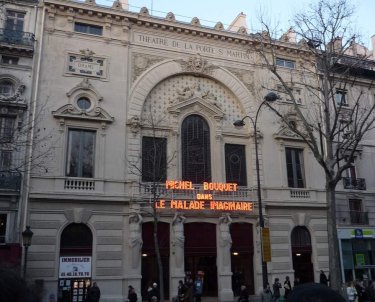
Théâtre de la Porte Saint-Martin

The Théâtre de la Porte Saint-Martin is a Parisian theatre hall at 16 Boulevard Saint-Martin in the 10th arrondissement. Originally built with 1,800 seats, it was among the largest boulevard theatres and has been listed as a historic monument since 1992.

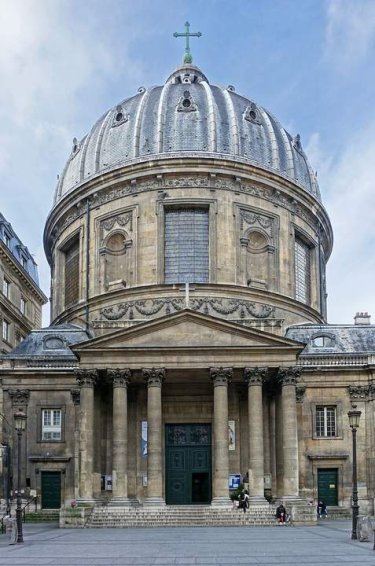
Notre-Dame-de-l'Assomption Church

Notre-Dame-de-l'Assomption is a Polish Catholic place of worship in Paris, located at place Maurice-Barrès, at the corner of rue Saint-Honoré and rue Cambon. Built between 1670 and 1676, it depends on a convent founded in 1622 and later changed status several times.

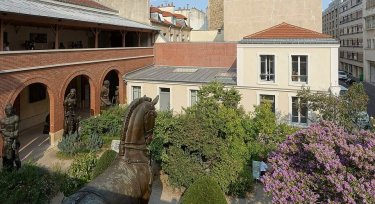
Musée Bourdelle

Musée Bourdelle is a French sculpture museum at 18 Antoine Bourdelle Street in Paris’s 15th arrondissement. It occupies the apartments, workshops, and gardens where sculptor Antoine Bourdelle lived and worked from 1885, and was transformed into a museum in 1949.

Place Saint-Sulpice

Place Saint-Sulpice is a square in the center of Paris’s 6th District. It has an approximately rectangular form and is bordered by the Church of Saint Sulpice, Rue Bonaparte, and several streets from its corners.

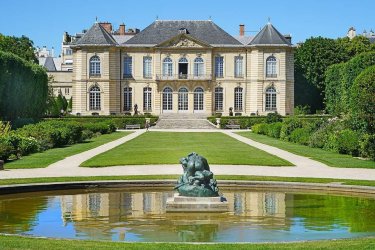
Hôtel Biron

Hôtel Biron is an 18th-century hôtel particulier on Rue de Varenne in Paris’s VII arrondissement. Built between 1728 and 1731, it stands within three hectares of grounds and has housed the Musée Auguste Rodin since 1919.

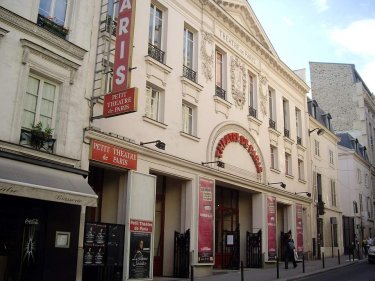
Théâtre de Paris

Théâtre de Paris is a theatre building in Paris with a layered site history. The location began with a theatre built in 1730, later became Folie-Richelieu, and was rebuilt through successive 19th-century developments.

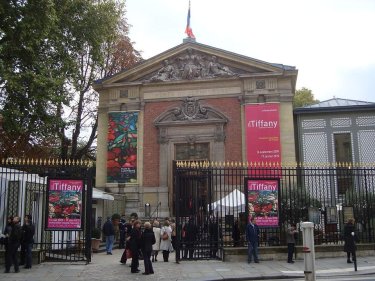
Luxembourg Museum

The Luxembourg Museum is an art museum in Paris, located in a wing built perpendicularly to the orangery of the Palais du Luxembourg on rue de Vaugirard. Since 2000, it has been under the supervision of the French Senate.

Place du Carrousel

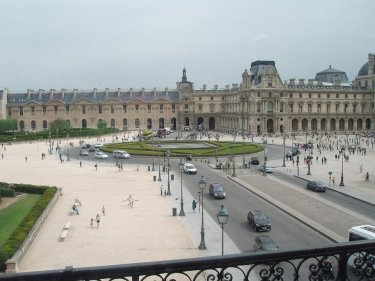
Place du Carrousel is a public square in District I of Paris, located at the open end of the Louvre Palace courtyard. It stands between the museum and the Tuileries Garden and marks the garden’s eastern end.

Church of the Holy Spirit

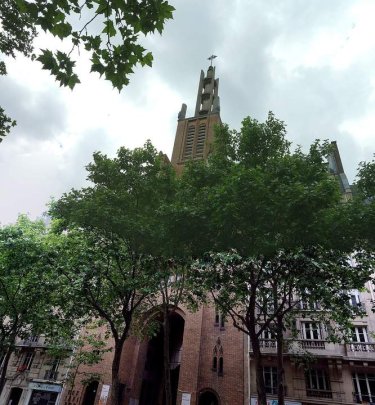
The Church of the Holy Spirit is a Catholic place of worship in Paris, located at 186 Avenue Daumesnil in the 12th arrondissement. Built in reinforced concrete, it was completed in 1935 and has been a historical monument since 1979.

Parc André Citroën

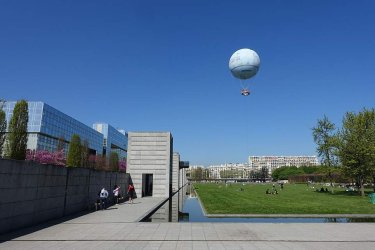
Parc André Citroën is an urban park in the 15th arrondissement of Paris, created on the former Citroën factory site in the Javel district. It slopes gently toward the Seine and combines vegetation, water features, greenhouses, and themed gardens.

Boulevard des Italiens

Boulevard des Italiens is a street in Paris at the edge of the 2nd and 9th arrondissements. Created after the suppression of the Louis XIII enclosure in 1670, it developed through former market gardens and later urbanized land.

Palais de la Légion d'Honneur

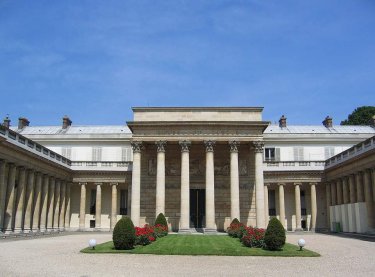
The Palais de la Légion d'Honneur is a historic palace on the left bank of the Seine in Paris’s 7th arrondissement. Built in the late 18th century, it now houses the Grande chancellerie de la Légion d'honneur and the musée de la Légion d'honneur.

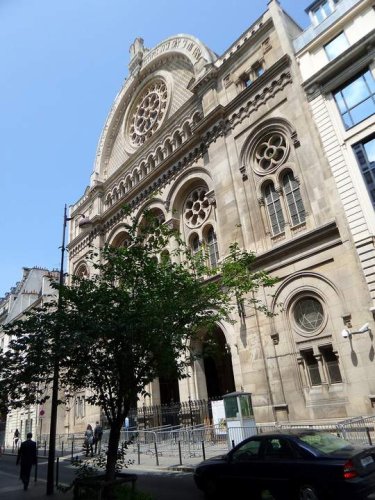
Grand Synagogue of Paris

The Grand Synagogue of Paris, also known as Synagogue de la Victoire, is the largest synagogue in France. Located at Rue de la Victoire 44 in Paris’s 9th arrondissement, it was inaugurated in 1874 and declared a Monument historique in 1987.

Musée Cognacq-Jay

Musée Cognacq-Jay is an art museum of the City of Paris, presenting a collection formed by Théodore-Ernest Cognacq and Marie-Louise Jaÿ between 1900 and 1925. It focuses on 18th-century France and related decorative arts.

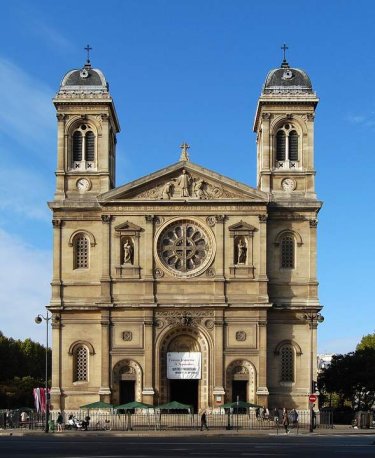
Saint-François-Xavier

Saint-François-Xavier is a Catholic place of worship in Paris, located in Place du Président-Mithouard in the École-Militaire district. It serves as the seat of the parish Saint-François-Xavier-des-Missions-Étrangères and is administered by the clergy of the Archdiocese of Paris.

Boulevard du Montparnasse

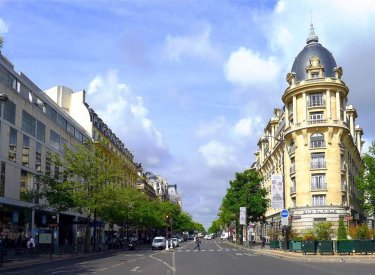
Boulevard du Montparnasse is a Paris boulevard running almost straight between Place Léon-Paul-Fargue and Place Camille-Jullian. It passes the Montparnasse Tower, includes Duroc and Port-Royal stations, and belongs to three arrondissements.

Museum of National Archives

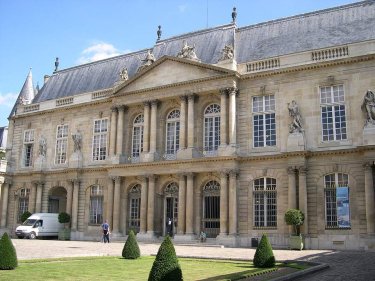
The Museum of National Archives is a state museum of French history in Paris, managed by the National Archives of France. It presents exhibitions drawn from government archives collections and offers a document-based view of French history and society.

Grande roue de Paris

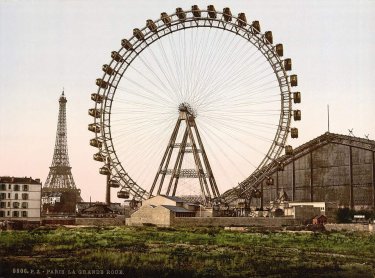
The Grande roue de Paris was a large Ferris wheel built for the Exposition universelle de 1900 in Paris. Located on avenue de Suffren, opposite the Galerie des Machines, it was later dismantled.

Théâtre de la Ville

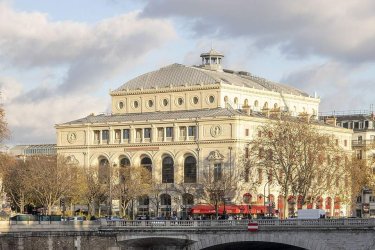
Théâtre de la Ville is a Parisian theatre at 2, place du Châtelet. Designed by Gabriel Davioud during Haussmann’s restructuring of Paris, it was rebuilt after destruction by fire and later became a major venue for contemporary dance.

Saint-Laurent

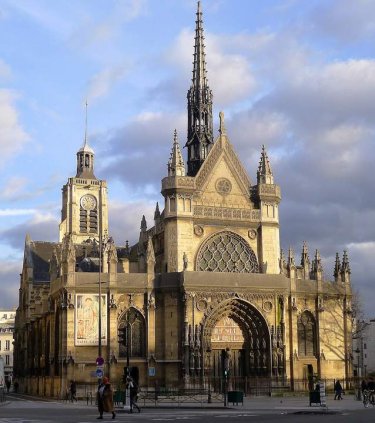
Saint-Laurent is a Catholic church in the 10th arrondissement of Paris, at 68 bis Boulevard de Magenta. The building stands on a site occupied by successive churches since the 10th century and was listed as a monument historique in 2016.

Boulevard Saint-Michel

Boulevard Saint-Michel is a Paris boulevard extending from Pont Saint-Michel to Avenue de l’Observatoire. Its northern section is the most lively, with bookstores and clothing shops, and it borders the Jardin du Luxembourg.