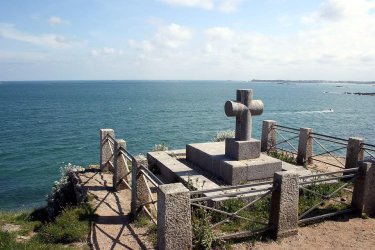
Tomb of Chateaubriand
The tomb of François-René de Chateaubriand stands on the islet of Grand Bé at Saint-Malo. Chosen to face the sea and storm, it reflects his wish to be buried on a small island and has been a historic monument since 1954.
The tomb of François-René de Chateaubriand stands on the islet of Grand Bé at Saint-Malo. Chosen to face the sea and storm, it reflects his wish to be buried on a small island and has been a historic monument since 1954.
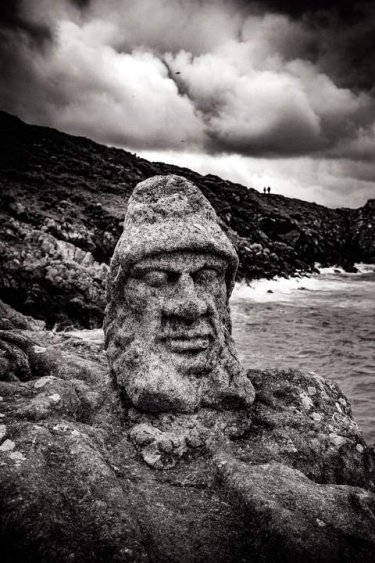
The Rochers sculptés de Rothéneuf are monumental granite sculptures near Saint-Malo and Cancale, created by abbé Adolphe Julien Fouéré, known as abbé Fouré, between 1894 and 1907. The site is classified as art brut and includes more than 300 figures.
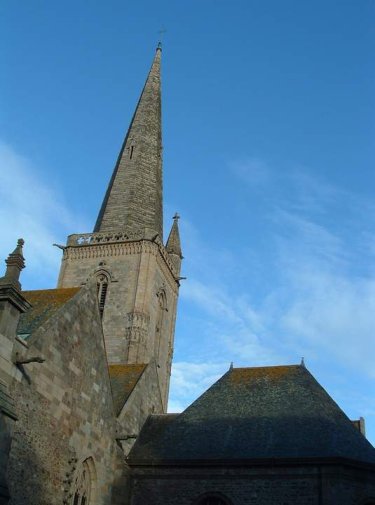
Saint-Malo Cathedral is a Catholic cathedral in Saint-Malo, Brittany, France. Dedicated to Saint Vincent of Saragossa, it is a national monument built in Romanesque and Gothic styles on the site of an older church.
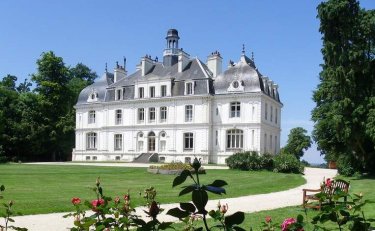
The château de la Briantais is a 19th-century château in Saint-Malo, Brittany, built between 1850 and 1864 for Eugène Sully-Brunet. It stands in a 27-hectare English-style park overlooking the Rance estuary.
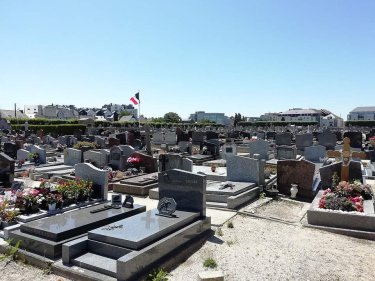
The Cemetery of Rocabey is the main cemetery of Saint-Malo, in Ille-et-Vilaine, Brittany. Founded in 1779 on the Clos-à-Pihuit plot, it is located on avenue de Moka in the Rocabey district and contains graves of notable local figures.
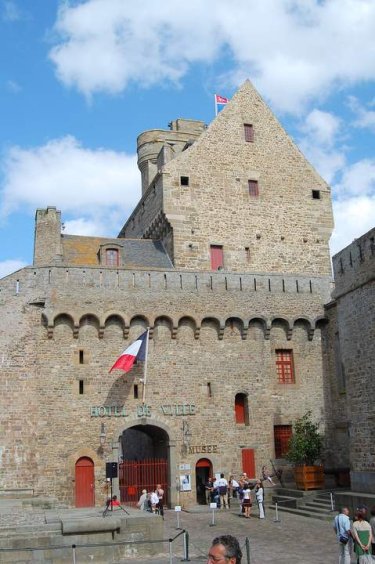
The Musée d’Histoire de la Ville et du Pays Malouin was founded in 1862 in Saint-Malo, Brittany, France. It retraced the history of the city and the main personalities who lived there before closing permanently.
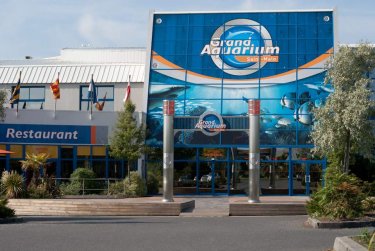
Great Aquarium Saint-Malo is a giant public aquarium established in 1996 at the entrance to Saint-Malo, in Ille-et-Vilaine, Brittany. It presents marine life through multiple environments and basins.