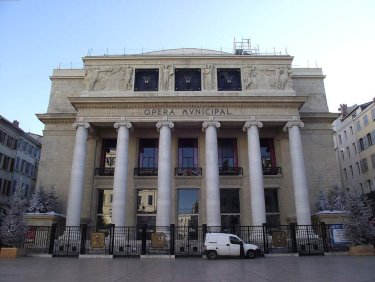
Opéra de Marseille
Opéra de Marseille is a theater in the Lopéra municipal de Marseille neighborhood near the Vieux-Port. It stands on the remains of the Grand Théâtre, which was destroyed by fire in 1919.
Opéra de Marseille is a theater in the Lopéra municipal de Marseille neighborhood near the Vieux-Port. It stands on the remains of the Grand Théâtre, which was destroyed by fire in 1919.
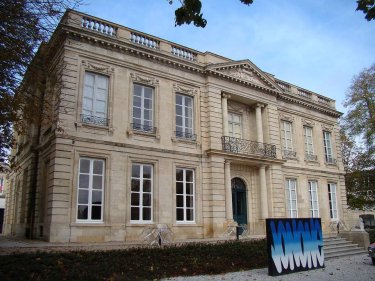
Château Labottière, also called Hôtel Labottière or Maison Tivoli, is an 18th-century hôtel particulier at 29 rue Labottière in Bordeaux. Built for the Labottière brothers, it now houses the Institut culturel Bernard-Magrez.
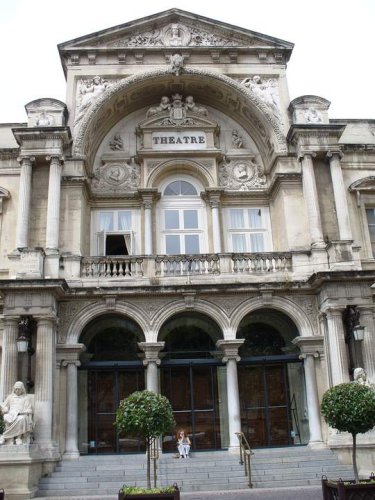
L’Opéra d’Avignon, also known as Opéra Grand Avignon, is a historic opera house in Avignon. Its building was rebuilt in 1846–1847 after a fire and later renovated in 1978 and from 2018 to 2021.
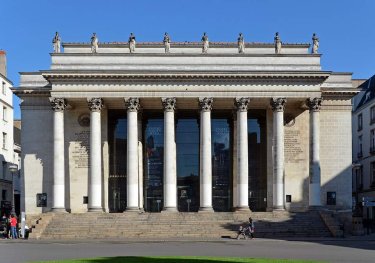
Théâtre Graslin is the opera house of Nantes in Loire-Atlantique. Built at the end of the 18th century, it is operated by Angers-Nantes Opéra and has been listed as a historical monument since 1975.
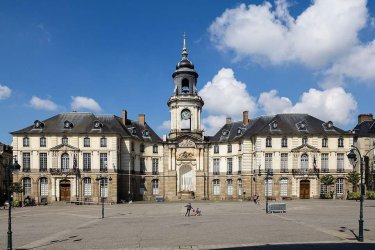
Rennes City Hall is a civic building in Rennes, rebuilt between 1734 and 1743 after the 1720 fire. It combines two classical wings, a recessed clock tower, and later additions linked to municipal life and remembrance.
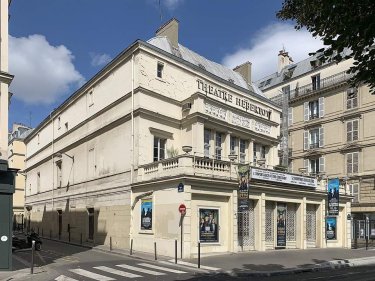
Théâtre Hébertot is a theatre building on boulevard des Batignolles in Paris’s 17th arrondissement. Inaugurated in 1838, it was originally named Théâtre des Batignolles.
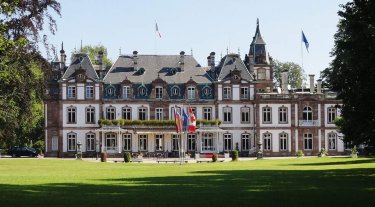
Château de Pourtalès is a château in Strasbourg. Its history includes 18th- and 19th-century remodeling, an English-style park, and a role as a salon venue visited by European nobility and cultural figures.
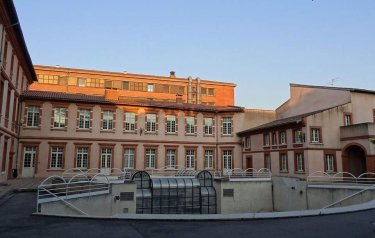
The Toulouse Regional Conservatory is a conservatoire à rayonnement régional in Toulouse, Haute-Garonne. It is a state-approved arts education institution offering music, dance, and drama.
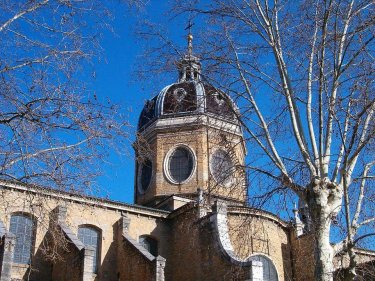
The Church of Saint-Bruno des Chartreux is a Catholic church in Lyon above quai Saint-Vincent. Formerly the church of the Chartreuse de Lyon, it is one of the city’s rare Baroque religious buildings and was classified as a historical monument in 1911.
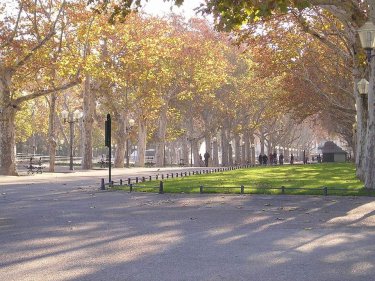
Esplanade Charles de Gaulle is a square in the city centre of Montpellier. It extends Place de la Comédie and is bordered by plane trees, fountains, and the wooded Jardin du Champ-de-Mars.
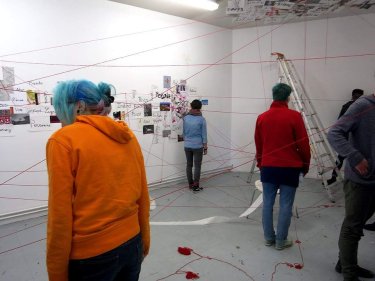
École supérieure d'art et design Le Havre-Rouen is an art academy and public cultural cooperation establishment with roots in the 18th and 19th centuries. Its history includes foundations in Rouen and Le Havre, periods of closure and reopening, and several relocations.
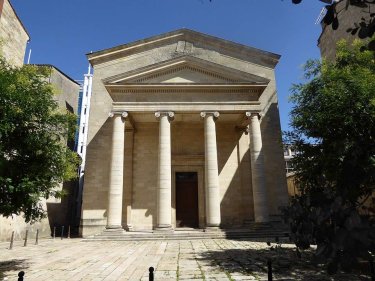
Temple des Chartrons is an ancient Protestant temple in Bordeaux’s Chartrons district. Built in 1835 in a neoclassical style, it was decommissioned in the 1970s and later reopened to the public for an exhibition.
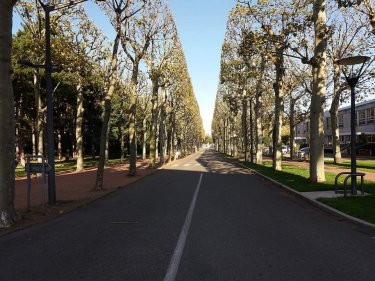
Centre hospitalier Saint-Jean-de-Dieu is a psychiatric hospital in Lyon’s Moulin-à-vent neighborhood, founded in 1824 by Paul de Magallon and Xavier Tissot. It serves the south of the Rhône department and had 517 beds in 2008.
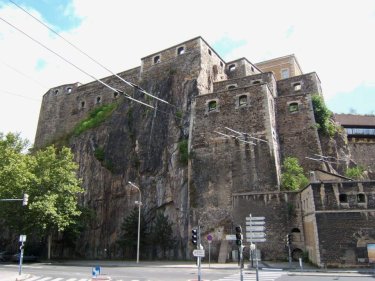
Fort Saint-Jean is a fort in Lyon on the left bank of the Saône River. Originally called bastion Saint-Jean, it is part of the first belt of Lyon and occupies a site overlooking the river.
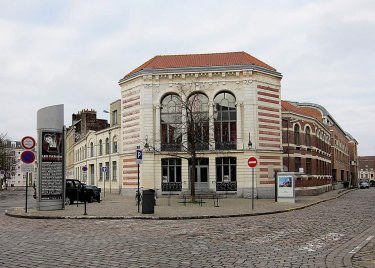
The Regional Conservatory of Lille is an artistic education institution in Lille, Nord, France. Approved and controlled by the French State, it offers training in music, choreography, and dramatic arts.
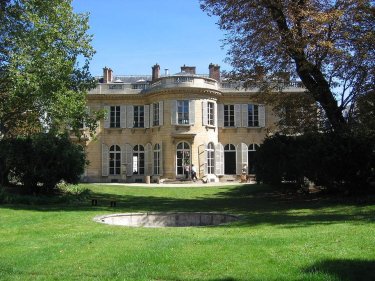
The Hôtel de Mademoiselle de Condé, also known as the hôtel de Bourbon-Condé, is a grand private townhouse at 12 rue Monsieur in Paris’s 7th arrondissement. Commissioned by Louis-Joseph, prince de Condé, it was designed by Alexandre-Théodore Brongniart for his daughter Louise-Adélaïde de Bourbon.
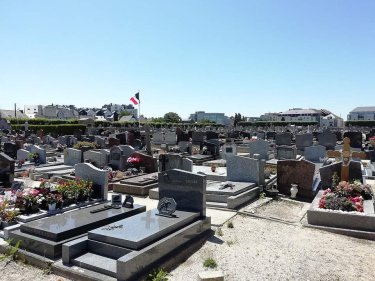
The Cemetery of Rocabey is the main cemetery of Saint-Malo, in Ille-et-Vilaine, Brittany. Founded in 1779 on the Clos-à-Pihuit plot, it is located on avenue de Moka in the Rocabey district and contains graves of notable local figures.
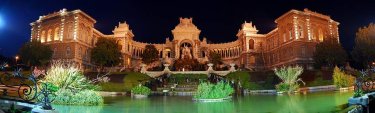
The Musée des beaux-arts de Marseille is the city’s oldest museum. Located in Palais Longchamp, it holds European paintings, drawings, and sculptures from the 16th to the 19th century, with a focus on artists from Provence-Alpes-Côte d’Azur.
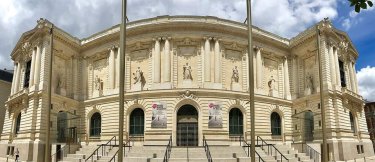
The Nantes Museum of Arts is an art museum in Nantes, formerly known as the musée des Beaux-Arts de Nantes. Its collections offer an overview of major French and European artistic movements from the 15th century to the present.
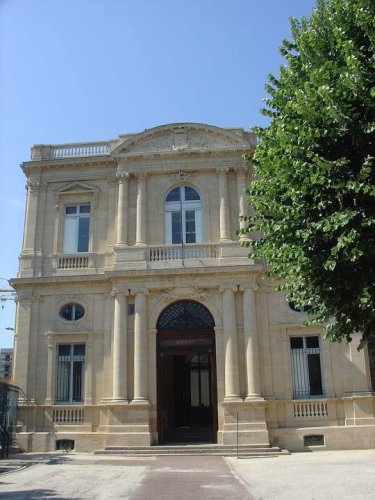
The Musée des Beaux-Arts de Bordeaux is an art museum founded in 1801 in Bordeaux, Gironde, France. Its collection mainly consists of paintings, and also includes sculptures and graphic arts. It is located at two separate sites.
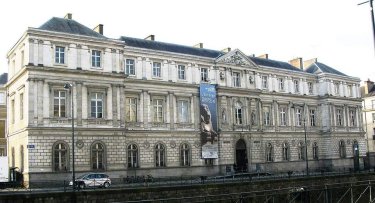
The Musée des Beaux-Arts de Rennes is an art and archaeology museum in Rennes, Ille-et-Vilaine, Brittany. Housed in the old university palace on quai Émile-Zola, it holds collections spanning European paintings, sculptures, and antiquities.
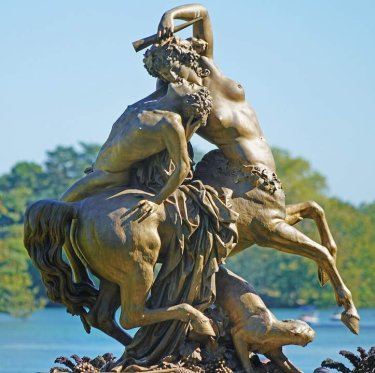
Centauress and Faun is a bronze sculpture by Intro, cast in 1850 from a model made in 1849. It stands in front of the main entrance to Parc de la Tête d'or in Lyon, France.
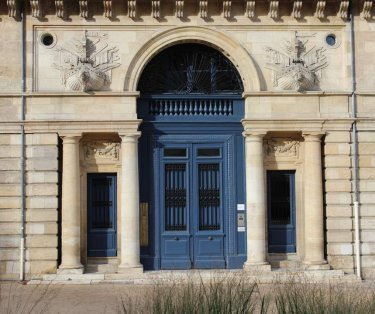
Hôtel Fenwick is a private mansion in Bordeaux, built between 1793 and 1800 by Jean-Baptiste Dufart. It hosted the first United States consulate in the world and was listed as a Historical Monument in 1935.
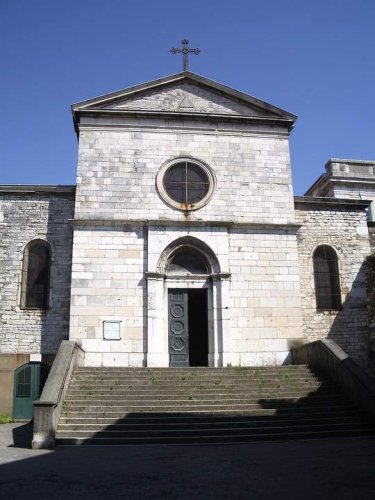
Saint Irenaeus Church stands in the Saint-Irénée district on the heights of Lyon. Its lower part is among the oldest in France, and its crypt dates from the Carolingian era. The church was rebuilt and completed in 1830.
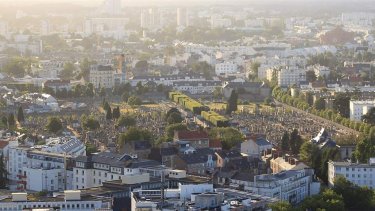
Miséricorde Cemetery is a cemetery in the Hauts-Pavés - Saint-Félix district of Nantes, France. Opened in 1793, it is nicknamed the “Père-Lachaise nantais” and contains neo-Gothic mausoleums along a tree-lined alley.
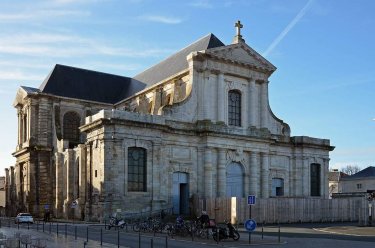
La Rochelle Cathedral is a Catholic cathedral in La Rochelle, linked to the former church of Saint-Barthélemy. Its history includes rebuilding, conflict during the Reformation, demolition in 1573, and later attempts at reconstruction.
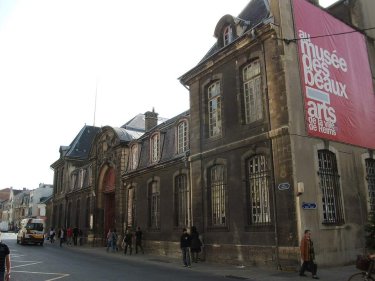
The Museum of Fine Arts of Reims is a French art museum on rue Chanzy in Reims, Champagne-Ardenne. Founded in 1794, it recorded 36,130 visitors in 2018 and was closed in 2019 for renovations.
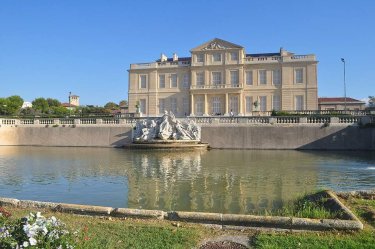
Château Borély is a neo-classical château-bastide in the Bonneveine district of Marseille’s 8th arrondissement, in Bouches-du-Rhône, Provence-Alpes-Côte d'Azur. It is associated with Parc Borély and the Marseille Borély golf course and has been a historic monument since 1936.
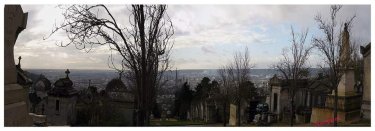
The Cimetière monumental de Rouen is the largest cemetery in Rouen, covering ten hectares in the city’s northeast. It contains the graves of about one hundred personalities linked to the city’s political, artistic, and other fields.
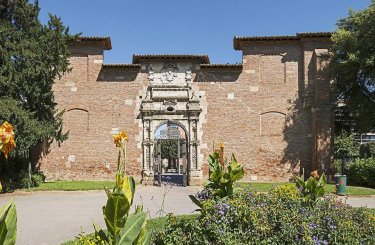
Jardin des Plantes is a public garden in Toulouse, in the historic Busca district southeast of the city center. Formerly a botanical garden, it kept the name after losing official botanical status and is part of a group of three public gardens with Grand Rond and Jardin Royal.
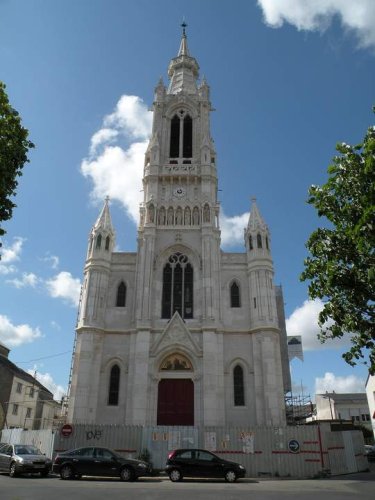
Saint-Anne's Church is a church building in the Hermitage district of Nantes. Built between 1845 and 1847, it was part of a wider redevelopment linked to urban growth and industrialization, and it was dedicated to Sainte Anne, who was especially venerated by Breton communities.
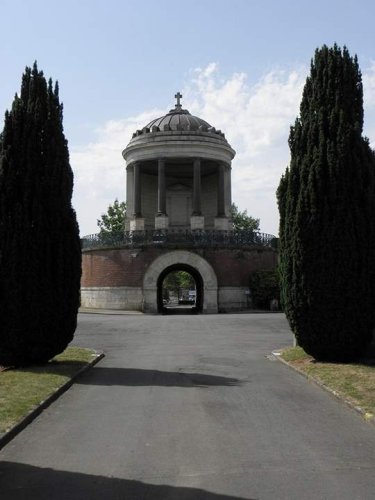
Cimetière du Nord is a cemetery in Rennes established on the Estival field after the creation of a new public burial ground in the late 18th century. Its grounds include notable tree species and a monumental neo-classical entrance.
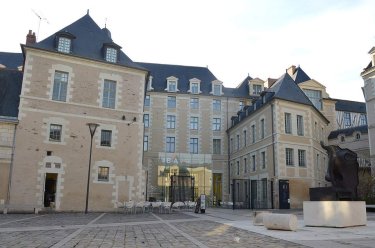
The Musée des Beaux-Arts d'Angers is an art museum in Angers, located in the old private mansion Logis Barrault near the historic city center. It is part of the Toussaint complex and presents artworks acquired over centuries.
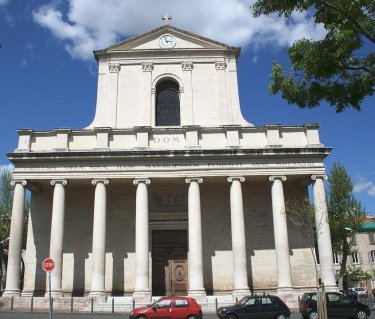
Église des Chartreux, officially Église Sainte-Marie-Madeleine des Chartreux, is a church building at place Edmond-Audran in Marseille. It served as a parish church and as a chapel for a Carthusian monastery. The surrounding neighborhood took its name from the monastery.
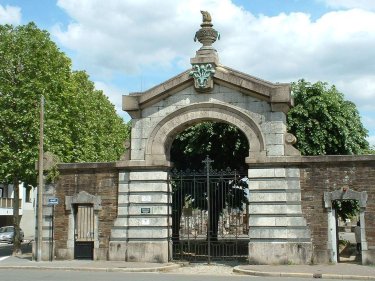
La Bouteillerie Cemetery is a cemetery in Nantes, France, in use since 1774. Located about 700 metres east of the cathedral, it is rectangular in plan and bordered by private properties and the Jardin des plantes.
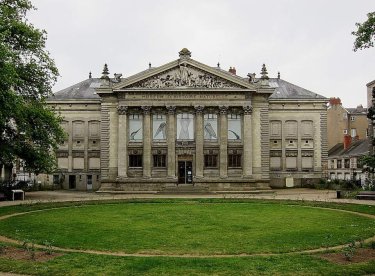
The Natural History Museum of Nantes began as a cabinet of natural history created in 1799 by François-René Dubuisson. Its collections were later installed in the former Saint-Côme surgery school, where the museum opened with geology, mineralogy, and botany collections.
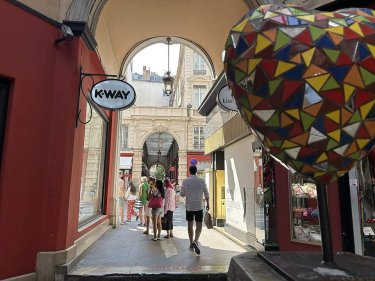
Passage de l'Argue is a covered pedestrian passage in Lyon’s Bellecour district. It connects rue de Brest to rue de la République, crossing rue Édouard-Herriot, and is known for its historic arcades and luxury shops.
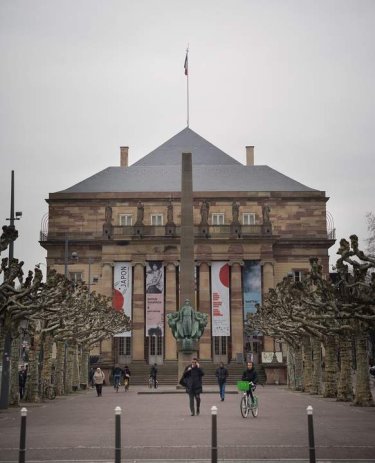
The Strasbourg Opera House is a neoclassical opera building in Strasbourg, France. Built as a city theater in 1821, it has been reconstructed several times and has been a monument historique since 1921. It is the venue of the Opéra national du Rhin.
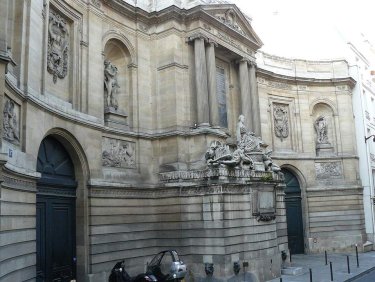
Fontaine des Quatre-Saisons is a monumental fountain in Paris, located at 57 and 59 Rue de Grenelle. Completed in 1745, it combines a classical facade, sculpted decoration, and water-spouting mascarons.
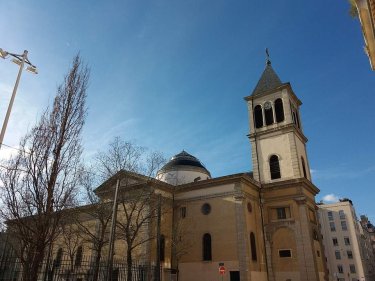
Église Saint-Pothin is a Catholic church in Lyon, located at place Édgar Quinet in the Foch district. Entirely registered as a Historic Monument, it reflects the development of Brotteaux and the Saint-Pothin parish.
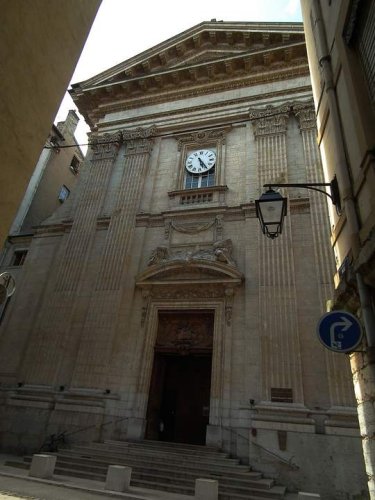
Église Saint-Polycarpe is a church on the slopes of Croix-Rousse in Lyon, between René Leynaud, Burdeau, Mermet, and Thiaffait streets. Formerly the church of the Oratorians, it is dedicated to Catholic worship and was later named Saint Polycarpe.
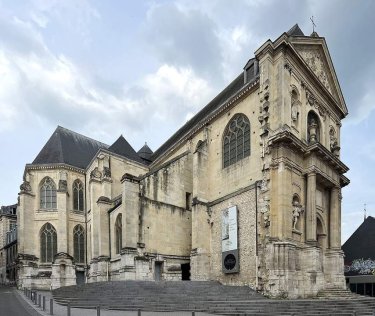
Chapelle Corneille is the former Church of St Louis in Rouen, Normandy, France. It served as a Roman Catholic church and as the chapel of the nearby Lycée Corneille before being turned into an auditorium in 2016.
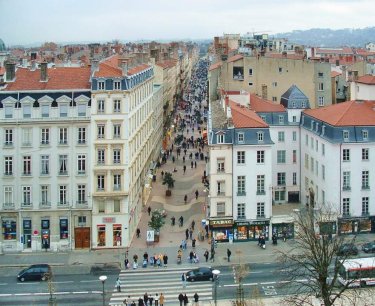
Rue Victor-Hugo is a pedestrian street in Lyon’s Presqu’île, running north–south between Place Bellecour and Place Carnot. Together with rue de la République, it forms one of Europe’s largest pedestrian and commercial streets.
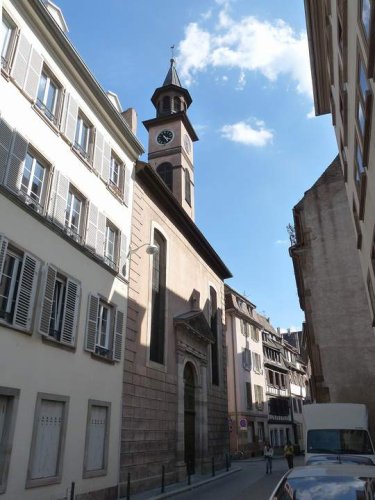
Église Saint-Louis de Strasbourg is a Catholic church on rue Saint-Louis in the Finkwiller quarter of Strasbourg. Also called Église Saint-Louis en ville, it has a baroque style and a history linked to several rebuilding phases.
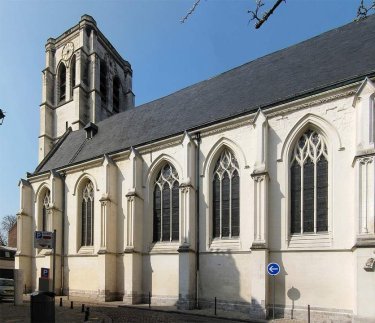
Église Sainte-Catherine de Lille is a three-nave hall church on rue Sainte-Catherine in Lille’s Vieux-Lille district. Dedicated to Sainte Catherine of Alexandria, it was classified as a Monument historique and is served by Rihour metro station.
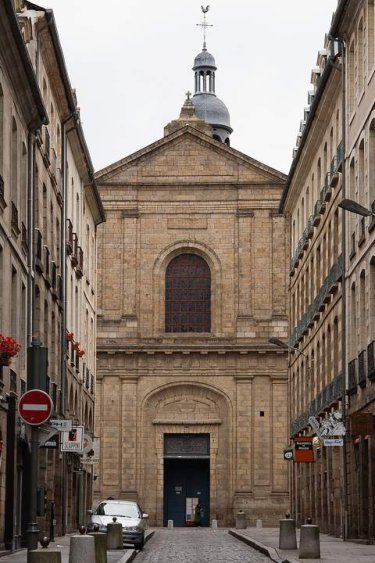
Basilique Saint-Sauveur de Rennes is a minor basilica of the Catholic Church in the historic center of Rennes, France. Also called Our Lady of Miracles and Virtues, it is known for its classical style and notable furnishings.
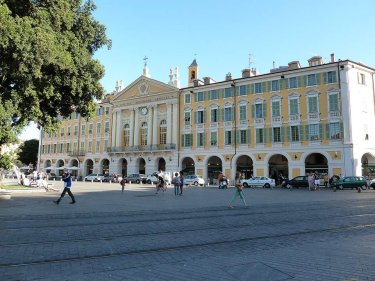
The Chapelle de la confrérie du Saint-Sépulcre is a church building on Place Garibaldi in Nice. Built from 1782 to 1784, it combines Baroque, neoclassical, and late Baroque elements. It is entrusted to the Société du Saint-Sépulcre and classified as a historic monument.
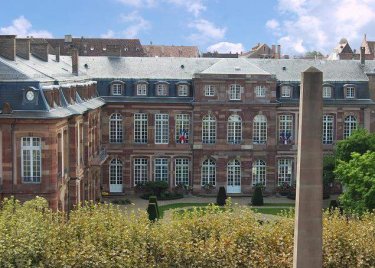
Hôtel des Deux-Ponts is a city palace in Strasbourg, located between Broglieplatz and Brandgasse. Built in 1754/55 in late Régence style, it has been protected as a Monument historique since 1921.