Category

French Architecture

599 objects · Page 2 of 13

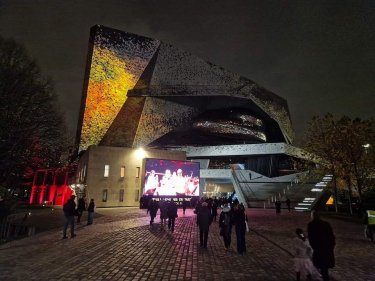
Philharmonie de Paris

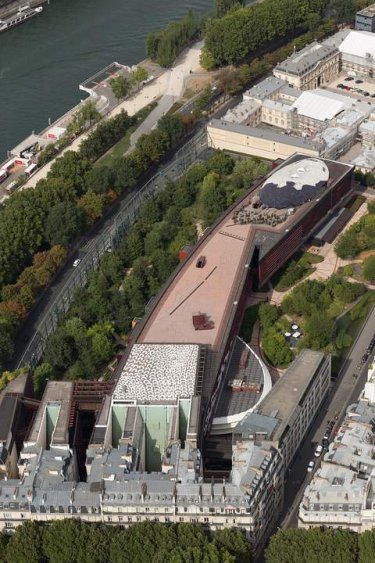
Philharmonie de Paris is a French cultural center in Paris, with a concert hall named Pierre Boulez, exhibition spaces, educational workshops, and rehearsal rooms. It is part of the Cité de la musique - Philharmonie de Paris establishment.
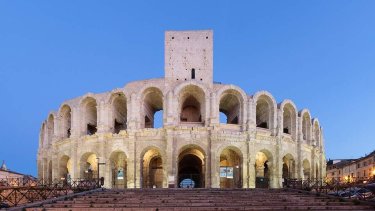
Arles Amphitheatre

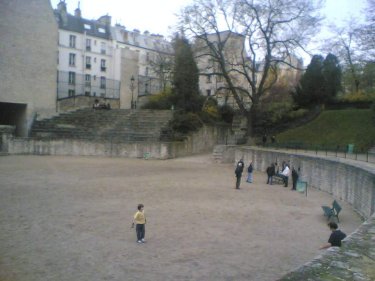
Arles Amphitheatre, also known as Les arènes d'Arles, is a Roman amphitheatre in Arles built under Emperor Domitian during the Flavian extensions of the city. It is the most important monument of the ancient Roman colony.

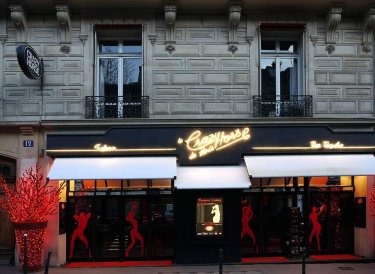
Crazy Horse

Crazy Horse is a cabaret at 12, avenue George-V in the Champs-Élysées district of Paris. Founded in 1951 by Alain Bernardin, it is known for shows with an emphasis on absolute aesthetics and a distinctive stage identity.

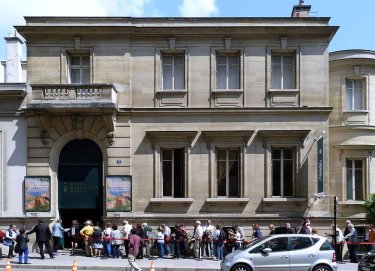
Musée Carnavalet

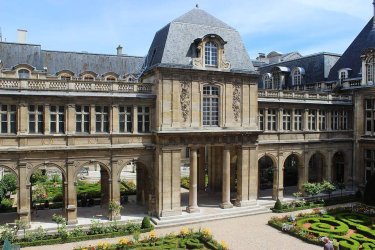
Musée Carnavalet in Paris is dedicated to the history of the city. It occupies the Hôtel Carnavalet and the former Hôtel Le Peletier de Saint Fargeau, and displays furnished rooms, historic objects, and paintings of Paris life.

Hôtel Matignon

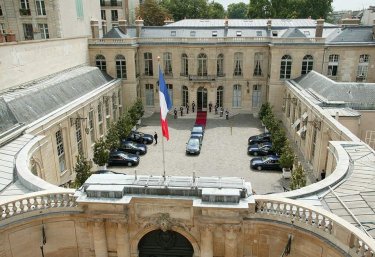
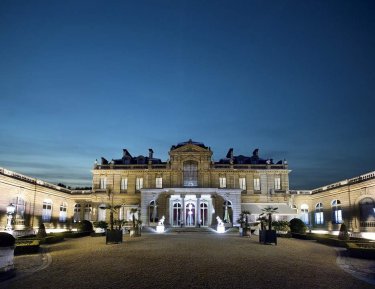
Hôtel Matignon is a palace and private mansion in the 7th arrondissement of Paris, at 57 Rue de Varenne. It serves as the official residence of the Prime Minister of France, and the name Matignon is used as a metonym for the prime minister’s governmental action.

Musée de Cluny

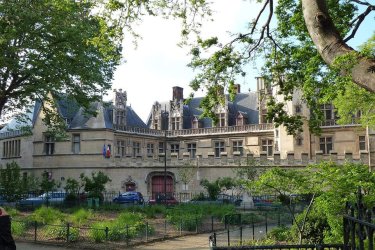
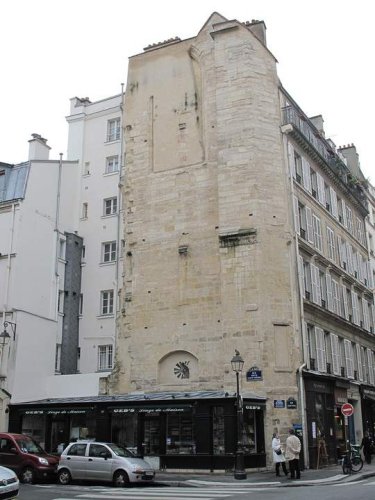
The Musée de Cluny is a national museum in the 5th arrondissement of Paris, in the Quartier Latin. Housed in the hôtel de Cluny, it includes the Cluny thermal baths and holds an important collection of medieval objects and artworks.

Temple

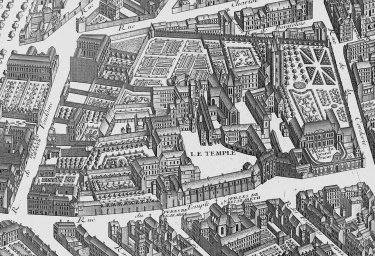
The Temple was an ancient Parisian fortress in the north of the Marais. Built by the Templars from 1240, it later became a prison and was destroyed in 1808.

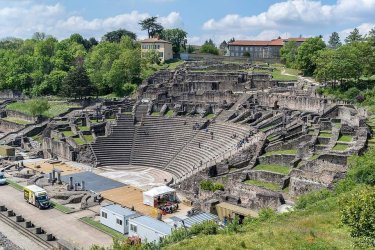
Lyon 25

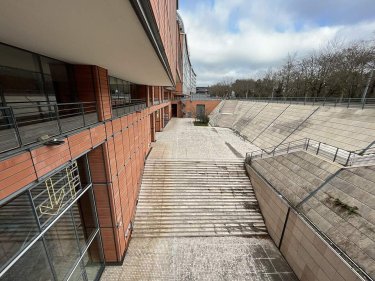
Lyon 25 is a staircase associated with the Palais des congrès de Lyon in Cité Internationale, Lyon. It gained notoriety in 2002 after being used for the video Sorry by Ali Boulala, and later became known through a 2014 attempt by Aaron "Jaws" Homoki.

Stade Charléty

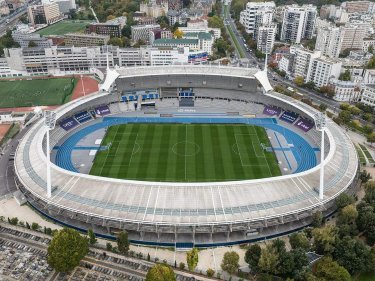
Stade Charléty, also called stade Sébastien-Charléty, is a multi-sport complex in Paris’s 13th arrondissement. It includes a stadium, training field, sports hall, specialized rooms, and tennis and squash courts, and houses major French sports institutions.
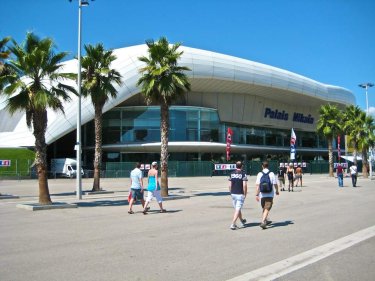
Palais Nikaïa

Palais Nikaïa is a performance hall in Nice, in the Alpes-Maritimes, located near the Grenoble road in the Var plain. Built in 2000 and 2001, it is a large multi-purpose venue with adjustable seating.

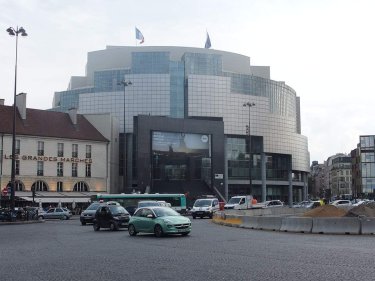
Opéra Bastille

Opéra Bastille is a modern opera house in the 12th arrondissement of Paris, inaugurated in 1989 as part of François Mitterrand’s Grands Travaux. It is the main facility of the Paris National Opera.

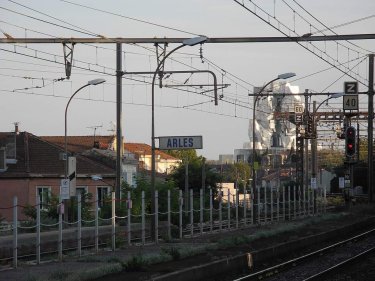
LUMA Arles

LUMA Arles is an interdisciplinary cultural center in Arles, France, initiated by the Luma Foundation. It combines art, research, architecture, and environmental protection, and offers space for artistic experimentation and collaboration.

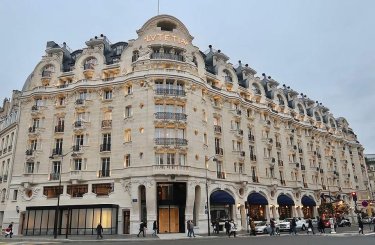
Hôtel Lutetia

Hôtel Lutetia is a luxury hotel at 45 boulevard Raspail in Paris’s Notre-Dame-des-Champs district. Built in 1910, it has long been associated with prestigious hotel reception, wartime occupation, and later postwar memory.

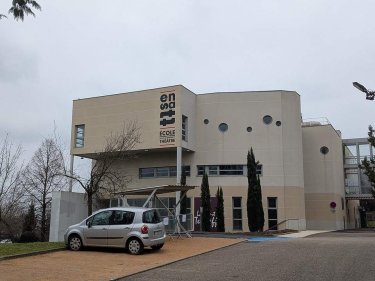
ENSATT

The National School of Arts and Techniques of Theater, or ENSATT, is one of France’s twelve national theatre schools. Founded in Paris in 1941, it later moved to Lyon in 1997 and operates as a public institution under the Ministry of Higher Education and Research.

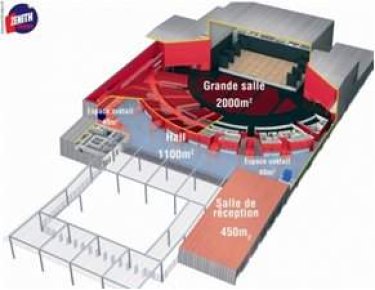
Zénith de Dijon

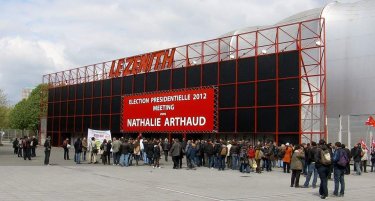
Zénith de Dijon is a concert hall located in the former Parc de la Toison d'Or, near the Toison d'Or shopping center north of Dijon. Opened as the eleventh venue of its name in France, it is one of the largest Zéniths in the country.

Musée d'histoire naturelle - Guimet

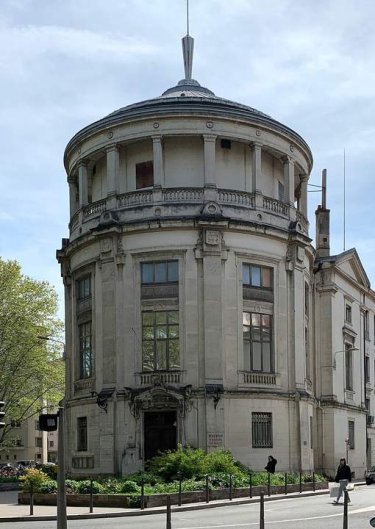
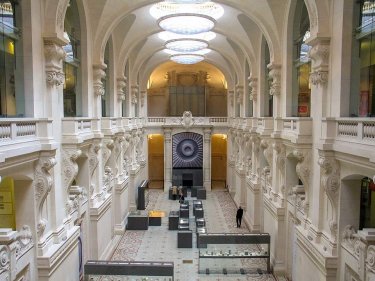
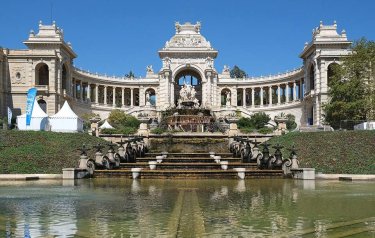
The Musée d'histoire naturelle - Guimet was a former French natural history museum in Lyon, located at 28 boulevard des Belges near Parc de la Tête-d'Or. It closed and its collections were later transferred to the musée des Confluences.

La Pagode

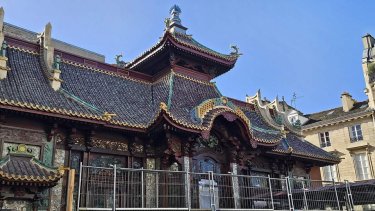
La Pagode is a movie theater at 57 bis rue de Babylone in Paris’s 7th District, on the corner of rue de Babylone and rue Monsieur. It is known for its Japanese-style room and garden and is considered one of the city’s most unusual cinema venues.

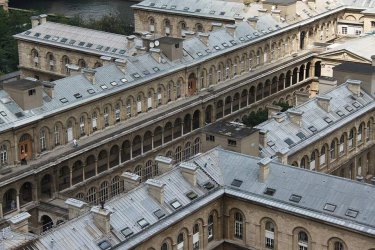
Hôtel-Dieu de Lyon

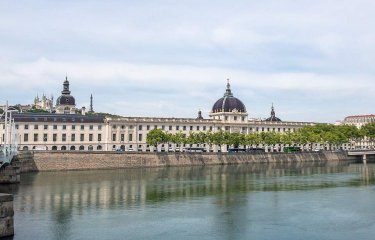
Hôtel-Dieu de Lyon is a historic building complex on the peninsula of Lyon, on the west bank of the Rhône in the Bellecour district. Formerly a hospital, it has been converted into a mixed-use site.

Le Liberté

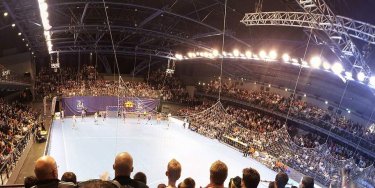
Le Liberté is a concert hall and former sports venue in downtown Rennes, located between Esplanade Charles-de-Gaulle and Boulevard de la Liberté. It is near Les Champs Libres, the multiplex cinema, the Théâtre national de Bretagne, and Rennes railway station.

Zénith Paris

Zénith Paris – La Villette is a concert hall and multi-purpose venue in Parc de la Villette, in Paris’s 19th arrondissement. It has a maximum capacity of 6,804 seats and was built in 1983.
Salle Pleyel

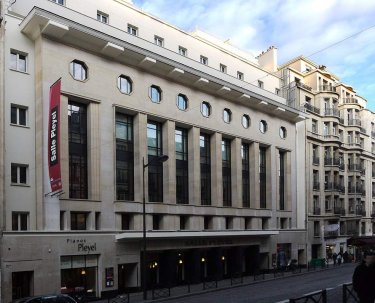
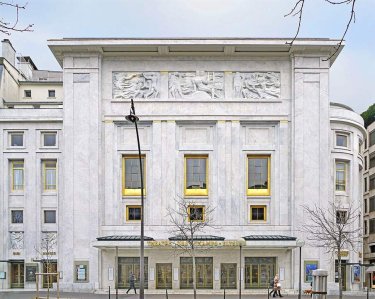
Salle Pleyel is a concert and performance hall in Paris, inaugurated in 1927 and designed in Art Deco style. It was a major French symphonic venue until 2015 and has been listed as a historic monument since 1983.

Stade de Gerland

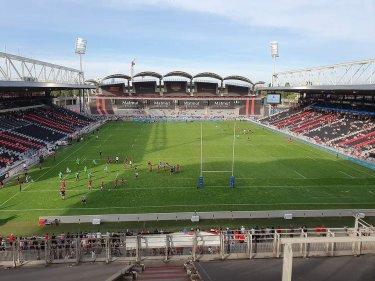
Stade de Gerland, publicly named Matmut Stadium Gerland, is a multi-purpose sports venue in Lyon’s Gerland district. It is the second largest sports arena in the Lyon metropolitan area, has a seating capacity of 25,000, and is registered as a historical monument.
Utopia Toulouse

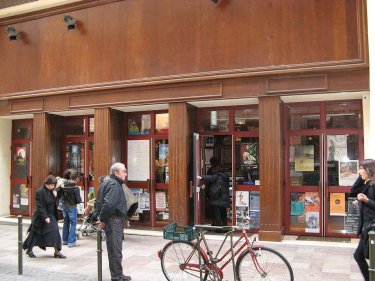
Utopia Toulouse was an arthouse cinema and movie theater at 24 rue Montardy near place du Capitole in Toulouse. The site occupied a historic building that had served multiple cultural and public functions over time.

Château de la Muette

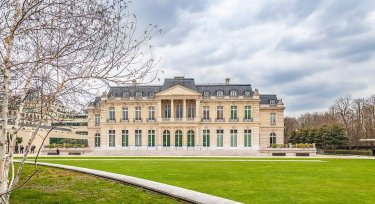
Château de la Muette is a château on rue André-Pascal in Paris, near the Bois de Boulogne and Porte de la Muette. Rebuilt by Henri de Rothschild and designed by Lucien Hesse, it now houses the OECD headquarters.

Paris sewers

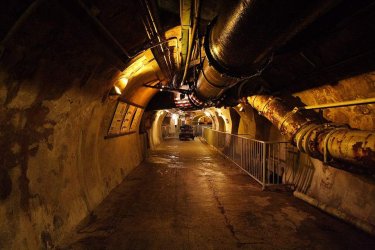
The Paris sewers are an underground network for collecting and evacuating runoff water and wastewater. Shaped over centuries, they were transformed under Prefect Haussmann and engineer Eugène Belgrand and can be visited at the Sewer Museum.

Hôtel de Crillon

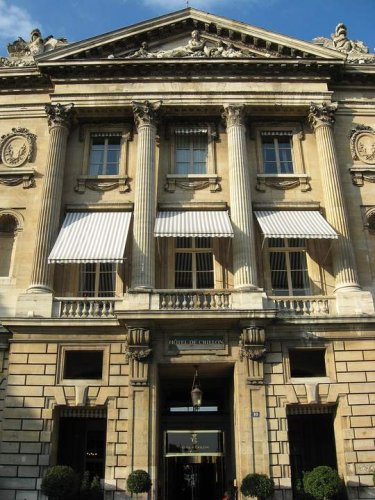
Hôtel de Crillon is a hotel at Place de la Concorde in Paris’s 8th arrondissement. Built in 1775 by Louis-François Trouard, it occupies a building with a facade designed by Ange-Jacques Gabriel and later became a palace hotel.
Cirque d'Hiver Bouglione

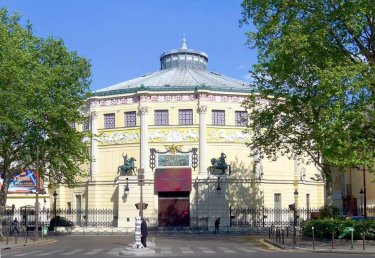
Cirque d'Hiver is a circus building in Paris, constructed in 1852 by architect Jacques Hittorff. Formerly called cirque Napoléon and Cirque national, it is a registered historical monument and now hosts traditional circus, variety shows, and political meetings.

Bahadourian

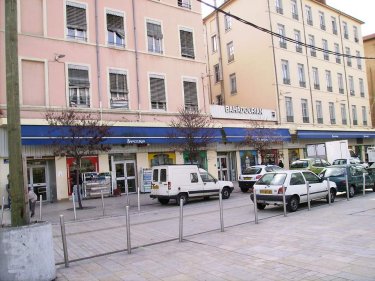
Bahadourian is a network of fine grocery stores in Lyon specializing in exotic products. Its history begins with Djebraïl Bahadourian, an Armenian merchant who opened a small grocery store in the Guillotière district.

Hôtel Saint-Pol

Hôtel Saint-Pol was a former royal residence in Paris on the right bank of the Seine, created during the Hundred Years’ War from four preexisting properties acquired by the Dauphin, future Charles V.

Musée d’Art Moderne

Musée d’Art Moderne is a marble-clad museum building in Paris at 13 avenue du Président-Wilson, beside the Seine near the Palais de Chaillot. Planned for two modern art museums, it now houses major art institutions and exhibition spaces.

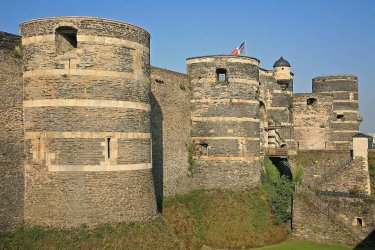
Château d'Angers

Château d’Angers, also known as château des ducs d’Anjou, is a château in Angers, Maine-et-Loire, France. Built by Louis IX in the 13th century, it stands on a rocky promontory above the Maine.

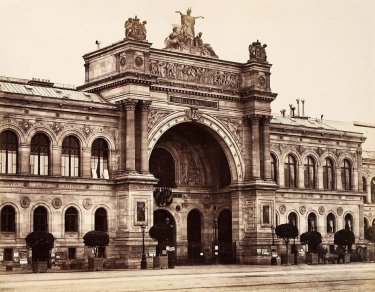
Palais de l'Industrie

Palais de l'Industrie was an old exhibition building on the avenue des Champs-Élysées in Paris, constructed for the Exposition universelle de 1855. It later hosted artistic salons, the first Exposition internationale d'Électricité, and temporary military hospital use.

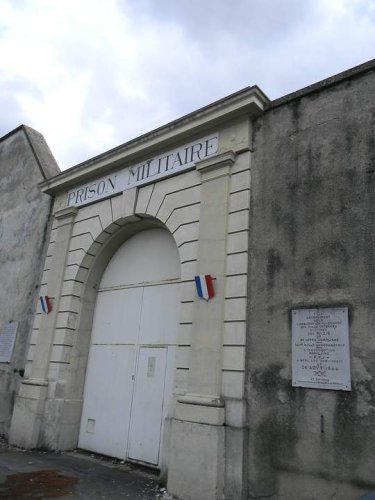
Montluc prison

Montluc prison is located at 4, rue Jeanne-Hachette in Lyon. Built in 1921 as a military prison on the glacis of fort Montluc, it later became known for its role as a detention place during World War II.

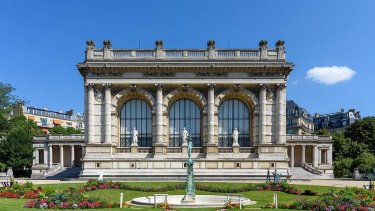
Palais Galliera

Palais Galliera is a French neo-Renaissance museum on Chaillot hill in Paris’s 16th arrondissement. It holds nearly 100,000 items and one of the world’s most important fashion collections, presenting fashion history from the 18th century to the present.