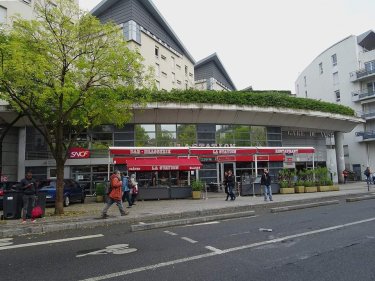
Gare de Lyon-Vaise
Gare de Lyon-Vaise is a railway station in Lyon’s Vaise district, in Auvergne-Rhône-Alpes. Opened in 1854, it serves regional passenger and freight trains and connects with the metro and bus network.
Gare de Lyon-Vaise is a railway station in Lyon’s Vaise district, in Auvergne-Rhône-Alpes. Opened in 1854, it serves regional passenger and freight trains and connects with the metro and bus network.
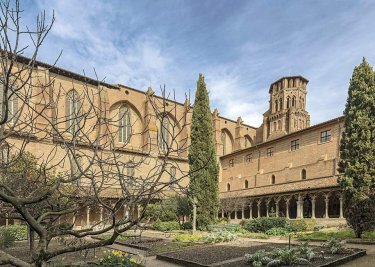
The Augustinian Convent in Toulouse was founded in 1268 for the Augustinians and later rebuilt inside the city walls between 1310 and 1341. Suppressed in 1790, it now houses the musée d'art de Toulouse, and its medieval parts are listed as historic monuments.
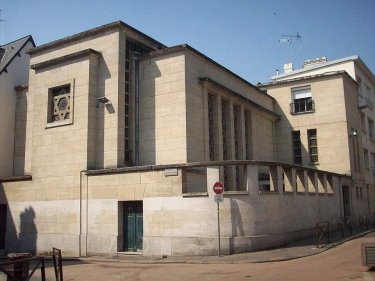
The Synagogue de Rouen is a consistorial synagogue of Sephardic rite at 55 rue des Bons-Enfants. A commemorative plaque at the entrance honors the deported dead of the Jewish community of Rouen.
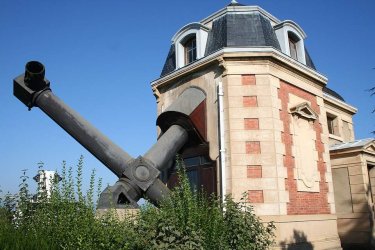
Lyon Observatory is a professional astronomical observatory in Saint-Genis-Laval near Lyon. Founded in 1878, it now serves as an internal school of the University Claude Bernard and a centre for astrophysical research.
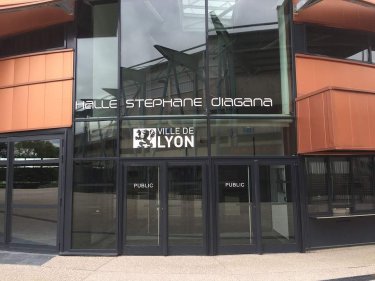
Halle d'athlétisme Stéphane-Diagana is an indoor athletics stadium in the La Duchère quarter of Lyon, France, near the Stadium of La Duchère. Opened and inaugurated in 2012, it is named after French athlete Stéphane Diagana.
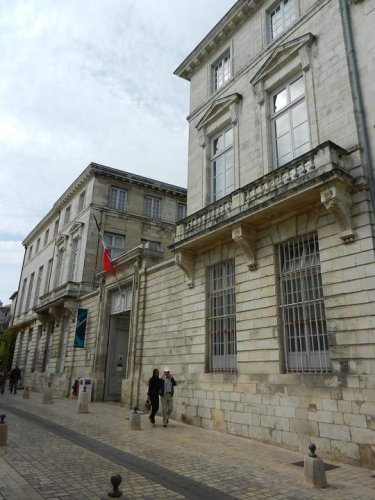
The Musée des Beaux-Arts de La Rochelle is a French art museum in La Rochelle, Charente-Maritime. It is housed in a protected hôtel particulier and forms part of the city’s art and history museums with the Musée du Nouveau Monde.
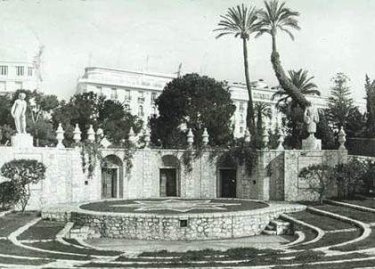
The Théâtre de verdure de Nice is a sylvan theater in the heart of Jardin Albert, opposite the sea and in front of the Monument du Centenaire. Constructed in 1946, it was designed by François Aragon.
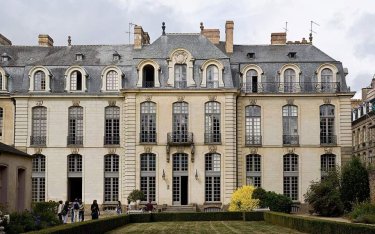
Hôtel de Blossac is an 18th-century hôtel particulier in the historic center of Rennes, France. Built after the 1720 fire, it combines two adjoining wings and outbuildings and includes a ceremonial staircase.
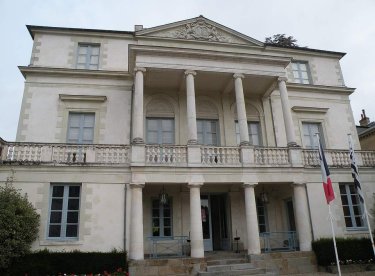
Hôtel de Courcy is a private mansion at 9 rue Martenot in Rennes, facing square de La Motte and near parc du Thabor. Built around 1830, it combines neoclassical architecture with later decorative and institutional transformations.
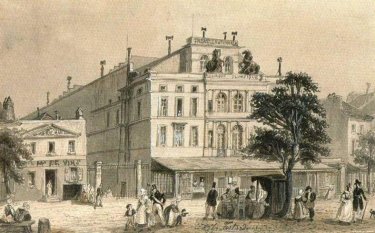
Cirque Olympique, also known as Cirque Franconi, was a French equestrian theatre company founded in 1782 by Philip Astley. Originally called Cirque d'Astley or Cirque Anglais, it is recognized as the first permanent circus in France.
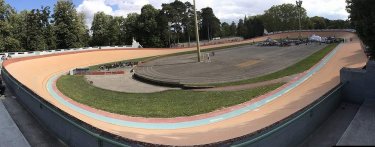
Vélodrome Georges-Préveral is a sports venue in the Parc de la Tête d’Or in Lyon, France. Its track has changed from earth to cement screed, pink synthetic coating, and orange resin screed over time.
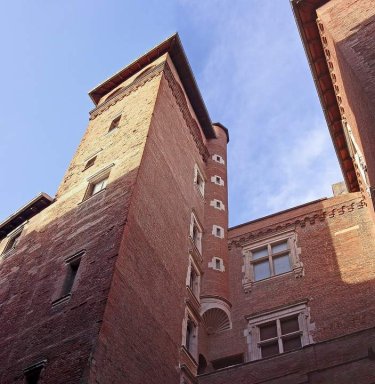
Hôtel Mansencal is a private mansion in Toulouse’s historic center, on rue Espinasse. Built between 1527 and 1547 for Jean de Mansencal, it preserves elements of a very pure Renaissance style and is marked by a tall tower and sculpted garden façade.
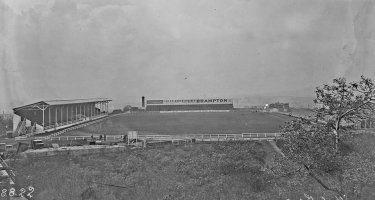
Stade Bergeyre is a stadium associated with Sporting Club de Vaugirard and later Olympique de Paris. It was developed on an isolated hill at Buttes-Chaumont after the club’s former ground was requisitioned near World War I, and its construction was slowed by the war.
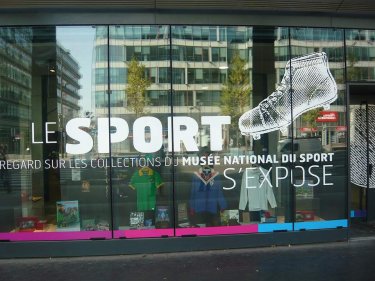
The Musée National du Sport is a French museum created in 1963. It moved from Paris to Nice and is now located in a dedicated space inside Allianz Riviera stadium.
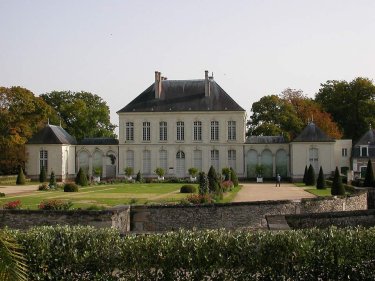
The Château du Grand-Blottereau stands in the western part of Grand-Blottereau Park. Its main gate faces boulevard Auguste-Péneau, and an alley leads to an honor courtyard surrounded by moats and French gardens.
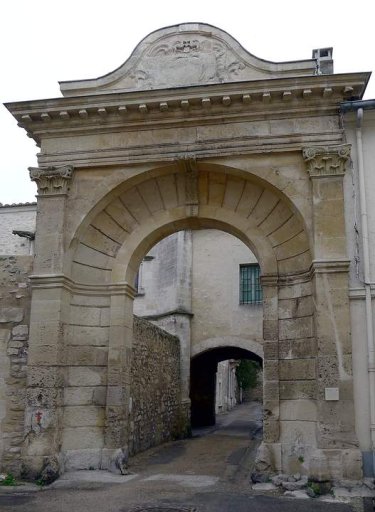
Enclos Saint-Césaire is a former abbey in Arles, founded in 512 by Archbishop Caesarius as a nunnery. Originally called the abbey or monastery of St John, it stood in the south-eastern corner of the rampart.
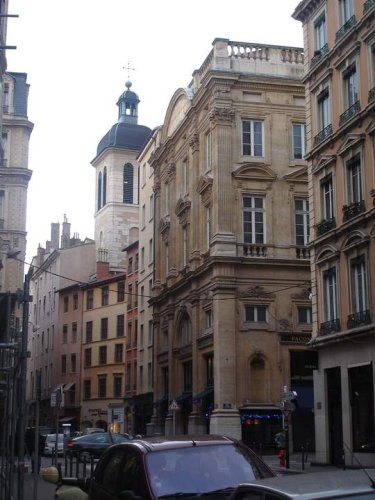
Rue du Bât-d'Argent is a historic street in Lyon’s Terreaux quarter. It borders the collège-lycée Ampère and runs from rue du Président-Édouard-Herriot to quai Jean-Moulin. Its history includes medieval origins, changing names, and links to local artistic and political life.
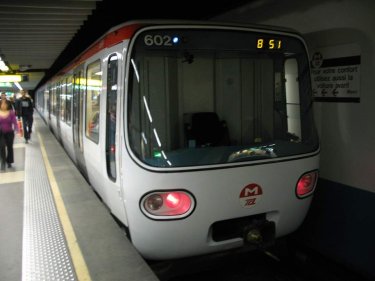
Gare Part-Dieu - Vivier Merle is a Lyon Metro line B station in the La Part-Dieu district of Lyon. Opened in 1978, it serves the Lyon-Part-Dieu railway station, the Westfield La Part-Dieu shopping center, and several bus and tramway connections.
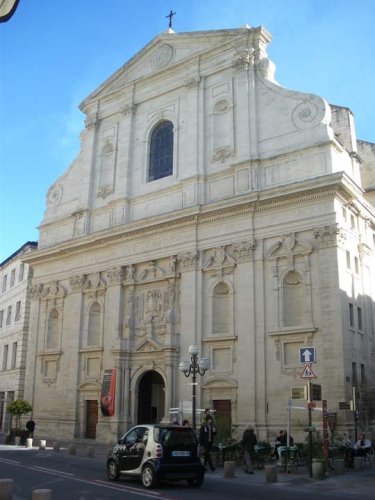
Musée lapidaire d'Avignon is an archaeological museum in Avignon, France, housed since 1933 in the former chapel of the Jesuit College. It preserves Fondation Calvet’s archaeological collection, formed from Esprit Calvet’s original holdings and later additions.
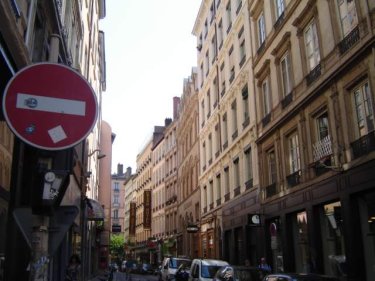
Rue Lanterne is a very old public street in Lyon, France, running north-south from rue d’Algérie and place Tobie-Robatel to rue Longue. Known since 1356, it has a long urban history tied to changes in its layout, buildings, and uses.
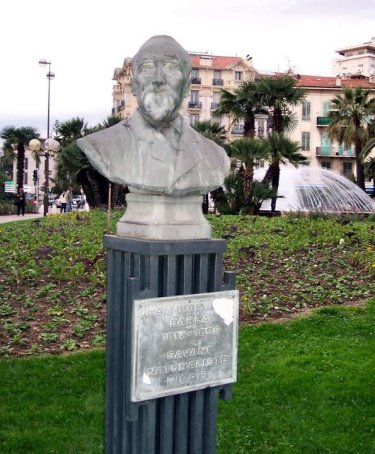
The Muséum d'histoire naturelle de Nice is the oldest municipal museum in Nice, known locally as musée Barla. It holds a heritage of over one million specimens, mainly from Mediterranean regions, and is located at 60 boulevard Risso in the district of place Garibaldi.
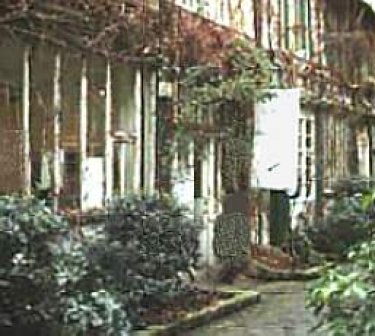
Musée du Montparnasse is an art museum at 21 Avenue du Maine in Montparnasse, Paris. Opened in 1998, it occupies a 1900 building that once housed the studio of Marie Vassilieff.
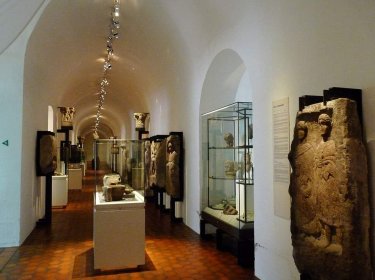
The Musée archéologique de Strasbourg is the archaeological museum of the city. Installed in the vast basements of the Palais Rohan, it presents Alsace’s ancient history from the Paleolithic origins to the early Middle Ages.