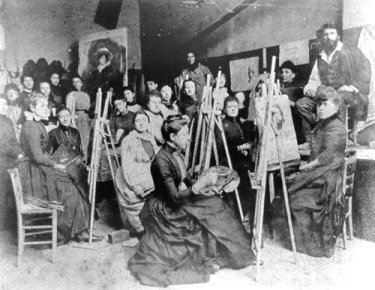
Académie Julian
Académie Julian was a private painting and sculpture school founded in Paris in 1866. It had several studios at its peak and was known for its students, including many women and international artists.
Académie Julian was a private painting and sculpture school founded in Paris in 1866. It had several studios at its peak and was known for its students, including many women and international artists.
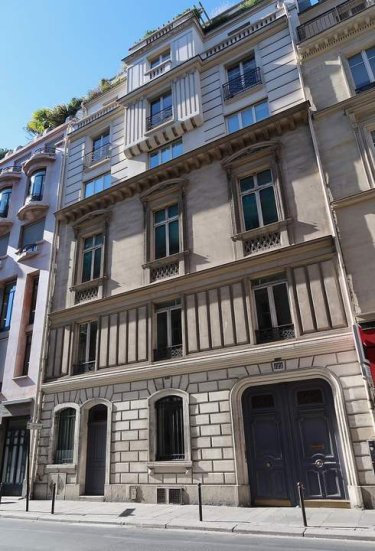
One-Two-Two was a brothel at 122 rue de Provence in Paris, named after its address. Active in the 1930s and 1940s, it was among the city’s most luxurious and well-known establishments.
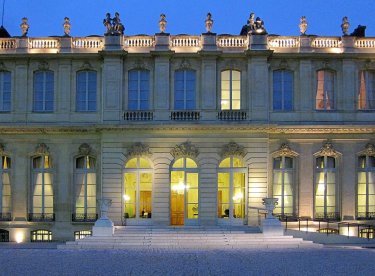
Hôtel de Lassay is an 18th-century hôtel particulier in the 7th arrondissement of Paris. It stands next to the Palais Bourbon and serves as the residence of the President of the French National Assembly.
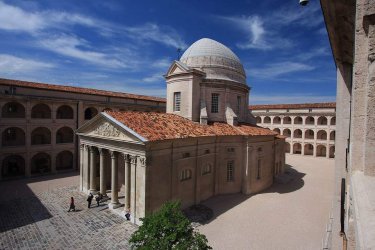
La Vieille Charité is a 17th-century building in Marseille’s Panier district, designed by Pierre Puget to house the city’s indigent and poor. Its architecture includes a central chapel and a rectangular courtyard surrounded by galleries.
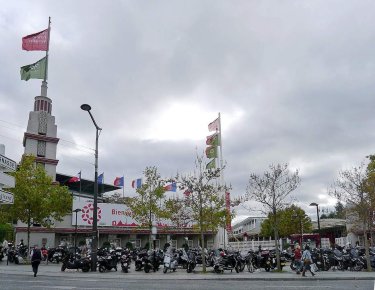
Paris Expo Porte de Versailles is a large exhibition park on the border of Paris, Issy-les-Moulineaux, and Vanves. Opened for exhibitions in 1923, it has hosted major fairs and trade shows and remains the second largest exhibition park in France.
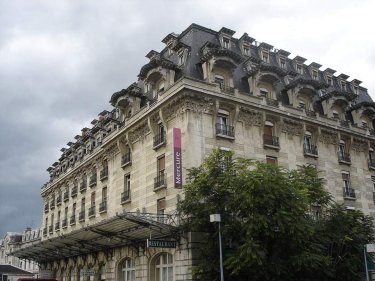
Hôtel Terminus is a hotel on cours de Verdun in Lyon, built in 1905. It was previously known as Château Perrache and is now Le Mercure Lyon Centre Château Perrache, owned by the Accor group.
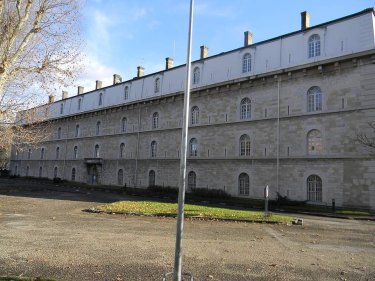
Fort de la Vitriolerie is a fort of Lyon’s first belt. Built from 1840 to 1860, it had a triangular plan, two offensive sides, a caponiere, and two demi-bastions.
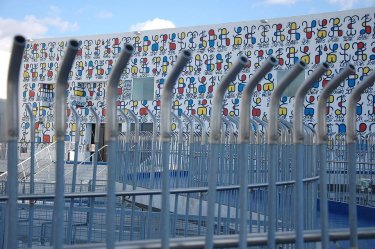
La Friche la Belle de Mai is a cultural center in Marseille’s Belle de Mai district, created in a former tobacco factory opened in 1992. It brings together artistic workplaces, performance rooms, and exhibition spaces across many disciplines.
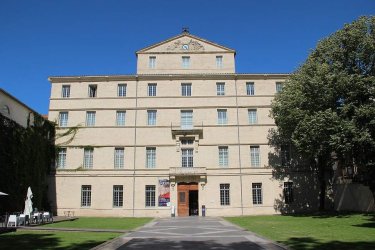
Musée Fabre is the principal art museum of Montpellier. It was created after François-Xavier Fabre proposed donating his collections to the city in 1824, on the condition that a museum be built to house them. The museum opened after three years of work financed by the municipality.
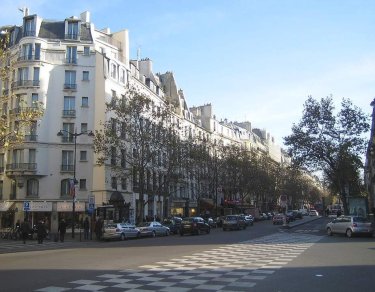
Boulevard Saint-Germain is a Paris boulevard on the Left Bank, near Saint-Germain-des-Prés. It forms part of the main route of the Latin Quarter and connects several central districts along the Seine.
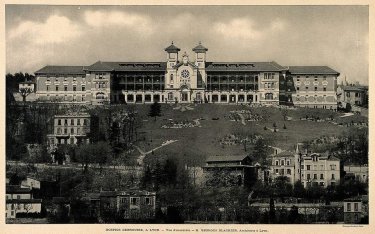
Hospice Debrousse was a former hospital at 29 rue Sœur-Bouvier in Lyon. Specialized in pediatrics, it ended hospital activity in 2007, when pediatric services were regrouped at Hôpital Femme-Mère-Enfant.
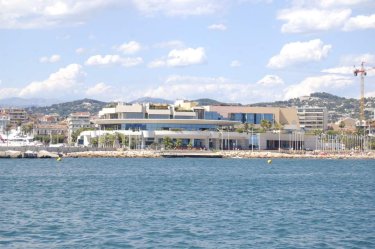
The Palais des Festivals et des Congrès in Cannes is a convention and event venue designed to host the Festival de Cannes. Inaugurated at the end of 1982, it also hosts events such as MIDEM, MIPCOM, and the NRJ Music Awards.
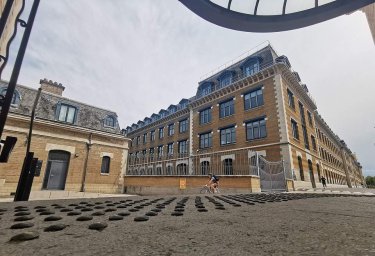
The Manufacture des tabacs de Lyon is a former tobacco factory in Lyon. Rehabilitated as a university campus, it is owned by Jean-Moulin-Lyon-III and listed as Architecture contemporaine remarquable.
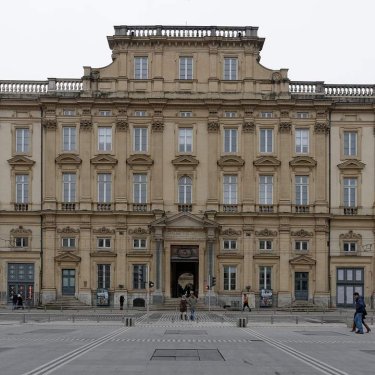
The Museum of Fine Arts of Lyon is a municipal museum on place des Terreaux in Lyon, France, housed in the former abbaye de Saint-Pierre-les-Nonnains. It is more commonly known as palais Saint-Pierre and was formally established during the French Revolution.
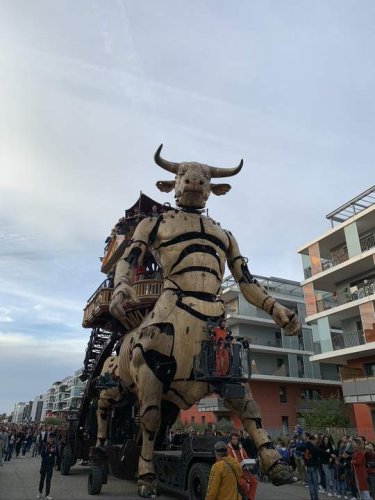
Halle de la Machine is an exhibition hall and museum installed near the Piste des Géants at the former Toulouse-Montaudran airport. It presents large mechanical creations, including Astérion le Minotaure and about 200 spectacle machines.
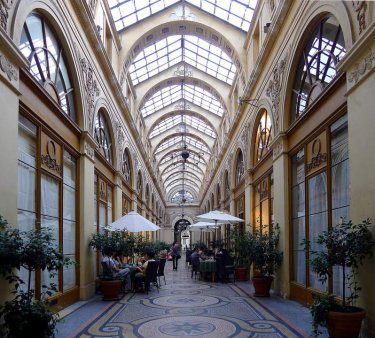
Galerie Vivienne is a covered passage in the 2nd arrondissement of Paris. It is privately owned but open to pedestrians during public hours, and is known for its Pompeian neo-classical decor, glass roof, and original gallery and rotunda.
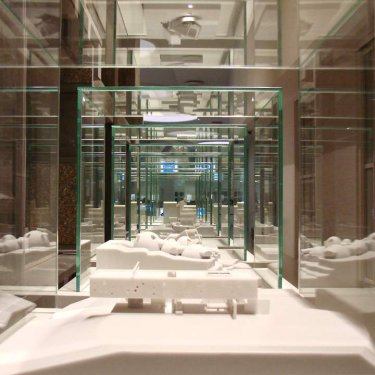
The Cité de l'architecture et du patrimoine is an architectural museum in the Palais de Chaillot in Paris. It is a public establishment under the supervision of the Ministry of Culture, devoted to French architecture, built heritage, and contemporary creation.
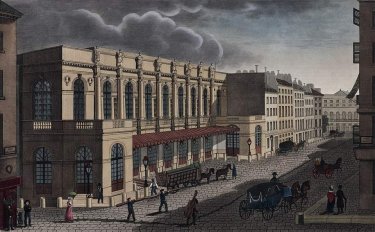
Salle Le Peletier was an opera house in Paris that housed the Paris Opera from 1821 until it was destroyed by fire in 1873. Designed by François Debret, it was built on the site of the garden of the Hôtel de Choiseul on rue Lepeletier.
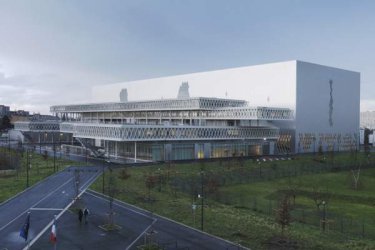
The Archives nationales are France’s national archives, created by decree of the Constituent Assembly in 1790. They preserve archives of the central organs of the French State, with headquarters in Pierrefitte-sur-Seine and additional holdings in Paris.
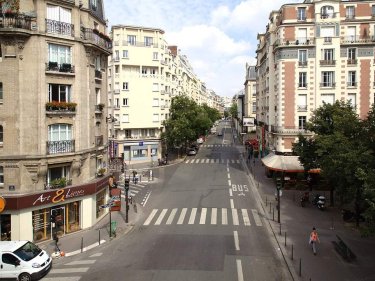
Rue de Vaugirard is a street crossing the 6th and 15th arrondissements of Paris. At 4.3 kilometres long, it is the longest street in Paris intra-muros and has 407 building numbers.
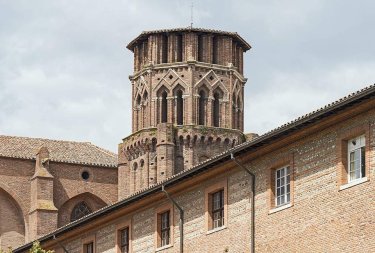
The Musée des Augustins is an art museum in Toulouse, Haute-Garonne, housed in the former convent of the Augustins. Opened in 1795, it holds important collections of painting and sculpture and reopened in 2005 after nearly six years of work.
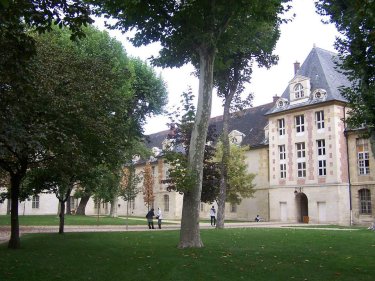
Hôpital Saint-Louis is an Assistance publique–Hôpitaux de Paris hospital in the 10th arrondissement of Paris. Founded by Henri IV in the early 17th century, it combines historic buildings with a modern hospital complex.
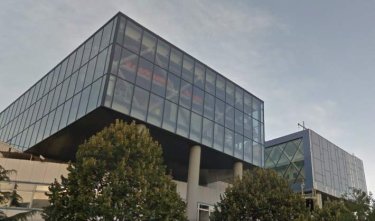
P4 Laboratory - Jean Merieux is a high-security medical laboratory in Lyon’s Gerland district, on avenue Tony Garnier. Inaugurated in 1999, it is located in the Inserm Cervi tower near the ENS of Lyon premises and was financed by the family of Jean Mérieux.
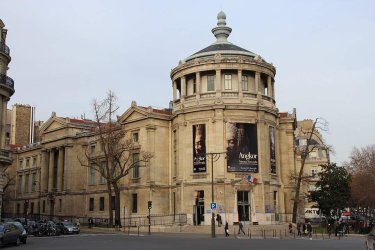
The Guimet Museum is the musée national des Arts asiatiques in Paris, at 6 place d’Iéna. Founded by Émile Guimet, it was inaugurated in 1889 and presents one of the most complete collections of Asian arts worldwide.
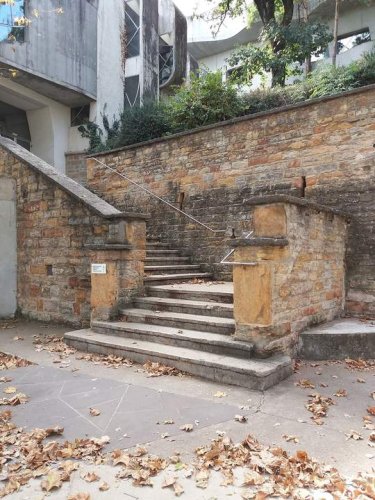
Sainte-Marie Lyon is a coeducational private school under contract. It teaches students from kindergarten to Bac+3 and is spread across five sites, including three in Lyon, one in Meyzieu, and one in the Porte de l’Isère area.
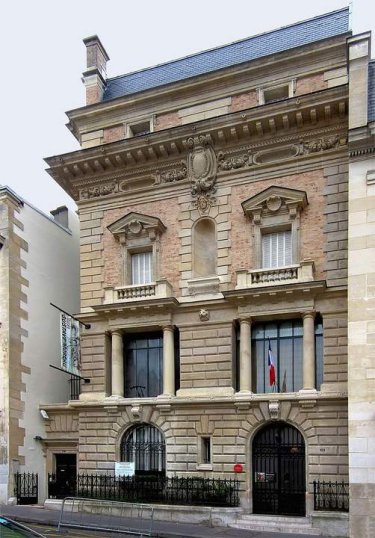
Musée Gustave Moreau is a national museum at 14 rue de La Rochefoucauld in Paris’s 9th arrondissement, set in the former studio of the symbolist painter Gustave Moreau. It preserves and presents his work and studio environment.
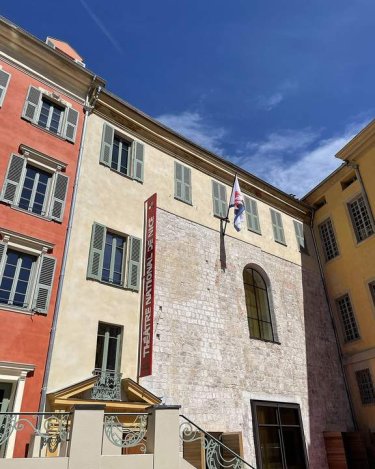
The National Theatre of Nice is a centre dramatique national created in 1969. It was installed in buildings designed by Xavier Carnoy, later moved to the Promenade des Arts, and planned a partial move to the former Saint-François convent in Vieux-Nice.
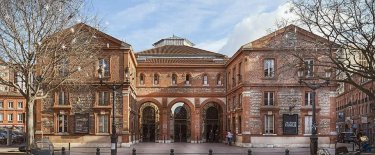
The Halle aux Grains de Toulouse is a concert hall in the city center of Toulouse. Built in 1861 as a grain market, it was later converted into a performance venue and is known for its acoustic quality.
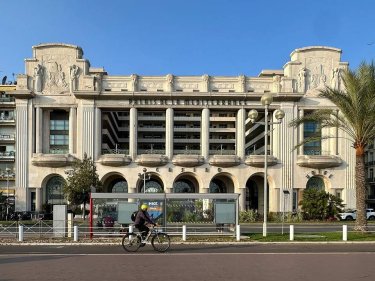
Hyatt Regency Nice Palais de la Méditerranée is a luxury hotel and casino at 13 and 15 Promenade des Anglais in Nice, France. Its façades are classified as historical monuments and labeled Patrimoine du 20e siècle.
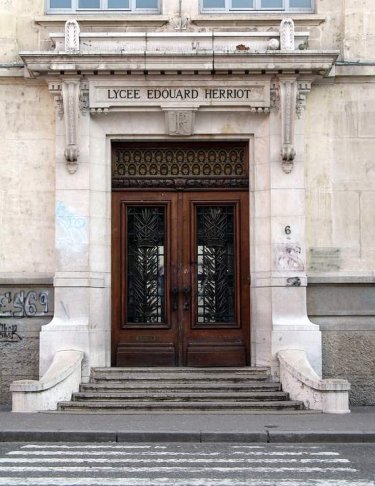
Lycée Édouard-Herriot is a public secondary school in Lyon. Founded in 1882 under the influence of Jeanne Desparmet-Ruello, it moved to its current building, inaugurated in 1888 on place Saint-Pothin.
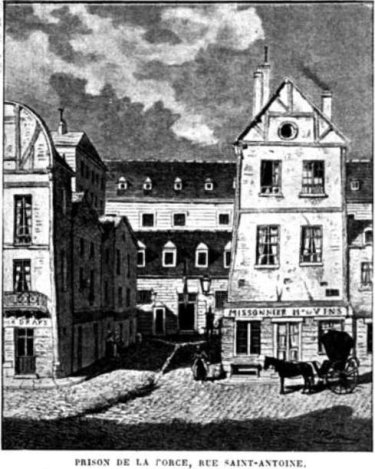
La Force Prison was a former hôtel particulier transformed into a maison de détention. It served as a prison for Paris between 1780 and 1845, and today the building is almost entirely destroyed.
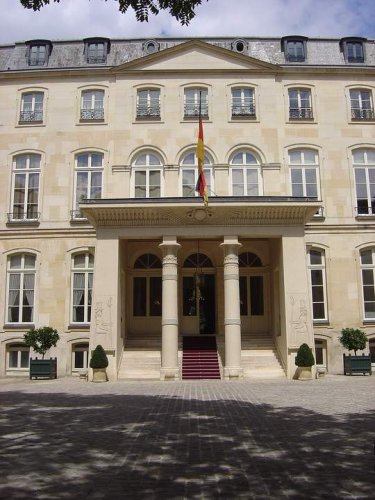
Hôtel Beauharnais is a historic hôtel particulier in Paris’s 7th arrondissement. Designed by Germain Boffrand and completed in 1714, it was later rebuilt in the Empire style by Eugène de Beauharnais and now serves as the official residence of the German ambassador to France.
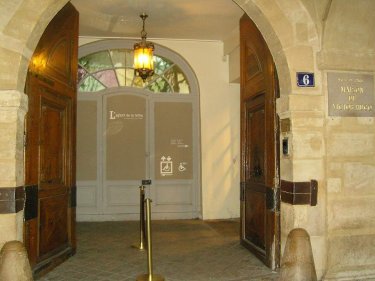
Maison de Victor Hugo is a monographic Paris museum at 6, place des Vosges. It preserves the former hôtel de Rohan-Guémené, where Victor Hugo rented an apartment on the second floor from 1832 to 1848.
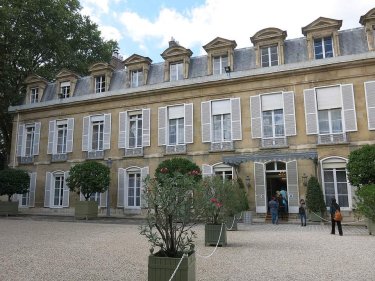
Petit Luxembourg is a private mansion in the 6th arrondissement of Paris, west of the Palais du Luxembourg on Rue de Vaugirard. It has served as the residence of the President of the French Senate since 1825.
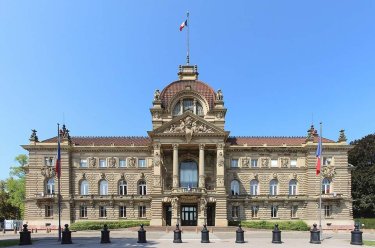
The Palais du Rhin is a palace on Place de la République in Strasbourg, dominated by a large dome and set within a garden with ornate wrought iron fences. It is one of the most complete and emblematic examples of late German architecture.
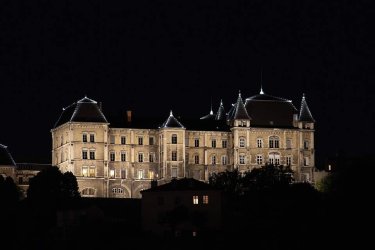
Lycée de Saint-Just is a public high school in Lyon’s Saint-Just district. Overlooking the city from Fourvière hill west of the Saône, its site combines a long architectural history with remains linked to Roman Lugdunum.
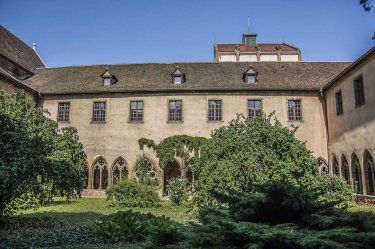
The Unterlinden Museum in Colmar, Alsace, is housed in the former Dominican convent of Unter den Linden. It presents a large collection of objects from the Neolithic to the present and is especially known for Upper Rhine sacred art from the Middle Ages to the Renaissance.
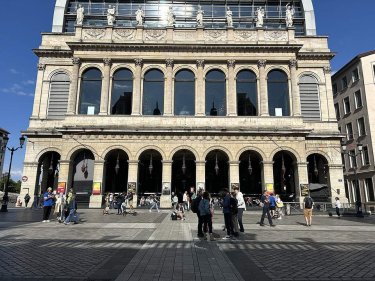
Opéra Nouvel is an opera house in Lyon, France, on Place de la Comédie opposite the city hall. It was built in 1831 as the Grand Théâtre and later restructured and enlarged by Jean Nouvel.
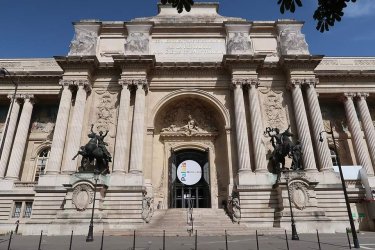
The Palais de la Découverte is a science museum created by Jean Perrin in 1937 to show science in the process of being made. Its displays include experiments in optics, biology, X-rays, and other fields.
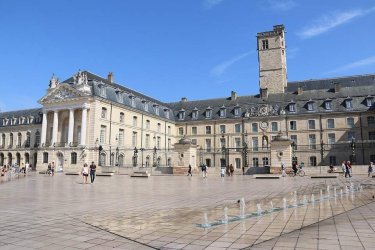
The Palace of the Dukes of Burgundy is a historic palace in Dijon, France. Begun in 1364 for Philippe le Hardi, it combines Gothic, Renaissance, and Classical styles and now houses the Musée des Beaux-Arts de Dijon and Dijon City Hall.
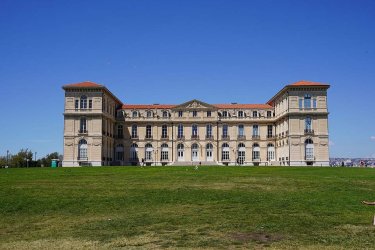
The Palais du Pharo is a 19th-century palace in Marseille, built by order of Napoléon III for Empress Eugénie. It overlooks the port and the Jardin du Pharo and now belongs to the city.
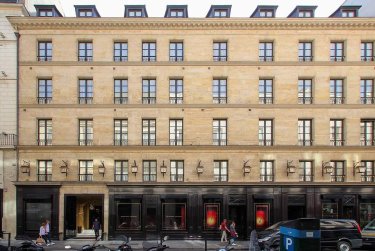
Hôtel Costes is a 5-star Parisian hotel with 84 rooms, a terrace and a spa. Founded by Jean-Louis and Gilbert Costes, it is known for its distinctive decoration, lounge atmosphere, and position as a luxury hotel with a strategy different from palaces.
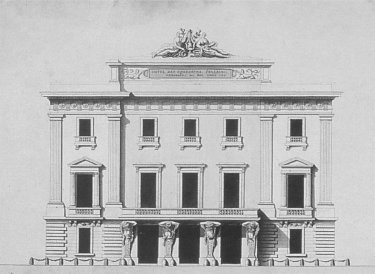
Hôtel de Bourgogne was a theatre built in Paris in 1548 for the Confrérie de la Passion. Located on rue Mauconseil, it became a major French stage before closing in 1783.
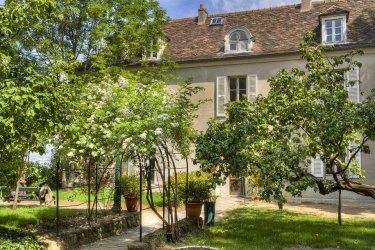
The Musée de Montmartre is a French art museum in the Montmartre district of Paris’s 18th arrondissement. It is housed in a group of historic buildings and presents the history of Montmartre and its artists.
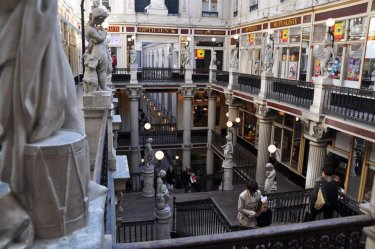
Passage Pommeraye is a covered shopping arcade in Nantes, France, built from the end of 1840. Set on a steep slope, it is arranged over three levels connected by a central staircase and has been a listed historical monument.
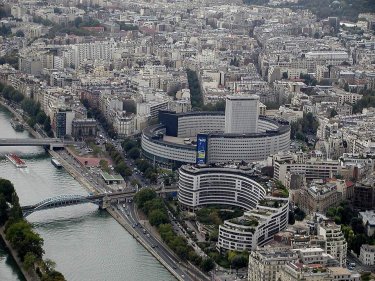
Maison de la Radio is a circular broadcasting house in Paris, designed by Henry Bernard to house French public radio-television. It has a central tower and a circumference of 500 meters.
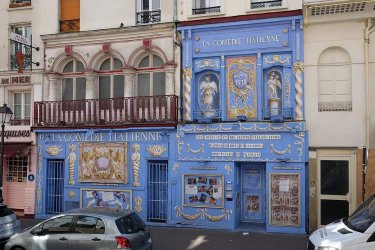
Comédie-Italienne was a French name used for Italian-language theatre and opera performed in Paris. It is associated with commedia dell’arte troupes, Italian-born royal patrons, and later changes in company name and repertory.
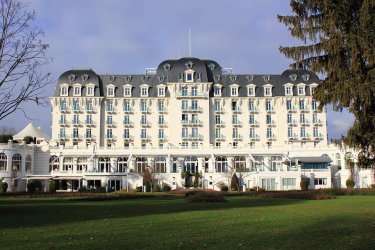
Imperial Palace is a four-star hotel in Annecy, Haute-Savoie, on the shores of Lake Annecy. It is surrounded by public gardens that also contain a casino and a seminar center.