Category

French Architecture

599 objects · Page 5 of 13

Hôpital Cochin

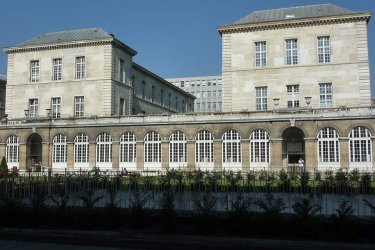
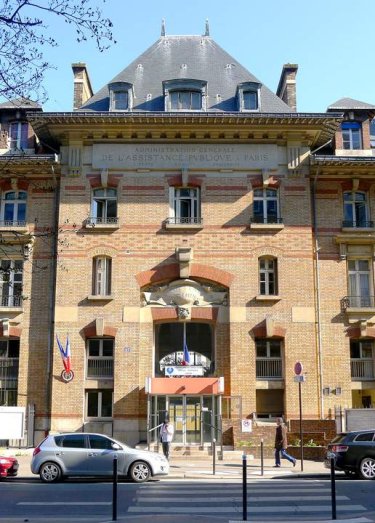
Hôpital Cochin is a hospital of Assistance publique - hôpitaux de Paris in Paris, at 27 rue du Faubourg-Saint-Jacques. It depends on the faculty of medicine of Université Paris-Cité and traces its origins to an 18th-century hospice founded by Jean-Denis Cochin.
Ateliers Berthier

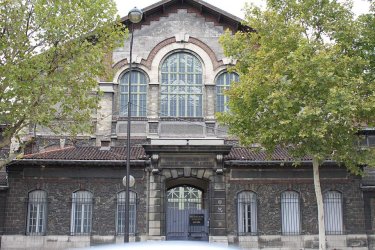
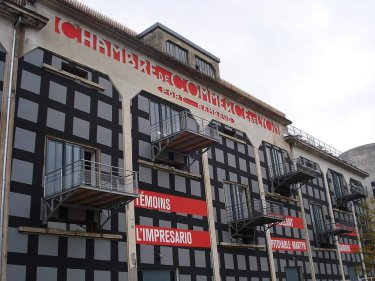
Ateliers Berthier is a set of buildings at 32 boulevard Berthier in Paris. Designed by Charles Garnier in the late 19th century, they were built as workshops and storage for the Opéra de Paris décor and now house the Odéon-Théâtre de l'Europe’s second auditorium.

Palais des Congrès Acropolis

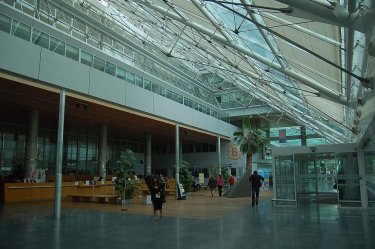
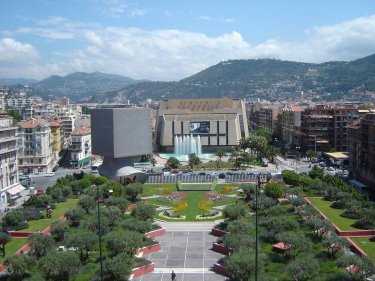
Palais des Congrès Acropolis was a three-level convention center on Esplanade Kennedy in Nice. It included a stage area, backstage, meeting rooms, and conference spaces such as the Hermes room and the Rhodes multipurpose space.

Cité du Vin

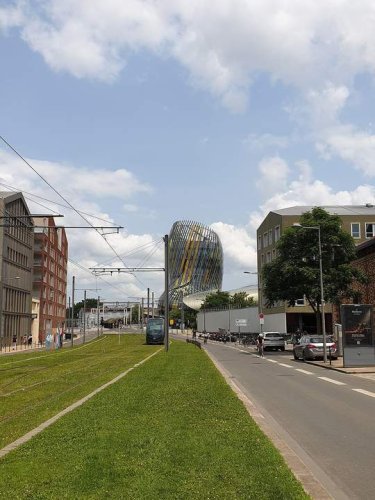
Cité du Vin is a museum in Bordeaux, Gironde, France, at 134–150 quai de Bacalan on the esplanade de Pontac. Designed by Agence XTU, it was developed as a cultural and tourist wine centre and received 400,000 visitors in 2019.

Villa Arson

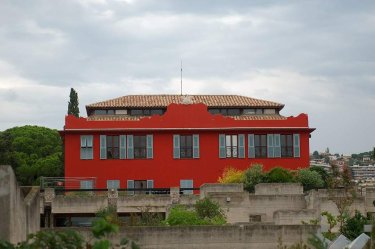
Villa Arson is a public administrative institution of the Ministry of Culture in Nice. Located on Saint-Barthélemy hill, it brings together an art school, contemporary art center, artists’ residence, and specialized media library.

Au Lapin Agile

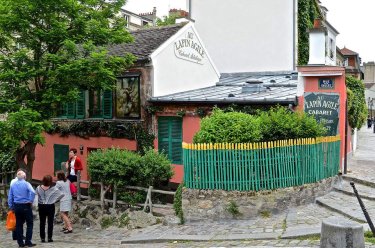
Au Lapin Agile is a cabaret at 22 rue des Saules in Montmartre, Paris, established in the second half of the 19th century. It became a gathering place for early 20th-century artistic bohemia and remains active today.

Château de la Moutte

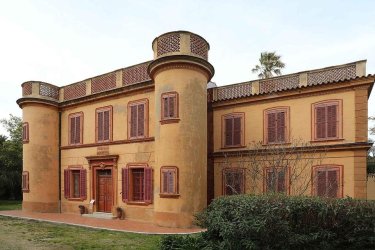
Château de la Moutte is a château on the presqu’île of Saint-Tropez. Bought in 1860 by Émile Ollivier, it became his retreat and later his residence after the war of 1870. Its entrance bears the motto “Certa viriliter sustine patienter.”

Maison Diamantée

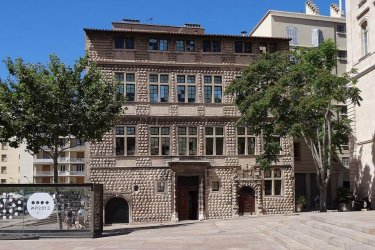
Maison Diamantée is a historic private mansion in Marseille, located behind the city hall in the quartier de l’hôtel de ville. Its façade is covered with stones cut in points, known as bossage prismatique, and it is classified as a monument historique.

Hôtel de Condé

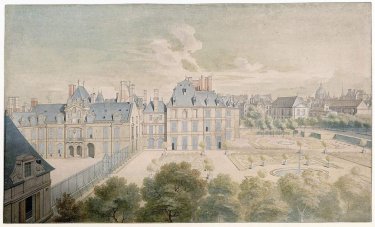
Hôtel de Condé was a former hôtel particulier in Paris, located in the 6th arrondissement near the present Théâtre de l’Odéon. It occupied a large triangular site and was destroyed at the end of the 18th century.

Halles du Boulingrin

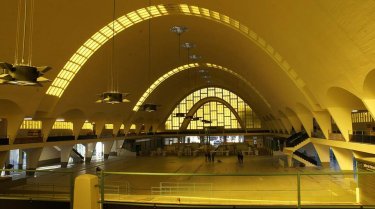
Halles du Boulingrin is a market hall near Porte Mars, set on an islet formed by Boulingrin, Temple, Mars, and Olivier-Metra streets. Its concrete structure has a parabolic vault, glass bays, and a planned interior for market use.

Hôtel Maës

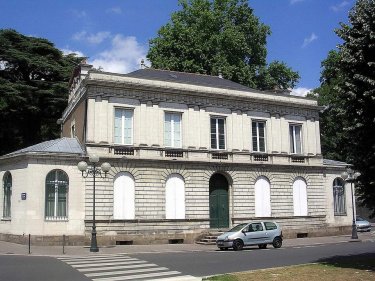
Hôtel Maës is a private mansion built in 1827 on place Général-Mellinet, between boulevard Allard and rue Richer, in Nantes’s Dervallières-Zola district. It was registered as a historical monument in 2011.

Saint George Palace

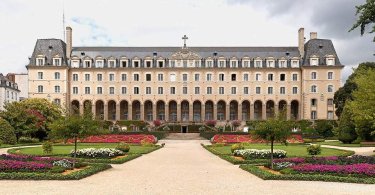
Saint George Palace is a historic building in Rennes, formerly an abbey residence built in 1670 on the site of an older abbey building. It stands in the Thabor-Saint Hélier quarter and has been listed as a monument historique since 1930.

Musée Matisse

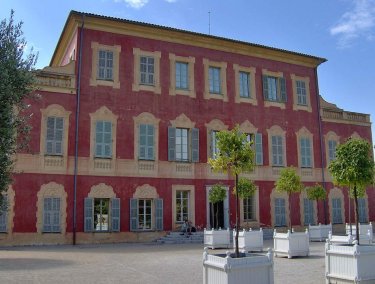
Musée Matisse is an art museum dedicated to the French painter Henri Matisse. Located in the Villa des Arènes in Nice’s Cimiez district, it opened in 1963 and presents a major collection tracing his career and artistic development.

Théâtre des Bouffes-Parisiens

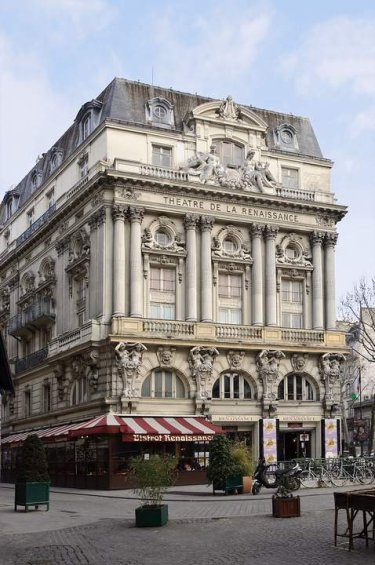
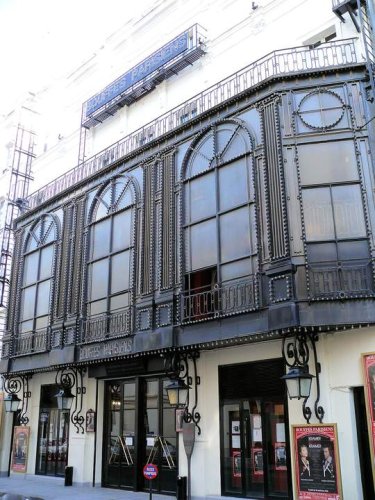
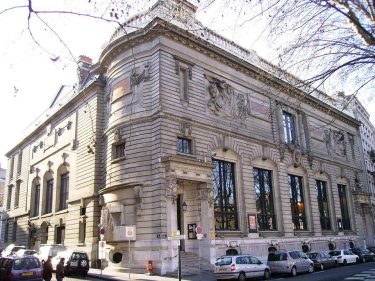
Théâtre des Bouffes-Parisiens is a Parisian theatre founded in 1855 by composer Jacques Offenbach for opéra bouffe and operetta. Located in the 2nd arrondissement, it later expanded its repertory to include comedies and remains active with regular stage productions.

Palais Rihour

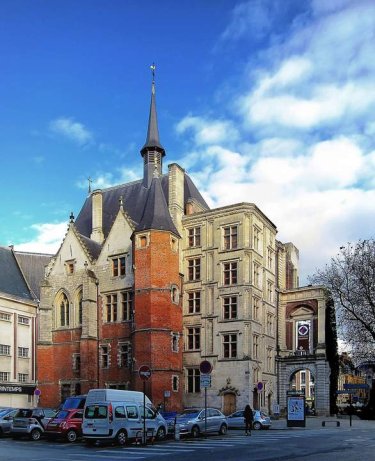
Palais Rihour is a remaining part of a 15th-century palace in Lille, France, built by the Dukes of Valois-Bourgogne. It was classified as a historical monument in 1875, and its guard room now houses the city’s tourist office.

Le Silo

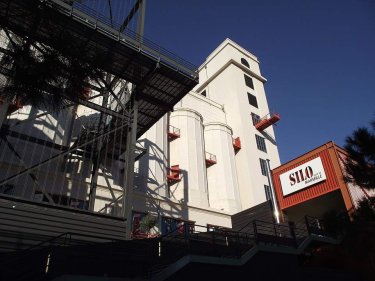
Le Silo, also known as CEPAC Silo, is a performance hall in Marseille’s Arenc district. Opened in 2011, it occupies a former industrial grain silo that was converted as part of the Euroméditerranée project.

Théâtre Antoine

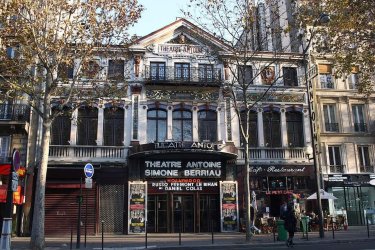
Théâtre Antoine-Simone-Berriau is a Parisian private theater in the 10th arrondissement on Boulevard de Strasbourg. Listed as a Monument historique since 1989, it is named after André Antoine and Simone Berriau, and has a long history of changing names and influential premieres.

Bobino

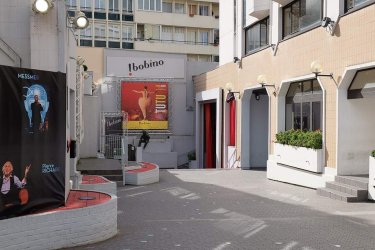
Bobino was a performance hall at 20 rue de la Gaîté in Paris’s Montparnasse district. Established in 1873 as a guinguette, it became a café-concert and later one of the capital’s best-known music halls.

Musée Nissim de Camondo

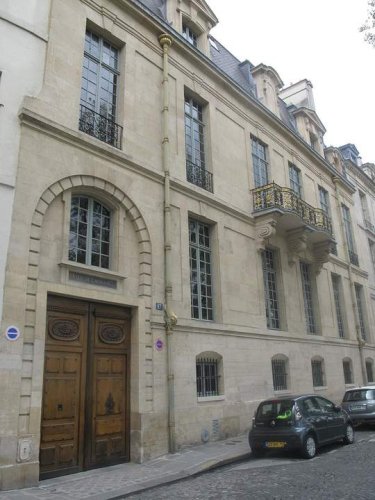
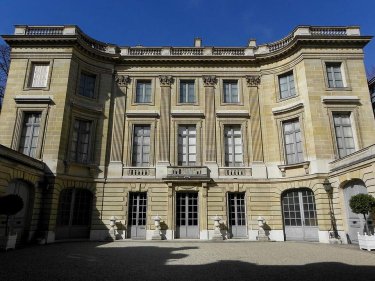
The Musée Nissim de Camondo is an art museum in the hôtel particulier de Moïse de Camondo, near Parc Monceau in Paris’s 8th district. Inaugurated in December 1936, it houses French 18th-century furniture and art objects in a setting preserved as a small palace.

Palais Bondy

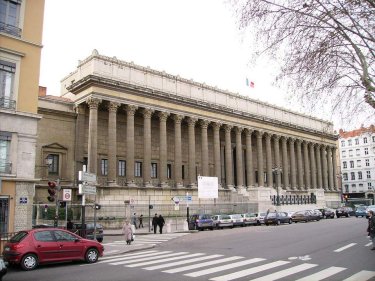
Palais Bondy, also known as Le Palais Bondy or Palais de Bondy, is a building at 18 quai de Bondy in Lyon, on the banks of the Saône. It contains concert halls, exhibition rooms and Théâtre Le Guignol de Lyon.

Lariboisière Hospital

Lariboisière Hospital is an Assistance Publique–Hôpitaux de Paris hospital at 2 rue Ambroise-Paré in Paris. Opened in 1854, it was built in the 19th century in a pavilion style based on hygienist theories and listed as a historical monument in 1975.

Grand Théâtre d'Angers

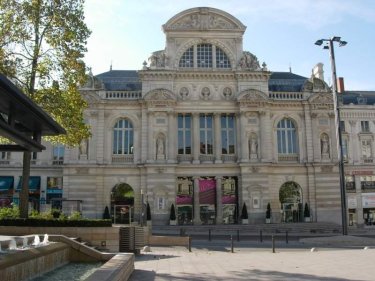
Le Grand Théâtre d'Angers is a municipal theatre in the city centre of Angers, Maine-et-Loire, on Place du Ralliement. It has 723 seats in an Italian-style auditorium and is a main venue for music, theatre, and opera performances.

Grand Théâtre de Bordeaux

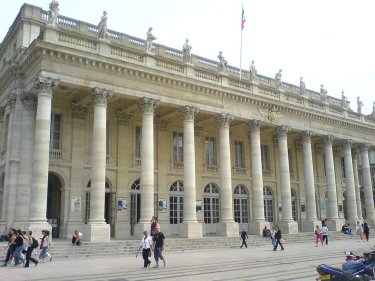
Le Grand Théâtre de Bordeaux is a neo-classical opera house commissioned by Marshal de Richelieu and built by architect Victor Louis. It features a peristyle with 47 columns, an Italian-style performance hall, and an interior restored in blue, gold, and white marble.

Élysée Montmartre

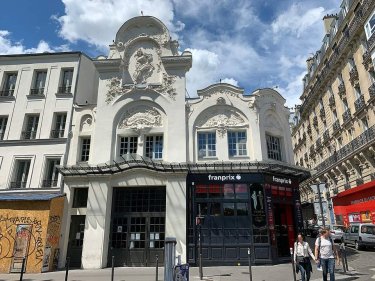
Élysée Montmartre is a performance hall at 72 boulevard Marguerite-de-Rochechouart in Montmartre, Paris. Inaugurated in 1807, it has hosted balls, theatre, concerts, and sporting events, and reopened after a fire-related closure in 2011.

Théâtre de la Porte Saint-Martin

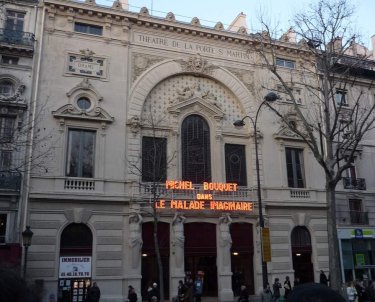
The Théâtre de la Porte Saint-Martin is a Parisian theatre hall at 16 Boulevard Saint-Martin in the 10th arrondissement. Originally built with 1,800 seats, it was among the largest boulevard theatres and has been listed as a historic monument since 1992.

La Sucrière

La Sucrière is a former sugar factory in Lyon’s Confluence district, built in the 1930s on the banks of the Saône. It is one of the few historical buildings remaining there and now serves as a venue for exhibitions and events.

Musée Saint-Raymond

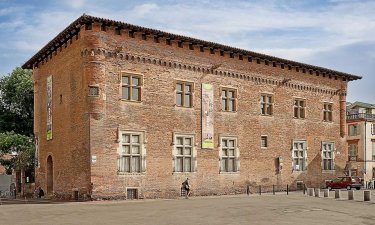
Musée Saint-Raymond is the archaeological museum of Toulouse, opened in 1892 and housed in the former Saint-Raymond university college near Basilique Saint-Sernin. It preserves collections from protohistory to the Early Middle Ages.
Musée Bourdelle

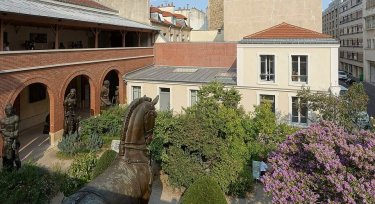
Musée Bourdelle is a French sculpture museum at 18 Antoine Bourdelle Street in Paris’s 15th arrondissement. It occupies the apartments, workshops, and gardens where sculptor Antoine Bourdelle lived and worked from 1885, and was transformed into a museum in 1949.

Zénith Sud

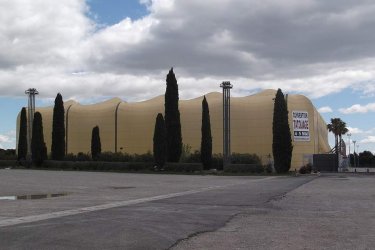
Zénith Sud is a performance hall in Montpellier, built by Chaix & Morel et associés as a Zénith venue. Inaugurated in 1986, it was the first Zénith type performance hall constructed outside Paris and can accommodate spectators.

Fort du Hâ

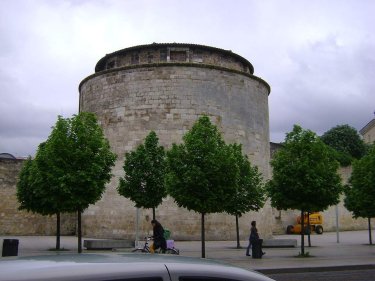
Fort du Hâ in Bordeaux was built by order of King Charles VII immediately after 1453. The fortress played a role in the control of the city and later served as a royal residence and military site. Its remaining towers are listed as historical monuments.

Musée Le Secq des Tournelles

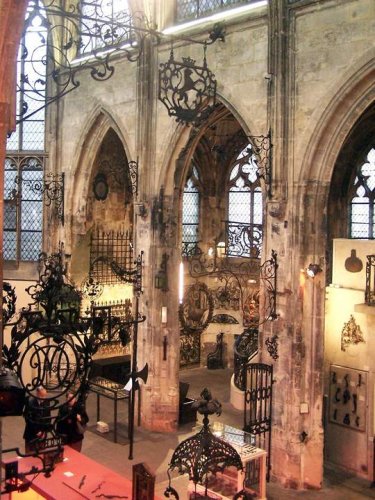
Musée Le Secq des Tournelles is a museum of ironwork in Rouen, installed in the former Saint-Laurent church. It is located in the Vieux-Marché – Cathédrale district, near the Saint-Godard church and the Museum of Fine Arts.

Hôtel de Vogüé

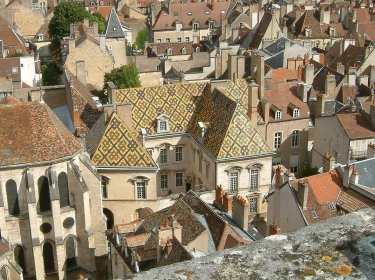
Hôtel de Vogüé is a private mansion in Dijon, built from houses acquired in the late 16th and early 17th centuries. It is notable for its courtyard plan, glazed Burgundy-tile roof, and decorated façades.

Gare de Lyon-Perrache

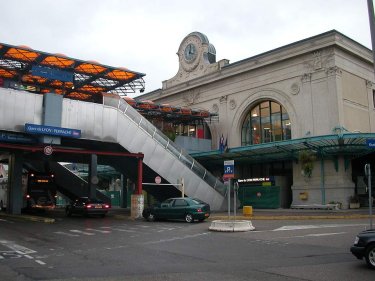
Gare de Lyon-Perrache is a French railway station in Lyon, in the Perrache district between the confluence and the rest of the peninsula. Built from 1855 to plans by François-Alexis Cendrier, it became the city’s central station.