Founded in 1920, Musée Le Secq des Tournelles occupies the former Saint-Laurent church in Rouen’s Vieux-Marché – Cathédrale district. The museum was inaugurated by Léon Bérard, Minister of Public Instruction, in the presence of Lucien Valin, mayor of Rouen, and Henri Le Secq des Tournelles. It contains a wrought iron collection bequeathed by Henri Le Secq des Tournelles (1854–1925), originally started in 1862 by his father. The former church had previously hosted the Museum of Norman Art from 1911 to 1920, and part of the Le Secq des Tournelles collection was already included there. The museum presents a unique world collection of wrought iron, including architectural elements, signs, locks, knockers, coffee mills, tools, jewelry, sewing items, and costume items. It holds the Museum of France label.
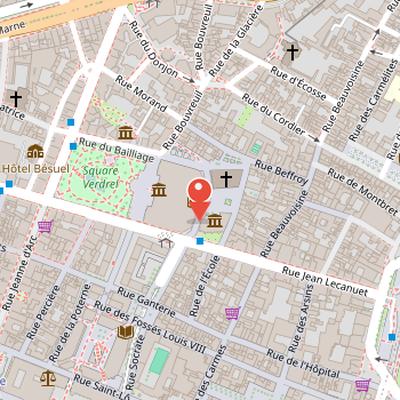
Nearby Objects
-
 Musée des Beaux-Arts de Rouen 40 m away
 -
 Église Saint-Godard 70 m away
 -
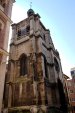 Saint-Patrice Church 300 m away
 -
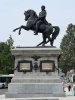 Monument to Napoléon Ier 300 m away
 -
 Chapelle Corneille 400 m away
Location and Setting
Musee Le Secq des Tournelles is a museum of ironwork installed in a former decommissioned church in Rouen. It is located in the Vieux-Marchene - Cathedrale district, near the Saint-Godard church and the Museum of Fine Arts. The setting links the museum to a historic part of the city and places it among other notable cultural and religious sites.
History and Collection
Founded in 1920, Musee Le Secq des Tournelles occupies the former Saint-Laurent church in Rouen. The building had previously hosted the Museum of Norman Art from 1911 to 1920, and that museum already included part of the Le Secq des Tournelles collection. The museum was inaugurated by Leon Berard, Minister of Public Instruction, in the presence of Lucien Valin, mayor of Rouen, and Henri Le Secq des Tournelles.
The museum holds a wrought iron collection bequeathed by Henri Le Secq des Tournelles (1854-1925). The collection itself was started in 1862 by his father. It is described as a unique world collection of wrought iron, including architectural elements, signs, locks, knockers, coffee mills, tools, jewelry, sewing items, and costume items. Musee Le Secq des Tournelles holds the Museum of France label.
From Parish Church to Secq des Tournelles Museum Site
The site later associated with the Musee Le Secq des Tournelles began as the Saint-Antoine chapel, erected in 1024 as a church dedicated to Saint Laurent in the suburbs of Rouen and under the patronage of the Abbey of Saint-Wandrille. The Saint-Laurent church was burned down in 1248, then rebuilt between 1440 and 1482. Its tower was built from 1490 to 1501, but the bell tower collapsed in 1520. The rebuilt bell tower was later damaged by a storm in 1638 and by a hurricane in 1683, which also damaged the spire; the spire was restored in 1703 and demolished in 1810. In 1791, the Saint-Laurent parish was suppressed in favor of the neighboring Saint-Godard parish. After that, the church became disused and served as the Jacobins club. It was then sold as national property to a private individual and used as a warehouse and stable. The building remained in private hands until the end of the 19th century.
From Demolition Threat to Municipal Preservation
In 1891, Paul Courcelle, the owner of the building, wanted to demolish it for housing construction, but the city hesitated to approve the plan. The following year, François Depeaux proposed buying the church on a 99-year lease condition and intended to create an Impressionist museum there, but the Historic Monuments Commission opposed the project. To document the building at this stage, Jean-Eugene Durand filmed its condition in 1892. The city of Rouen then bought the church in 1893. After the purchase, Rouen architect Lucien Lefort carried out major repairs, including underpinning as well as work on the windows, doors, and balustrades. The Historic Monuments Commission later began listing the old church in 1914 and expropriated the owner of the church.
Historic Church Setting and Iron Collection
The Musee Le Secq des Tournelles is housed in the old Saint-Laurent church, which has been classified as a historic monument since 1914. The church preserves more than 15,000 exceptional wrought iron pieces, forming the largest wrought iron collection in the world housed by a museum. The building also served as a venue for a Norman art and archaeology exhibition during the Norman millennium celebrations in 1911, adding to its historical association with regional cultural events.