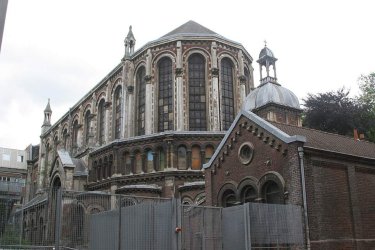
Chapelle Saint-Joseph
Chapelle Saint-Joseph, inside Collège Saint-Paul on rue Colson in Lille’s Vauban district, was built by the Jesuits. In the late 2010s, it drew attention when demolition was threatened and heritage status was refused.
Chapelle Saint-Joseph, inside Collège Saint-Paul on rue Colson in Lille’s Vauban district, was built by the Jesuits. In the late 2010s, it drew attention when demolition was threatened and heritage status was refused.
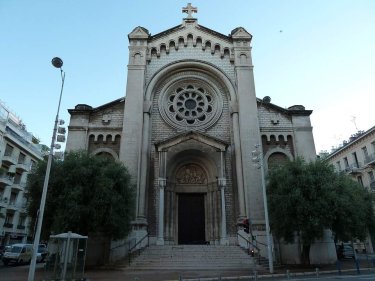
Église Saint-Pierre d'Arène is a church in Nice that began as a chapel founded in 1762 near the beach on the present Promenade des Anglais. It later became the current church building and now includes several chapels, a reliquary, and the Jorge François solidarity space.
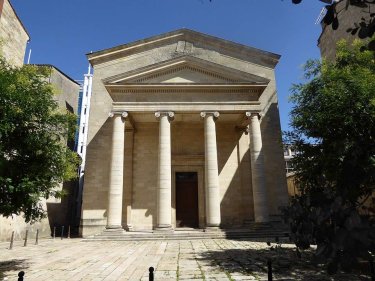
Temple des Chartrons is an ancient Protestant temple in Bordeaux’s Chartrons district. Built in 1835 in a neoclassical style, it was decommissioned in the 1970s and later reopened to the public for an exhibition.
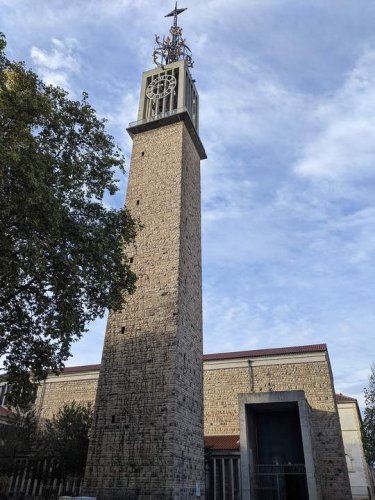
Église Notre-Dame de l'Annonciation de Lyon is a Catholic church at Place de Paris in Lyon, facing Gare de Vaise. Rebuilt from 1953 to 1957 by architect Paul Erasme Koch, it is described as a visual signal in the city.
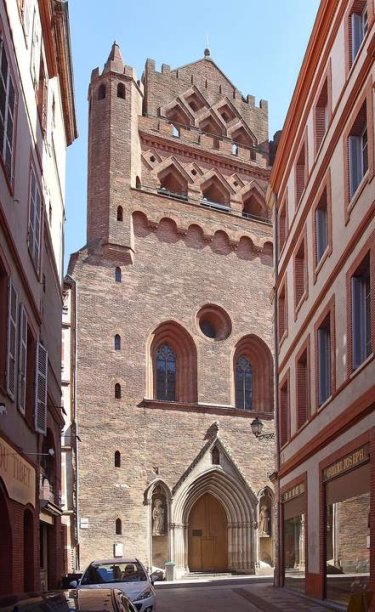
Notre-Dame du Taur is a Catholic church on rue du Taur in central Toulouse, between Place du Capitole and the Basilica of Saint-Sernin. It is a principal monument of southern Gothic art and a historical monument.
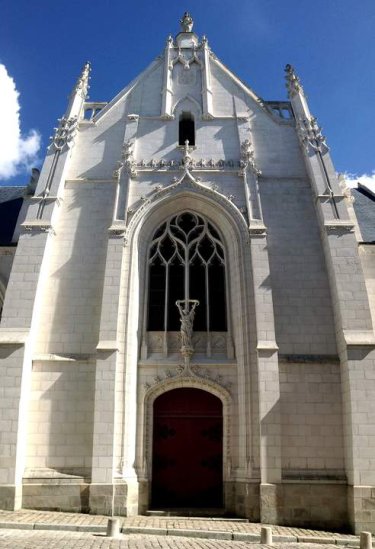
Chapelle Notre-Dame-de-l'Immaculée-Conception is a religious building on rue Malherbe in the Richebourg quarter of Nantes, France. Begun in 1470, it was renamed several times and listed in the supplementary inventory of historical monuments in 1991.
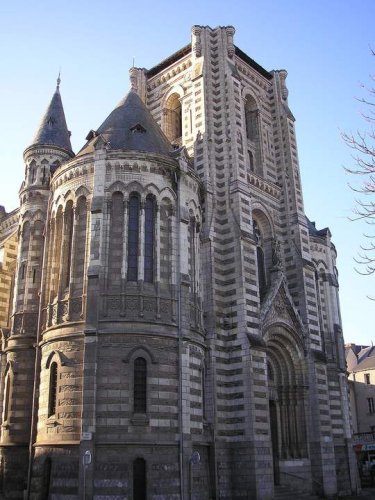
Église Notre-Dame-des-Victoires in Angers is a church building that succeeded an earlier chapel dedicated to Notre-Dame. The chapel was enlarged in 1842, and in the 1880s a real church was constructed using a bequest from parishioner Marie Guitton, who died in 1883.
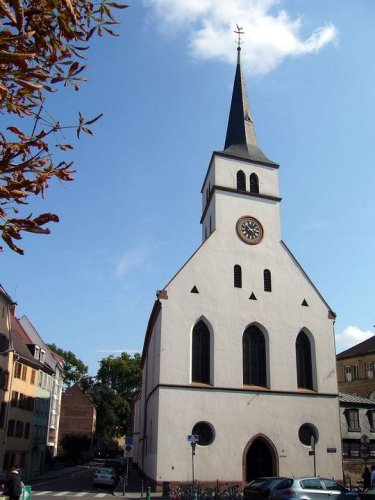
Saint William's Church, also called Wilhelmerkirche, is a Gothic church in Strasbourg at the junction of the Bateliers and Pêcheurs quays. It has hosted Lutheran worship since 1534 and is known for its skewed exterior and mixed interior.
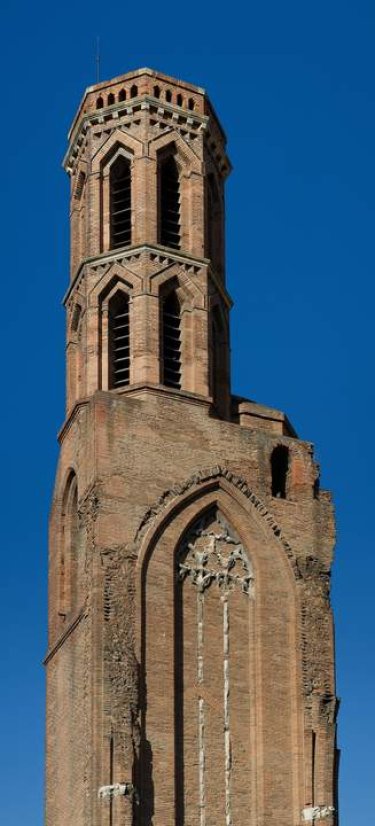
The Church of the Cordeliers in Toulouse was the former church of the Cordeliers convent. Closed after a fire in 1798, it was used by the military administration until 1871 and later suffered another fire. Its ruins have been classified as a historic monument since 1862.
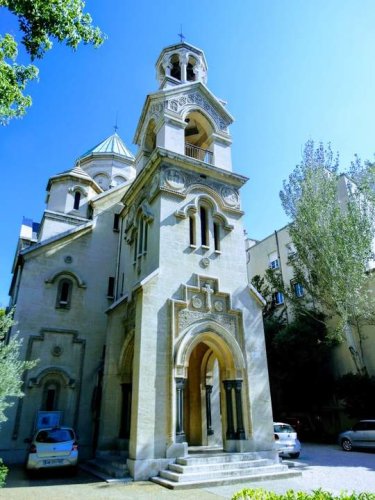
Cathédrale des Saints-Traducteurs is an Armenian Apostolic church on avenue du Prado in Marseille’s VIII arrondissement. Also known as Sahak I° and Mesrop Mashtots, it was founded with a first stone laid in 1928 and consecrated in 1931.
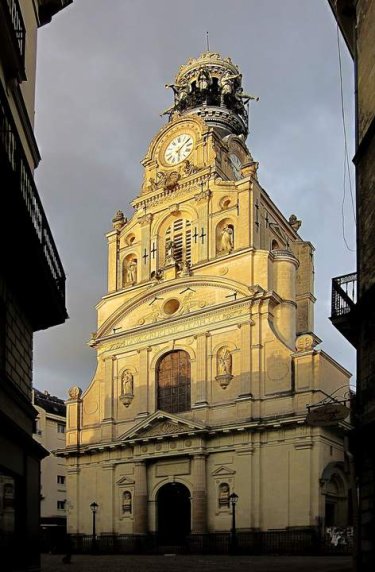
Église Sainte-Croix is a church in Nantes and the parish church of the Bouffay district since 1138. Its architecture combines Renaissance forms, a Gothic choir, and later additions from the 16th to 19th centuries.
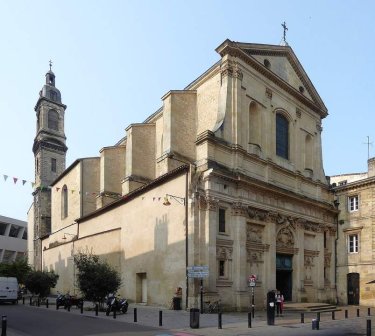
Saint-Paul-Saint-François-Xavier is a church in central Bordeaux, Gironde, in Nouvelle-Aquitaine. Used for Catholic worship since its construction, it is classified as a historic monument and reflects Baroque religious architecture.
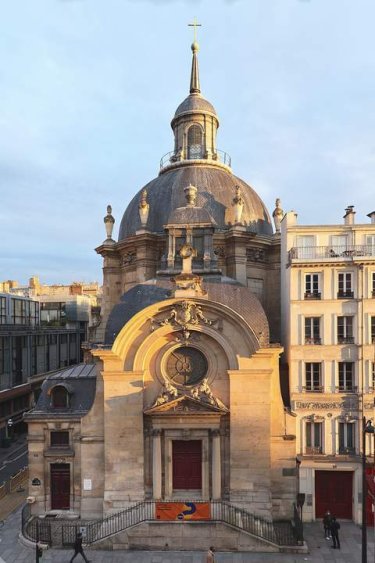
Temple du Marais is a Protestant church building at 17 rue Saint-Antoine in Paris’s Marais district. Formerly a Catholic church, it was closed during the Revolution and assigned to Reformed worship in 1802.
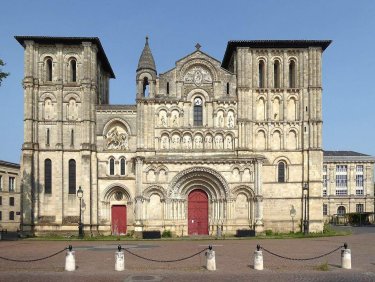
The Church of the Holy Cross is a Romanesque church building constructed in the late 11th and early 12th centuries. It has a Latin cross plan, a Saintongeais facade, and later restorations and artworks.
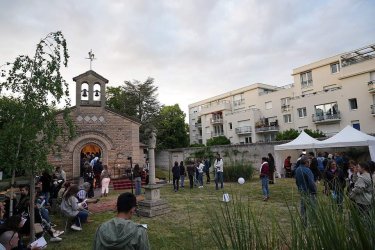
Foujita Chapel, officially Notre-Dame-de-la-Paix, is a chapel in Reims, France, designed and personally decorated by Japanese painter Léonard Foujita. It was constructed in 1964 and later became his burial place.
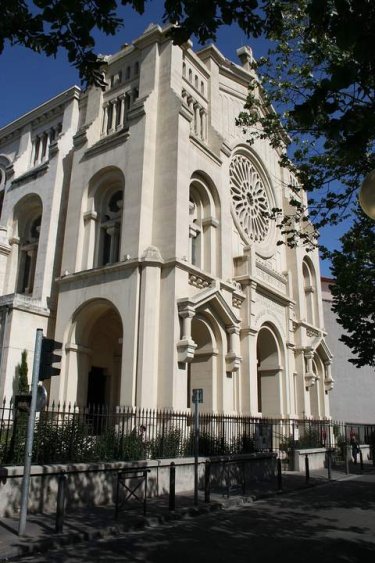
The Basilique du Sacré-Cœur de Marseille is a Roman Catholic minor basilica dedicated to the Sacred Heart of Jesus Christ. Located on Avenue du Prado in the Rouet district, it was built in the first half of the 20th century in a Romano-Byzantine style.
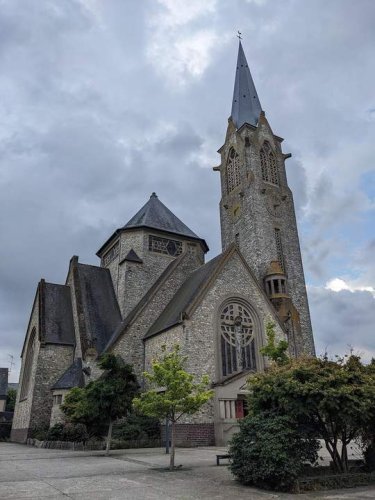
Église Sainte-Thérèse de Rennes is a church building in Rennes constructed between 1934 and 1936. It features a plan close to the Greek cross, a dome rising to 33 metres, and interior works by several artists.
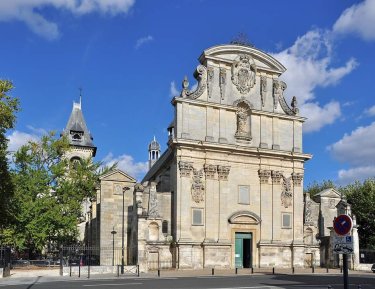
Église Saint-Bruno is a Catholic church in the city center of Bordeaux, dedicated to Saint Bruno. Built from 1611, it is the first Baroque church in the city and has been listed as a historical monument since 1862.
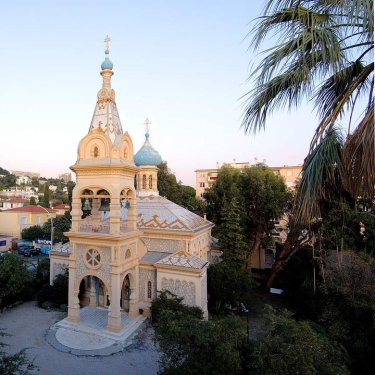
St. Michael the Archangel Church is a Russian Orthodox church in Cannes, France, on Boulevard Alexandre III. Built in 1894 by Louis Nouveau, it is a landmark of the Côte d'Azur and contains historic burials in its crypt.
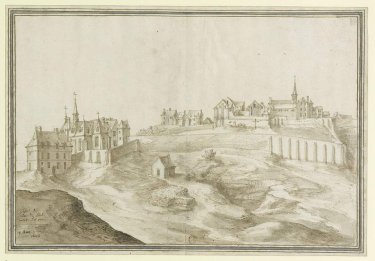
The Royal Abbey of Montmartre, or Notre-Dame de Montmartre, was an abbey for Benedictine nuns founded by King Ludwig VI in 1133/34. Its complex stood on Montmartre and was later abandoned.
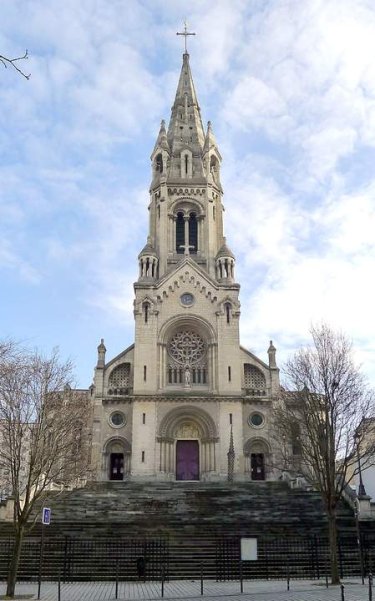
Église Notre-Dame-de-la-Croix de Ménilmontant is a Catholic church in Paris’s 20th arrondissement. It combines neo-Romanesque and neo-Gothic elements, features a 65-metre bell tower and a monumental staircase, and is listed as a historic monument.
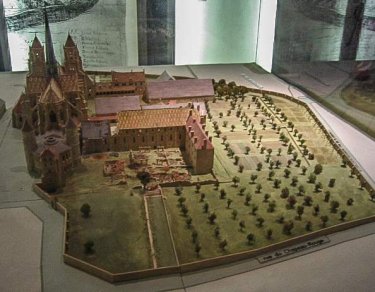
Abbaye de Saint-Bénigne is an ancient Benedictine abbey in central Dijon, founded in the 6th century. Partly destroyed, it retains Romanesque remains and has housed the Dijon archaeological museum since 1930.
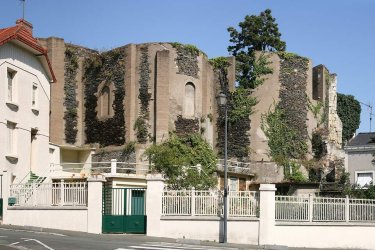
Église Saint-Laurent in Angers was founded in 1073 and has always been a cemetery chapel dependent on the Ronceray. Already ruined in 1576, it remained in ruins for more than four centuries.
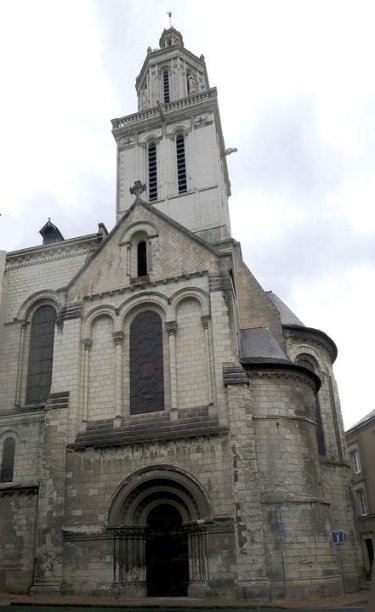
Église de la Trinité d'Angers is a church in the Doutre district of Angers, on the right bank of the Maine. Classified as a historic monument in 1840, it was rebuilt at the end of the 15th century and transformed in the 19th century.
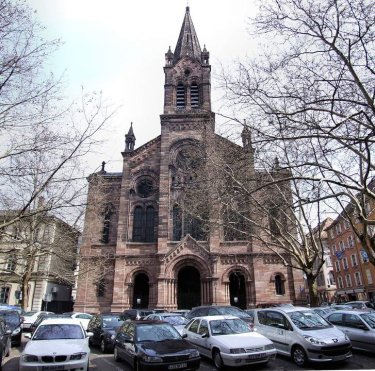
Temple Neuf is a Protestant church on the Grande Île of Strasbourg, affiliated with the Union of Protestant Churches of Alsace and Lorraine. It was built after the fire of 24 August 1870 destroyed the former Dominican church.
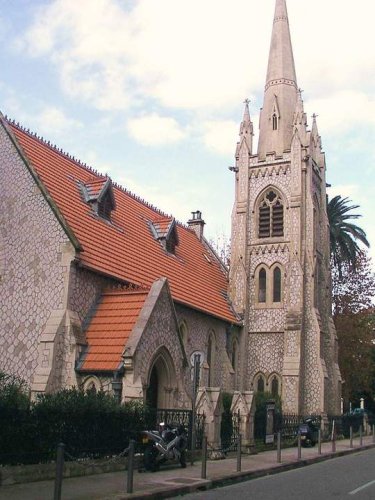
The Église reformée de Nice, also called the Saint-Esprit temple, is a Protestant Reformed place of worship at 21 boulevard Victor-Hugo in Nice. Formerly the American Episcopal Holy Spirit Church, it has been listed as a historical monument since 2020.
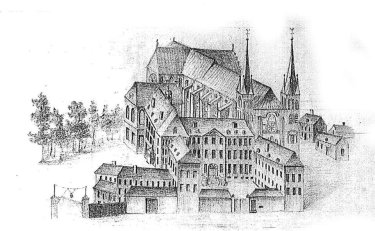
The Royal Abbey of Saint-Remi is an ancient Benedictine abbey in Reims, founded by Archbishop Tilpin around 760. It remained a Benedictine community until the French Revolution and is now the Saint-Remi Museum of Reims.
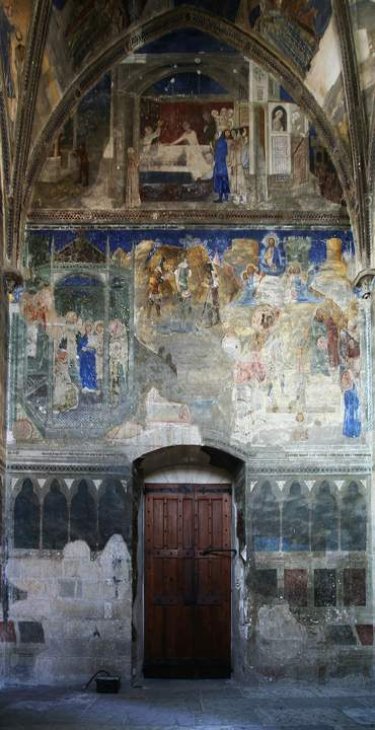
Saint Martial's Chapel is a chapel in the Palace of Popes in Avignon, located on the second floor of the Saint-Jean tower. Its paintings retrace key events in the life of Saint Martial.
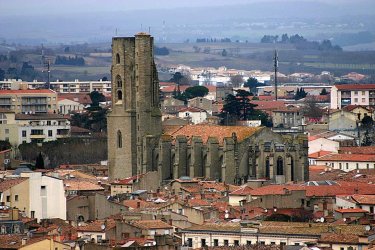
Église Saint-Vincent de Carcassonne is a church building in the new borough of Carcassonne. It was rebuilt in stages from the 14th century, later damaged, transformed for industrial use during the Revolution, and restored in the 19th and 21st centuries.
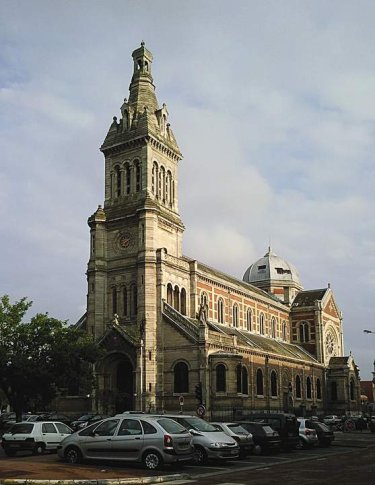
Saint-Michel Church in Lille is a church building constructed between 1869 and 1874 during the Second Empire. It is in the Romano-Byzantine style, with limestone and brick construction, and includes decorated choir and nave spaces.
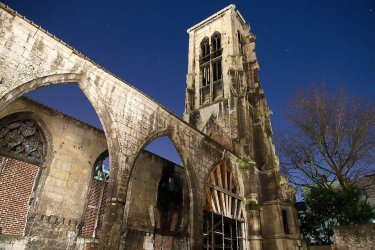
Église Saint-Pierre-du-Châtel is the remains of a former Catholic church in Rouen, Seine-Maritime, Normandy. Severely damaged in 1944, it is listed as a historic monument and preserves notable 16th-century elements.
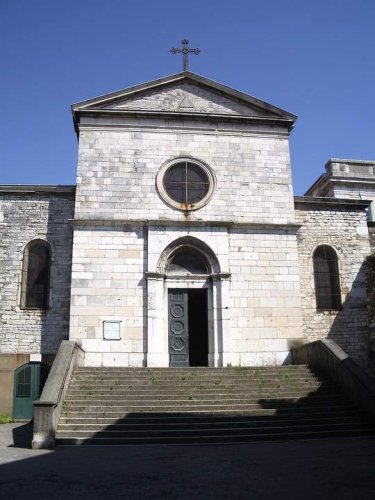
Saint Irenaeus Church stands in the Saint-Irénée district on the heights of Lyon. Its lower part is among the oldest in France, and its crypt dates from the Carolingian era. The church was rebuilt and completed in 1830.
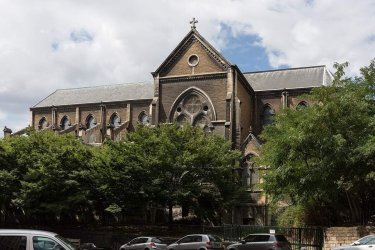
Église Saint-Bernard de Lyon is a church building on montée Saint-Sébastien. Consecrated in an unspecified year, it was later closed, desacralized in 1999, and has been totally closed since March 2004.
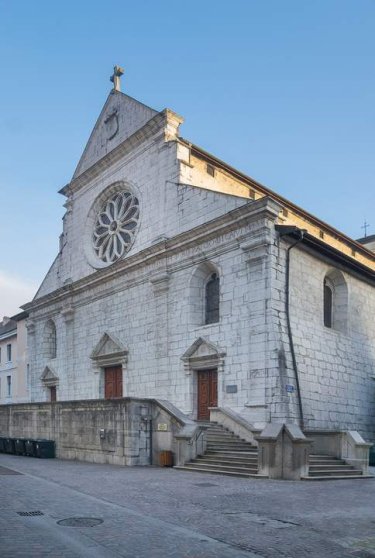
St. Peter’s Cathedral is the main Catholic place of worship in Annecy, Haute-Savoie, and the seat of the diocese of Annecy. It has been a historic monument of France since 1906.
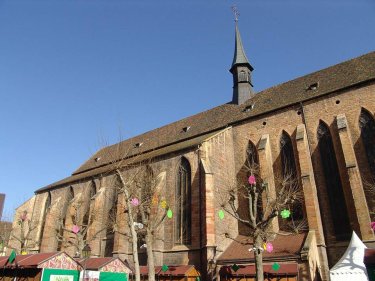
The Église des Dominicains in Colmar, Alsace, is a former collegiate church of a dissolved Dominican monastery. Built between 1289 and 1346, it is the city’s second largest and architecturally second most important church after the Martinsmünster.
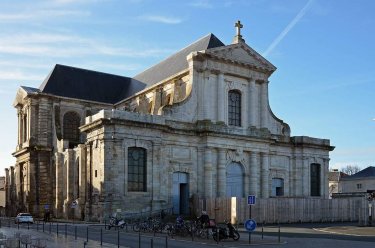
La Rochelle Cathedral is a Catholic cathedral in La Rochelle, linked to the former church of Saint-Barthélemy. Its history includes rebuilding, conflict during the Reformation, demolition in 1573, and later attempts at reconstruction.
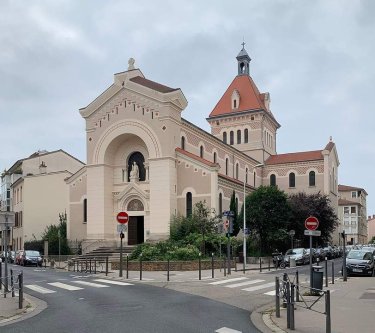
Église Saint-Augustin de Lyon is a Catholic church in the 3rd arrondissement of Lyon, at the intersection of rues Denfert-Rochereau and Jacquard. It is the most recent parish sanctuary in the district, apart from Sainte-Élisabeth.
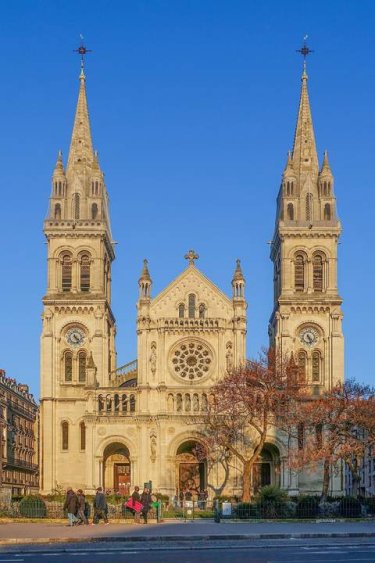
Saint-Ambroise is a Roman Catholic parish church in the 11th arrondissement of eastern Paris. Dedicated to St. Ambrose, it gave its name to the quartier Saint-Ambroise and stands near the Saint-Ambroise Metro station.
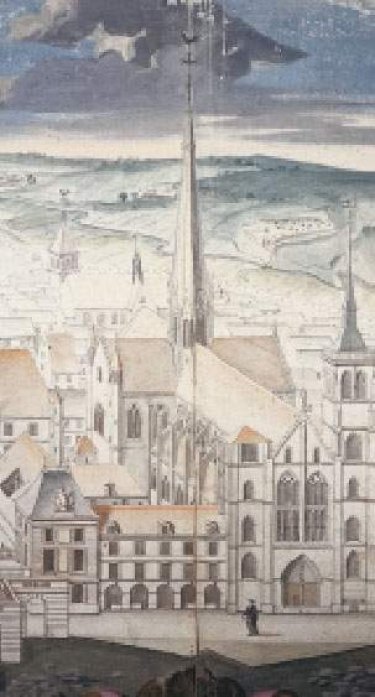
Sainte-Chapelle de Dijon was the private chapel of the dukes of Burgundy and later the seat of the Order of the Golden Fleece. Closely linked to Burgundy’s history, it was used for solemn services, princely funerals, and ceremonial displays before its destruction in 1802.
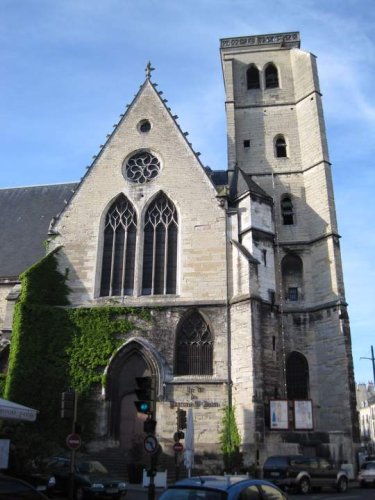
Église Saint-Jean de Dijon is a disused Catholic church in Dijon, Côte-d'Or, built in the 15th century in the Flamboyant Gothic style. Dedicated to Jean l’Apôtre, it has been a historical monument since 1862 and has housed the Théâtre Dijon-Bourgogne since 1974.
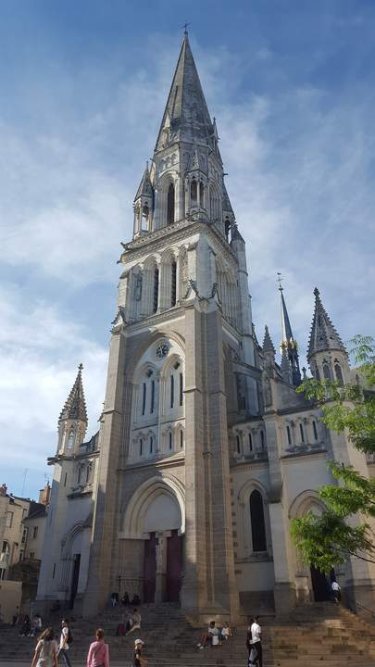
Basilique Saint-Nicolas is a Catholic neo-Gothic basilica in downtown Nantes. It is one of the city’s two basilicas and belongs to the urban and parish history of Saint-Nicolas, with parts of the old city wall still visible nearby.
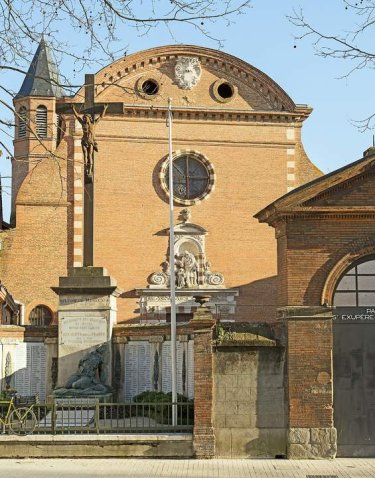
Saint Exupère Church is a parish church in the old Saint-Michel neighborhood of Toulouse, on the right bank of the city. Built in Baroque style, it has a small octagonal bell tower with a carillon of 14 bells and a richly decorated interior.
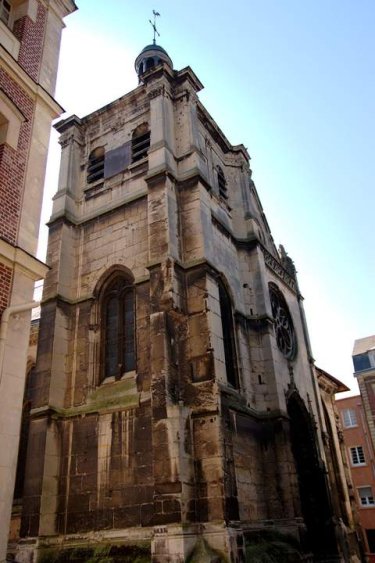
Saint-Patrice Church is a church building in Rouen, Seine-Maritime, at the corner of rue Saint-Patrice and rue Abbé-Cochet. Reconstructed in the 16th century on a 13th-century site, it combines flamboyant Gothic and Renaissance styles.
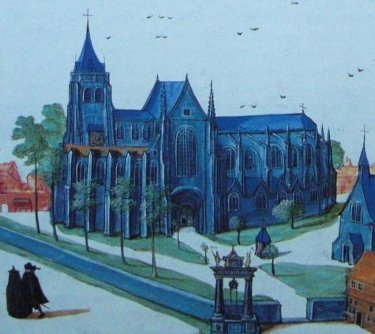
Collégiale Saint-Pierre was a former large collegiate church in Vieux-Lille. It influenced religious life in Lille for nearly 750 years, was damaged in 1792, and its destruction began in 1794. Today, only the crypt survives.
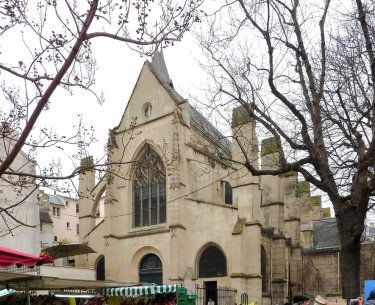
Église Saint-Médard is a Roman Catholic church at 141 Rue Mouffetard in the 5th arrondissement of Paris. Named for Saint Medard, it has medieval origins and a long construction history.
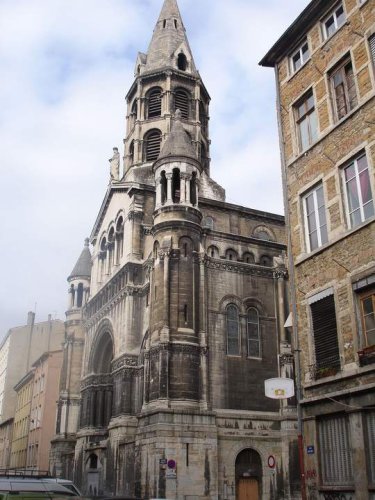
Église du Bon-Pasteur is a former Roman Catholic church in Lyon’s 1st arrondissement. Completed in 1883, it was designed in a neo-Romanesque style and desacralized in 1984. Its tower is highly visible from La Croix-Rousse.
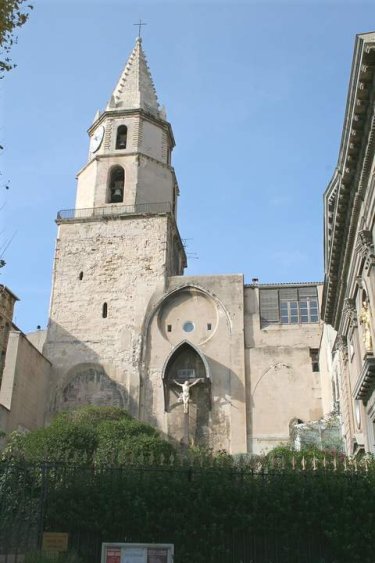
Notre-Dame-des-Accoules is an ancient medieval collegiate church in Marseille’s Accoules district. Most of the building was destroyed during the Revolution, leaving the bell tower, the back wall, and later additions such as a crypt and calvary at Place Daviel.
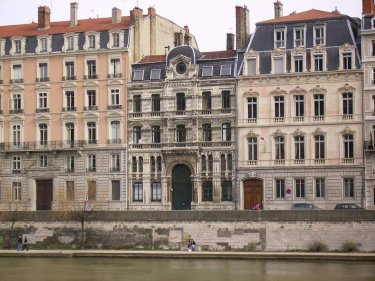
The Grande synagogue de Lyon is a Jewish religious building in Lyon, on Quai Tilsitt in the 2nd arrondissement. Built from 1863 to 1864 in a neo-Byzantine style, it was designed by the young Jewish architect Abraham Hirsch.