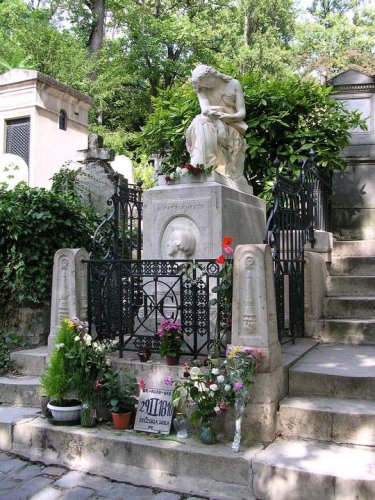
Frédéric Chopin’s tomb
Frédéric Chopin’s tomb is a funerary monument by Auguste Clésinger in Père-Lachaise cemetery, Paris. Inaugurated in 1850, it is classified as a historical monument.
Frédéric Chopin’s tomb is a funerary monument by Auguste Clésinger in Père-Lachaise cemetery, Paris. Inaugurated in 1850, it is classified as a historical monument.
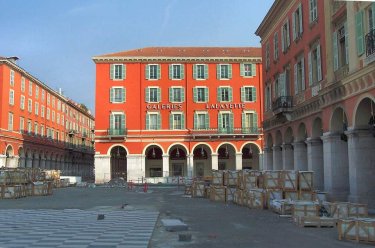
Place Masséna is a central square in Nice, located between Vieux-Nice and Avenue Jean-Médecin, near the Promenade des Anglais. Planned from the 1820s, it is a major transport hub and a key site of Niçois heritage.
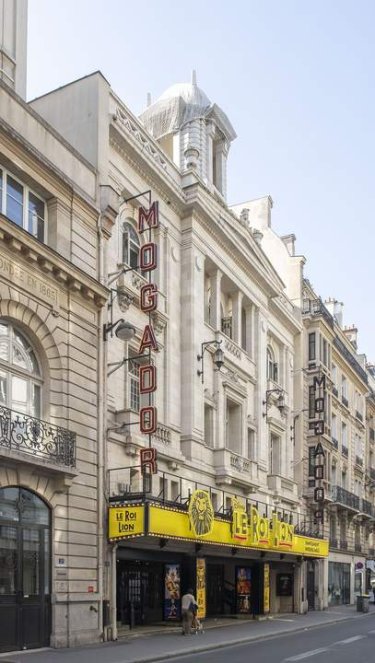
Théâtre Mogador is a performance venue in Paris. Built in 1913 and inaugurated in 1919, it has three levels named orchestre, corbeille, and balcon. Originally called Palace Théâtre, it was later renamed for its location on rue de Mogador.
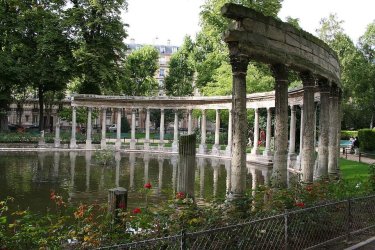
Parc Monceau is a garden in the Europe district of Paris, sometimes called parc de Monceau. It is surrounded by streets, avenues, and luxurious hôtels particuliers, and includes historic features such as the Naumachie, a Ledoux rotunda pavilion, and marble statues.
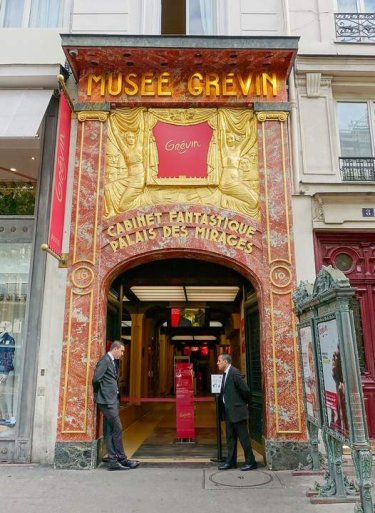
Musée Grévin is a private wax museum in the 9th arrondissement of Paris, created by Arthur Meyer. It contains wax reproductions of famous personalities, recreated French historical scenes, and attractions including the Grévin theater and the Palais des Mirages.
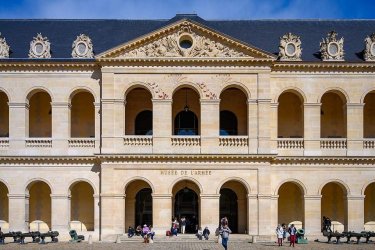
The Musée de l'Armée is a French military museum and national museum located at the Hôtel des Invalides. Created in 1905, it brought together the Artillery Museum and the Historical Army Museum and later acquired major wartime objects.
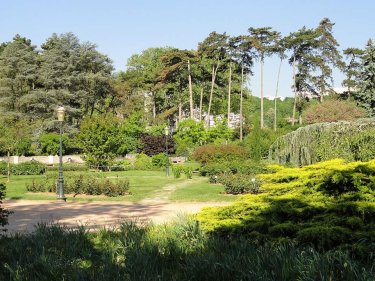
Parc de la Tête d'Or is an urban park in Lyon and one of the largest parks in France. It covers 117 hectares in the city center and includes a botanical garden, with management by the city of Lyon.
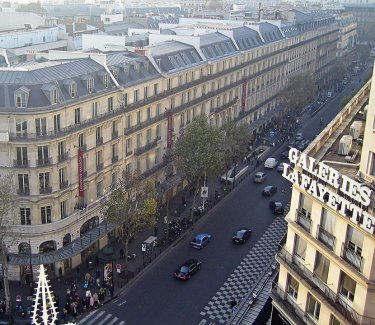
Boulevard Haussmann is a 2,530-meter boulevard in Paris, crossing the 8th and 9th arrondissements. It runs from the junction of Boulevard des Italiens and Boulevard Montmartre to Rue du Faubourg Saint-Honoré.
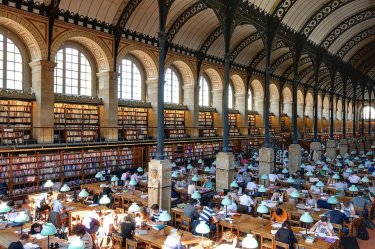
Sainte-Geneviève Library is an interuniversity and public library at 10, place du Panthéon in Paris. It occupies Henri Labrouste’s 1843–1850 building in the Quartier Latin and serves universities and the public.
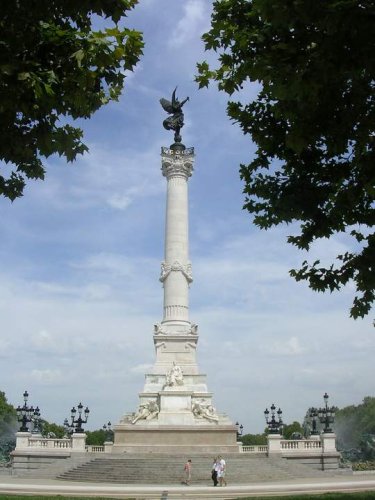
The Monument aux Girondins stands at Place des Quinconces in Bordeaux. Built between 1894 and 1901, it honors the Girondin deputies who were victims of the Terreur. It is classified as a historical monument and is also known locally as the colonne des Girondins.
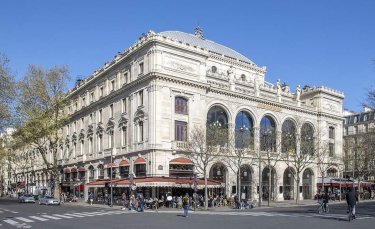
Théâtre du Châtelet is a theatre building at Place du Châtelet in Paris’s 1st arrondissement. Inaugurated in 1862, it was listed as a historical monument in 1975 and continues to present a range of performances.
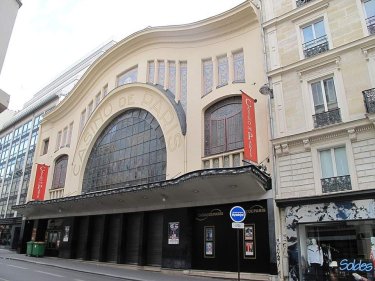
Casino de Paris is a Paris concert hall and event venue whose name refers to a performance hall rather than gambling. Its history includes spectacles, amusement uses, skating, cinema, and music hall revues.
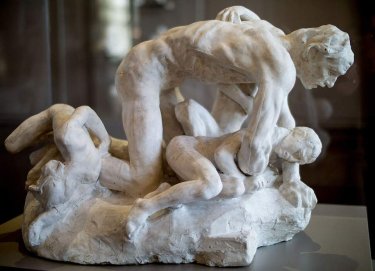
Ugolino and Sons is a plaster sculpture by Auguste Rodin and part of the ensemble known as La Puerta del Infierno. It was also shown independently in Brussels, Edinburgh, Genoa, Florence, the Netherlands, and in Rodin’s retrospective.
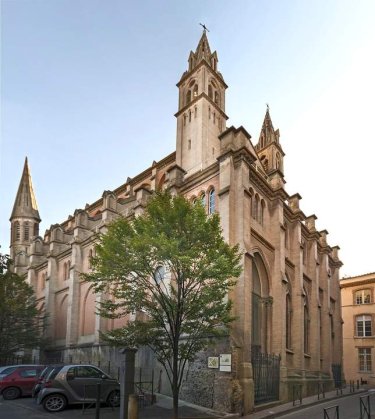
Église du Gésu is an ancient Catholic religious building in Toulouse, built in neo-Gothic style by the Jesuits. Desacralized in 2000, it is now used as an organ concert hall and is listed as a historical monument.
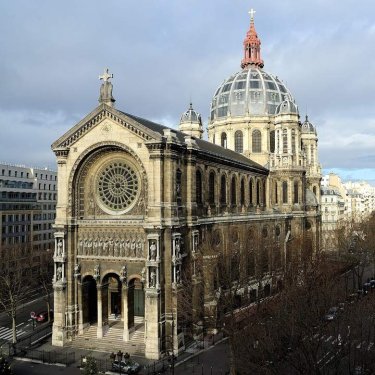
Saint-Augustin is a large church in Paris’s 8th District, built by Victor Baltard between 1860 and 1871. It was among the first major Paris buildings with a metal structure and is known for its dome, facade sculpture, and interior artworks.
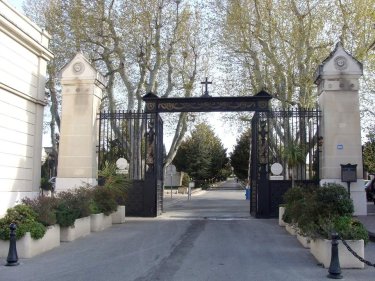
Saint Pierre Cemetery is the largest cemetery in Marseille, covering 63 hectares in the La Timone and Saint-Pierre neighborhoods. It is the third largest necropolis in France, after Pantin and Thiais.
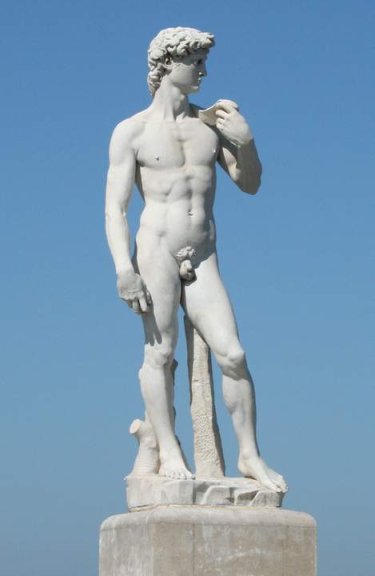
The Statue of David in Marseille is a Carrara marble copy of Michelangelo's David. It was offered by marble sculptor Jules Cantini in 1903 and placed in 1949 near the beaches of Prado.
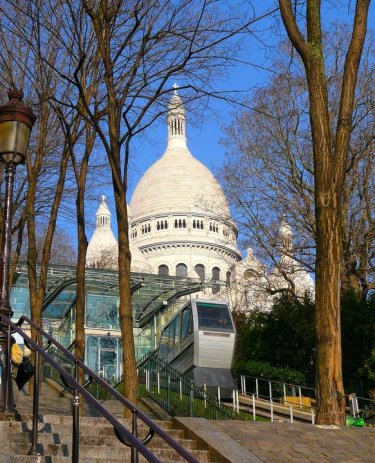
The Montmartre funicular is a double inclined elevator in the 18th arrondissement of Paris. Opened in 1900 and renovated in 1991, it connects the base of Montmartre hill with the summit near the Sacré-Cœur without using the stairs.
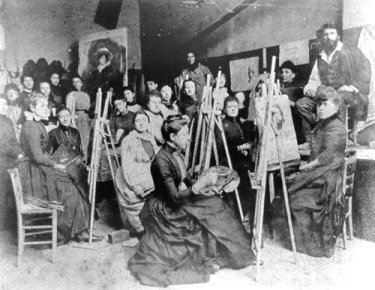
Académie Julian was a private painting and sculpture school founded in Paris in 1866. It had several studios at its peak and was known for its students, including many women and international artists.
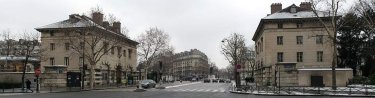
Denfert-Rochereau is a public square in Paris’s 14th arrondissement, in the Montparnasse district. It is one of the largest squares on the left bank and is known for the Lion of Belfort and the Paris Catacombs museum.
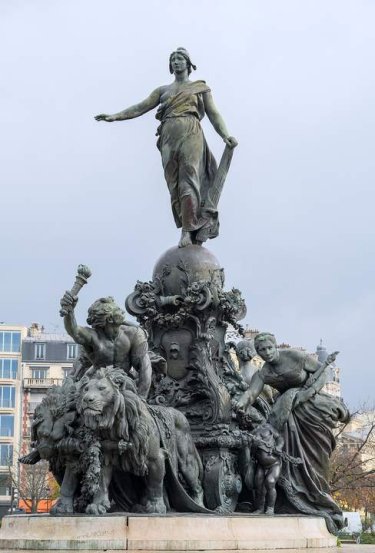
The Triumph of the Republic is a bronze monument and fountain at Place de la Nation in Paris. Created by Jules Dalou, it shows a Republic on a chariot pulled by two lions, guided by the Genius of Liberty and surrounded by allegories of Labor, Justice, and Peace.
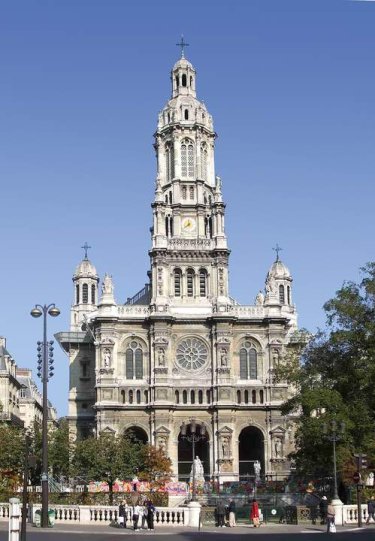
Église de la Sainte-Trinité is a Roman Catholic church in the 9th arrondissement of Paris, at 3 rue de la Trinité and place d’Estienne d’Orves. Built between 1861 and 1867, it features an ornate Neo-Renaissance, Second Empire style and a 65-meter belfry.
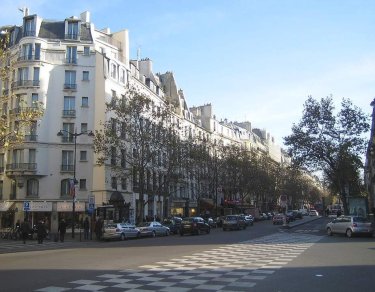
Boulevard Saint-Germain is a Paris boulevard on the Left Bank, near Saint-Germain-des-Prés. It forms part of the main route of the Latin Quarter and connects several central districts along the Seine.
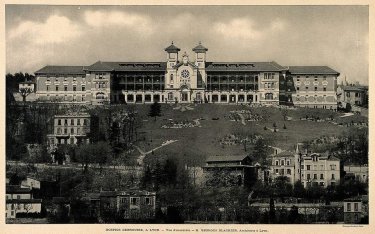
Hospice Debrousse was a former hospital at 29 rue Sœur-Bouvier in Lyon. Specialized in pediatrics, it ended hospital activity in 2007, when pediatric services were regrouped at Hôpital Femme-Mère-Enfant.
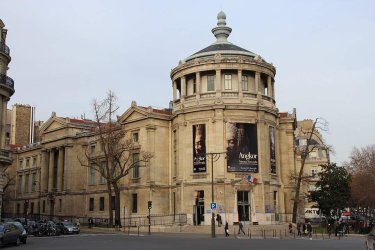
The Guimet Museum is the musée national des Arts asiatiques in Paris, at 6 place d’Iéna. Founded by Émile Guimet, it was inaugurated in 1889 and presents one of the most complete collections of Asian arts worldwide.
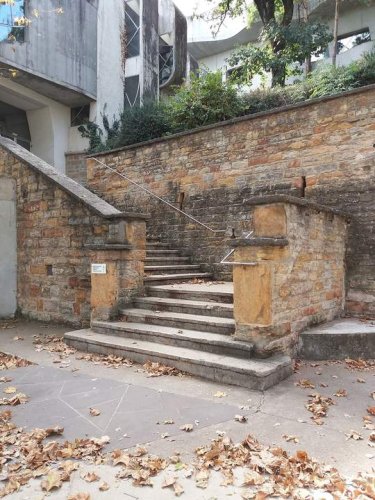
Sainte-Marie Lyon is a coeducational private school under contract. It teaches students from kindergarten to Bac+3 and is spread across five sites, including three in Lyon, one in Meyzieu, and one in the Porte de l’Isère area.
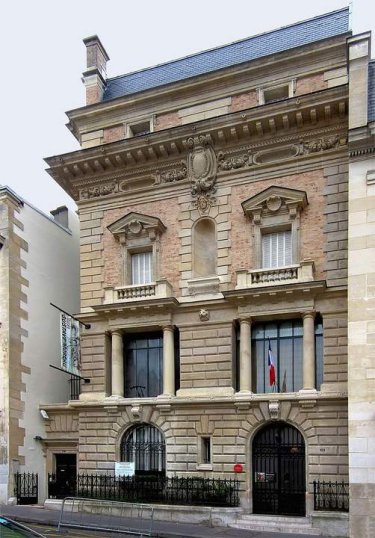
Musée Gustave Moreau is a national museum at 14 rue de La Rochefoucauld in Paris’s 9th arrondissement, set in the former studio of the symbolist painter Gustave Moreau. It preserves and presents his work and studio environment.
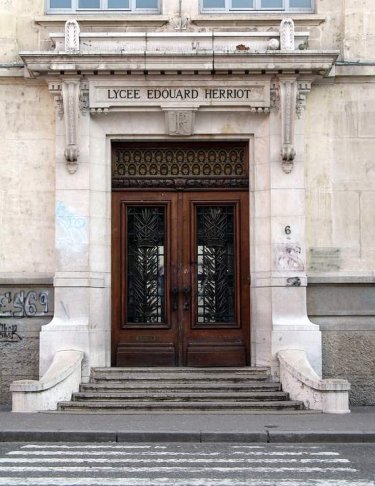
Lycée Édouard-Herriot is a public secondary school in Lyon. Founded in 1882 under the influence of Jeanne Desparmet-Ruello, it moved to its current building, inaugurated in 1888 on place Saint-Pothin.
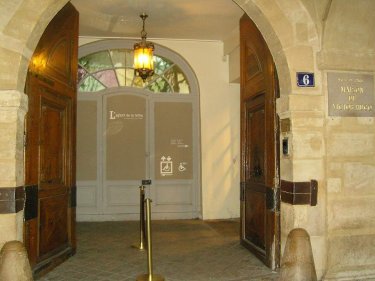
Maison de Victor Hugo is a monographic Paris museum at 6, place des Vosges. It preserves the former hôtel de Rohan-Guémené, where Victor Hugo rented an apartment on the second floor from 1832 to 1848.
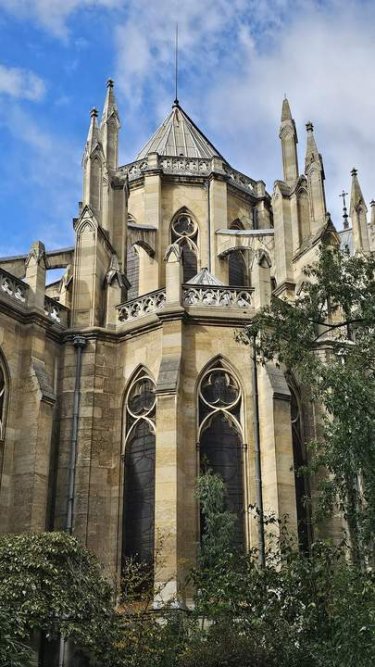
Sainte-Clotilde Church is a minor basilica on Rue Las Cases in Paris’s 7th arrondissement. Built between 1846 and 1857, it was the first neo-Gothic church in Paris and was later declared a minor basilica in 1896.
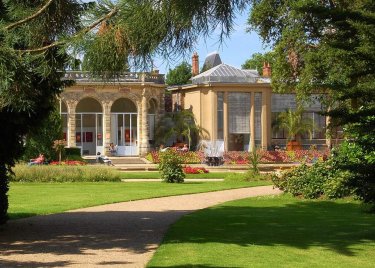
Parc du Thabor is a public park near the centre of Rennes, France. Covering more than ten hectares, it combines a French garden, an English garden, and a large botanical garden.
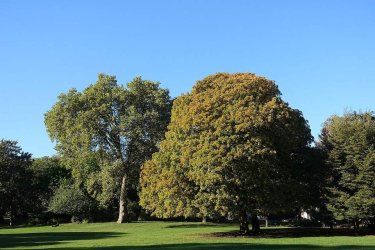
Parc Montsouris is a large urban park in the 14th arrondissement of Paris, opposite the Cité Universitaire de Paris. Established in 1869, it features an English-style landscape with a lake, lawns, planted trees, statues, monuments, and a restaurant.
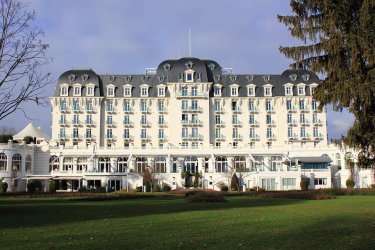
Imperial Palace is a four-star hotel in Annecy, Haute-Savoie, on the shores of Lake Annecy. It is surrounded by public gardens that also contain a casino and a seminar center.
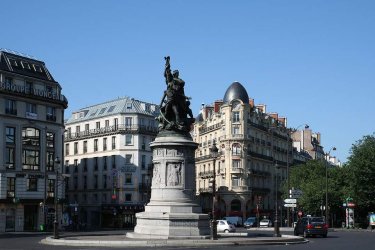
The Monument to Maréchal Moncey is a statue at Place de Clichy in Paris. It commemorates the defense of Paris against Russian troops in 1814 and was created by sculptor Amédée Doublemard with architect Edmond Guillaume.
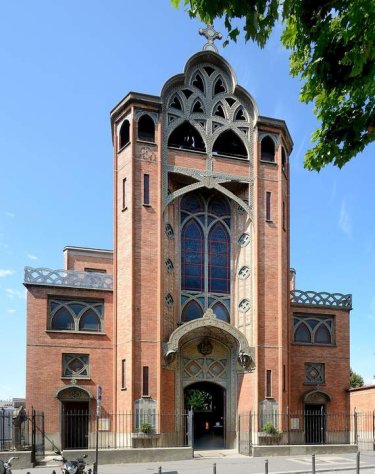
Saint-Jean-de-Montmartre is a Roman Catholic parish church at 19 Rue des Abbesses in Paris’s 18th arrondissement. Built from 1894 to 1904, it combines Art Nouveau forms with Gothic structural elements and pioneering reinforced concrete construction.
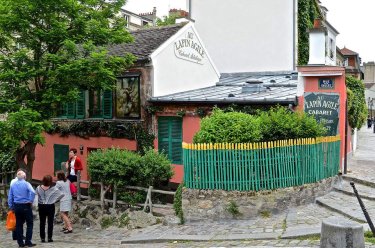
Au Lapin Agile is a cabaret at 22 rue des Saules in Montmartre, Paris, established in the second half of the 19th century. It became a gathering place for early 20th-century artistic bohemia and remains active today.
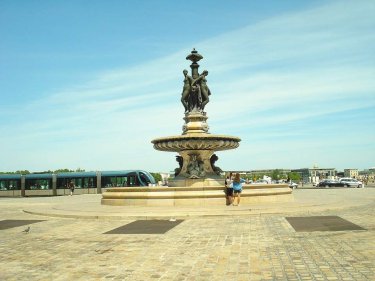
Fontaine des Trois Grâces is a fountain in Place de la Bourse featuring bronze figures of the three Graces—Aglaé, Euphrosyne, and Thalie—on a Jura marble pedestal with a cast-iron basin.
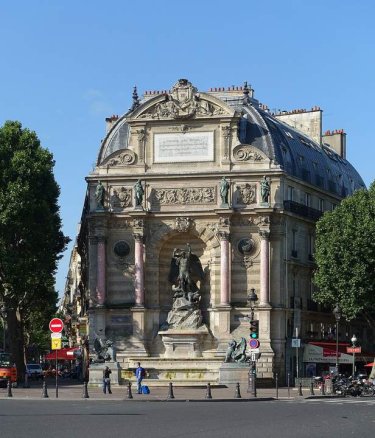
Fontaine Saint-Michel is a monumental fountain on Place Saint-Michel in Paris’s 5th arrondissement. Designed by Gabriel Davioud and built from 1858 to 1860, it was part of Haussmann’s renovation of the city and has been listed as a monument historique since 1926.
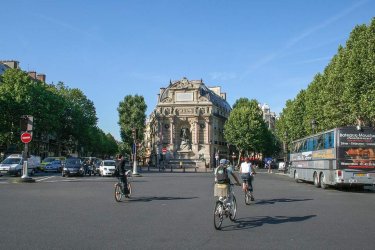
Place Saint-Michel is a square in Paris’s Latin Quarter, on the border of the 5th and 6th arrondissements. Created in 1855, it replaced earlier streets and quays and was later the site of fighting in August 1944.
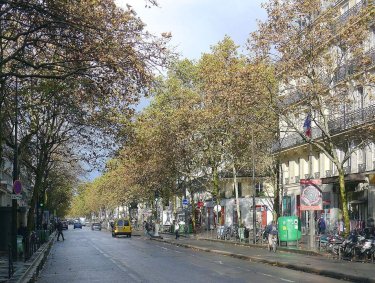
Boulevard de Sébastopol is a 30-metre-wide Paris boulevard running north from Place du Châtelet toward Boulevard de Strasbourg. It carries heavy traffic and includes bus and bike lanes, with shops and restaurants along its route.
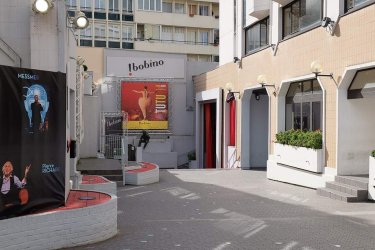
Bobino was a performance hall at 20 rue de la Gaîté in Paris’s Montparnasse district. Established in 1873 as a guinguette, it became a café-concert and later one of the capital’s best-known music halls.
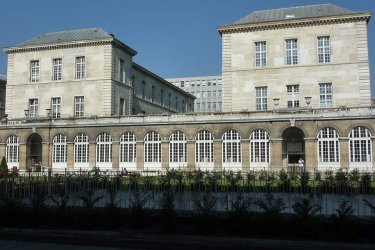
Lariboisière Hospital is an Assistance Publique–Hôpitaux de Paris hospital at 2 rue Ambroise-Paré in Paris. Opened in 1854, it was built in the 19th century in a pavilion style based on hygienist theories and listed as a historical monument in 1975.
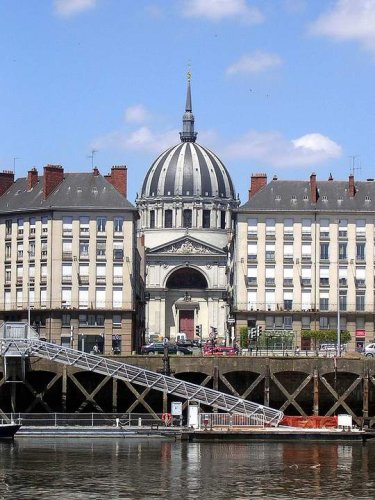
Notre-Dame de Bon-Port, officially Église Notre-Dame-de-Bon-Port and also called Église Saint-Louis, is a religious building in Nantes. Constructed in 1852, it was designed by Saint-Félix Seheult and Joseph-Fleury Chenantais and registered as a historic monument.
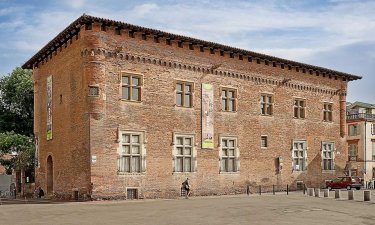
Musée Saint-Raymond is the archaeological museum of Toulouse, opened in 1892 and housed in the former Saint-Raymond university college near Basilique Saint-Sernin. It preserves collections from protohistory to the Early Middle Ages.
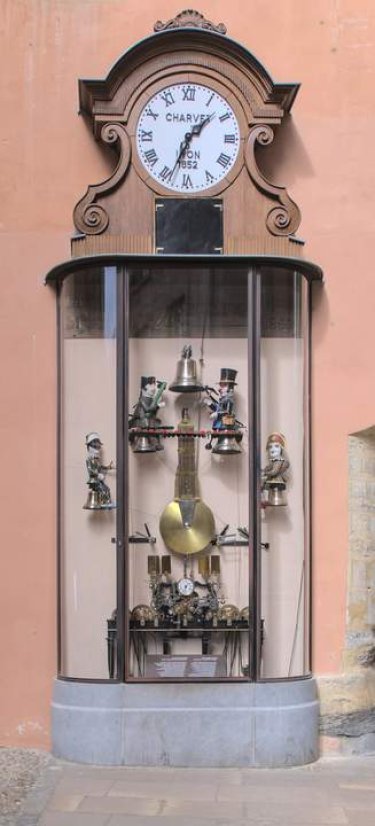
The Charvet Clock, also known as the horloge aux Guignols, is a monumental automaton clock mounted on the façade of l’Hôtel de Gadagne in Lyon. It is a public clock with moving figures and bells.
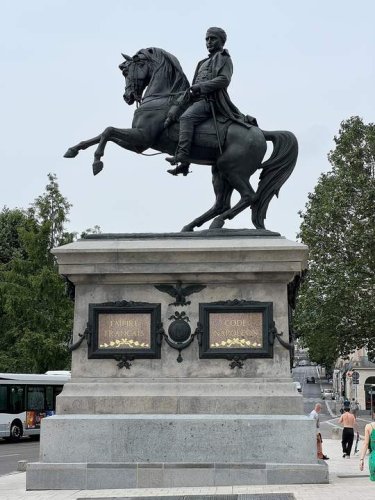
The Monument to Napoléon Ier is a bronze equestrian statue by Vital Gabriel Dubray, located at place du Général-de-Gaulle in Rouen. It shows Napoleon saluting on a rearing Arabian horse, set on a pedestal with marble panels and a bronze bas-relief.
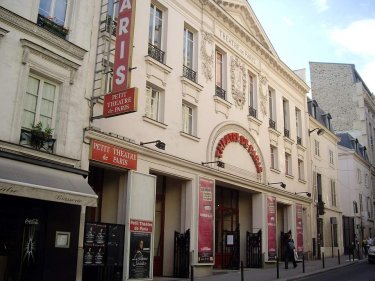
Théâtre de Paris is a theatre building in Paris with a layered site history. The location began with a theatre built in 1730, later became Folie-Richelieu, and was rebuilt through successive 19th-century developments.
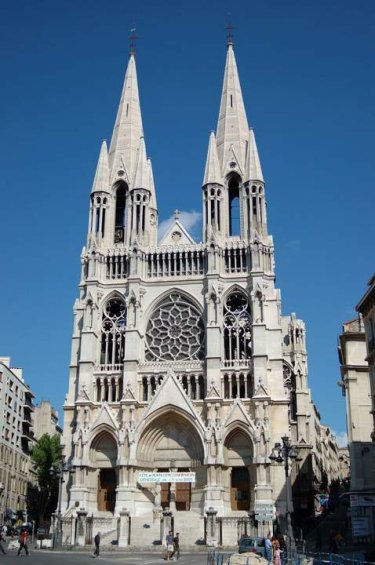
Église Saint-Vincent-de-Paul is a church building in Marseille’s Thiers neighborhood, at the top of the Canebière. Locals call it église des Réformés, a name linked to the site’s earlier chapel history.