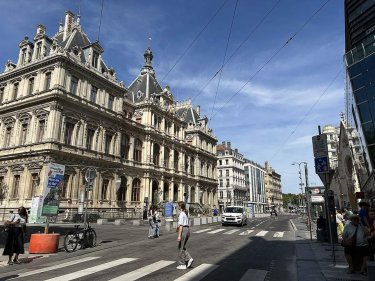
Place des Cordeliers
Place des Cordeliers is a public square in the center of Lyon’s Cordeliers district. Created in 1557 and later redeveloped in the 19th century, it was extensively remodeled in the 20th century.
Place des Cordeliers is a public square in the center of Lyon’s Cordeliers district. Created in 1557 and later redeveloped in the 19th century, it was extensively remodeled in the 20th century.
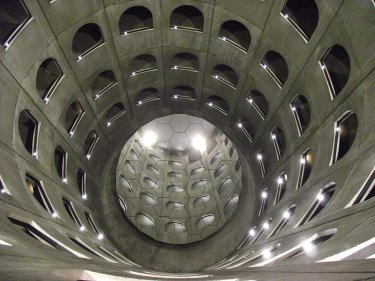
Parking des Célestins is an underground parking facility in Lyon, France, located beneath Place des Célestins. Completed in 1994, it is noted for its original design and artistic intervention, including a periscope view by Daniel Buren.
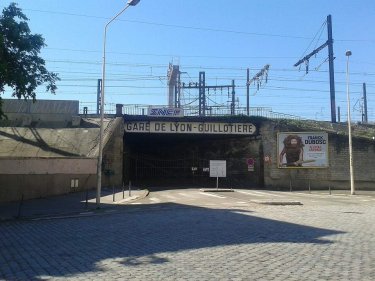
Gare de Lyon-Guillotière is a freight station in Lyon. Built between 1947 and 1949 by architect Jean Clet and engineer Bernard Laffaille, it consists of two concrete halls and was used by Sernam until 2012.
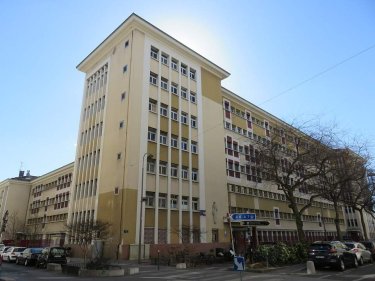
Lycée Juliette Récamier is a public local secondary and higher education institution in Lyon. Established in the 1950s, it was created for young girls and named after Juliette Récamier. The site has a layered history, including earlier industrial uses.
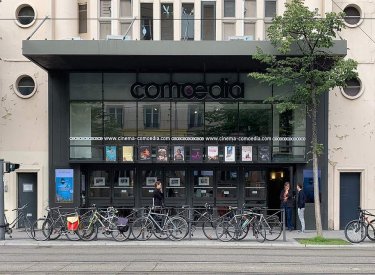
Comoedia is a movie theater in Lyon with origins on avenue Berthelot in 1914. Rebuilt after wartime destruction, it later grew into a multi-screen complex and reopened in 2001 after restoration.
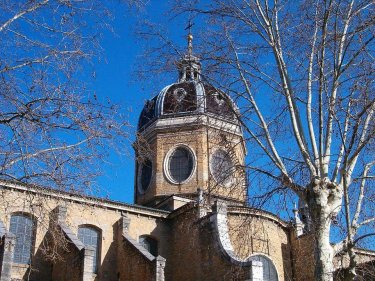
The Church of Saint-Bruno des Chartreux is a Catholic church in Lyon above quai Saint-Vincent. Formerly the church of the Chartreuse de Lyon, it is one of the city’s rare Baroque religious buildings and was classified as a historical monument in 1911.
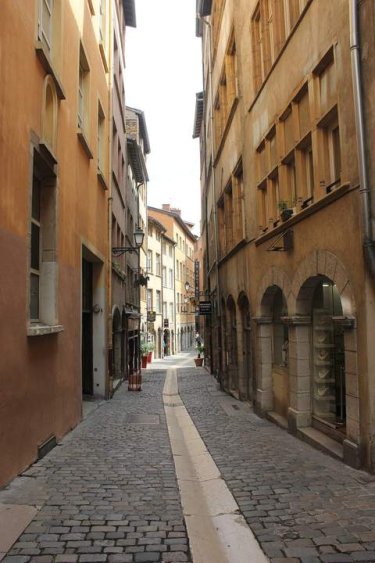
Rue du Bœuf is a paved pedestrian street in the Vieux Lyon quarter of Lyon, France. Running north to south, it links rue de Gadagne with the junction of montée du Chemin-Neuf and rue de la Bombarde, and is lined with 16th-century buildings.
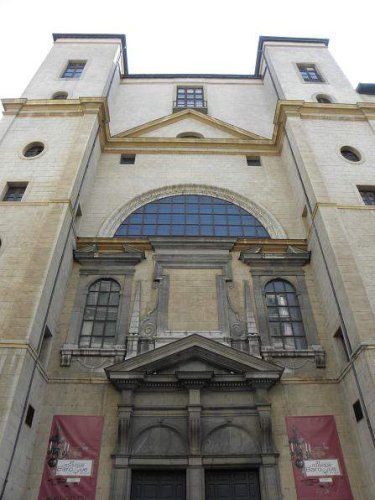
The Chapelle de la Trinité is a baroque chapel in Lyon built by the Jesuits at the beginning of the 17th century. It belonged to the collège de la Trinité and later became a deconsecrated church used as a concert hall.
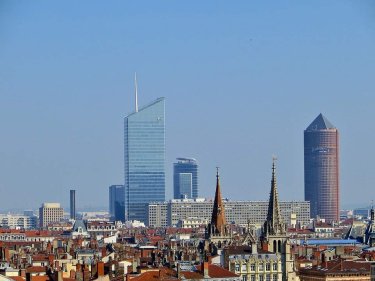
Tour Oxygène is a 115-metre office skyscraper in Lyon. Built on the lot R extension of Cours Oxygène, it stands near Part-Dieu station and the shopping center, and includes underground parking with 495 spaces.
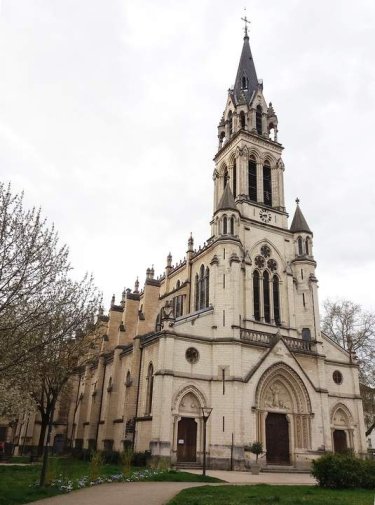
Sainte-Blandine de Lyon is a Catholic church in Lyon, built under the supervision of Clair Tisseur in the neo-Gothic style at the end of the 19th century. It serves the south of Presqu’île beyond the Perrache railway tracks.
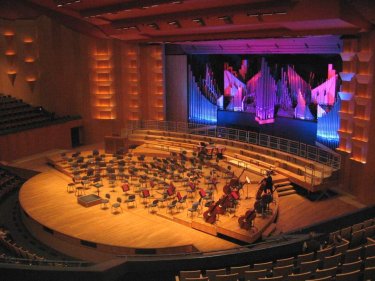
Auditorium Maurice-Ravel is a performing arts building in Lyon, in the Part-Dieu district on Place Charles-de-Gaulle. Designed by Delfante and Pottier, it serves as the residence hall of the Orchestre national de Lyon.
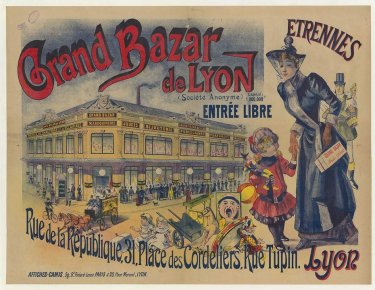
Grand Bazar de Lyon was an ancient department store located at 31, rue de la République in Lyon’s Cordeliers district. Founded in 1856 as À la ville de Lyon, it later became known as the Grand Bazar and was demolished in 2005.
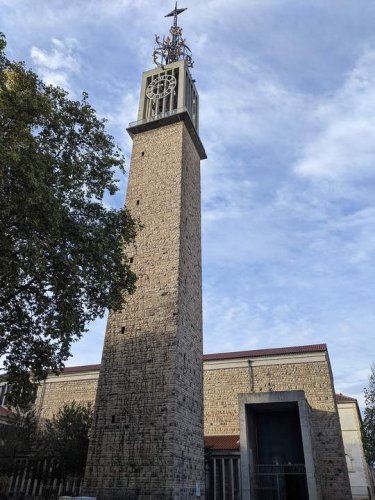
Église Notre-Dame de l'Annonciation de Lyon is a Catholic church at Place de Paris in Lyon, facing Gare de Vaise. Rebuilt from 1953 to 1957 by architect Paul Erasme Koch, it is described as a visual signal in the city.
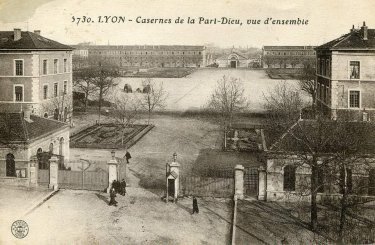
Les casernes de la Part-Dieu are military barracks in Lyon’s 3rd arrondissement. Built on the former Part-Dieu redoubt site, they were designed for cavalry and artillery regiments and later housed successive cavalry units until the army left in 1962.
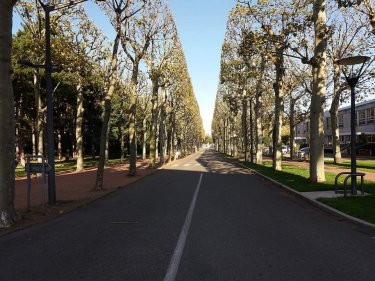
Centre hospitalier Saint-Jean-de-Dieu is a psychiatric hospital in Lyon’s Moulin-à-vent neighborhood, founded in 1824 by Paul de Magallon and Xavier Tissot. It serves the south of the Rhône department and had 517 beds in 2008.
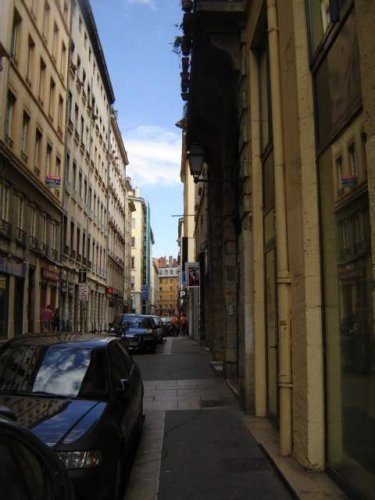
Rue des Capucins is a rectilinear, slightly inclined street in the quartier des pentes de la Croix-Rousse in Lyon, France. It continues rue du Sergent-Blandan, opens at place des Capucins, and ends at place Croix-Paquet. It lies within the UNESCO World Heritage area.
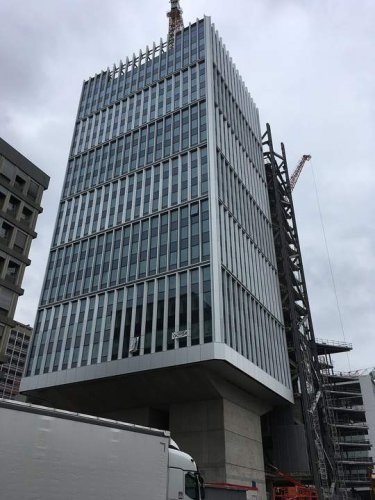
Tour Silex 2 is an office tower in Lyon’s Part-Dieu business district. Completed in 2021, it was built against the former EDF tower and continues the Silex1 office building project. It is also known as tour newcleo.
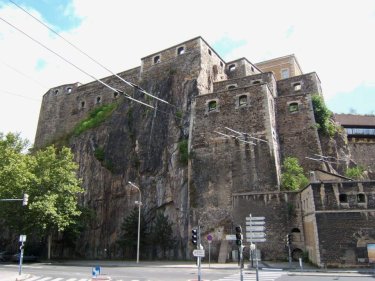
Fort Saint-Jean is a fort in Lyon on the left bank of the Saône River. Originally called bastion Saint-Jean, it is part of the first belt of Lyon and occupies a site overlooking the river.
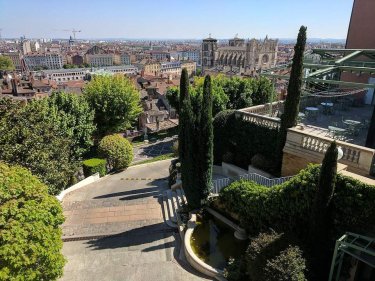
Villa Florentine is a 5-star luxury hotel in Lyon, located at the top of montée St-Barthélémy on Fourvière heights. It has a terrace, 34 rooms and suites, and a gastronomic restaurant.
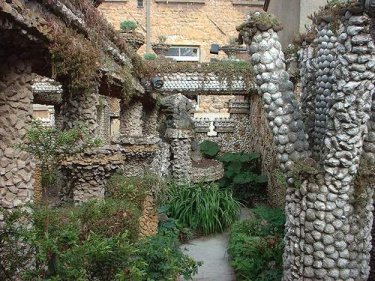
Jardin Rosa Mir is a courtyard garden in the Croix-Rousse quarter of Lyon, created by Jules Senis and housed at No. 83 Grande Rue de la Croix-Rousse. Its structure includes decorated columns, a central fountain and an altar to the Virgin Mary.
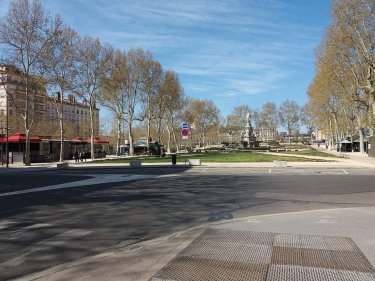
Place du Maréchal-Lyautey is a square in Lyon on the left bank of the Rhône. It includes a monumental fountain, a flower kiosk, a playground, and underground parking, and offers views of several prominent city landmarks.
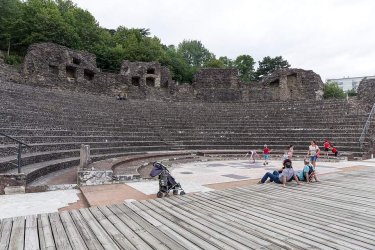
The Odeon of Lyon, also known as the Odeon of Lugdunum, is a Roman archaeological site on Fourvière Hill. It stands beside the ancient Fourvière Theatre and forms a notable archaeological pair with it.
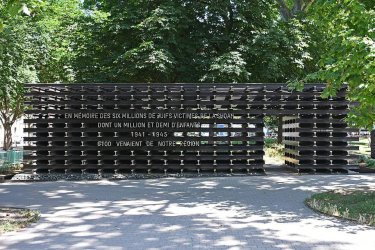
The Shoah Memorial, also called Les Rails de la Mémoire, is a memorial inaugurated at Place Carnot in Lyon. It stands near Perrache station and forms a memorial axis to the Veilleur de Pierre monument.
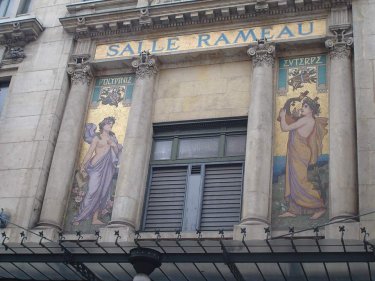
Salle Rameau is a municipal concert hall in Lyon’s Terreaux quarter, on rue de la Martinière. Inaugurated in 1907, it was built in Art Nouveau style and was among the first French halls designed specifically for symphonic music.
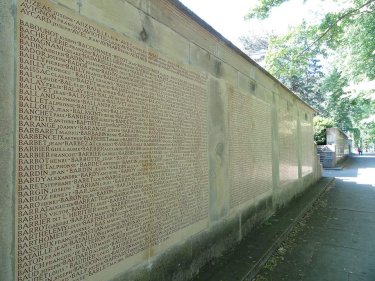
The Monument aux morts de l'île du Souvenir is a war memorial in Lyon, France, located on the Île du Souvenir in Parc de la Tête-d'Or. Designed by Tony Garnier, it includes a cenotaph and sculpted bas-reliefs by several artists.
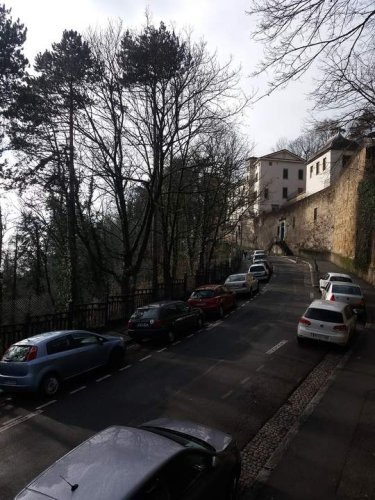
Montée Saint-Barthélemy is a street in the Vieux Lyon district of Lyon, France. One of the main routes between Vieux Lyon and Fourvière hill, it rises from 175 to 270 metres, with a 95-metre elevation difference.
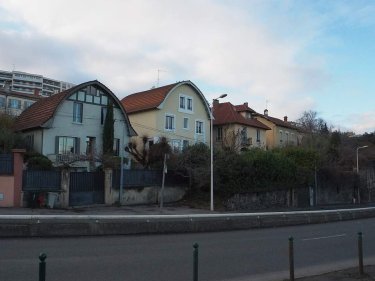
Montée de Choulans is a steep public traffic route in Lyon, France. It forms the main access route to Fourvière hill from the Saône riverbank and has a slope of 5.4%.
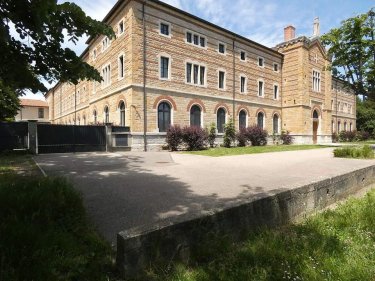
Fourvière Hôtel is a 4-star hotel-restaurant in Lyon’s Fourvière district. Opened in 2015, it occupies the former convent of the Visitation Sainte-Marie de Fourvière, housed in a 19th-century Roman-Byzantine building.
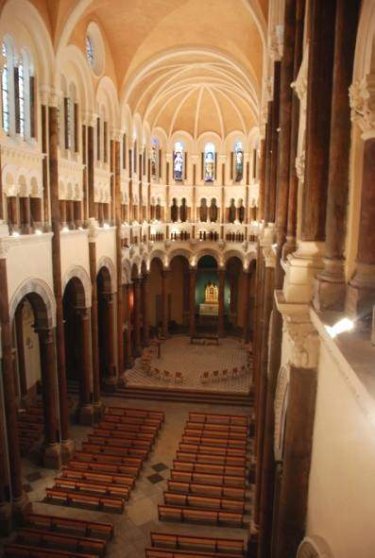
Saint-Marc Lycée is a private French secondary and higher education institution at 10 rue Sainte-Hélène in Lyon’s second arrondissement, in the Ainay district. It belongs to the Centre Saint-Marc and is under Jesuit supervision.
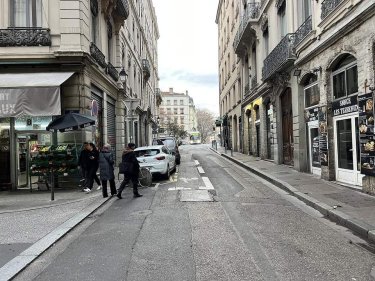
Rue Sainte-Catherine is a street in Lyon with a long history of changing names and urban transformations. It is linked to a former place Sainte-Catherine, wartime aid activities, and a nightlife scene that developed there in the late 20th century.
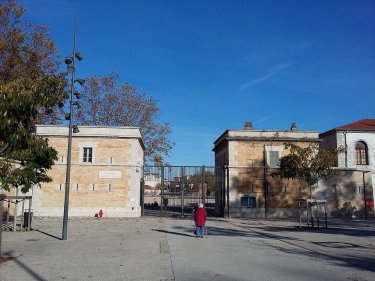
Parc Sergent Blandan is a 17-hectare urban park in Lyon, on the site of the former caserne sergent Blandan. It is divided into three distinct areas and includes military heritage from the mid-19th century.
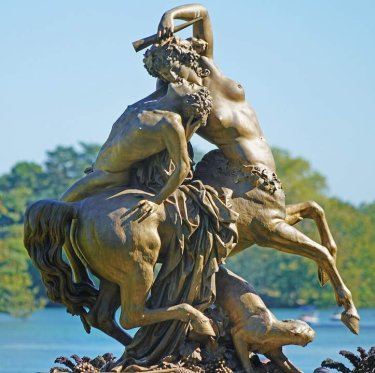
Centauress and Faun is a bronze sculpture by Intro, cast in 1850 from a model made in 1849. It stands in front of the main entrance to Parc de la Tête d'or in Lyon, France.
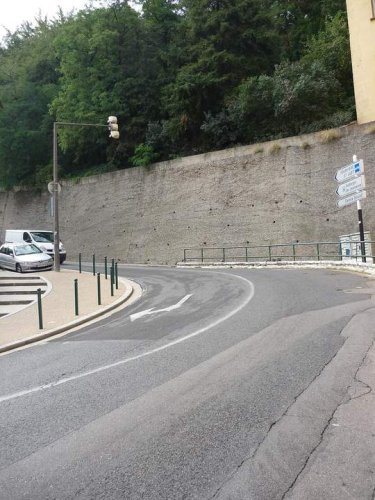
Montée du Chemin-Neuf is a street in the Vieux Lyon district of Lyon. It is one of the two main communication routes between Saint-Jean and Saint-Just, with a 69-meter elevation difference and a steep slope.
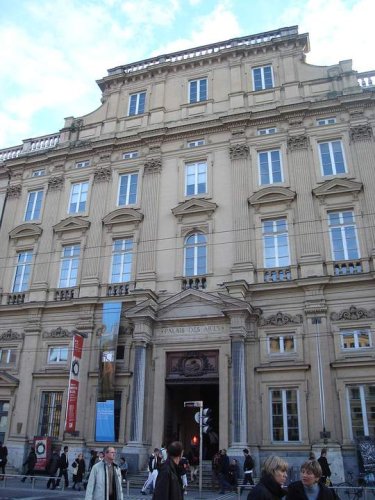
Palais Saint-Pierre, also known as the abbaye de Saint-Pierre-les-Nonnains de Lyon and abbaye des Dames de Saint-Pierre, is an ancient Catholic religious building in Lyon. Rebuilt in the 17th century, it was closed during the French Revolution and now houses the Musée des Beaux-Arts de Lyon.
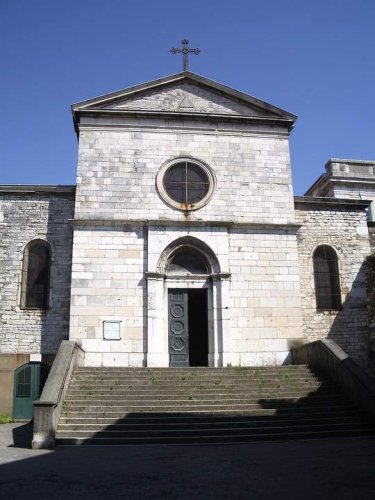
Saint Irenaeus Church stands in the Saint-Irénée district on the heights of Lyon. Its lower part is among the oldest in France, and its crypt dates from the Carolingian era. The church was rebuilt and completed in 1830.
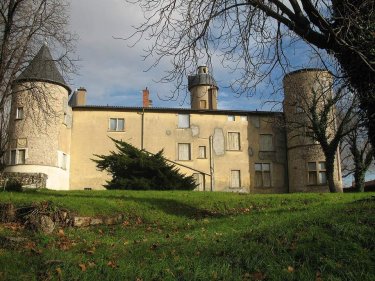
Château de La Motte is a historic castle in Lyon, on the left bank in the Rhône department. It stands on a small motte castrale near the old eastern and southern roads, at the border between Dauphiné and Lyonnais.
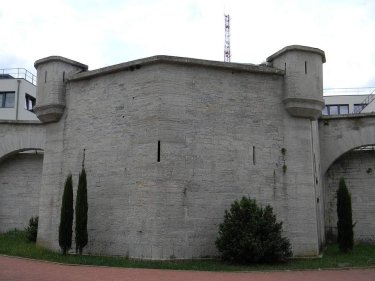
Montluc Fort is a fortress in Lyon, originally called Fort de Villeurbanne. Built between 1831 and 1835, it was later altered in the 1870s and 1880s and again in the 21st century. It now houses the police headquarters of Lyon.
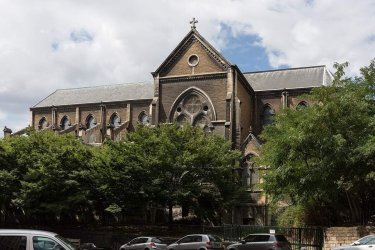
Église Saint-Bernard de Lyon is a church building on montée Saint-Sébastien. Consecrated in an unspecified year, it was later closed, desacralized in 1999, and has been totally closed since March 2004.
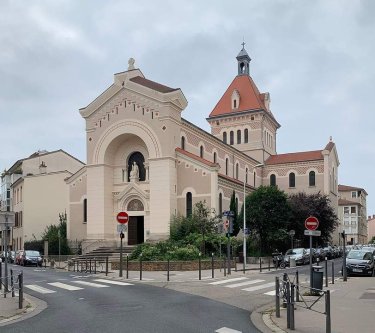
Église Saint-Augustin de Lyon is a Catholic church in the 3rd arrondissement of Lyon, at the intersection of rues Denfert-Rochereau and Jacquard. It is the most recent parish sanctuary in the district, apart from Sainte-Élisabeth.
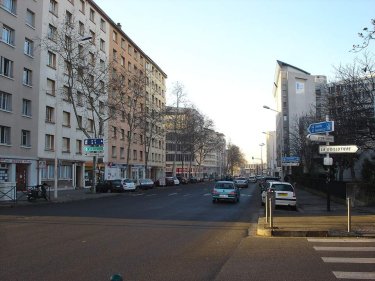
Rue Garibaldi is a wide, long street in Lyon, crossing the 3rd, 6th and 7th arrondissements. Named after Giuseppe Garibaldi, it was built gradually during the 19th century and later extended by the addition of Rue Rave in 1913.
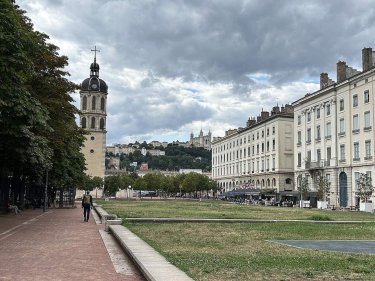
Antonin-Poncet Square is a public square in Lyon’s Bellecour quarter, in the 2nd arrondissement. Located on the Presqu'île between Place Bellecour and the Rhône, it includes lawns, fountains, benches, and access to Rue des Marronniers.
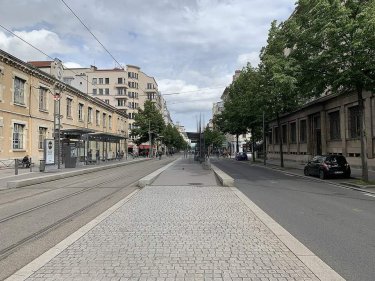
Avenue Berthelot is a street in Lyon’s 7th and 8th arrondissements. It links the Gallieni Bridge to Place du 11-Novembre 1918 along an east-west axis and continues via Avenue Jean Mermoz.
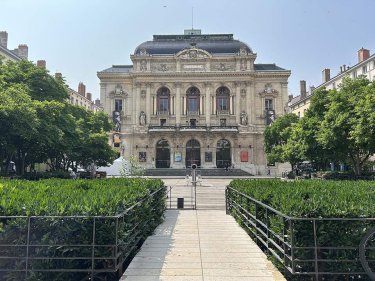
Place des Célestins is a square in the 2nd arrondissement of Lyon, France. In its current form, it dates from the beginning of the 19th century and takes its name from the Célestine religious order present there from 1407 to 1778.
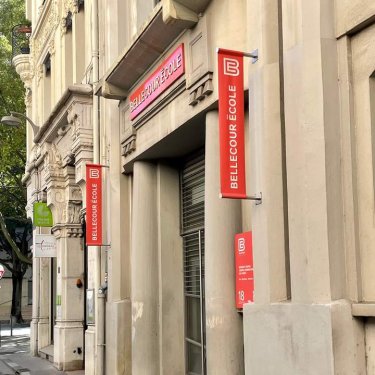
Bellecour School is a private higher education institution founded in Lyon in 1937. It trains students for design professions, including architecture and graphic design, as well as animation and video game careers.
Maison des Canuts is a museum in Lyon, France, devoted to the canuts, the silk workers of the Croix-Rousse district. Its collections include functional looms and materials on the history of silk and its industry.
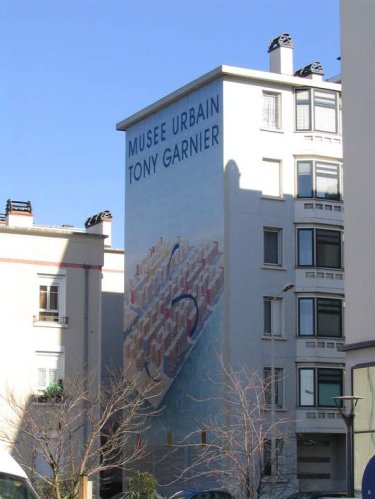
Musée urbain Tony Garnier is an open-air museum in Lyon’s États-Unis district. It includes painted exterior walls, a space for temporary exhibitions, and a model apartment furnished with 1930s equipment.
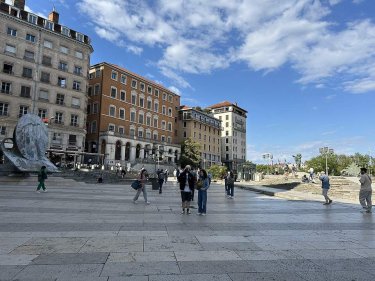
Place Louis-Pradel is a square in Lyon’s Terreaux district, in the 1st arrondissement. It links the city centre, including the city hall and Place des Terreaux, to the Rhône quays and is served by Lyon metro lines A and C.
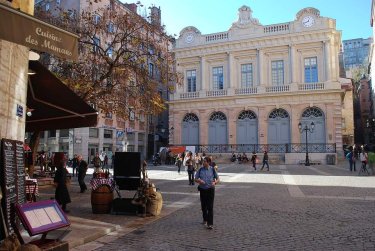
Place du Change is a square in Lyon attested since 1487 and created in 1584. Its history is linked to exchange operations, the former Maison Ronde, and the later Temple du Change.