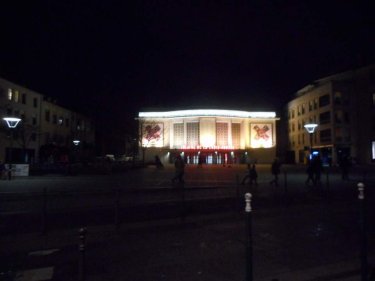
Théâtre de la Croix-Rousse
Théâtre de la Croix-Rousse is a theatre building in Lyon, on place Joannès-Ambre. Designed by Michel Roux-Spitz, it was built between 1924 and 1929 and later had its interiors restored and adapted in 1980.
Théâtre de la Croix-Rousse is a theatre building in Lyon, on place Joannès-Ambre. Designed by Michel Roux-Spitz, it was built between 1924 and 1929 and later had its interiors restored and adapted in 1980.
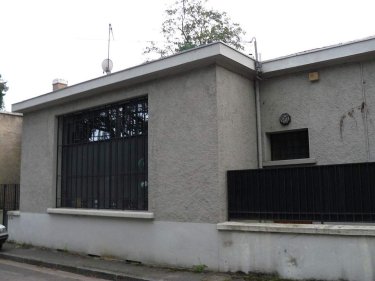
Villa Tony Garnier is located at 7 rue de la Mignonne in Lyon’s Saint-Rambert-l’Île-Barbe district. It is a realization of elements from Tony Garnier’s imagined Cité industrielle and is recognized as a historical monument.
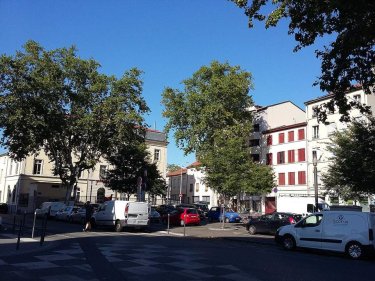
Place Saint-Louis is a square in Lyon’s 7th arrondissement, in the La Guillotière neighborhood. It is mainly occupied by parking spaces. Its name changed several times in the 19th century before returning to Place Saint-Louis.
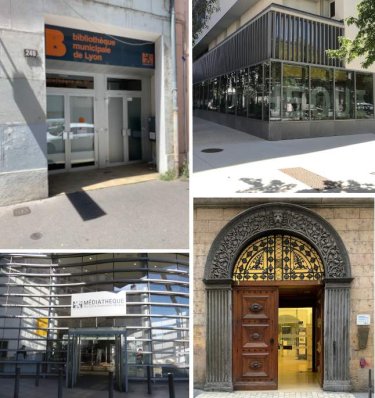
The Bibliothèque municipale de Lyon is a municipal library network spread across sixteen sites in Lyon. It includes major heritage collections, fulfills regional legal deposit for printed materials, and is led by the Bibliothèque de la Part-Dieu.
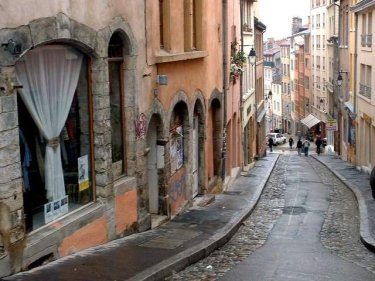
Montée de la Grande Côte is a street in the La Croix-Rousse quarter of Lyon’s 1st arrondissement. It links the Terreaux quarter and the Plateau de la Croix Rousse and is marked by its high elevation, narrow lower section, and long association with the city’s canuts history.
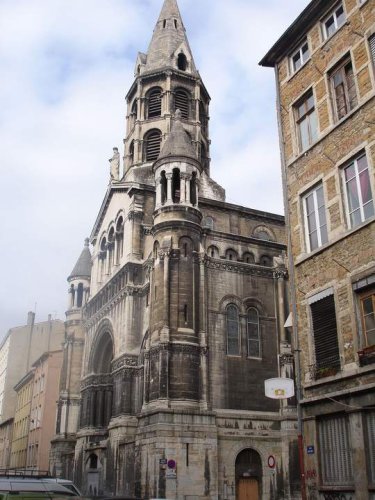
Église du Bon-Pasteur is a former Roman Catholic church in Lyon’s 1st arrondissement. Completed in 1883, it was designed in a neo-Romanesque style and desacralized in 1984. Its tower is highly visible from La Croix-Rousse.
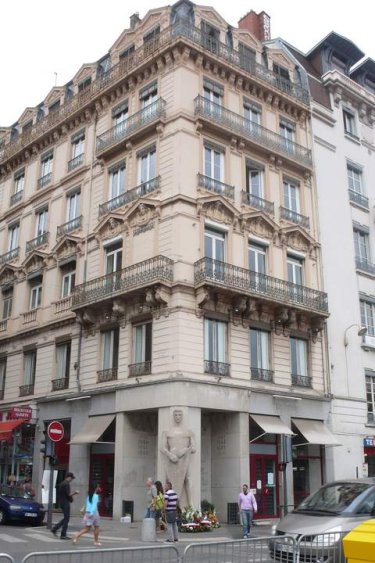
Veilleur de pierre is a memorial sculpture by Georges Salendre and architect Louis Thomas, installed in 1948 at the corner of rue Gasparin and place Bellecour in Lyon. It commemorates members of the French internal resistance.
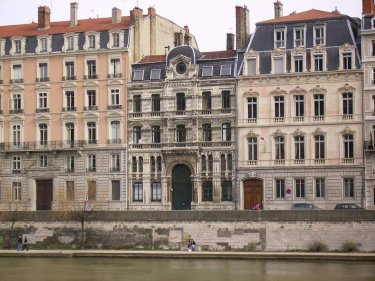
The Grande synagogue de Lyon is a Jewish religious building in Lyon, on Quai Tilsitt in the 2nd arrondissement. Built from 1863 to 1864 in a neo-Byzantine style, it was designed by the young Jewish architect Abraham Hirsch.
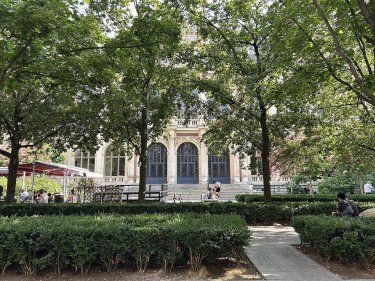
Place de la Bourse is a rectangular pedestrian square in Lyon’s Cordeliers district. It is bordered by rue de la République, rue de la Bourse, the palais de la Bourse, and three 18th-century houses, with granite paving, paths, planting, and benches.
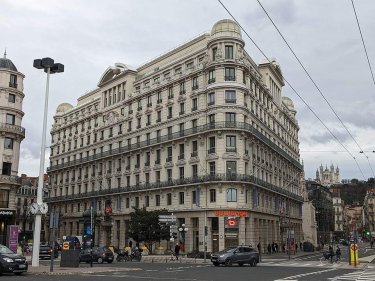
Anciennes Galeries Lafayette is a former department store building in Lyon, originally built in the 1890s as Le Grands magasins des Cordeliers on Place des Cordeliers. It was later taken over and enlarged, reflecting the commercial redevelopment of the district.
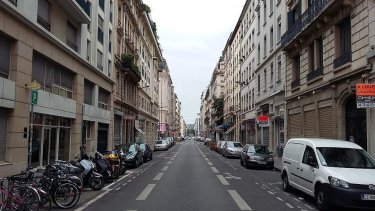
Rue de Marseille is a street in Lyon that extends from Place Gabriel Péri in the north to Rue Raoul Servant in the south. It carries a one-way automobile lane and part of tramway Line 1.
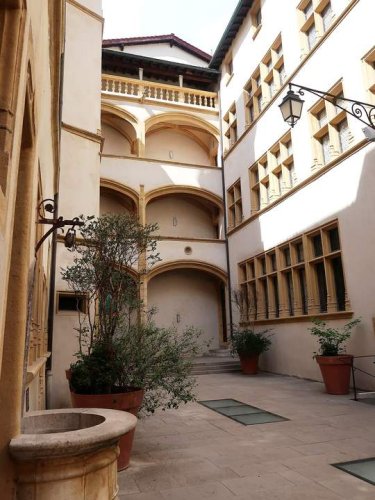
Gadagne is a museum complex in Lyon, France, located in the 5th arrondissement in the Saint-Jean neighborhood. Installed in the Hôtel de Gadagne, it houses two museums and a small theater.
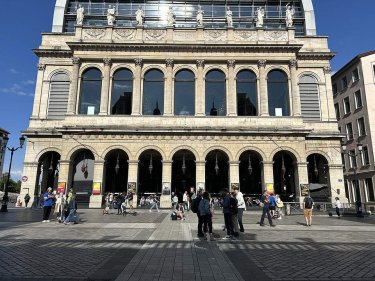
Place de la Comédie is a square in the Terreaux district of Lyon, France, located beside the opera. Its history is closely linked to the Grand Théâtre, later the opera house, and to the surrounding urban layout.
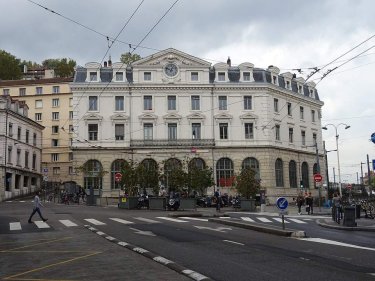
Lyon-Saint-Paul station is a French railway terminus in the 5th arrondissement of Lyon, at the foot of Fourvière hill and facing the Saône. It marks the northern entrance to Vieux Lyon and serves two tram-train lines of the West Lyonnais.
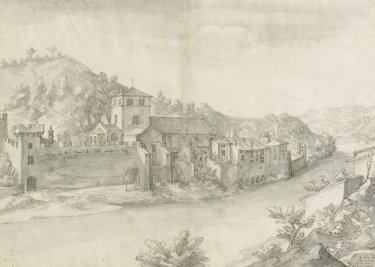
The Abbaye de l'Île Barbe is an ancient Benedictine abbey in Lyon, France, located in the Saint-Rambert-l'Île-Barbe district. Founded before the 6th century, it was one of the oldest monastic establishments in Gaul.
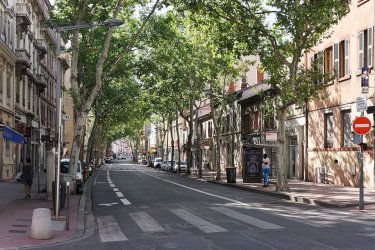
Avenue des Frères-Lumière is a street in Lyon’s Monplaisir district. It honors Auguste and Louis Lumière, French industrialists, and recalls their major role in the invention of cinema.
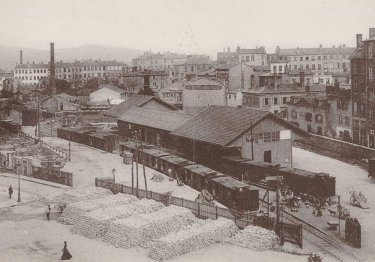
Gare de Lyon-Croix-Rousse was a former railway station of the Lyon-Croix-Rousse to Trévoux line, located in Lyon’s Croix-Rousse district. Opened in 1863, it was relocated twice and later closed to passenger and freight traffic.
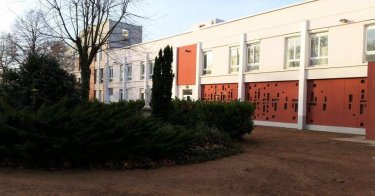
Centre scolaire La Xavière is a private school complex in Lyon under contract with the State. It covers education from kindergarten to high school and brings together several establishments, including three colleges and a lycée.
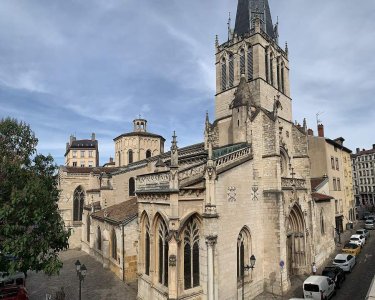
Église Saint-Paul is a Catholic church in Lyon’s Vieux-Lyon district, in the Saint-Paul area. Built in Romanesque and Gothic styles, it includes a lantern tower, a Romanesque porch, and later Gothic additions.
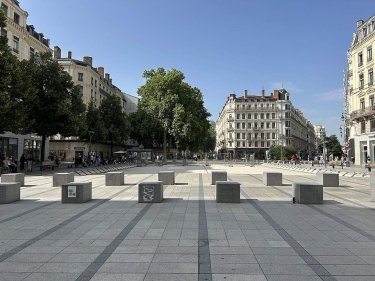
Place de la République is a square in Lyon’s Presqu'île. It divides rue de la République into two sections and is crossed by rue Childebert to the south, with several streets and passages opening onto it.
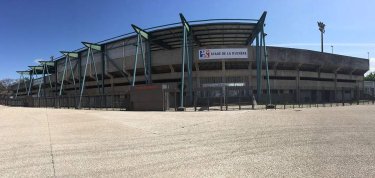
The Stadium of La Duchère is a sports venue in Lyon’s La Duchère neighborhood. It hosts football, athletics, rugby, and American football, and serves as the home ground of Lyon-La Duchère and the Lyon Rink Hockey Club.
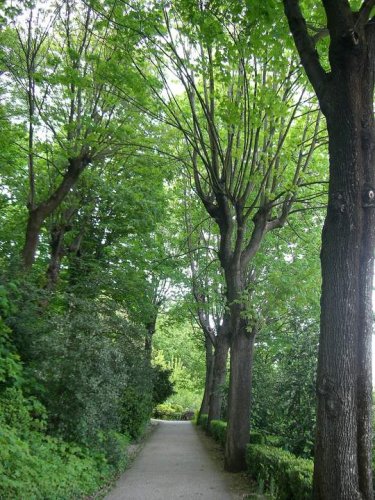
Parc des Hauteurs is an urban park in Lyon, on the hill of Fourvière. It includes several public places from the outskirts of the Basilica of Fourvière to Loyasse cemetery, as well as Visitation Park and the Passerelle des Quatre-Vents viaduct.
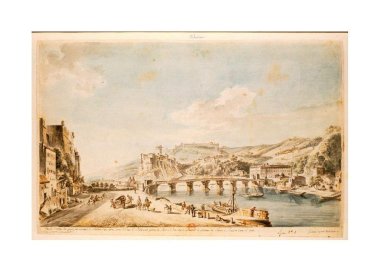
The Château de Pierre Scize, also called Château de Pierre Encise, was a medieval castle in Lyon. It stood on a granitic rocky spur overlooking the Saône, marking the border between the Kingdom of France and the Holy Roman Empire.
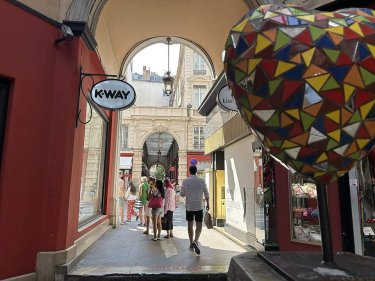
Passage de l'Argue is a covered pedestrian passage in Lyon’s Bellecour district. It connects rue de Brest to rue de la République, crossing rue Édouard-Herriot, and is known for its historic arcades and luxury shops.
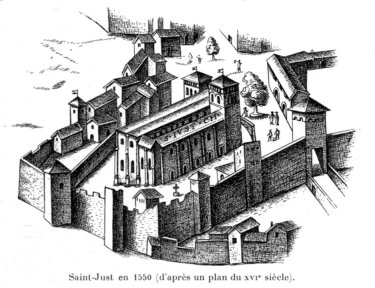
Basilique Saint-Just de Lyon is an archaeological and church site in Lyon, built over an ancient necropolis southwest of Lugdunum. Linked to early Christian tombs, it was once one of the city’s oldest and most powerful churches before its destruction during the Wars of Religion.
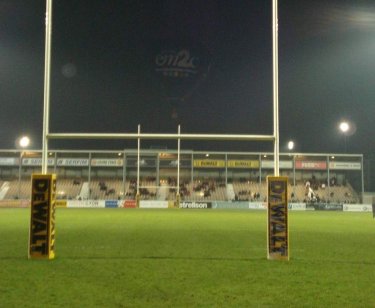
Stade Vuillermet is a sports venue in Lyon named after Georges Vuillermet, a rugby union player for Football Club de Lyon. It was inaugurated as Stade de la Plaine and later redeveloped.
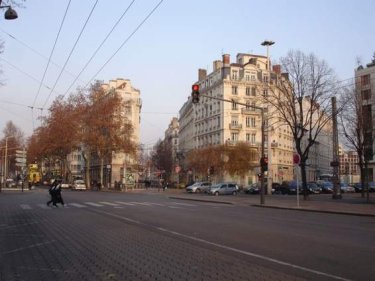
Place Jean-Macé is a square named after Jean Macé (1815–1894), a politician, journalist, and teacher. It forms part of the urban fabric of the district and includes several notable buildings and public features.
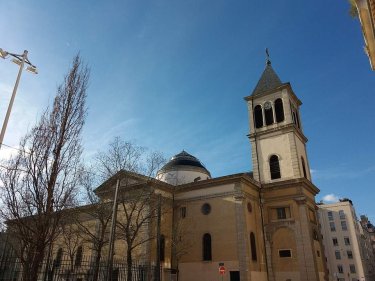
Église Saint-Pothin is a Catholic church in Lyon, located at place Édgar Quinet in the Foch district. Entirely registered as a Historic Monument, it reflects the development of Brotteaux and the Saint-Pothin parish.
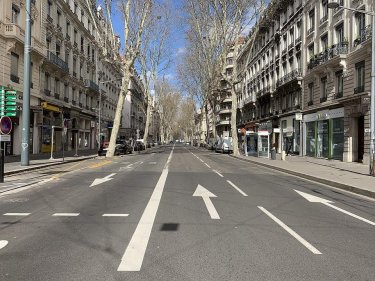
Avenue de Saxe, also known as Avenue du Maréchal de Saxe, is a major street in Lyon’s 3rd and 6th arrondissements. Named after Maurice de Saxe, it is lined with plane trees and buildings dating largely from the 19th century.
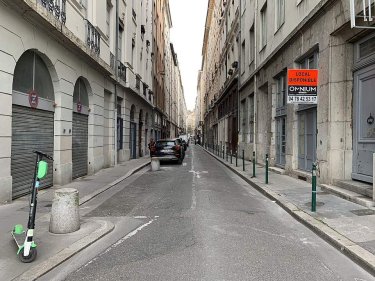
Rue Royale is a street in the 1st arrondissement of Lyon, France, running between Place Michel-Servet and Rue de Provence and joining Grande Rue des Feuillants. It is served by Croix-Paquet metro station and contains several closed traboules.
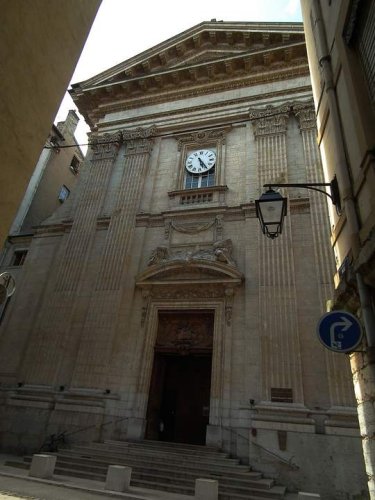
Église Saint-Polycarpe is a church on the slopes of Croix-Rousse in Lyon, between René Leynaud, Burdeau, Mermet, and Thiaffait streets. Formerly the church of the Oratorians, it is dedicated to Catholic worship and was later named Saint Polycarpe.
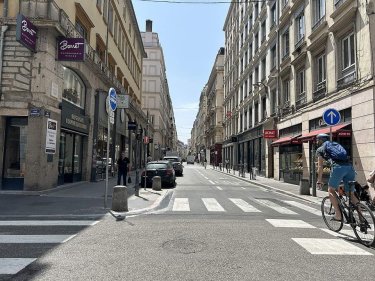
Rue de Brest is a major commercial street in the center of Lyon. It runs parallel to rue du Président-Édouard-Herriot and rue de la République, extends rue Paul-Chenavard, and opens onto Place des Jacobins. Its name honors the city of Brest.
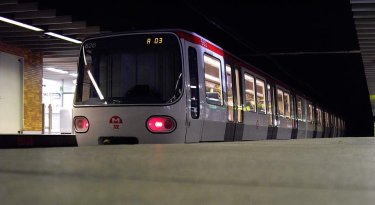
Perrache is a public transportation interchange on cours de Verdun in Lyon’s Perrache neighborhood. It includes a metro station, a tramway station, and a bus station, and serves an interchange between routes M6 and M7. It stands next to the Lyon-Perrache train station.
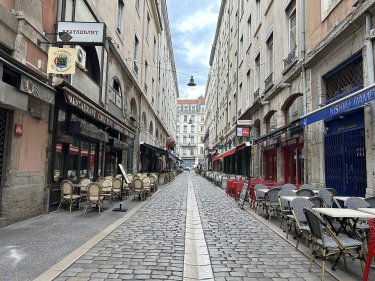
Rue des Marronniers is a small paved pedestrian street in Lyon’s Bellecour quarter, in the 2nd arrondissement. Known for its many bouchons, it lies within a UNESCO World Heritage Site and is served by Bellecour metro station and several bus lines.
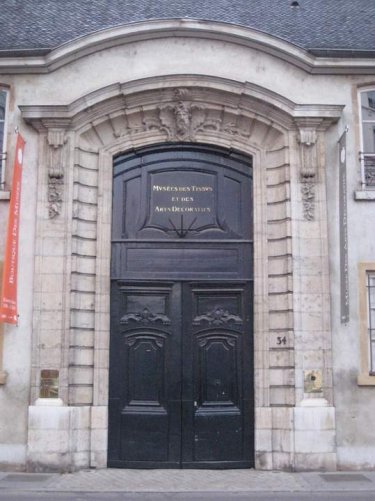
The Textile Arts Museum in Lyon is housed at rue de la Charité with the musée des Arts décoratifs. It holds one of the world’s most important fabric and textile collections and the richest of its kind in France.
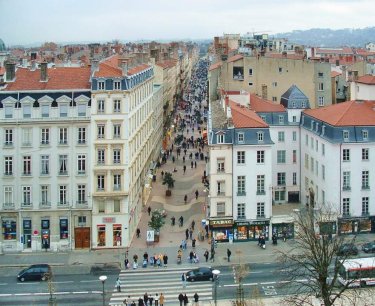
Rue Victor-Hugo is a pedestrian street in Lyon’s Presqu’île, running north–south between Place Bellecour and Place Carnot. Together with rue de la République, it forms one of Europe’s largest pedestrian and commercial streets.
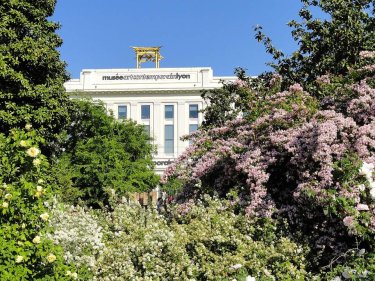
The Museum of Contemporary Art of Lyon is a museum dedicated to contemporary art in Lyon. It is located at the Cité Internationale near the Parc de la Tête d’Or, in a building that preserves the facade of the former Lyon fair palace.
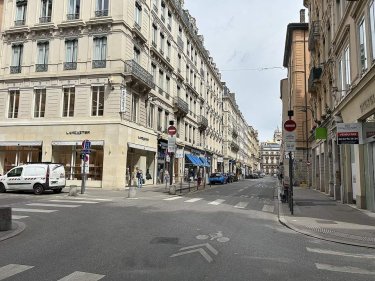
rue Édouard-Herriot is one of the main shopping streets of Lyon’s Presqu’île district. It links place Bellecour in the south with place des Terreaux in the north and runs through the 1st and 2nd arrondissements.
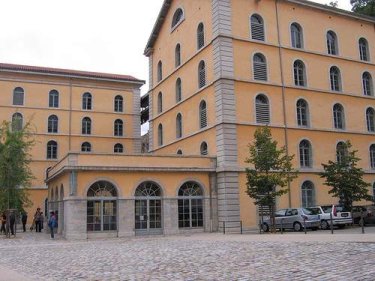
Les Subsistances is a cultural centre in Lyon’s 1st arrondissement, housed in a partly classified historic site on the Saône quay. Since 2007, it has included a creative laboratory and the École nationale des beaux-arts de Lyon.
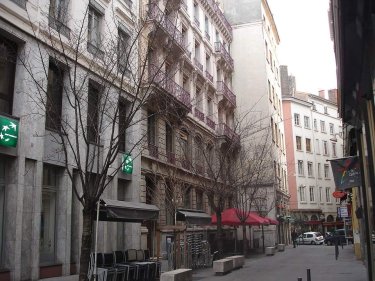
Rue de l'Arbre-Sec is a street in the Terreaux quarter of Lyon’s 1st arrondissement, set in a dense historic area between Place des Terreaux and the Opéra. It is crossed by rue de la République and lined with restaurants and bouchons.
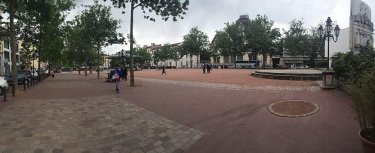
Place Ambroise Courtois is a square in the Monplaisir district of Lyon, France. Formerly called Place de Monplaisir, it was later renamed in honour of Ambroise Courtois, a local political figure and hatter.
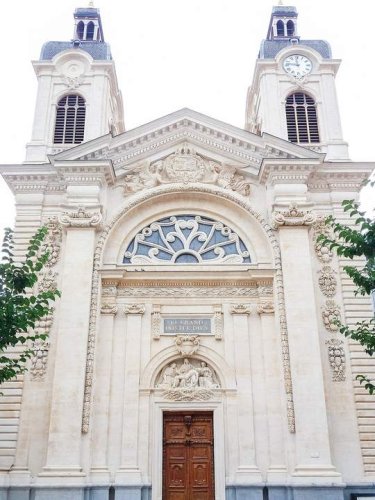
The Chapelle de l’Hôtel-Dieu de Lyon is a religious building in the Bellecour district, within the Hôtel-Dieu de Lyon complex. It belongs to the Hospices Civils de Lyon and is connected to the hospital institution and the city.
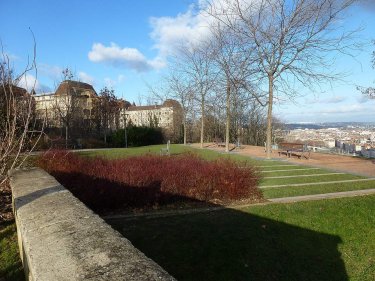
Jardin des Curiosités is a 6,000 m² urban park in Lyon, located in the 5th arrondissement on the hills of Saint-Just. Also known as jardin de Montréal and belvédère Abbé-Larue, it includes a viewpoint, themed areas, and six chair sculptures.
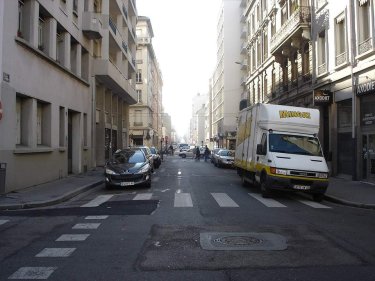
Rue de Créqui is a long, straight street in Lyon running north to south across the 1st, 3rd and 7th arrondissements. It begins north of Parc de la Tête-d'Or and ends at Grande Rue de la Guillotière, passing near Place Guichard and Bourse du travail.
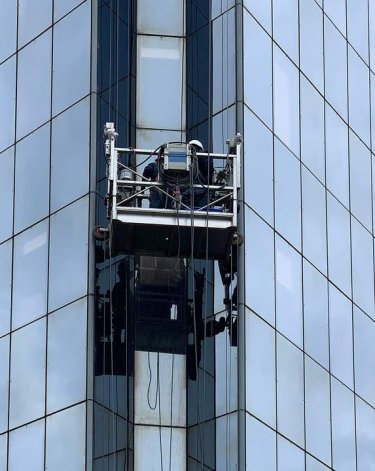
Tour Swiss Life is an 82-metre office skyscraper in Lyon’s La Part-Dieu quarter, in the 3rd arrondissement. Built in 1989 by Charles Delfante, it houses the Swiss Life company and has 20 floors.
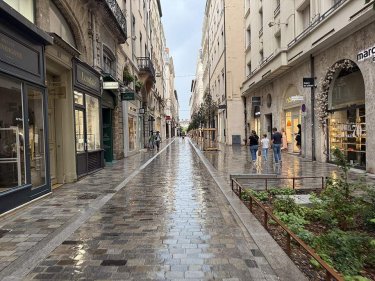
Rue Émile-Zola is a street in the 2nd arrondissement of Lyon, linking Place Bellecour to Place des Jacobins. Part of the UNESCO World Heritage site, it is one of the city’s busiest shopping streets, with many shops serving an upscale clientele.
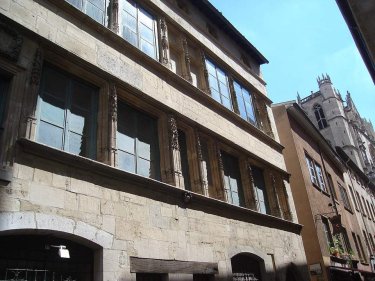
Maison du Chamarier, also known as hôtel d’Estaing, is a house at 37 rue Saint-Jean in Lyon, on the corner with rue de la Bombarde. It is a rare example of a Renaissance civil house.
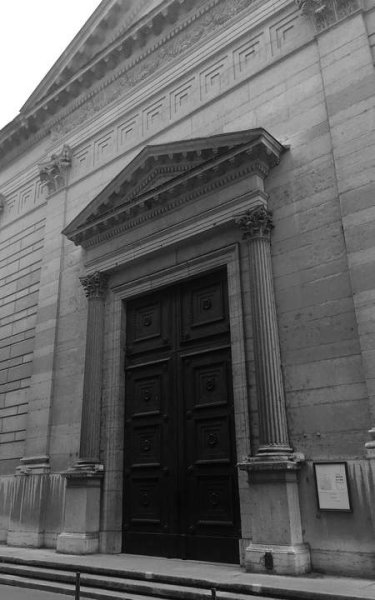
Église Saint-François-de-Sales is a Catholic church in Lyon’s Ainay district, at 11 rue Auguste-Comte. Begun in 1803, it stands on the site of an earlier Sainte-Madeleine church and was placed under the patronage of Saint François de Sales.