Porte d'Aquitaine is a city gate in the commune of Bordeaux, in the Gironde département of the Nouvelle-Aquitaine region. It stands on Place de la Victoire at the entrance to Rue Sainte-Catherine and is owned by the Mairie de Bordeaux. Designed by Claude-Clair Francin and André Portier, it was constructed between 1749 and 1754.
The gate was part of a larger reorganisation of the area after Tourny removed medieval gates and sought to replace the four towers flanking the old Gothic Porte Saint Julien, dating from 1302. That earlier gate stood south of rue Sainte-Catherine on Place de la Victoire and marked the junction of the Languedoc and Spain routes under an arch of triumph. Porte d'Aquitaine was named to honour the second son of Dauphine, duke Xavier de France at birth.
Built of Saint-Macaire stone that hardens and becomes pink, the gate has an arcade more than eleven metres high and five metres wide, decorated with projecting bosses. One side carries royal arms in a bivalve shell with sea gods embracing the shield; the other shows city arms emerging from a cup with fruits and flowers. The two side gates were removed in 1902, but the structure remained a landmark of Place de la Victoire.
Nearby Objects
-
 Place de la Victoire 30 m away
 -
 Synagogue 350 m away
 -
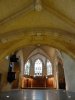 Couvent des Annonciades 350 m away
 -
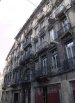 Hôtel Saint-François 400 m away
 -
 Bourse du Travail 400 m away
Design and Location
Porte d'Aquitaine is located in the Bordeaux commune, in the Gironde departement of the Nouvelle-Aquitaine region. It was designed by Claude-Clair Francin and Andre Portier and constructed between 1749 and 1754. The monument is owned by the Mairie de Bordeaux.
Location of Porte d'Aquitaine
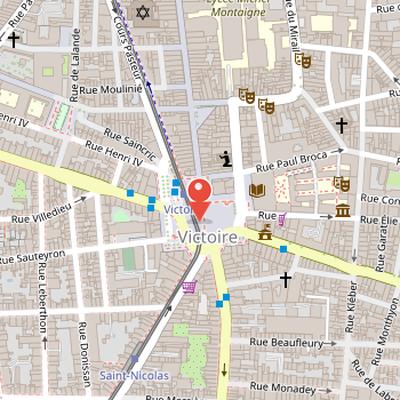
Porte d'Aquitaine is situated in the French department of Gironde, in the commune of Bordeaux. It stands on the Place de la Victoire, at the entrance of Rue Sainte-Catherine. This location places it within a prominent public area of the city and marks a point of access to one of Bordeaux's streets.
From Porte Saint Julien to Porte d'Aquitaine
Porte d'Aquitaine was built to replace part of the older defensive gate system once associated with Porte Saint Julien, a Gothic gate dated to 1302. Historique notes that Tourny removed the medieval gates and wanted to replace the four towers flanking the old gate, which stood south of rue Sainte-Catherine on Place de la Victoire. The earlier gate marked the junction of the Languedoc and Spain routes under an arch of triumph, and a nearby hospital founded in 1231 had been created to treat lepers and plague victims. Construction of the new gate was undertaken by Portier.
The monument was named Porte d'Aquitaine in honor of the second son of Dauphine, duke Xavier de France at birth. It is made of Saint-Macaire stone, which hardens and becomes pink. The design includes an arcade more than eleven meters high and five meters wide, with projecting bosses. One side is decorated with royal arms in a bivalve shell and sea gods embracing the shield, while the other side shows city arms emerging from a cup with fruits and flowers.
Porte d'Aquitaine connected Place d'Aquitaine, also called La Victoire, to a smaller square near rue Sainte-Catherine. Rue Entre-deux-places ran alongside the rampart between the two squares. The two side gates were removed in 1902, but the main structure remained a landmark of Place de La Victoire. After the Second World War, the gate was renamed Porte de la Victoire. The building is listed as a historic monument by official decree.