The wine cellar of the Hôpital civil in Strasbourg is a medieval wine cellar dating from the 14th century and built between 1393 and 1395 in the enclosure of the Strasbourg civil hospital. It consists of medieval vaulted cellars associated with the Catholic hospices of Strasbourg and is located in the Finkwiller district. Listed as a historic monument since 1929, it forms part of the historic fabric of the medical institution.
The cellar was long connected to the financing and food self-sufficiency of the hospital, supported by hospital fee regulations in kind as well as civic and religious donations and bequests. Over time, the institution became one of the most important landowners in Alsace. A fire in 1716 damaged the hospital but spared the cellar, bakery, and chapel. The wine activity declined during the 20th century and was transformed into a wine cooperative in 1995, on its 600th anniversary. Today, the cellar includes a barrel gallery with more than fifty historic oak barrels still in use.

Nearby Objects
-
 Saint-Nicolas Church 150 m away
 -
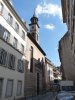 Église Saint-Louis de Strasbourg 250 m away
 -
 Place d'Austerlitz 400 m away
 -
 Strasbourg Historical Museum 400 m away
 -
 Saint Thomas Church 400 m away
Medieval Wine Cellar of the Civil Hospital
The wine cellar of the Hf4pital civil in Strasbourg is a medieval cellar dating from the 14th century and associated with the Alsace vineyard. It was built between 1393 and 1395 within the enclosure of the Strasbourg civil hospital. The building has been listed as a historic monument since 1929, reflecting its recognized heritage value.
Wine Cellar and Hospital Economy
The wine cellar of the Hôpital civil in Strasbourg consists of medieval vaulted cellars of the Catholic hospices of Strasbourg, constructed in 1395 at the site of the current second hospital in the Finkwiller district. From the beginning, it played an economic role in supporting the historic medical institution, contributing to its financing and food self-sufficiency through hospital fee regulations paid in kind, as well as civic and religious donations and bequests. Over time, this activity helped the institution become one of the most important landowners in Alsace.
The cellar survived the fire that ravaged the hospital in 1716, along with the bakery and chapel. Its wine activity gradually declined during the 20th century, before the cellar was converted into a wine cooperative in 1995, on its 600th anniversary, by winemakers from about thirty vineyards in the Alsace wine region. Today, the cooperative produces about 100,000 bottles a year under the name Vin des Hospices, including Alsace (AOC), gewurztraminer, muscat, riesling, and pinot gris. Winemakers entrust part of their production to the cellar, where it is aged in barrels and bottled under this name, with each winemaker retrieving part of the bottles and the hospital marketing the remainder on site.
The cellar also includes a barrel gallery with more than fifty historic oak barrels still in use. In addition to these wines, it sells wines from public domains such as viticultural high schools and INRA. It is known for the quality of its wines, prohibits advertising, and reinvests all profits into medical equipment purchases. The wine also reflects a long medical and religious tradition: in the Middle Ages it was used as treatment under oenotherapy, was linked to Christian symbolism as the Blood of Christ, and each patient could receive up to two liters per day, a practice that lasted until the 20th century.
The Historic Cellar and Its Medieval White Wine
Tresors de la cave houses one of the oldest wines in the world in the historic cellar of the civil hospices. In 2014, the wine was transferred to a stainless steel tank, and in 2015 it was transferred again to a barrel. The medieval white wine is intended to remain in the new barrel for two hundred and fifty years.
Tastings of the 1472 Vintage
The 1472 vintage from the wine cellar of the HOPital civil in Strasbourg was served four times after it was casked. It was served in 1576, again in 1716 after a fire, then in 1868, and once more in 1944 during the liberation of the city by General Leclerc. In 1994, the vintage was analyzed and tasted by an interregional oenological laboratory of the DGCCRF. These repeated tastings show the continued interest in this historic wine over several centuries.